



Recent

5 Creative School Fundraising Ideas to Make a Difference

Fundraising for schools is a fantastic way to engage students, parents, and the community in supporting meaningful causes. Whether you’re looking to fund a school project, help those in need, or provide students with unique learning experiences, there are countless creative ways to raise funds. Below are five school fundraising ideas that not only promote teamwork and creativity but also make a significant impact.

1. Charity Walk or Fun Run

Organize a charity walk or fun run around your school or local park. Participants can gather sponsorships from family, friends, and local businesses to support a good cause. Not only is this a healthy activity that promotes fitness, but it also brings the community together for a shared purpose. You can add fun elements like themed costumes, color runs, or obstacle courses to make the event even more engaging!

2. School Talent Show

A talent show is a classic fundraising idea that allows students to showcase their unique talents, whether it’s singing, dancing, magic tricks, or comedy. Sell tickets for entry, and consider having a panel of teachers or local celebrities judge the acts. You can also offer concessions or host a raffle during the event to raise even more funds. This is a fantastic way for students to develop confidence and for families to get involved in the school community.

3. Bake Sale or International Food Fair

Food always brings people together! Host a bake sale with homemade goodies or organize an international food fair where families from different cultural backgrounds can share dishes from their heritage. Sell these delicious foods at the event and use the proceeds to support your cause. This is a great way to celebrate diversity within the school community while raising funds.

4. Recycling Drive and Crafts Sale

Encourage students to bring in recyclable items like plastic bottles, cans, and paper. Partner with a local recycling center to turn these items into cash. Additionally, students can create crafts using recycled materials and sell them at a crafts fair. This fundraiser not only raises money but also educates students about the importance of recycling and environmental sustainability.

5. Group Fundraising with Embrace Relief

One of the most impactful fundraising ideas is partnering with a reputable nonprofit organization like Embrace Relief through their Group Fundraising Program. This program allows schools to create their own fundraising project to support various humanitarian causes—such as building water wells, providing healthcare, or supporting education in underserved communities. The best part? Participants have the opportunity to travel to the country where their project is implemented and see firsthand the positive impact their efforts are making!

Group Fundraising with Embrace Relief

Why Choose Embrace Relief’s Group Fundraising Program?

Embrace Relief offers a unique approach to school fundraising that goes beyond just raising money—it provides a life-changing experience for students and participants. Here’s how it works:

  • Choose Your Cause: Schools can select from a variety of projects, such as clean water initiatives, health programs, disaster relief, refugee support, and more.
  • Create a Group Fundraising Page: With Embrace Relief’s easy-to-use platform, your school can create a personalized fundraising page that tells your story, sets your fundraising goals, and tracks progress.
  • Raise Funds and Awareness: Use social media, events, and community engagement to rally support for your cause. Embrace Relief provides resources and guidance to help you reach your fundraising goals.
  • Travel and Witness the Impact: Once your fundraising goal is met, Embrace Relief offers the unique opportunity for a group of participants to travel to the country where their project will be implemented. This immersive experience allows students to connect with the community, see the tangible impact of their work, and understand the power of giving back.

How to Get Started with Embrace Relief’s Group Fundraising Program

  1. Visit the Embrace Relief Website: Go to the Embrace Relief Group Fundraising page.
  2. Select a Project: Choose a cause that resonates with your school and community.
  3. Create Your Fundraising Page: Set up a personalized page for your school’s fundraising campaign.
  4. Promote and Fundraise: Share your page with friends, family, and community members to start raising funds.
  5. Reach Your Goal and Plan Your Trip: Once your goal is achieved, coordinate with Embrace Relief to plan a life-changing trip to the country where your project will come to life!

Get started today!

School fundraising is a powerful way to teach students about community, empathy, and global citizenship. By choosing innovative and meaningful fundraising ideas like those mentioned above, schools can raise funds and awareness for important causes, foster a sense of responsibility, and create unforgettable experiences for their students. Partnering with Embrace Relief’s Group Fundraising Program is not just a fundraising effort—it’s a journey of learning, compassion, and making a difference in the world. 🌍

Ready to start your group fundraising journey? APPLY HERE!

When Is Thanksgiving 2025 in the United States?

Thanksgiving in the United States is a beloved national holiday filled with tradition, family gatherings, and a celebration of gratitude. In 2025, the Thanksgiving date is Thursday, Nov. 27th. Each year, millions of Americans come together on this day to enjoy a hearty feast with their families, watch football, and reflect on the blessings in their lives.

Unlike holidays with fixed calendar dates, like Christmas on Dec. 25 or New Year’s Day on Jan. 1, Thanksgiving has a floating date. For most of America’s history, the holiday has been celebrated near the end of November. Since 1939, the country has observed the Thanksgiving holiday on the fourth Thursday of November.

This means that the earliest date for Thanksgiving is Nov. 22, while the latest is Nov. 28.

This floating date often leads people to wonder why Thanksgiving in the U.S. is held on the fourth Thursday of November and how this particular scheduling tradition came to be. The history behind Thanksgiving’s date, like the holiday itself, is rooted in both colonial history and modern political decision-making.

Thanksgiving’s Early History

The tradition of a late-autumn community feast to give thanks for bountiful harvests predates the founding of the modern United States by centuries. The practice was central to many indigenous tribes in North America long before their first encounters with Europeans. The fabled “First Thanksgiving” of 1621, which brought together approximately 50 English colonists and 90 Wampanoag natives in what is now Plymouth, Massachusetts, established such a tradition among the burgeoning population of European settlers.

During 17th and 18th centuries, as the English settlements turned into full-fledged colonies, and then eventually into an independent United States of America, the thanksgiving feast became an important tradition for many communities. However, there was not yet any designated Thanksgiving Day, as most celebrations were tied to the local harvest time.

It wasn’t until George Washington In 1789, just months after being sworn in as the United States’ first president, that the first national proclamation of Thanksgiving was made. This proclamation designated Nov. 26 (a Thursday) of that year as a day of public thanksgiving and prayer. Washington’s declaration was aimed at giving thanks for the new U.S. Constitution and the peaceful establishment of the nation’s government. However, this would not become an annual tradition. For the next 75 years, it remained up to state and local governments to select the date for the thanksgiving feast.

Thanksgiving’s Early History

Abraham Lincoln The Establishment of a National Thanksgiving Day

It wasn’t until 1863, in the midst of the U.S. Civil War, that Thanksgiving became an official national holiday with a regularly scheduled date. A proclamation from President Abraham Lincoln called for all Americans to give thanks on the last Thursday of November each year, part of an attempt to unite the country and acknowledge the sacrifices made by Union troops in the war.

Lincoln’s decision was largely influenced by the persistent efforts of Sarah Josepha Hale, a prominent writer and editor who had been campaigning for a national Thanksgiving holiday for decades. Her lobbying helped solidify the idea of a unified day of thanks across the country.

Franklin D. Roosevelt and the Date Debate

The last Thursday in November remained the date of Thanksgiving for decades following Lincoln’s proclamation. However, during the Great Depression in the late 1930s, a controversy arose over the holiday’s date. In 1939, retailers pressured President Franklin D. Roosevelt to move Thanksgiving up by one week to extend the holiday shopping season and stimulate the economy. That year, Thanksgiving was scheduled to occur on Nov. 30 – the fifth Thursday of November – and desperate retailers feared they would lose out on critical sales before Christmas.

Roosevelt agreed and moved Thanksgiving to Nov. 23, the fourth Thursday of November, sparking widespread debate. While some states followed Roosevelt’s lead and celebrated the holiday on the earlier date, others stuck with the traditional last Thursday, creating confusion and division. This led to two Thanksgiving celebrations in some parts of the country that year, with people humorously referring to the new date as “Franksgiving.”

A Permanent Date

Two years after the “Franksgiving” controversy, the U.S. Congress passed a joint resolution officially setting Thanksgiving on the fourth Thursday of November, ending the dispute once and for all. This compromise aimed to appease both traditionalists and those who favored an extended holiday shopping season. Since then, Thanksgiving has been celebrated consistently on this date, creating a fixed yet flexible tradition that allows for a slightly different celebration date each year.

In conclusion, Thanksgiving 2025 will be on November 27th, and the reason we celebrate it on the fourth Thursday of November is rooted in both historical decisions and modern economic considerations. What began as a colonial harvest celebration evolved into a national holiday, shaped by presidential proclamations and political compromises that continue to influence the way Americans observe this cherished holiday today.

Share Your Blessings This Year With Embrace Relief’s Year-End Giving section

While the modern history of Thanksgiving is closely intertwined with commercial interests and holiday shopping, the heart of the holiday remains the sharing of blessings with those less fortunate.

This Thanksgiving, if you are looking for a gift that will make a real impact on the lives of people in need, you can do so with a gift to Embrace Relief’s Year-End Giving campaign!

This year, Embrace Relief is offering you the choice of three critical humanitarian programs to support:

  • Clean Water, in which your donation will help build water wells in Africa;
  • Cataracts, in which your donation will provide a free surgery to restore a person’s sight; and
  • Orphan Care, in which your donation will provide basic necessities for orphaned children.

During this time of giving and charity, support Embrace Relief’s Year-End Giving campaign using the donation box below. No donation amount is too small, and you can be sure that the recipients of your generosity will be offering you thanks this holiday season.

3 Ways to Make A
Life-Saving Impact

As the year draws to a close, your generosity can light the way for someone in need.

Year End Giving Logo

6 Challenges Threatening Global Health Security

Summary

  • The spread of infectious diseases like COVID-19 and malaria is increasing due to globalization, climate change, and urbanization, making future pandemics more likely.
  • Antimicrobial resistance is rising as bacteria and viruses evolve, driven by the overuse of antibiotics, making it harder to treat infections like tuberculosis and pneumonia.
  • Noncommunicable diseases, such as heart disease, cancer, and diabetes, now account for the majority of global deaths, with unhealthy diets and sedentary lifestyles contributing to their growth.
  • Climate change is intensifying health risks through extreme weather, heat waves, and shifts in disease patterns, disproportionately affecting vulnerable populations.
  • Millions of people worldwide suffer from hunger and lack access to safe drinking water, leading to malnutrition and disease, especially in regions facing water scarcity and poor sanitation.
  • Natural and man-made disasters displace millions, creating refugee populations that face immediate and long-term health challenges, including poor sanitation, malnutrition, and mental health issues.

Global health security involves safeguarding populations worldwide from health threats, whether stemming from natural causes or human activities. In our interconnected world, these challenges transcend borders and impact everyone. Here, we examine six major challenges to global health security, their implications, and strategies to address them.

1. Infectious Diseases

The emergence and spread of new infectious diseases is one of the most significant threats to global health security. Throughout history, diseases like the Black Plague, smallpox, and more recently, COVID-19 have shown how rapidly infectious diseases can devastate societies. With increasing global mobility, the risk of new pandemics is expected to grow, putting populations across the world at risk.

Globalization, urbanization, and climate change are accelerating the spread of infectious diseases. For example, changing climate patterns are expanding the habitats of disease-carrying mosquitoes, contributing to the rise in diseases like malaria, dengue, and Zika. In the face of these threats, investment in research, surveillance, and rapid-response systems is crucial to prevent future pandemics.

2. Antimicrobial Resistance

Antimicrobial resistance (AMR) is the rapidly emerging phenomenon where bacteria, viruses, fungi, and parasites evolve to resist the effects of medications, including antibiotics. This resistance is becoming a critical threat to global health security, making it harder to treat certain diseases and leading to longer hospital stays, higher medical costs, and increased mortality rates.

Overuse and misuse of antibiotics in humans, animals, and agriculture are driving this resistance, rendering previously treatable infections, such as tuberculosis and pneumonia, more difficult—and sometimes impossible—to cure. Without global efforts to reduce antibiotic use and promote the development of new drugs, AMR could turn into the next silent pandemic.

3. Noncommunicable Diseases

Noncommunicable diseases (NCDs) like cardiovascular diseases, cancer, chronic respiratory diseases, and diabetes are now the leading cause of death worldwide. Unlike infectious diseases, NCDs are not transmitted from person to person, yet they account for more than 70% of global deaths annually. Cardiovascular diseases, particularly stroke and ischemic heart disease, are the most prevalent, affecting both high- and low-income countries.

Factors such as unhealthy diets, lack of physical activity, and tobacco and alcohol use have increased the prevalence of NCDs. Low-income countries often face double burdens, struggling with both infectious diseases and rising rates of NCDs. To address this, it is essential to promote preventive healthcare, improve access to treatments, and raise awareness of healthy lifestyle choices on a global scale.

4. Climate Change

Climate change is not just an environmental crisis but a major public health threat. Rising global temperatures, extreme weather events, and sea-level rise are already profoundly impacting health. For example, extreme heat waves lead to increased mortality and droughts that severely affect global food supply chains, while floods and hurricanes can cause injuries, death, and outbreaks of waterborne diseases.

Moreover, climate change is causing shifts in the geographic distribution of diseases like malaria, as warmer temperatures create ideal breeding conditions for mosquitoes. Additionally, food security is being undermined as extreme weather events disrupt agriculture and humanitarian activities. As climate change continues to worsen, it will exacerbate existing health inequities, particularly in vulnerable and low-income communities.

5. Access to Food and Safe Water

Access to sufficient food and safe drinking water is a fundamental human right, yet millions of people around the world lack it. Hunger, malnutrition, and unsafe drinking water contribute to weakened immune systems, making individuals more susceptible to disease and exacerbating global health challenges. The impact of access to clean water on health is clear throughout Nigera, where more than 66 million people do not have access to water and 151,700+ children die annually from water-related diseases, the highest rate of any country. In Nigeria, contaminated water and poor hygiene practices account for 88% of the country’s diseases, most of which are preventable.

Food insecurity and water scarcity are worsened by climate change, population growth, and political instability. Poor sanitation and unsafe water contribute to the spread of diseases like cholera, typhoid, and dysentery. Ensuring access to nutritious food and clean water is essential not only for improving global health security but also for enabling sustainable development and economic growth in disadvantaged regions.

6. Natural and Man-Made Disasters

Both natural and man-made disasters—such as earthquakes, floods, armed conflict, and terrorist attacks—pose immediate and long-term threats to global health security. These disasters can cause mass displacement, leaving refugees in dire need of healthcare, clean water, food, and shelter. Refugee populations often suffer from poor sanitation, malnutrition, and overcrowding, all of which increase the risk of infectious disease outbreaks, such as in the Ouaddai provide of Chad, where Sudanese refugees and Chadian returnees are facing a Hepatitis E outbreak.

Additionally, the mental health toll on populations affected by disasters is immense. Prolonged conflict and displacement can lead to trauma, depression, and anxiety. Responding to these crises requires coordinated international efforts, from emergency response teams to long-term rebuilding and rehabilitation of healthcare systems.

At Embrace Relief, we’re taking strides to strengthen global health security

The challenges facing global health security are vast, but they are not insurmountable. By working together, we can protect vulnerable populations, prevent disease outbreaks, and build stronger, more resilient health systems.

Embrace Relief is taking strides alongside local, regional, and international partners to strengthen global health security worldwide. We achieve our mission by supporting public health and medical facilities financially and physically by covering surgical operation costs and facilitating the acquisition of medical supplies, equipment, and medicines.

Strengthening its dedication to global health security, Embrace Relief constructs and restores water wells, provides food to millions of acutely and chronically malnourished people each year, and supports vulnerable populations, including women, children, and refugees.

We invite you to join us in our mission to improve global health security through the provision of clean water, nutritious food, healthcare, and education. Your generous donation to a cause you feel passionate about will help us deliver these essential services to the world’s most vulnerable people in economically disadvantaged countries.

How You Can Help: The Gift of Sight

A simple cataract surgery, which costs only $120, can transform a life. With your support, our Embrace Relief’s health clinics can provide these surgeries to those in need, giving them the gift of sight and the opportunity for a better future. Here’s how your donation can make a difference:

  • $120 Donation: Funds one complete cataract surgery, restoring sight to an individual in need.
  • $240 Donation: Supports two surgeries, doubling the impact.
  • $600 Donation: Helps five people regain their vision, enhancing their quality of life and ability to contribute to their communities.

Your donation can make a significant difference in the lives of those suffering from cataracts in Mali and Burkina Faso. For just $120, you can fund a cataract surgery and give someone the precious gift of sight.

Help us light up lives and drive away the darkness caused by cataracts. Donate now and be a part of this life-changing mission.

$

Support Orphaned Children with Food, Shelter, Education, and Healthcare in Africa

Summary

  • Orphaned children in Africa face severe issues like hunger, unsafe shelter, lack of education, and limited access to healthcare, which affect their development and future prospects.
  • Embrace Relief’s “Raise the Children” program provides orphaned children with nutritious meals and secure housing, protecting them from malnutrition and homelessness.
  • The program supports educational opportunities by covering school fees and materials, while also offering healthcare services such as vaccinations and medical check-ups.
  • Donations and sponsorships help provide essential resources, improving the lives of orphaned children in the Democratic Republic of Congo, Tanzania, and Ghana.

Orphaned children in Africa face a complex set of challenges that affect their survival, development, and long-term well-being. These challenges stem from poverty, political instability, disease, and the lack of basic infrastructure. Many children grow up without access to food, safe shelter, education, or healthcare, which limits their opportunities for a brighter future. Here are some of the key difficulties they face:

  • Hunger and Malnutrition: Hunger is a significant issue for orphaned children in Africa. Many orphans do not have access to regular, nutritious meals, which leads to chronic malnutrition. This has devastating effects on their physical and cognitive development, making it difficult for them to focus in school or participate in early childhood education programs. Malnutrition increases their vulnerability to diseases, and without proper care, they struggle to thrive.
  • Lack of Safe and Stable Shelter: Many orphaned children are homeless or live in overcrowded, unsafe shelters, often in slums or informal settlements. Without a safe home, they are exposed to violence, abuse, trafficking, and exploitation. This instability has long-term effects on their emotional and psychological well-being, making it difficult to focus on education and other aspects of childhood development.
  • Limited Access to Education: Access to education is a fundamental right for every child, but many orphaned children in Africa cannot attend school due to financial barriers. They lack resources such as school fees, uniforms, books, and transportation. Poor education or no access to education at all limits their future opportunities. This affects their ability to develop skills, making it harder for them to find decent employment later in life.
  • Lack of Access to Healthcare: Orphaned children in Africa often struggle to receive basic healthcare. Many of them are in orphanages or care facilities that do not have the resources to provide necessary medical services. This leaves children vulnerable to preventable diseases such as malaria, diarrhea, and respiratory infections. Without proper healthcare, their physical and cognitive development is impaired, and they face a higher risk of early death.

Embrace Relief’s Support for Orphaned Children in Africa

Embrace Relief is committed to supporting orphaned children by addressing their essential needs, such as food, shelter, education, and healthcare. Through its “Raise the Children” program, the organization supports three orphanages in the Democratic Republic of Congo, Tanzania, and Ghana. These orphanages provide children with comprehensive care and support to help them overcome the challenges they face.

  • Food Security: Embrace Relief ensures that orphaned children receive regular, nutritious meals. This focus on food security combats hunger and malnutrition, helping the children grow healthy and strong during their early childhood development years.
  • Safe Shelter: The organization provides safe, stable housing for orphaned children. This secure environment allows them to focus on their education and emotional well-being. Safe shelter is a critical aspect of orphan care, as it helps protect children from the risks of homelessness and exploitation.
  • Educational Opportunities: Education is a top priority for Embrace Relief. The organization helps cover school fees, provides educational materials, and offers scholarships to give orphaned children access to education. This opens up opportunities for them to develop the skills they need to succeed and break the cycle of poverty. Through education programs, Embrace Relief ensures that children can continue their learning journey, even in difficult circumstances.
  • Healthcare Support: Embrace Relief also provides access to healthcare services for orphaned children. This includes vaccinations, regular check-ups, and treatment for common illnesses. Ensuring that children receive proper health care is essential for their long-term well-being and helps prevent many of the life-threatening conditions they may face.
Embrace Relief's Support for Orphaned Children in Africa

As we approach the end of the year, there is no better time to make a difference in the lives of orphaned children in Africa. Your donation to Embrace Relief’s “Raise the Children” program can provide vital support in the form of food, shelter, education, and healthcare. With your help, we can reach more children, offering them the opportunity for a better future.

Donate today to support orphaned children in the Democratic Republic of Congo, Tanzania, and Ghana. Your contribution will help provide them with the comprehensive care they need to thrive. By sponsoring an orphan, you can directly impact a child’s life, giving them access to education, healthcare, and a safe place to call home. Together, we can make a lasting impact and ensure that these children have the hope and opportunities they deserve.

Sponsor an orphan or donate to orphans today to create a brighter future for the most vulnerable children across Africa. With your support, we can transform the lives of orphans and create lasting change.

Donate For Ramadan Children’s Fund

Embrace Relief aims to provide 550 orphaned children with daily iftar and suhoor meals during Ramadan 2025.

$
International Hunger Relief Children's Fund

What is the meaning of Thanksgiving in the U.S.?

American Thanksgiving, celebrated on the fourth Thursday of November each year, is a beloved national holiday that brings families and communities together in a spirit of gratitude. From its historical origins to its role in contemporary American culture, Thanksgiving embodies both the warmth of shared meals and a deeper reflection on thankfulness and community.

A Brief History of Thanksgiving

The concept of giving thanks for bountiful harvests and the community’s continued success long predates the arrival of European settlers on the North American continent. Harvest feasts are a central tradition of many indigenous tribes, including the Wampanoag, a native tribe who inhabited southern New England (including Massachusetts and Rhode Island) at the time of first contact with Europeans.

The roots of America’s current Thanksgiving tradition trace back to 1621, when a group of approximately 50 Pilgrims – English settlers who had landed near modern-day Plymouth, Massachusetts aboard the Mayflower in 1620 – celebrated a successful harvest with a three-day Thanksgiving feast with 92 Wampanoag natives. In the popular imagination, this “First Thanksgiving” was a celebration of friendship between the European and indigenous peoples. The historical reality is more complex: the Wampanoag likely viewed the event as a diplomatic gesture to win over the English as allies against neighboring tribes, while the English would soon go on to colonize Wampanoag land and cause great suffering to indigenous people throughout the continent.

Nevertheless, the popular conception of the “First Thanksgiving” has persevered, and over the centuries, the feast of thanksgiving became a powerful symbol of America’s national character. Although various communities held their own Thanksgiving celebrations after 1621, it wasn’t until 1863, during the U.S. Civil War, that President Abraham Lincoln proclaimed Thanksgiving a national holiday. He set it for the last Thursday in November to foster national unity and healing. The date was later finalized to the fourth Thursday of November in 1941.

Why Thanksgiving is Celebrated in the U.S.

At its core, Thanksgiving is a day to express gratitude. While the holiday has historical ties to religious and cultural traditions of giving thanks for a bountiful harvest, today’s Thanksgiving is more broadly secular. Families and friends gather around the dinner table to share a meal and reflect on the blessings in their lives. Whether it’s a good harvest, good health, or personal accomplishments, the spirit of gratitude remains at the heart of the celebration.

The holiday is also a time for charitable acts. Many Americans use the day to donate time, money, or food to help those less fortunate, fostering a sense of community and shared responsibility. Parades, food drives, and communal dinners are common ways people come together to ensure that even those without families or means can partake in the festivities.

The Role of Food in Thanksgiving Traditions

One of the most distinctive aspects of Thanksgiving is the meal. The traditional Thanksgiving dinner is laden with iconic dishes, many of which harken back to that first celebration. Turkey, stuffing, mashed potatoes, cranberry sauce, and pumpkin pie are just some of the staples enjoyed by millions across the country.

The turkey, often referred to as the centerpiece of the meal, has become so associated with Thanksgiving that the day is sometimes colloquially called “Turkey Day.” However, the real essence of the meal lies not in the food itself but in the act of gathering together. Families, regardless of religious or cultural backgrounds, celebrate the holiday in a way that feels personal to them. For some, this means incorporating family recipes or regional dishes, while others use the opportunity to fuse Thanksgiving with elements of their own heritage.

Why Thanksgiving is Celebrated in the U.S.

Thanksgiving in Modern American Culture

Thanksgiving occupies a unique place in American culture, distinct from other holidays due to its focus on gratitude and community. In a world that can often feel fast-paced and individualistic, Thanksgiving offers a pause — a chance to slow down, reconnect with loved ones, and reflect on the year’s blessings.

The holiday is also marked by several popular traditions that have become embedded in American culture. One of the most prominent is the annual Macy’s Thanksgiving Day Parade, which features giant balloons, marching bands, and performances that kick off the holiday season. Football also plays a major role in Thanksgiving celebrations, with professional and college games broadcast throughout the day, creating a festive atmosphere in many households.

In recent years, the holiday has also become intertwined with the phenomenon of “Black Friday,” the shopping day following Thanksgiving, signaling the start of the Christmas shopping season. While some criticize this commercial aspect, it’s undeniable that Thanksgiving serves as the gateway to a season of festivity and generosity.

Thanksgiving is far more than just a holiday centered around food—it’s a celebration of gratitude, togetherness, and community. Its roots in American history, while complex, have evolved into a tradition that emphasizes the values of thankfulness, generosity, and connection. For many Americans, it’s a time to cherish family, share in communal feasts, and give back to others. As it continues to adapt to modern times, the heart of Thanksgiving remains the same: it is a day dedicated to acknowledging the blessings in life and sharing them with those around us.

Share Your Blessings This Thanksgiving With Embrace Relief!

This Thanksgiving season, there’s no better way to share your blessings and make a real impact on the lives of people in need than by making a donation to Embrace Relief’s Year-End Giving campaign!

This year, Embrace Relief is offering you the choice of three critical humanitarian programs to support:

  • Clean Water, in which your donation will help build water wells in Africa;
  • Cataracts, in which your donation will provide a free surgery to restore a person’s sight; and
  • Raise the Children, in which your donation will provide basic necessities for orphaned children.

During this time of giving and charity, support Embrace Relief’s Year-End Giving campaign using the donation box below. No donation amount is too small, and you can be sure that the recipients of your generosity will be offering you thanks this holiday season.

How Virtual Education is Preparing Students for the Rise of Remote Work

Summary

  • Discover how the rise of remote work and the importance of virtual education in preparing students for the future job market.
  • Understand how online learning equips students with digital skills, flexibility, and adaptability.
  • Learn about Embrace Relief’s L.E.A.R.N. program and how it empowers Afghan girls through virtual education.

The landscape of work is rapidly changing, with remote work becoming a permanent fixture in many industries. In fact, nearly 58% of the U.S. workforce has the option to work remotely at least part-time, according to a study by McKinsey & Company in 2023. The rise in remote work is driven by advancements in technology, changing attitudes towards work-life balance, and the global shift necessitated by the COVID-19 pandemic. As businesses continue to embrace flexible work models, the demand for workers equipped with digital skills and remote work capabilities has surged. This shift underscores the importance of virtual education in preparing students for the future job market.

Virtual education has emerged as a key player in preparing students for the evolving job market. It not only provides access to quality education but also teaches students essential skills needed for remote work. Here are some key ways virtual education is making a difference:

  • 1. Digital Literacy and Skills Development: Virtual learning environments require students to navigate various digital platforms, manage online resources, and engage in virtual communication. This exposure helps students build digital literacy—a critical skill for remote work. According to the World Economic Forum, digital skills, such as managing digital workflows and understanding cloud-based tools, were among the top skills required by employers in 2023.
  • 2. Flexibility and Self-Management: One of the most significant benefits of virtual education is the flexibility it offers. Students learn to manage their time effectively, balance multiple tasks, and work independently—skills that are directly transferable to remote work settings. A report by Gallup found that flexibility and the ability to work independently are among the top attributes of successful remote employees.
  • 3. Access to Global Opportunities: Virtual education removes geographical barriers, allowing students to access global learning opportunities and connect with peers and educators from around the world. This exposure not only broadens their perspectives but also prepares them to work in diverse, international teams—a common scenario in remote work environments.
  • 4. Adaptability to Technological Tools: As virtual education relies heavily on technology, students become adept at using a wide range of digital tools, from video conferencing software to collaborative platforms. This adaptability is crucial as the remote work landscape continues to evolve with new technologies. A survey by LinkedIn Learning revealed that adaptability is one of the top soft skills employers seek, alongside proficiency in technology.
Key of Virtual Education

Embrace Relief’s L.E.A.R.N. Program: Empowering Afghan Girls Through Virtual Education

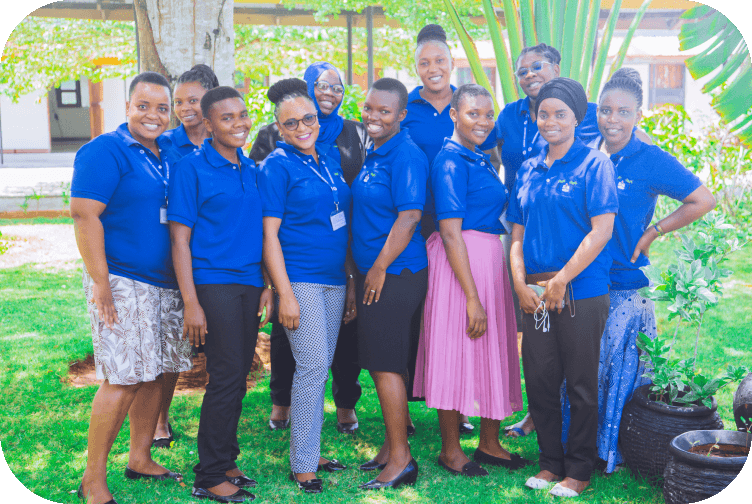
Embrace Relief’s L.E.A.R.N. (Learning and Education for Afghan girls’ Rights and Needs) program is a shining example of how virtual education can transform lives. In Afghanistan, L.E.A.R.N. provides a lifeline by offering online high school and college-level courses to girls from the safety of their homes. Through partnerships with Global Town School and Amity University, L.E.A.R.N. equips Afghan girls with the skills needed to excel in a digital-first world.

The program currently supports 20 college students—10 pursuing degrees in Computer Applications and 10 in English. Graduates in Computer Applications can enter the global IT workforce, taking on remote roles that allow them to work safely from home. Those studying English are training to become educators, ready to teach the next generation and inspire change within their communities.

Your support can make a profound impact. For just $80 a month, you can sponsor a girl’s bachelor’s degree through the L.E.A.R.N. program, helping her acquire the skills needed to thrive in today’s digital economy. Your donation provides access to tuition, mentorship, and a safe learning environment—tools that can empower Afghan girls to break free from the cycle of poverty and contribute positively to their communities.

For more information on the Embrace Relief L.E.A.R.N. program, click here.

Donate For Women’s Empowerment

$
Donate Now

What to Know Before Getting a Pet Goat – And 5 Charming Benefits

Summary

  • Understand the essentials of goat care, including feeding, housing, and health management.
  • Discover the benefits of having a pet goat, from companionship to sustainable farming.
  • Learn how Embrace Relief’s SEED program provides goats to women in need, transforming lives and communities.

Goats are increasingly becoming popular as pets, thanks to their friendly demeanor, manageable size, and unique personalities. However, owning a goat requires commitment and understanding of their specific needs. From housing to health care, here’s what you need to know before getting a pet goat.

  • Housing and Space Requirements: Goats are social animals that thrive in groups, so it’s recommended to keep at least two goats together. They need ample space to roam, play, and forage. A secure, spacious enclosure with a sturdy fence is essential, as goats are known escape artists. They also need shelter from extreme weather conditions—a simple shed or barn will usually suffice, but ensure it’s clean, dry, and well-ventilated.
  • Diet and Nutrition: A balanced diet is crucial for a healthy goat. Goats are natural grazers and thrive on hay, grasses, and browse (leaves, twigs, and shrubs). They also need access to clean water and a mineral block that provides essential nutrients like calcium and phosphorus. While grains and treats can be given sparingly, they should not constitute the main part of their diet, as excessive grain can lead to digestive issues.
  • Health Care and Regular Maintenance: Goats require regular health care, including vaccinations, deworming, and hoof trimming. Their hooves grow continuously and need to be trimmed every 4-6 weeks to prevent discomfort and infections. Regular veterinary check-ups are essential to keep your goats healthy and to catch any potential issues early.
  • Social Interaction and Enrichment: Goats are intelligent and curious animals that need mental stimulation. They enjoy interacting with their owners and other animals, playing with toys, and climbing on structures. Providing enrichment, such as logs, rocks, and platforms, can keep them entertained and happy. Remember, a bored goat can be a mischievous one!

Owning a pet goat offers a unique set of benefits that go beyond simple companionship. These charming animals not only bring joy and entertainment but also provide practical advantages that can enrich your lifestyle. Whether you’re looking for natural ways to maintain your property, exploring sustainable farming options, or seeking the therapeutic benefits of interacting with animals, goats can be an excellent addition to your life. Their versatility and low-maintenance nature make them ideal pets for those looking to embrace a more sustainable and fulfilling way of living. Here are 5 reasons why owning a pet goat can be a great benefit:

  • 1. Natural Lawn Mowers: Goats are excellent grazers and can help maintain your yard or pasture. They eat weeds, shrubs, and grasses, providing a natural and eco-friendly way to manage vegetation.
  • 2. Source of Fresh Milk: If you choose a dairy breed, goats can provide a steady supply of fresh milk. Goat milk is highly nutritious, easier to digest than cow’s milk, and can be used to make cheese, yogurt, and soap.
  • 3. Fertilizer Production: Goat manure is a valuable fertilizer that can enrich garden soil, boosting plant growth and productivity. Their droppings are rich in nitrogen and other essential nutrients, making them excellent for sustainable farming practices.
  • 4. Companionship: Goats are social, affectionate animals that can form strong bonds with their owners. They have unique personalities and can be trained to respond to their names, perform tricks, and follow basic commands, much like dogs.
  • 5. Sustainable Farming and Income: For those interested in homesteading or small-scale farming, goats can be a sustainable source of food and income. Their milk, meat, and offspring can be sold, contributing to household income and food security.

Embrace Relief’s S.E.E.D. Program: Transforming Lives Through Goat Farming

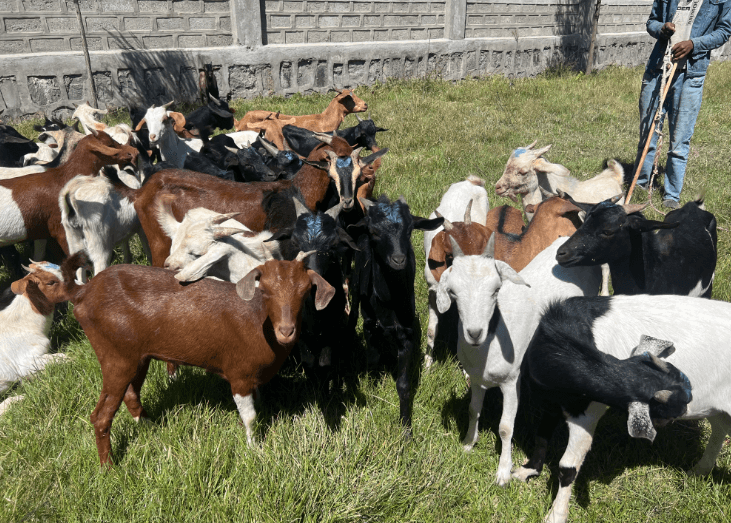
Embrace Relief’s S.E.E.D. (Sustainable Entrepreneurship through Eggs and Dairy) program leverages the benefits of goat farming to empower women in Uganda, Ethiopia, Nigeria, Kenya, and Afghanistan. By providing goats and comprehensive training in animal husbandry and business management, the S.E.E.D. program equips women with the tools they need to build sustainable businesses and achieve financial independence.

The S.E.E.D. program makes a significant impact by providing women with the resources and knowledge needed to build sustainable livelihoods through goat farming. Each participant receives vaccinated goats along with one month of feed and a feeder, ensuring the animals’ health and giving women a strong start in their new ventures. The program also offers comprehensive training in animal husbandry, covering essential skills such as feeding, breeding, and health management. Additionally, participants are taught business skills like market access and financial planning, equipping them to run successful enterprises.

This combination of livestock provision and training empowers women economically by enabling them to generate a steady income through the sale of milk, offspring, and other products. As a result, participants improve their economic status and gain the ability to better support their families, creating a ripple effect of financial stability and community development.

With just $25 a month, you can support a woman in the S.E.E.D. program, providing her with the resources needed to start and maintain a successful goat farming business. Your contribution goes beyond livestock—it empowers women, fosters economic resilience, and contributes to community development.

For more information on Embrace Relief’s S.E.E.D. program, click here!

Donate For Women’s Empowerment

$
Donate Now

What Is Malnutrition?

Malnutrition occurs when a person’s diet lacks the necessary nutrients or contains too many unhealthy components, leading to various health problems. It’s a condition that can affect individuals of all ages, but it is particularly harmful to children, pregnant women, and the elderly. Malnutrition can result in stunted growth, weakened immune systems, cognitive impairments, and even death. There are different forms of malnutrition, including undernutrition (when people don’t get enough calories or nutrients) and overnutrition (when people consume too many unhealthy foods).

Understanding the Causes and Effects of Malnutrition

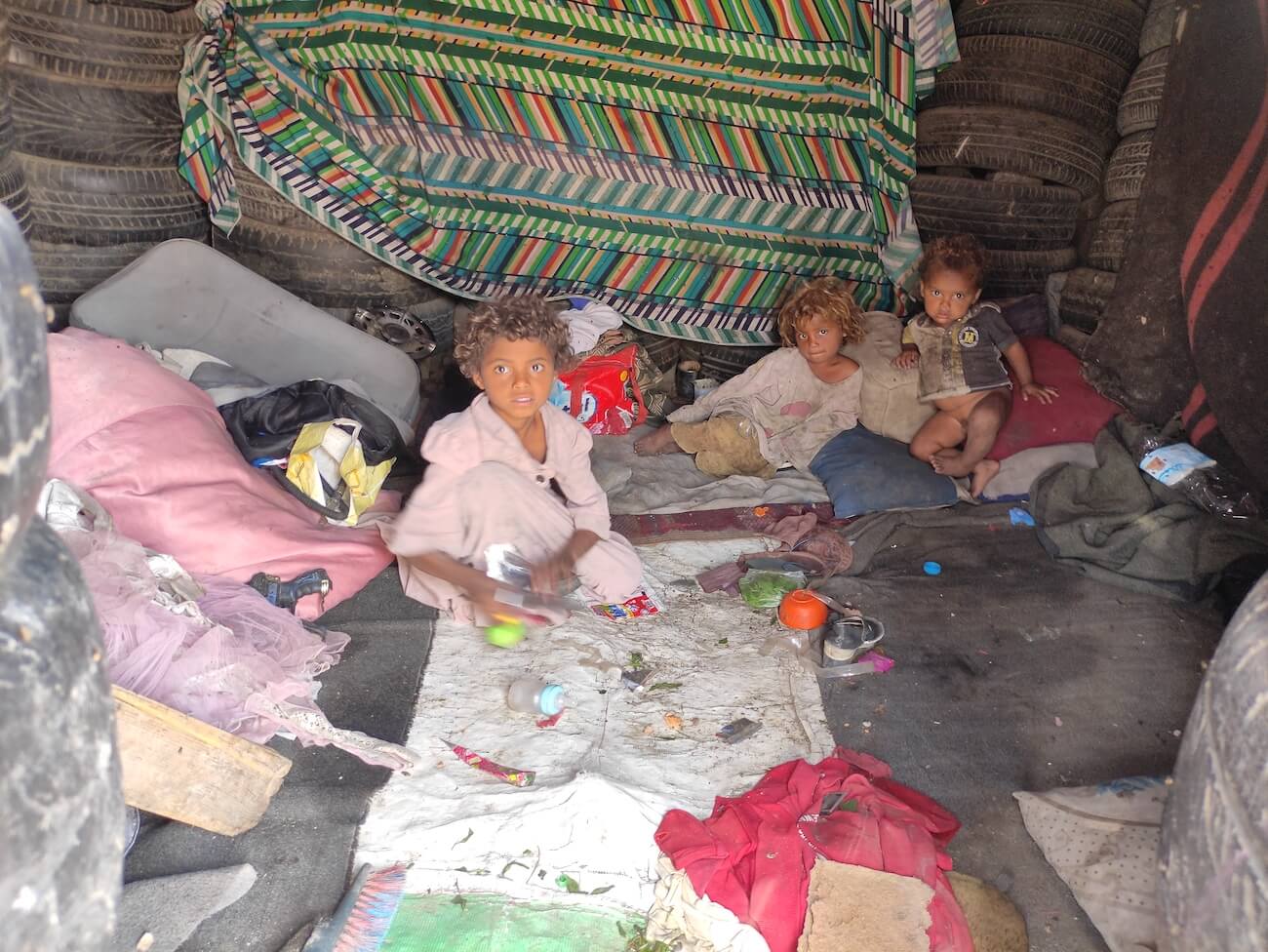
Malnutrition can stem from several factors, including poverty, lack of access to nutritious food, poor dietary practices, and underlying health conditions. In many parts of the world, especially in conflict-affected regions like Yemen, malnutrition is exacerbated by food insecurity and the breakdown of healthcare systems. The impact of malnutrition is devastating, particularly for children who are at a critical stage of growth and development. It can lead to irreversible physical and cognitive damage, making it a significant public health issue.

In Yemen, where ongoing conflict has led to widespread poverty and hunger, millions of people are at risk of malnutrition. The situation is particularly dire for children, with many facing the risk of severe acute malnutrition, a life-threatening condition. Addressing malnutrition requires immediate and sustained efforts to provide access to nutritious food and healthcare.

Embrace Relief’s Yemen Food Distribution: A Lifeline for Vulnerable Families

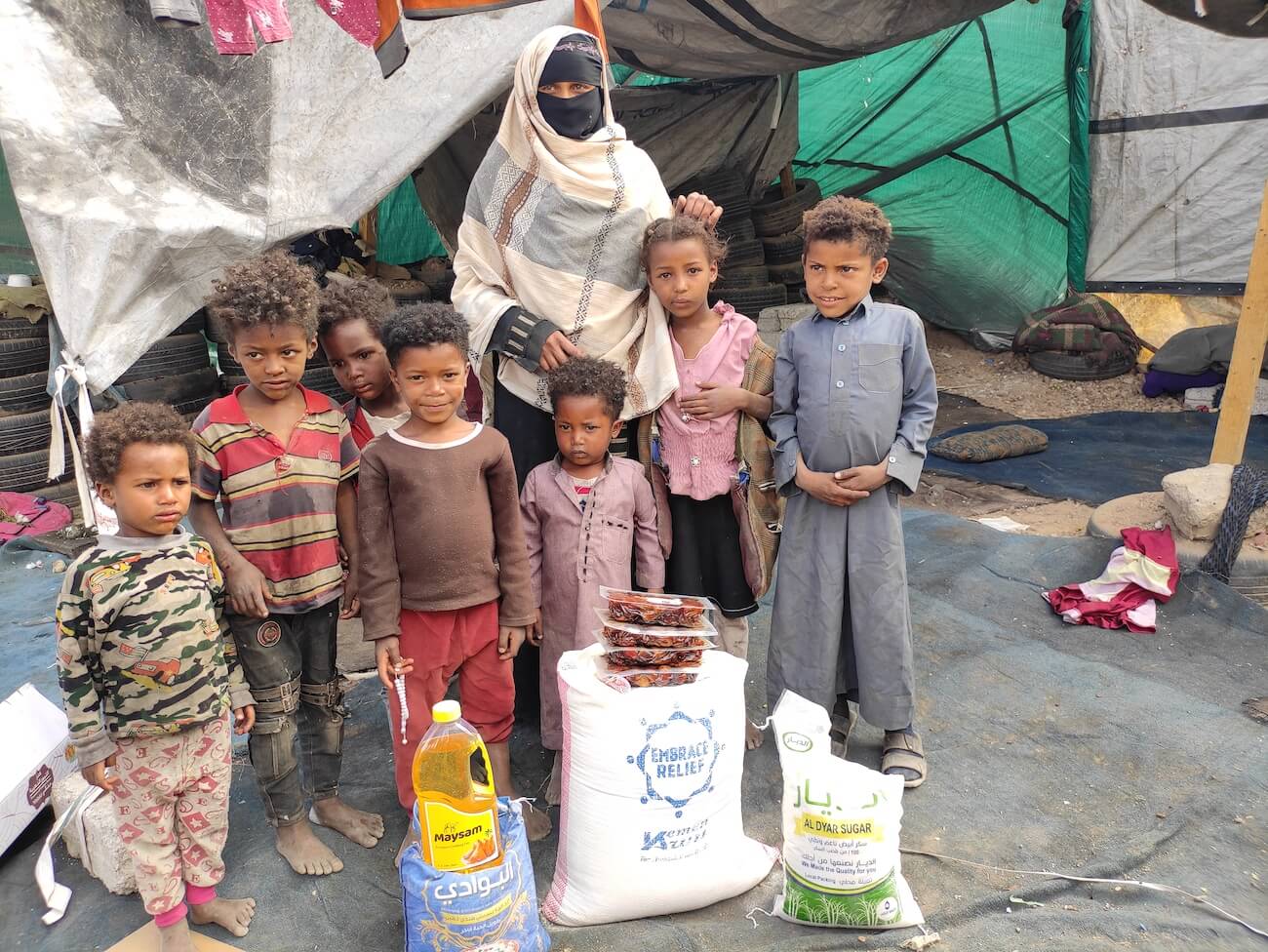
Recognizing the severe impact of malnutrition in Yemen, Embrace Relief has launched our Yemen Food Distribution program. This initiative aims to alleviate hunger and improve nutrition for Yemeni families who are struggling to survive in the face of ongoing conflict and economic instability. With a $50 donation, Embrace Relief can provide a food package filled with essential items that will last a Yemeni family for a full week. These food packages include staple items that are crucial for maintaining a balanced diet and preventing malnutrition.

The Yemen Food Distribution program is not just about providing food; it’s about giving families a chance to survive and thrive. By ensuring that families have access to nutritious food, Embrace Relief is helping to combat malnutrition and improve the overall well-being of those most affected by the crisis in Yemen.

Embrace Relief’s Yemen Food Distribution: A Lifeline for Vulnerable Families

How You Can Help: Support Embrace Relief’s Efforts

The situation in Yemen remains critical, with millions of people still facing poverty, hunger, and the threat of malnutrition. Embrace Relief’s Yemen Food Distribution program is a vital lifeline for those in need, but it cannot continue without the support of generous donors. By contributing to this program, you can help provide essential food supplies to families in Yemen, giving them the nourishment they need to survive.

Every donation makes a difference. With your support, Embrace Relief can continue to provide life-saving food packages to vulnerable families in Yemen, helping to alleviate the devastating impact of malnutrition. Together, we can make a meaningful difference in the lives of those who need it most.

DONATE NOW!