Recent

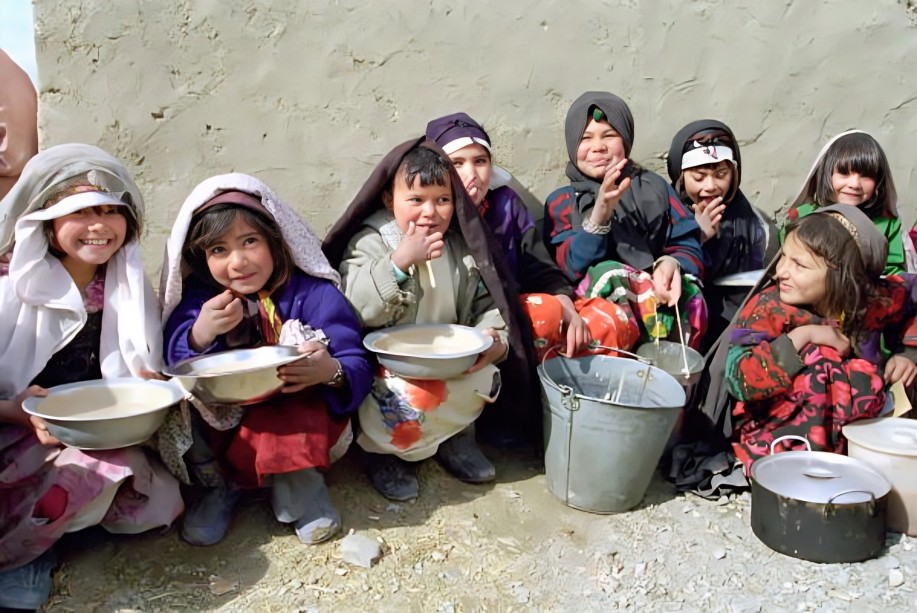
Empowering Afghan Girls: The L.E.A.R.N. Program Making a Difference

Summary

  • The L.E.A.R.N. program provides education and empowerment opportunities for Afghan girls.
  • Safiya, Lima, and Muskan share their inspiring stories of resilience and determination.
  • Join us in supporting the L.E.A.R.N. program to empower more girls in Afghanistan.

The United Nations Sustainable Development Goals (SDGs) are a set of 17 interconnected global With only 22 credits left to graduate high school, most teenagers would be thinking about where to go to college or what they will do on their senior trip. However, for Safiya, she has been waiting to complete these 22 credits for the past two years, and attending university seems like a pipe dream. The truth is simple and bleak; in Safiya’s own words, “I can’t study in Afghanistan.”

In Afghanistan, millions of children, 60% of whom are girls, are unable to attend school due to insecurity, traditional norms, and lack of resources. With an estimated 3.7 million children left out of school, educational opportunities remain scarce, particularly for girls who face limited access to female teachers and girls-only schools and early marriage; according to UNICEF, 17% of girls married before the age of 15. Geographical barriers and insufficient infrastructure throughout the country have only exacerbated the problems. “I haven’t been able to do online classes since the school closed. I want to admit…it’s sad for me when I’m reading online and it’s all self-study. You have to learn everything by yourself through your phone, but there’s problems with the electricity,” said Lima, another young girl trying to finish high school in Afghanistan.

These disparities in education contribute to gender inequality and limit opportunities for women and girls to participate fully in society. But, education is their key to a better future. UNICEF published that each year of schooling for children in Afghanistan increases future wages on average by 3.9%. By providing accessible education, improving learning quality, and enhancing institutional capacity, every child, especially girls, can have the opportunity to learn and thrive.

Embrace Relief has already begun changing this narrative. Just last week, our L.E.A.R.N. program launched in Afghanistan. L.E.A.R.N., which stands for Learning and Education for Afghan girls’ Rights and Needs, is dedicated to providing high-quality education to girls and young women in Afghanistan. By providing access to virtual education, none of the risks present in attending classes in person are present. Safiya, Lima, and Muskan are three young girls that have started attending virtual classes.

Join the Movement: Support Afghan Girls’ Education

While Safiya has been out of school for some time, she has dived fully into this educational opportunity. She is now preparing for the SATs and exploring opportunities to study at universities in the United States with the support of mentors. Lima, who also had to halt her education in 2022, said that the time away from school has made things difficult for her. Now, Lima has found a new path through L.E.A.R.N., having support with her studies and bringing her closer to fulfilling her academic aspirations. “This program helps me see the good side of online learning. I like math, and the math program was really great for me. The program has been really inspiring.” Meanwhile, Muskan sees graduation as her goal and dreams of studying abroad to become a doctor. She thinks that L.E.A.R.N. is “a great opportunity. It’s the best opportunity for everyone to learn online all of the subjects. There’s interesting subjects, like history and math. It’s the best opportunity, and we should work hard at this time to learn a better way [than how it was before].”

Embrace Relief Afghan Girls

For these girls, the L.E.A.R.N. program is not just about academics; it’s about hope, opportunity, and empowerment. The stories of Safiya, Lima, and Muskan are just a glimpse into the transformative power of the L.E.A.R.N. program. With your support, LEARN can continue to break down barriers and provide education and empowerment to more girls in Afghanistan.

Together, let’s stand for gender equality, women’s rights, and women’s empowerment. Your contribution to the LEARN program is more than just a donation; it’s an investment in the future of girls in Afghanistan. We can make a difference and create a world where every girl has the chance to thrive and succeed. Donate to the LEARN program today to not only provide access to education, but to open doors to opportunity and empowerment for girls in need.

For more information on the Embrace Relief L.E.A.R.N. program, click here.

Donate For Women’s Empowerment

$
Donate Now

History of Ramadan – A Journey Through Time

Image by Sketchepedia on Freepik

Summary

  • The history of the holy month of Ramadan is a journey spanning more than 1400 years, originating during the life of the prophet Muhammad and continuing to be observed by billions of Muslims today.
  • Learn answers to questions like “When did Ramadan begin?”, “Why do we observe Ramadan?”, and “How has Ramadan changed through the years?”
  • Find out more about how you can contribute to the spirit of Ramadan by donating to support Embrace Relief’s international humanitarian causes.

The Evolving Observance of Ramadan

Ramadan, the ninth month of the Islamic lunar calendar, holds a profound place in the hearts of Muslims around the globe. It is a time of reflection, devotion, and renewal, marked by the fast from dawn until sunset. This sacred period, established more than 1,400 years ago, is not only a testament to the endurance of faith but also a mirror reflecting the rich tapestry of Islamic history and culture.

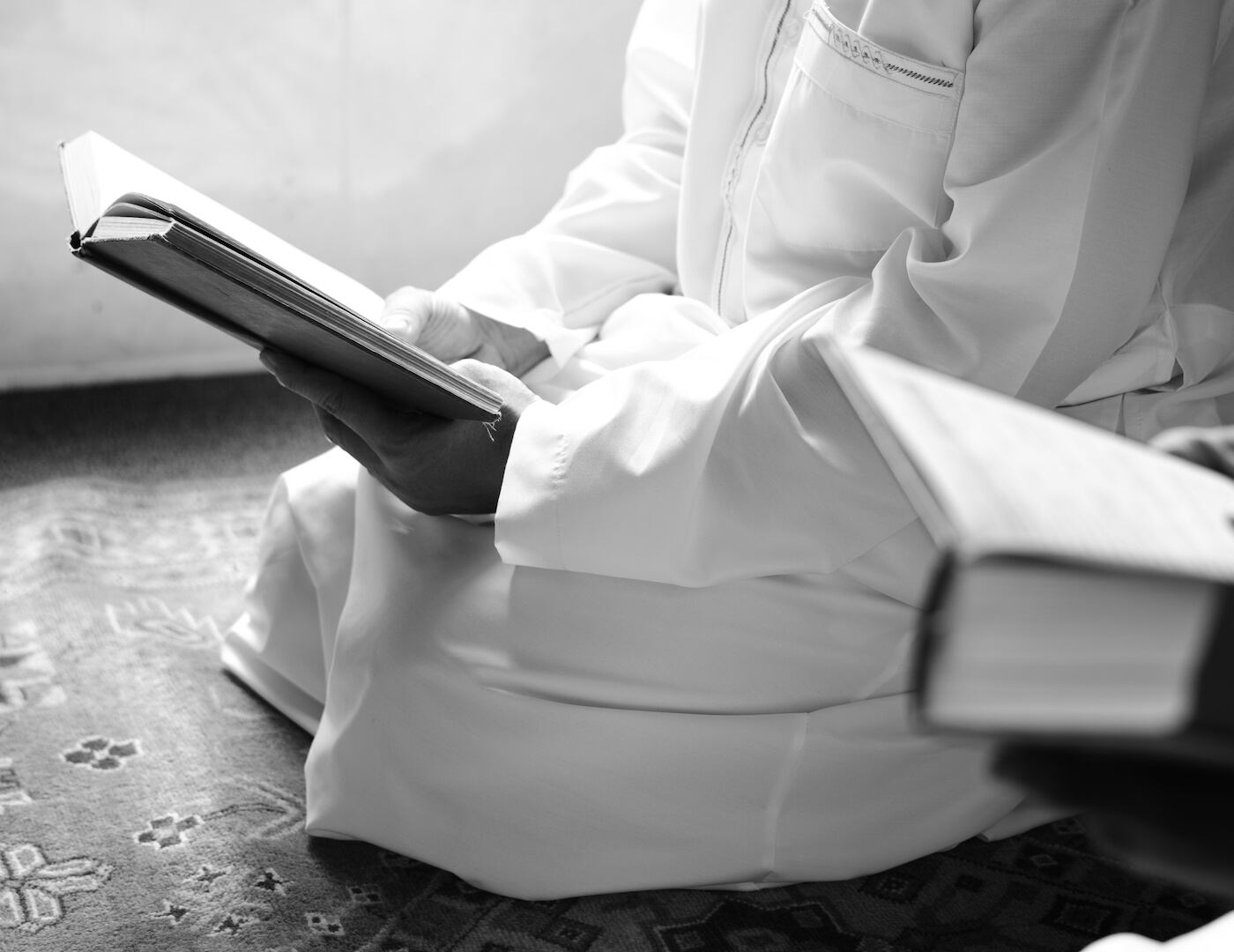
The observance of Ramadan, as commanded in the Quran, is a practice filled with deep spiritual significance. It commemorates the month in which the Quran was revealed to Prophet Muhammad, serving as a guide for personal conduct, spirituality, and community life. Beyond its religious implications, Ramadan has been a catalyst for cultural traditions, social bonds, and historical milestones throughout Islamic history.

As we embark on a “Journey Through Time,” this blog post aims to explore the evolution of Ramadan from its origins to the present day. We will traverse through the ages, from the early days of Islam, across caliphates and empires, through periods of change and challenge, to the global observance of Ramadan in modern times. Each era brought its own traditions, interpretations, and celebrations of Ramadan, enriching the practice with diverse cultural flavors and deepening its significance.

This exploration is not just a historical recount; it’s an invitation to appreciate the enduring spirit of Ramadan that transcends time and geography. It’s a story of how a month of fasting has continued to inspire millions, fostering a sense of unity and purpose across the Muslim world.

Join us as we delve into the history of Ramadan, uncovering the layers of tradition, faith, and community that have shaped its observance through the centuries.

The Origins of Ramadan

The Divine Inception

The inception of Ramadan as a sacred period of fasting is deeply rooted in the Islamic faith, tracing back to a night known as Laylat al-Qadr (the Night of Decree). It was during this blessed night, believed to fall within the last ten days of Ramadan, that the Quran was first revealed to Prophet Muhammad by the angel Gabriel. This momentous event marked the beginning of a new chapter in human history, laying the foundation for the observance of Ramadan.

Establishing Ramadan as a Pillar of Islam

The obligation of fasting during Ramadan was established through Quranic revelation and further emphasized by the Hadiths—sayings and actions of Prophet Muhammad. Fasting during Ramadan was ordained to cultivate piety, self-discipline, and empathy for the less fortunate among the Muslim community. It became one of the Five Pillars of Islam, essential practices that define a Muslim’s faith and practice.

A Journey Through Ramadan Image by desEYEns on Freepik

Early Practices and Significance

In the early days of Islam, the observance of Ramadan was characterized by simplicity and profound devotion. Muslims would fast from dawn until sunset, refraining from food, drink, and other physical needs. The nights were marked by communal prayers (Taraweeh), and the breaking of the fast (Iftar) was typically done with dates and water, following the tradition of Prophet Muhammad.

The significance of Ramadan extended beyond the act of fasting. It was a time for spiritual reflection, increased devotion, and reading the Quran. The communal aspects of Ramadan, such as sharing meals and engaging in extra acts of charity (Zakat and Sadaqah), fostered a strong sense of brotherhood and solidarity among the early Muslim community.

As the early Muslim community embraced the practices and principles established during Ramadan’s inception, the observance of this holy month began to evolve. With the spread of Islam across continents and through the corridors of time, Ramadan’s observance was enriched by diverse cultural influences and historical contexts. From the simplicity and profound devotion of the early days, we now turn our gaze to the era of the Islamic Caliphates, where Ramadan would find new expressions and significance amidst the burgeoning Islamic civilization.

Ramadan in the Early Islamic Caliphates

The Caliphate Era: A Time of Expansion and Consolidation

As Islam spread beyond the Arabian Peninsula, the observance of Ramadan evolved within the burgeoning Islamic empire. The early Islamic Caliphates, starting with the Rashidun and followed by the Umayyad and Abbasid dynasties, played pivotal roles in shaping the practices and traditions of Ramadan. This period marked significant expansion, both territorially and culturally, influencing how Ramadan was celebrated across different regions.

Rashidun Caliphate: Preserving and Promoting Early Traditions

Under the Rashidun Caliphate, the companions of Prophet Muhammad, who had firsthand experience of Ramadan’s early days, emphasized the importance of fasting, communal prayers, and charity. The simplicity and spiritual focus of Ramadan observed during the Prophet’s time were maintained, with a strong emphasis on the Quranic recitation and reflection.

Umayyad Caliphate: The Flourishing of Ramadan Traditions

The Umayyad Caliphate saw the Islamic empire expand dramatically, bringing new cultures and traditions into the fold. This era witnessed the formalization of Taraweeh prayers in congregation and the introduction of the Ramadan lanterns, which became a cultural symbol of the holy month in many Muslim-majority regions. The practice of Iftar and Suhoor began to incorporate a wider variety of foods, reflecting the diverse culinary cultures of the expanding empire.

Abbasid Caliphate: Intellectual and Spiritual Revival

The Abbasid period is often referred to as the Golden Age of Islam, marked by significant advancements in science, literature, and philosophy. During Ramadan, scholars and poets would gather to discuss religious and philosophical matters, enriching the spiritual atmosphere of the month. The tradition of Muktadirs, or public iftars, was established, where rulers would host lavish meals for the public, fostering a sense of community and solidarity.

As the Islamic empire reached new heights under the Abbasid Caliphate, the observance of Ramadan continued to evolve, reflecting the era’s intellectual and cultural renaissance. However, the essence of Ramadan — fasting, prayer, and charity — remained unchanged, serving as a unifying thread through the ages. From the grandeur of the Abbasid era, we move forward to the Ottoman Empire, where Ramadan would be celebrated with even greater splendor and communal spirit, further enriching the tapestry of Islamic tradition.

The Ottoman Empire and Ramadan

Ramadan Under the Ottomans: A Blend of Splendor and Devotion

The Ottoman Empire, with its vast territories spanning Europe, Asia, and Africa, brought a new level of cultural richness and administrative sophistication to the observance of Ramadan. As the empire thrived, so did the traditions of Ramadan, which were celebrated with great fervor and communal spirit across its diverse lands.

The Sultan’s Role in Ramadan Celebrations

The Ottoman Sultans played a central role in the Ramadan observance, embodying the unity of political and spiritual leadership. They participated in and often led the Taraweeh prayers, reinforcing the significance of communal worship during the holy month. The tradition of the Mahya lights, where mosques were adorned with illuminated messages of faith between their minarets, became a hallmark of Ottoman Ramadan, symbolizing the light of Islam.

Cultural Expressions of Ramadan

The Ottoman Empire was renowned for its cultural contributions, and Ramadan was no exception. One of the most enduring traditions was the Ramadan drummers, who roamed the streets to wake people for Suhoor, the pre-dawn meal. The empire’s capital, Istanbul, became a vibrant center of Ramadan nights, with markets, public readings of the Quran, and Sufi gatherings that attracted people from all walks of life.

Public and Charitable Practices

Charity, a key aspect of Ramadan, was significantly emphasized in the Ottoman period. The Sultans and wealthy individuals sponsored public iftars, feeding thousands of people, including travelers, the poor, and students. This practice not only reinforced the social welfare aspect of Ramadan but also fostered a strong sense of community among the empire’s diverse populace.

As the Ottoman Empire nurtured and expanded the traditions of Ramadan, it left a lasting legacy that continues to influence modern observances of the holy month. However, the advent of colonialism and the transition to modern nation-states introduced new dynamics to the practice of Ramadan. Moving forward, we explore how colonial and post-colonial influences shaped Ramadan observances and how Muslims adapted their sacred traditions to changing political and social landscapes.

Colonial and Post-Colonial Ramadan Observances

Navigating Change: Ramadan in the Colonial Era

The colonial period introduced significant challenges and transformations to Muslim-majority regions, impacting various aspects of life, including the observance of Ramadan. Colonial powers often imposed Western norms and schedules that conflicted with Islamic practices, leading to a complex negotiation of identity and faith for many Muslims. Despite these challenges, Ramadan remained a resilient symbol of Islamic identity and resistance against cultural assimilation.

Adaptation and Resistance

In the face of colonial rule, Ramadan became a focal point for the preservation of Islamic culture and traditions. Muslims found ways to adapt their Ramadan observances to the new realities without compromising the essence of their faith. In some regions, Ramadan even served as a catalyst for anti-colonial movements, with fasting and communal iftars reinforcing solidarity among Muslims.

Post-Colonial Revival and Innovation

The post-colonial period saw a resurgence of Islamic identity and a reclamation of cultural and religious practices, including Ramadan. Newly independent Muslim-majority countries sought to revive and promote Islamic traditions as part of nation-building efforts. This era witnessed the revitalization of Ramadan observances, with an emphasis on cultural heritage, national identity, and the reintegration of Islamic practices into public life.

Modern Times and Global Observance of Ramadan

In contemporary times, Ramadan observances have been marked by a blend of tradition and modernity. The global Muslim community, now more connected than ever through media and technology, shares and exchanges Ramadan traditions, fostering a sense of unity and global ummah. However, Muslims in different parts of the world also navigate the challenges of observing Ramadan in predominantly non-Muslim societies, balancing work, education, and fasting.

From the colonial challenges to the post-colonial revival, the observance of Ramadan has demonstrated remarkable adaptability, reflecting the enduring strength and flexibility of Islamic traditions. As we move into the modern era, the global observance of Ramadan continues to evolve, shaped by technological advancements, globalization, and the diverse experiences of Muslims around the world. This next section will delve into how contemporary Muslims observe Ramadan, highlighting both the challenges and innovations that characterize the holy month in the 21st century.

Colonial and Post-Colonial Ramadan Observances

Navigating Change: Ramadan in the Colonial Era

The colonial period introduced significant challenges and changes to the Islamic world, including shifts in the observance of Ramadan. Colonial powers often imposed restrictions on religious gatherings and altered the social and economic landscapes of Muslim-majority regions. Despite these challenges, Ramadan remained a potent symbol of faith and resistance, with Muslims finding ways to preserve their traditions and identity.

Adaptation and Resistance

In the face of colonial rule, the observance of Ramadan became an act of cultural and religious affirmation. In many regions, Muslims used the month of Ramadan to strengthen community bonds and assert their Islamic identity. This period saw the emergence of informal gatherings for Taraweeh prayers and community iftars as a means of maintaining religious practices and social cohesion discreetly.

Post-Colonial Revival of Ramadan Traditions

The post-colonial era marked a significant turning point for Muslim-majority countries, many of which sought to revive and institutionalize Islamic traditions as part of nation-building efforts. Ramadan observances became more public and widespread, with governments and newly established religious institutions playing a key role in organizing Ramadan activities. This period witnessed a resurgence of public iftars, state-sponsored Ramadan tents, and increased media coverage of Ramadan events, reflecting a renewed emphasis on Islamic identity and heritage.

Modern Challenges and Innovations

The transition to modern nation-states also brought new challenges to Ramadan observances, including urbanization, globalization, and the fast pace of modern life. Muslims around the world have adapted to these changes, incorporating new technologies and platforms to facilitate Ramadan practices. From virtual Taraweeh prayers to online Zakat calculators and live-streamed religious lectures, the modern era has seen innovative approaches to observing Ramadan in a rapidly changing world.

As we’ve seen, the colonial and post-colonial periods were times of both challenge and revival for Ramadan observances. These historical moments set the stage for the contemporary global observance of Ramadan, which continues to evolve in response to new social, technological, and environmental challenges. Next, we explore how Ramadan is observed in today’s interconnected and digital world, highlighting the enduring spirit of this sacred month across diverse Muslim communities.

Modern Times and Global Observance of Ramadan

The 21st Century: A New Era for Ramadan

In the 21st century, Ramadan continues to be a time of deep spiritual reflection, community, and charity for Muslims around the world. However, the global observance of this sacred month has been shaped by unprecedented connectivity, technological advancements, and the challenges of modern life. These factors have introduced new dimensions to the practice of Ramadan, making it a truly global experience.

Technology and Connectivity

The digital age has transformed the way Muslims observe Ramadan. Online platforms and social media allow for the sharing of iftar recipes, spiritual reflections, and live-streamed Taraweeh prayers from Mecca and Medina, bringing the global Muslim community closer. Apps for Quran reading, prayer times, and Zakat calculation have become invaluable tools, helping Muslims fulfill their religious obligations with greater ease and precision.

Global Challenges and the Spirit of Ramadan

Contemporary global challenges, including conflicts, climate change, and the recent pandemic, have impacted Ramadan observances. Restrictions on gatherings have led to more intimate iftar meals at home and virtual community events. Yet, these challenges have also underscored the essence of Ramadan—empathy, resilience, and the importance of supporting those in need. The spirit of charity and community support has been evident in global initiatives to provide relief and assistance to those affected by crises during Ramadan.

Cultural Exchange and Diversity

The global observance of Ramadan showcases the rich diversity within the Muslim community. In multicultural societies, Ramadan has become an opportunity for cultural exchange and interfaith dialogue, with iftar dinners bringing together people of different faiths and backgrounds. This openness enriches the Ramadan experience, promoting mutual understanding and respect.

Looking Forward: The Future of Ramadan Observance

As we look to the future, the observance of Ramadan is likely to continue evolving, shaped by ongoing technological innovations and the changing dynamics of the global community. However, the core principles of fasting, prayer, and charity that define Ramadan remain unchanged, continuing to guide Muslims in their spiritual journey.

Reflecting on the journey of Ramadan through the ages—from its origins to its modern global observance—highlights the enduring relevance and adaptability of this sacred month. As we embrace the traditions of Ramadan and adapt to new challenges, the holy month remains a powerful source of spiritual renewal, community bonding, and social justice for Muslims worldwide.

Embracing the Comprehensive Role of Zakat

As we conclude our exploration of Ramadan through the ages, it’s evident that this sacred month has not only endured but thrived, adapting to the myriad changes across centuries and cultures. From its origins in the deserts of Arabia to the bustling cities of the modern world, Ramadan has remained a beacon of faith, discipline, and community for Muslims everywhere.

The Timeless Essence of Ramadan

Despite the evolution of practices and the introduction of new traditions, the core essence of Ramadan—fasting, prayer, reflection, and charity—has remained unchanged. These pillars have continued to guide Muslims in their spiritual journey, fostering a sense of unity and purpose that transcends geographical and cultural boundaries.

Ramadan: A Catalyst for Social Justice and Community Welfare

Beyond its spiritual significance, Ramadan has played a crucial role in promoting social justice and community welfare. The practice of Zakat, intensified during Ramadan, exemplifies Islam’s commitment to alleviating poverty and supporting those in need. This tradition of giving has not only provided immediate relief to countless individuals but has also contributed to the long-term development of communities around the globe.

The Future of Ramadan Observance

Looking forward, the observance of Ramadan is set to continue evolving, reflecting the dynamic nature of the Muslim faith and its ability to adapt to changing times. The challenges of the modern world, including issues of inequality, environmental sustainability, and global connectivity, offer new opportunities for Muslims to live out the values of Ramadan in innovative ways.

Renewing Faith and Fostering Unity

As we embrace the future, let us renew our commitment to the principles of Ramadan, using this time not only for personal reflection but also for taking action on the pressing issues facing our world. Let us harness the spirit of Ramadan to foster unity within the global Muslim community and beyond, working together towards a more just and compassionate world.

Donate Your Zakat and Be a Catalyst for Positive Change

In the spirit of Ramadan, consider contributing your Zakat towards initiatives that strive for social justice, environmental stewardship, and community development. By directing our Zakat through trusted platforms and organizations, we can ensure that our contributions make a meaningful impact on the lives of those in need.

Fulfill Your Zakat and Join the Movement Towards a Better World

As we move forward, let the history of Ramadan inspire us to uphold its timeless values, adapting them to meet the challenges and opportunities of our time. In doing so, we honor the legacy of Ramadan and contribute to a future where its principles continue to illuminate the path towards spiritual fulfillment and social harmony.


Empowering Communities: The Impact of Zakat Through Embrace Relief

Summary

  • What is Zakat, and what role does Zakat play in bringing about a more just and equal society?
  • Learn more about how your Zakat donation to Embrace Relief can provide critical support for vulnerable people in need around the world.

Zakat, one of Islam’s five pillars, is not only a spiritual duty but also a powerful tool for social change. At Embrace Relief, we recognize the potential of Zakat to address inequality and support those in need. This blog outlines our commitment to using Zakat effectively to empower marginalized communities and foster sustainable development.

The Role of Zakat in Social Equity

Zakat is fundamentally about redistributing wealth and reducing socio-economic disparities. At Embrace Relief, we channel Zakat contributions to support various programs designed to uplift individuals and communities from the cycle of poverty – including hunger relief, providing clean water, aiding disaster victims, and supporting education for underprivileged children. Our approach ensures that Zakat serves its intended purpose of aiding those who are most vulnerable.

Addressing Poverty with Sustainable Solutions

Understanding that alleviating poverty requires more than temporary relief, Embrace Relief focuses on sustainable development projects. While specific project details and outcomes vary, our initiatives often include support for education, healthcare, and economic development, aiming to provide long-term solutions that empower communities to break free from poverty.

Recognizing education and healthcare as pillars of sustainable development, Embrace Relief dedicates a portion of Zakat funds to these critical areas. Our education programs aim to increase access to schooling and vocational training, while our healthcare initiatives focus on improving access to medical services in underserved regions. These efforts are grounded in the belief that everyone deserves the chance to lead a healthy, productive life.

Empowering Marginalized Communities

Empowerment is at the heart of our mission. By providing resources and support, we help individuals gain the skills and opportunities needed to transform their lives and communities. Whether through small business grants, agricultural projects, or educational scholarships, our goal is to enable self-sufficiency and economic independence.

Modernizing Zakat Collection and Distribution

Embrace Relief leverages technology to enhance the efficiency and transparency of Zakat collection and distribution. Our online platform allows donors to easily contribute their Zakat, while also seeing the tangible impact of their donations. This modern approach ensures that Zakat reaches those in need quickly and effectively.

Give Your Zakat with Embrace Relief

Join Us in Making a Difference

Embrace Relief is committed to harnessing the power of Zakat to create a more just and compassionate world. Through strategic initiatives and community support, we strive to address the root causes of poverty and inequality. Your Zakat can make a significant difference in the lives of those we serve.

We invite you to contribute your Zakat to Embrace Relief, joining us in our mission to empower communities and promote social justice. Together, we can achieve lasting change.

Contribute your Zakat and support sustainable change!

Why is Zakat important?

Summary

  • Zakat is one of the Five Pillars of Islam, an obligation for all Muslims who possess a certain amount of wealth.
  • Learn about the role Zakat plays in purifying an individual’s spirit, as well as how it works to bring communities together.
  • Learn how you can give your Zakat to Embrace Relief and ensure that your donation supports one (or more) of our eight international humanitarian programs.

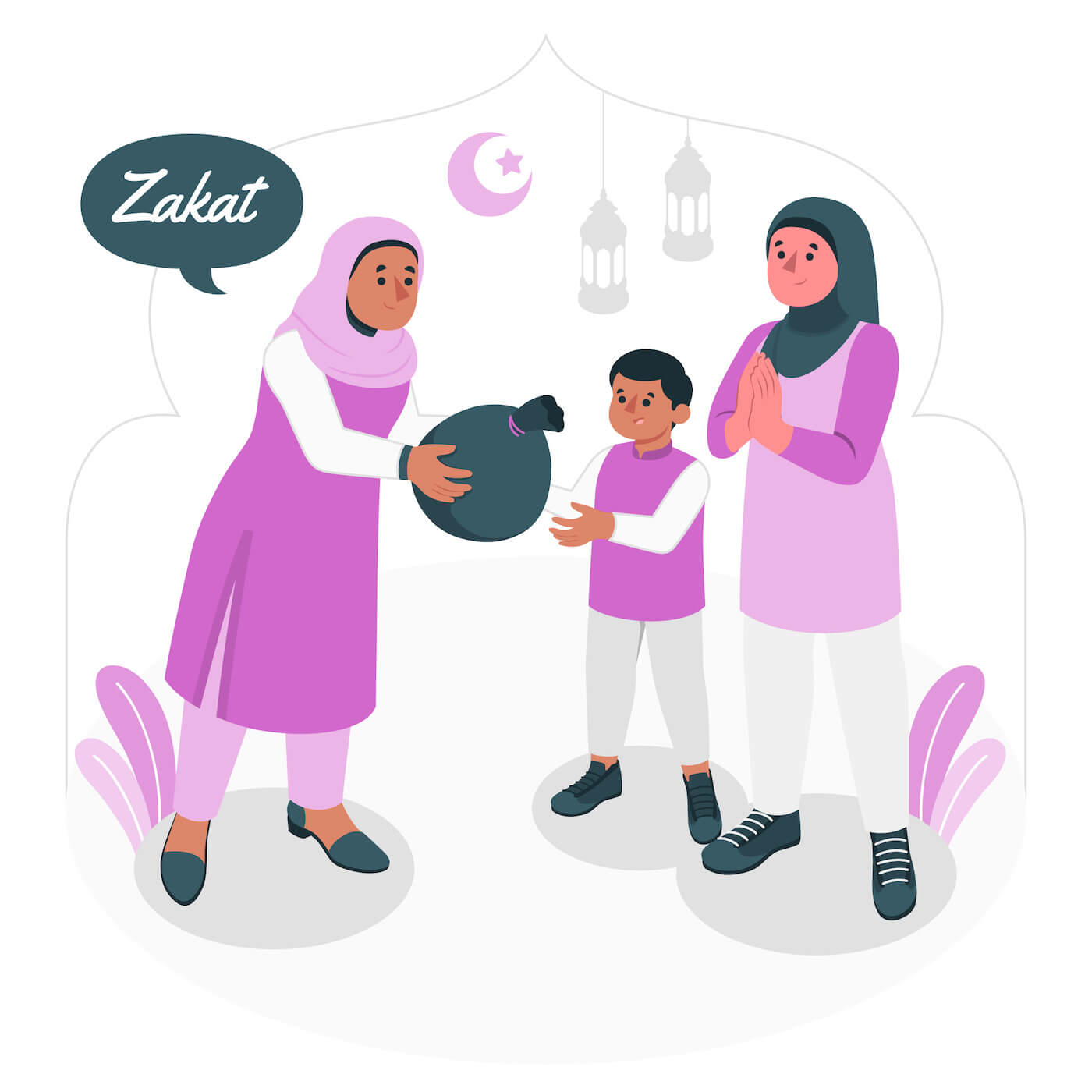
In Islam, the concept of Zakat holds a pivotal position both in religious doctrine and social welfare. It is a form of obligatory almsgiving for Muslims who possess wealth above a certain threshold. Derived from the Arabic root “z-k-w,” meaning “to cleanse” or “to purify,” Zakat serves as a purification of one’s wealth and soul, fostering compassion, equity, and solidarity within the Muslim community and beyond.

What is Zakat?

Zakat is one of the Five Pillars of Islam, alongside Shahada (faith), Salah (prayer), Sawm (fasting), and Hajj (pilgrimage). It constitutes an annual charitable contribution, typically calculated as 2.5% of one’s wealth and assets minus liabilities, for those who meet specific criteria. These criteria include being of sound mind, possessing wealth exceeding a designated threshold known as nisab, and having exceeded that threshold for a full lunar year.

The distribution of Zakat is specified in the Quran, where eight categories of recipients are identified, including the poor, needy, those carrying debt, and wayfaring travelers. People and organizations who collect and distribute funding for these groups are also eligible to receive Zakat. By asking for the willful sharing of one’s own wealth with one’s brothers and sisters in need, Zakat plays a critical role in alleviating poverty, fostering social cohesion, and upholding economic justice within the Muslim community.

Why do Muslims practice Zakat?

The practice of Zakat is deeply rooted in Islamic teachings and reflects core values such as compassion, justice, and stewardship. It serves as a tangible expression of faith, reminding Muslims of their interconnectedness and responsibility towards those less fortunate.

Firstly, Zakat is a means of fulfilling one’s religious duty and seeking closeness to the Divine. It is viewed as a form of worship, an act of obedience to Allah’s commandments, and an opportunity for spiritual growth through selflessness and generosity.

Secondly, Zakat promotes social solidarity by redistributing wealth from the affluent to the marginalized segments of society. It bridges the gap between the rich and the poor, fostering empathy and mutual support within the Muslim community.

Thirdly, Zakat acts as a mechanism for economic empowerment, social justice, and poverty alleviation. By providing financial assistance to the disadvantaged, Zakat enables them to meet their basic needs, access education and healthcare, and ultimately break the cycle of poverty.

Why is paying Zakat important?

Paying Zakat holds immense significance within Islam, embodying principles of social cohesion, compassion, and gratitude. Its importance transcends mere financial transactions, encompassing spiritual, ethical, and communal dimensions.

First and foremost, Zakat serves as a means of purifying one’s wealth and soul. By giving away a portion of their earnings, Muslims cleanse their wealth from the taint of greed and selfishness, thereby fostering a sense of contentment and spiritual well-being.

Moreover, Zakat is instrumental in addressing socioeconomic disparities and promoting equitable distribution of resources. In a world plagued by poverty, inequality, and exploitation, Zakat serves as a potent tool for social transformation, empowering the marginalized and upholding the dignity of every individual.

Furthermore, paying Zakat cultivates a culture of compassion and solidarity within the Muslim community. It fosters empathy and mutual support, strengthening the bonds of brotherhood and sisterhood among believers.

From a broader perspective, Zakat contributes to the welfare and stability of society as a whole. By alleviating poverty, supporting vulnerable groups, and promoting economic justice, Zakat helps create a more inclusive, harmonious, and resilient community.

Freedom is everything: A refugee in Greece tells her story

Make your Zakat donation count with Embrace Relief

With Ramadan 2024 upon us, you may be asking, “Where can I donate my Zakat?” As an organization dedicated to improving the living conditions of people around the world, Embrace Relief is a valid recipient of all Zakat donations. Our eight humanitarian programs reach some of the world’s most vulnerable people, providing them the means and the support they need to survive and thrive.

Giving your Zakat to Embrace Relief is quite simple. Just click on our Zakat calculator page and use the free calculator to determine your obligation. Then, with just one click, you can donate your Zakat to Embrace Relief, enabling us to provide food, water, shelter, education and other critical needs to people in more than 40 countries around the world.

Make your Zakat go further with Embrace Relief this year, and donate today!

What Is Women’s Empowerment?

Summary

  • Women’s empowerment is giving women freedom and autonomy to make choices
  • Through four initiatives, Embrace Relief works to uplift women in Africa and the Middle East
  • Donate today to make a difference this International Women’s Day!

As International Women’s Day on March 8th draws close, the global spotlight has turned to a topic that resonates deeply with us all: women’s empowerment. Yet, amid the buzzwords of feminism, gender equality, and women’s rights, the true essence of empowerment is often not discussed. What does it mean to empower women?

In Western societies, the advancement of women is often linked to pivotal moments in the historical struggle for women’s rights. This movement is typically divided into three phases: the first, occurring in the 19th and early 20th centuries, centered on suffrage; the second, in the 1960s, emphasized the sexual revolution and women’s societal roles. The onset of third-wave feminism is commonly traced back to the 1990s. The promotion of women’s empowerment and rights has become integral to a significant global movement, which has made notable strides in recent times. Events such as International Women’s Empowerment Day are gaining increasing traction. However, despite considerable advancements, women and girls still encounter discrimination and violence across all regions of the globe.

Women’s empowerment embodies the fundamental principle of equality; advocating for the rights, dignity, and agency of women in all spheres of life. From rural villages to urban centers, women’s empowerment initiatives play a transformative role in breaking down barriers, challenging stereotypes, and fostering inclusive societies where every woman has the opportunity to thrive. It’s a win-win for society as a whole; as women are given more opportunities, they can support their families and give future generations the chance to thrive.

Embrace Relief’s Empowerment Initiatives: Transforming Lives, One Program at a Time

This International Women’s Day, join Embrace Relief in our mission to empower women worldwide. Through our Empower Her Without Borders campaign, we aim to raise $5,000 to support women’s education, skills development, and leadership initiatives globally. Donate to this campaign now, using the donation box below, and you can help us make a meaningful difference in the lives of women and communities, helping us create a more equitable and inclusive world for all.

As we celebrate International Women’s Day and reflect on the progress made in advancing women’s rights and empowerment, it’s crucial to recognize that there is still much work to be done. Gender inequalities persist in various forms, limiting the potential and opportunities of millions of women worldwide. By supporting initiatives that empower women, we can create a more just, equitable, and sustainable future for all.

Women Empowerment Embrace Relief

Donate For Women’s Empowerment

$
Donate Now

Exploring the Spiritual Benefits of Zakat: A Journey of Faith and Giving

Introduction: Understanding the Core of Zakat

Zakat, a pillar of Islam, is often recognized for its economic and social benefits. However, its spiritual significance is equally profound, shaping the very essence of a Muslim’s faith and practice. This blog post delves deep into the spiritual journey that Zakat invites every Muslim to embark upon, exploring its impact on personal growth and community welfare.

Zakat: A Tool for Spiritual Purification

At its heart, Zakat is a means of purifying one’s wealth and soul. In Islam, wealth is more than material assets; it’s a blessing from Allah, and purifying it through Zakat is an act of gratitude and humility. This purification process extends beyond the physical realm, cleansing the giver’s heart of greed and fostering a sense of selflessness and empathy.

Building Brotherhood and Empathy

Zakat strengthens the bonds of brotherhood in the Muslim community. It’s a reminder of the social responsibility each Muslim holds, fostering a culture of empathy and solidarity. This communal aspect of Zakat is pivotal in building a supportive and caring Ummah, where the needs of the less fortunate are actively addressed.

Reflecting Faith and Obedience

The act of giving Zakat is a reflection of a Muslim’s faith and obedience to Allah’s commands. It’s an expression of trust in Allah’s provisions and a commitment to follow His guidance. This obedience is a cornerstone of a Muslim’s spiritual journey, enhancing their connection with the divine.

The Societal Impact of Zakat

The spiritual benefits of Zakat resonate at both individual and societal levels. It promotes social justice, reduces economic disparities, and ensures equitable distribution of wealth. These outcomes align with the core Islamic values of fairness, generosity, and care for the community.

Zakat in the Modern World

In today’s globalized world, the practice of giving Zakat has taken on new dimensions. Online platforms have made it easier to calculate and distribute Zakat, ensuring that it reaches those in need efficiently and transparently. This modern approach to Zakat has opened doors for greater impact and participation.

Unveiling the Spiritual Essence of Zakat: Enrich Your Ramadan Giving

Conclusion: Embracing Zakat’s Spiritual Essence

As we reflect on the spiritual essence of Zakat, we recognize it as more than a financial obligation; it’s a spiritual journey that enriches our faith and unites us with our global Muslim community. Fulfilling this pillar is not just about compliance with a religious duty but an opportunity for personal growth and communal harmony.

In this spirit of communal support and spiritual growth, consider extending your Zakat to those who need it most. Through Embrace Relief, your Zakat can become a beacon of hope and support, reaching across continents to touch lives and uplift communities. Your contribution, big or small, can make a significant difference.

Transform lives with your Zakat, and donate now!

5 Iftar Ideas for Ramadan

Introduction

As the crescent moon heralds the arrival of Ramadan 2025, Muslims around the globe prepare for a month of spiritual rejuvenation. Central to this holy month is iftar, the meal to break the day’s fast. It’s a time not just for physical nourishment but for fostering community spirit and gratitude. This year, let’s explore iftar ideas that are not only delicious but also imbued with nutritional benefits, perfect for those observing the fast.

1. Traditional Iftar: A Nourishing Start

Begin your Iftar with dates, a nutrient powerhouse rich in natural sugars, fiber, and minerals, providing a quick energy boost. Accompany them with a glass of milk for a dose of protein and hydration. Follow this with harira, a Moroccan soup that’s a symphony of lentils, chickpeas, tomatoes, and fragrant spices like cinnamon and turmeric. This dish not only warms the soul: it is also packed with protein and fiber, aiding in digestion and keeping you full longer during your fast.

2. Healthy Iftar: Wholesome and Satisfying

A balanced iftar is key to maintaining good health during Ramadan. Opt for a dish like grilled chicken or salmon, seasoned with herbs and served alongside a nutritious, colorful salad of leafy greens, cherry tomatoes, cucumbers, and olives. This combination provides essential proteins, healthy fats, and antioxidants. Complement it with a side of lentil soup – a comforting dish that’s gentle on the stomach yet filling – to boost your energy levels for the night’s prayers.

5 Iftar Ideas for Ramadan 2024

3. Quick and Easy Iftar: Time-Saving Delights

For those with limited time, a one-pot vegetable-and-rice pilaf can be a lifesaver. Use brown rice for its whole-grain benefits, and throw in a mix of vegetables like carrots, peas, and bell peppers for a fiber-rich meal. Alternatively, a chicken stir-fry with a medley of quick-cooking vegetables like broccoli, snap peas, and mushrooms offers a perfect balance of protein and vitamins, keeping the meal nutritious yet convenient.

4. Kid-Friendly Iftar: Fun and Nutritious

Engaging children in Ramadan can be delightful with the right meal. Try mini chicken-and-cheese quesadillas, which are not only tasty, but also provide a good mix of protein and calcium. Pair them with fruit skewers dipped in yogurt, offering a fun and healthy dessert option. These easy-to-make meals are great for teaching kids about balanced eating during Ramadan.

5. International Iftar: Culinary Exploration

Bring the flavors of the Islamic world to your table with international dishes. Turkish Mercimek Köftesi, made from red lentils, bulgur, and herbs, is a light yet fulfilling option, rich in protein and fiber. Or explore Indonesian cuisine with Nasi Goreng, a flavorful fried rice dish that can be loaded with vegetables and lean protein, making it a balanced and satisfying meal.

Embrace Relief Ramadan 2024: Celebrate with Taste and Purpose

Sharing Our Blessings

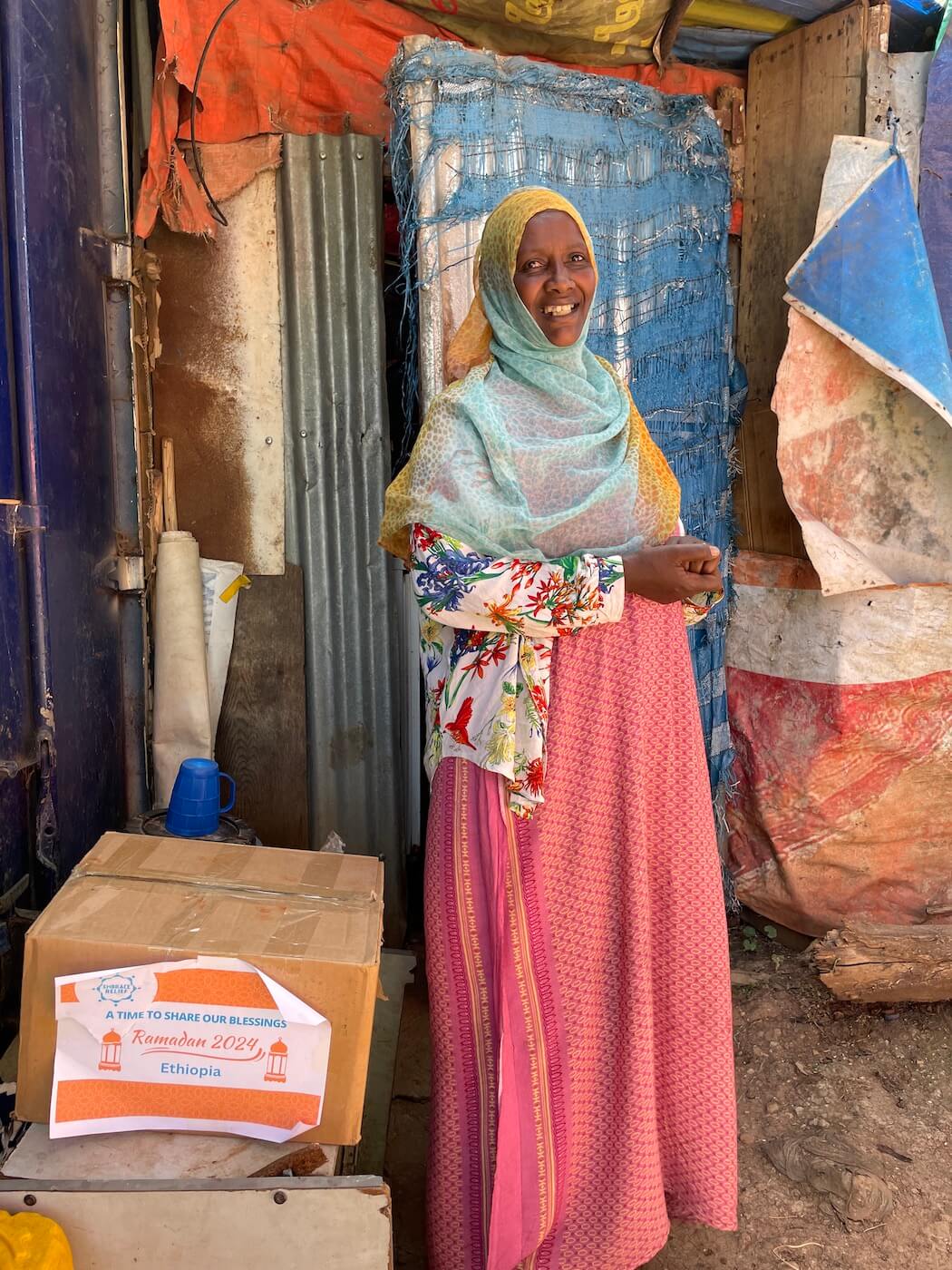
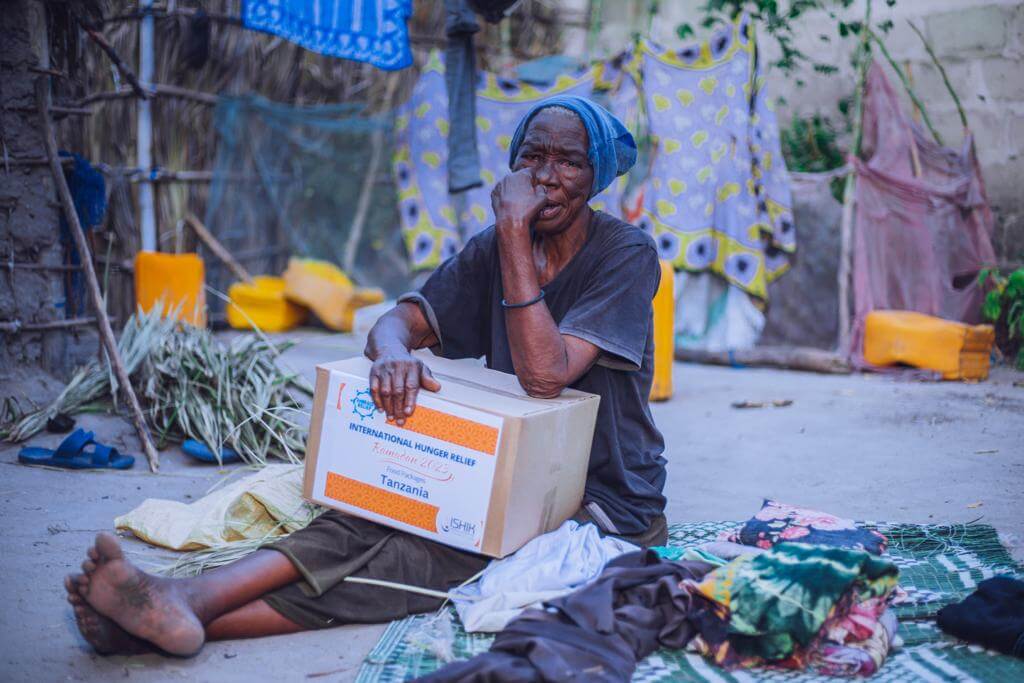
As we savor the variety and diversity of iftar meals, let’s also turn our thoughts to those in need. During this holy month, embrace the spirit of giving by supporting Embrace Relief’s International Hunger Relief: Ramadan 2025 campaign. Your donation will help us provide life-saving food packages to tens of thousands of people in over a dozen countries.

By sharing your blessings, you can provide essential iftar meals to underprivileged families, creating a world where all can experience the joy that comes with a satisfying, nourishing meal. Donate today using the box below!

First Class of Women Triumph: Celebrating Graduates of the R.I.S.E. Program

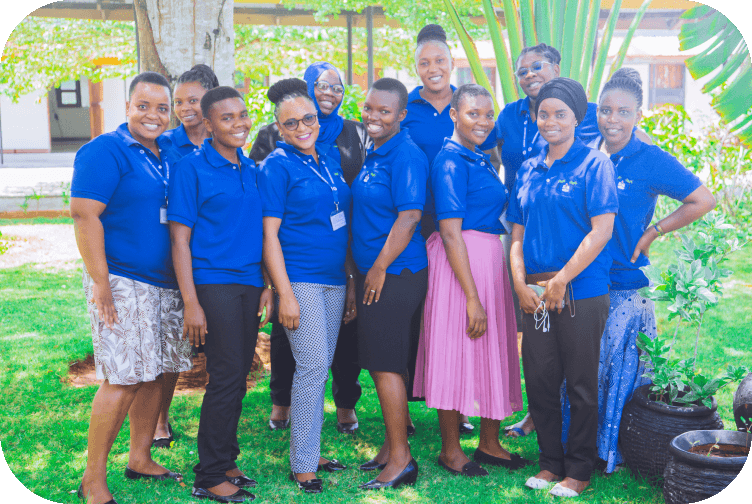
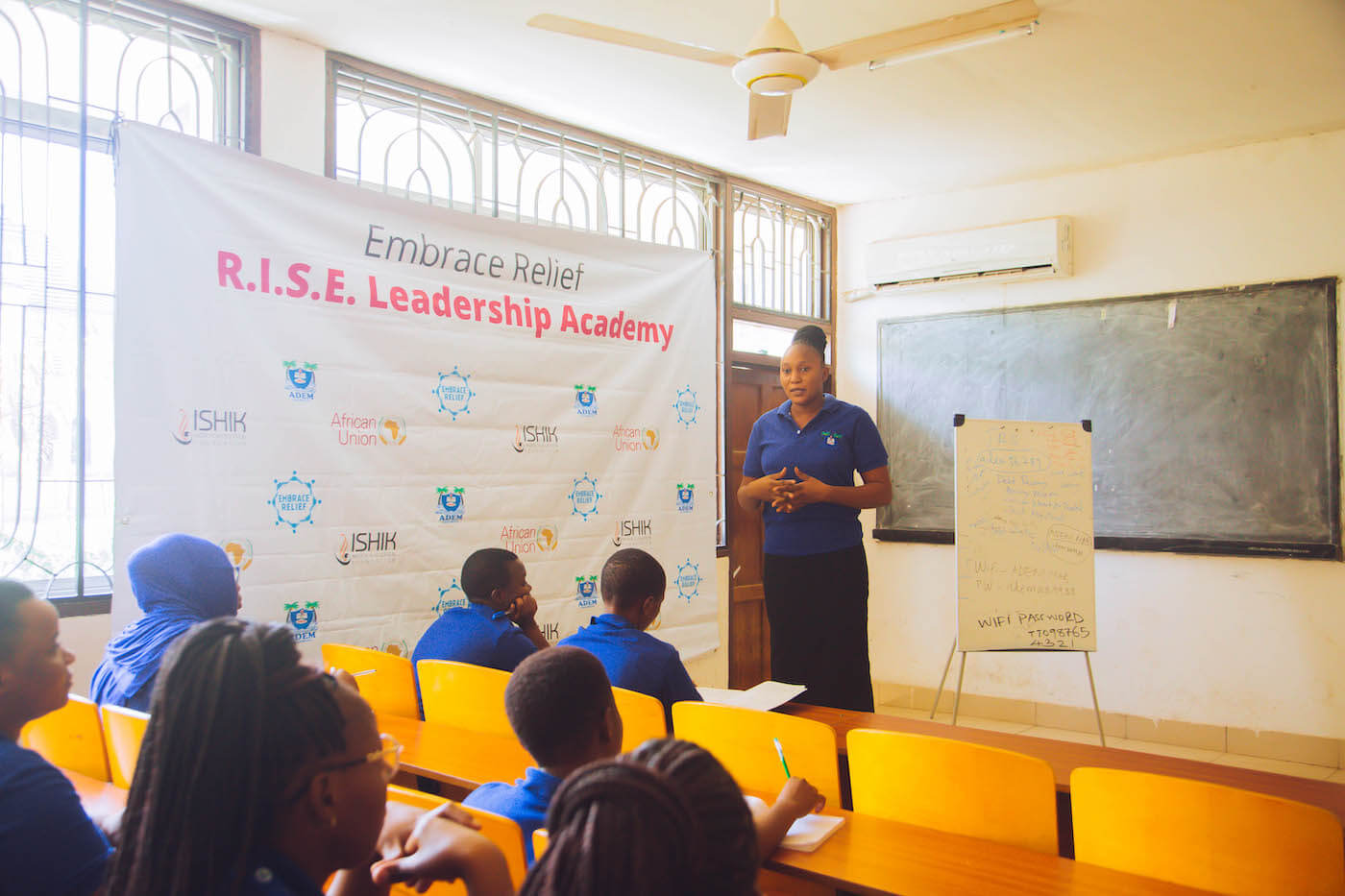
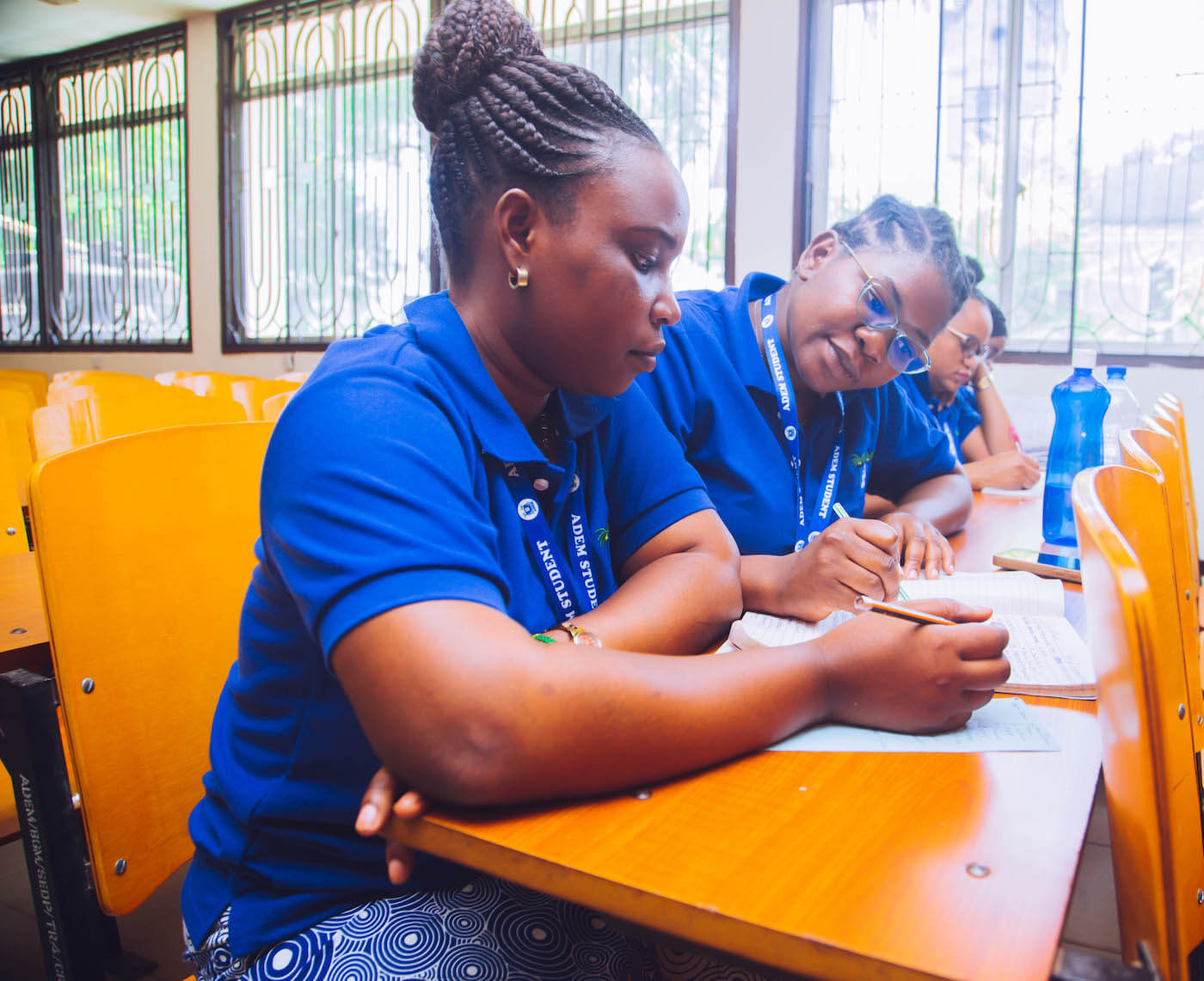
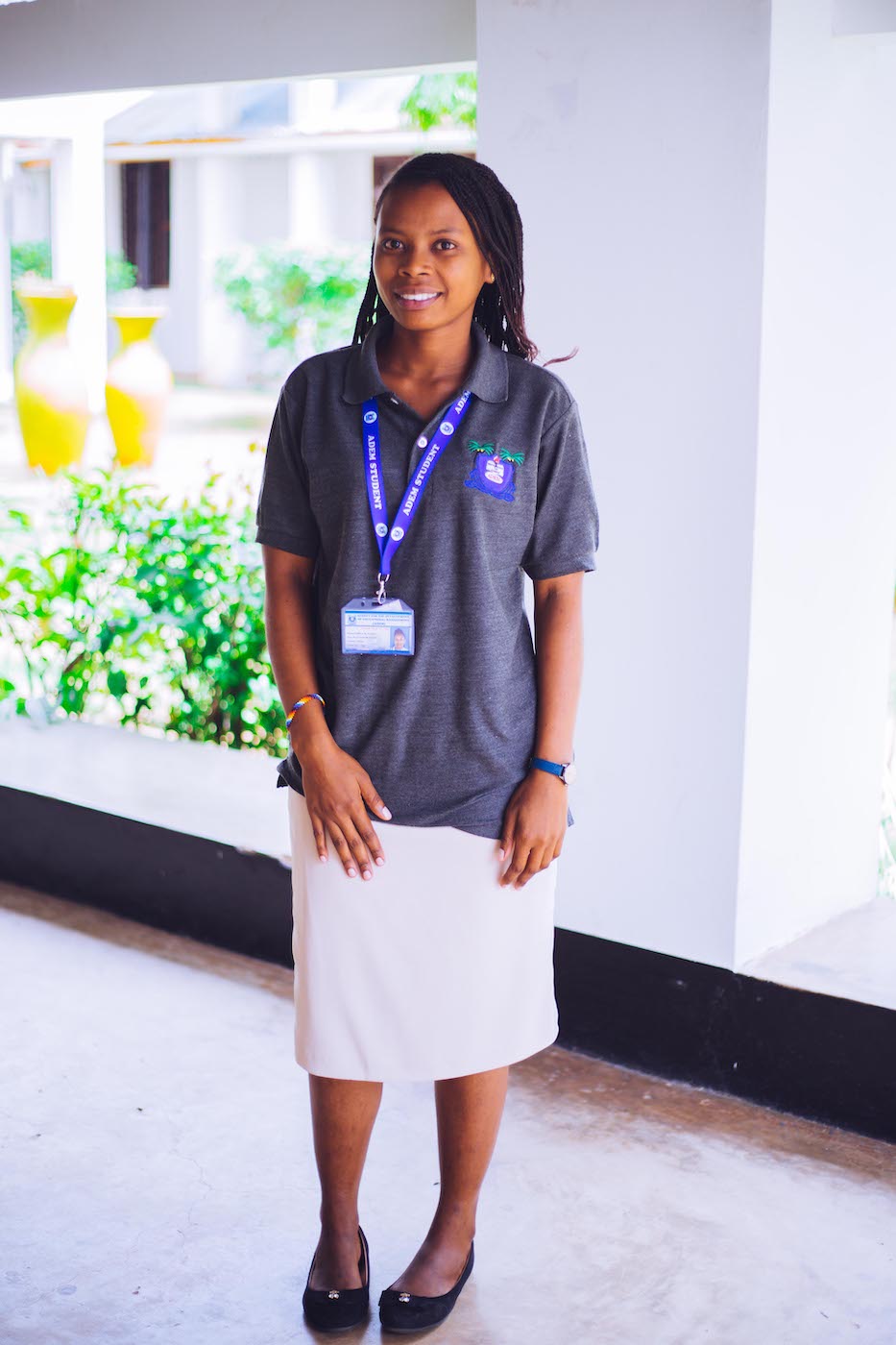
In a triumph of education and empowerment, 24 Tanzanian women have marked a significant milestone as the inaugural graduating class of Embrace Relief’s Reach, Inspire, Support, Engage (R.I.S.E.) program. Among these trail blazers are Madame Georgina Ikanyagwa and Ms. Domila Plasid, whose stories illuminate the transformative impact of educational opportunities on women in Tanzania.

From educators like Ester Joel and Adrofina G. Nemes to professionals such as Eurogia K. Deus and Grace N. Kiyota, the R.I.S.E. graduates represent a spectrum of talent and ambition. Their endeavors, whether in academia, public service, or vocational roles, underscore the program’s broader impact in fostering leadership and opportunity for women throughout the country. While these graduates chart their paths forward, their collective achievements stand as a testament to the enduring value of educational empowerment in shaping a brighter future for Tanzanian communities.

As Embrace Relief celebrates the achievements of Madame Georgina Ikanyagwa, Domila Plasid, and all R.I.S.E. graduates, the organization remains committed to expanding its impact. Before this program, the 24 women taught their own classrooms; now, they have the opportunity to help children across Tanzania. The second class of R.I.S.E. scholarship recipients has just finished their first semester, and Embrace Relief plans to support 24 more students to start in the fall of 2024. As R.I.S.E. generates more opportunities for women to achieve in higher education, it will create a snowball effect, filling more leadership roles each year and serving as role models for the next generation.

First Class of Women Triumph: Celebrating Graduates of the R.I.S.E. Program

Together, let us continue to champion the cause of women’s empowerment and create pathways to success for generations to come.

To learn more about the R.I.S.E. program and its impact on women’s education in Tanzania, or to make a donation in support of the program, click here. Join us in shaping a future where every woman has the opportunity to thrive and succeed.

Donate For Women’s Empowerment

$
Donate Now