


Recent

Ramadan 2023: Embrace Relief delivers food to 30,000 people for International Hunger Relief

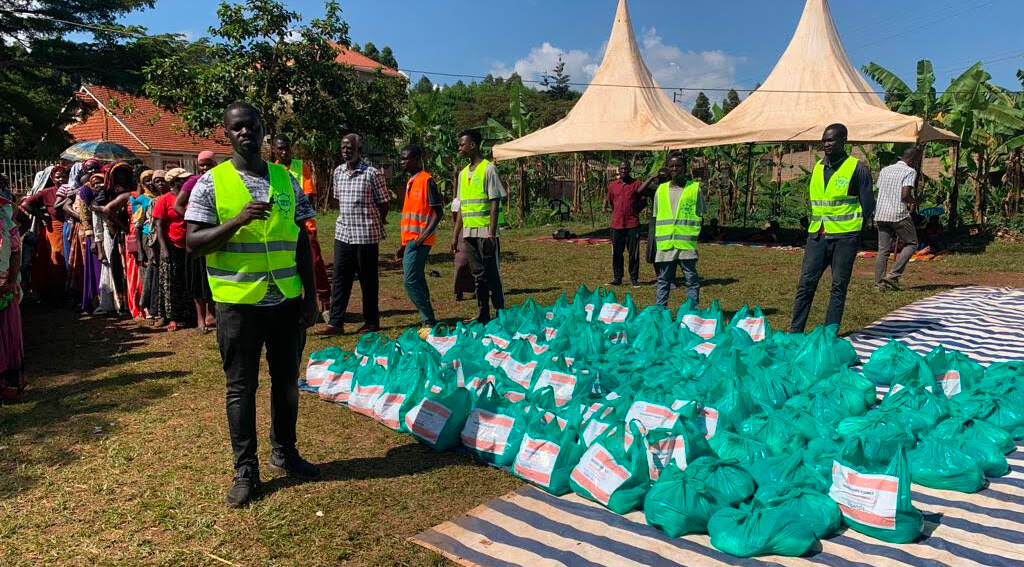
Embrace Relief is proud to announce that its International Hunger Relief: Ramadan 2023 campaign has successfully concluded after providing food packages, hot meals, and Eid gift packages to 30,050 people across 13 countries.

For each of our annual International Hunger Relief campaigns, Embrace Relief partners with local organizations in countries around the world in order to distribute much-needed food to people in need. Our efforts span the globe, aiding people in Africa, the Middle East, Greece, and the United States.

Specific to the Ramadan 2023 campaign, Embrace Relief additionally worked to provide much needed food aid to victims of the February earthquakes in Turkey. Donations to this campaign provided food packages to 350 families in the earthquake zone. This support is in addition to the more than $2.1 million dollars Embrace Relief raised for earthquake relief, which has provided nearly 200,000 ready-to-eat meals and more than 18,000 food packages in the two months since the disaster.

Embrace Relief is proud to share the following details of our work during the International Hunger Relief: Ramadan 2023 campaign:

  • A total of 4,765 food packages were distributed. Though the contents of the packages vary by region, each package will provide enough food to feed a family for roughly 1-2 weeks.
  • Additionally, 3,500 hot meals were served by our partners in Tanzania.
  • Finally, we distributed 2,050 gift packages in celebration of Eid al-Fitr.

And here is a country-by-country breakdown of Embrace Relief’s efforts:

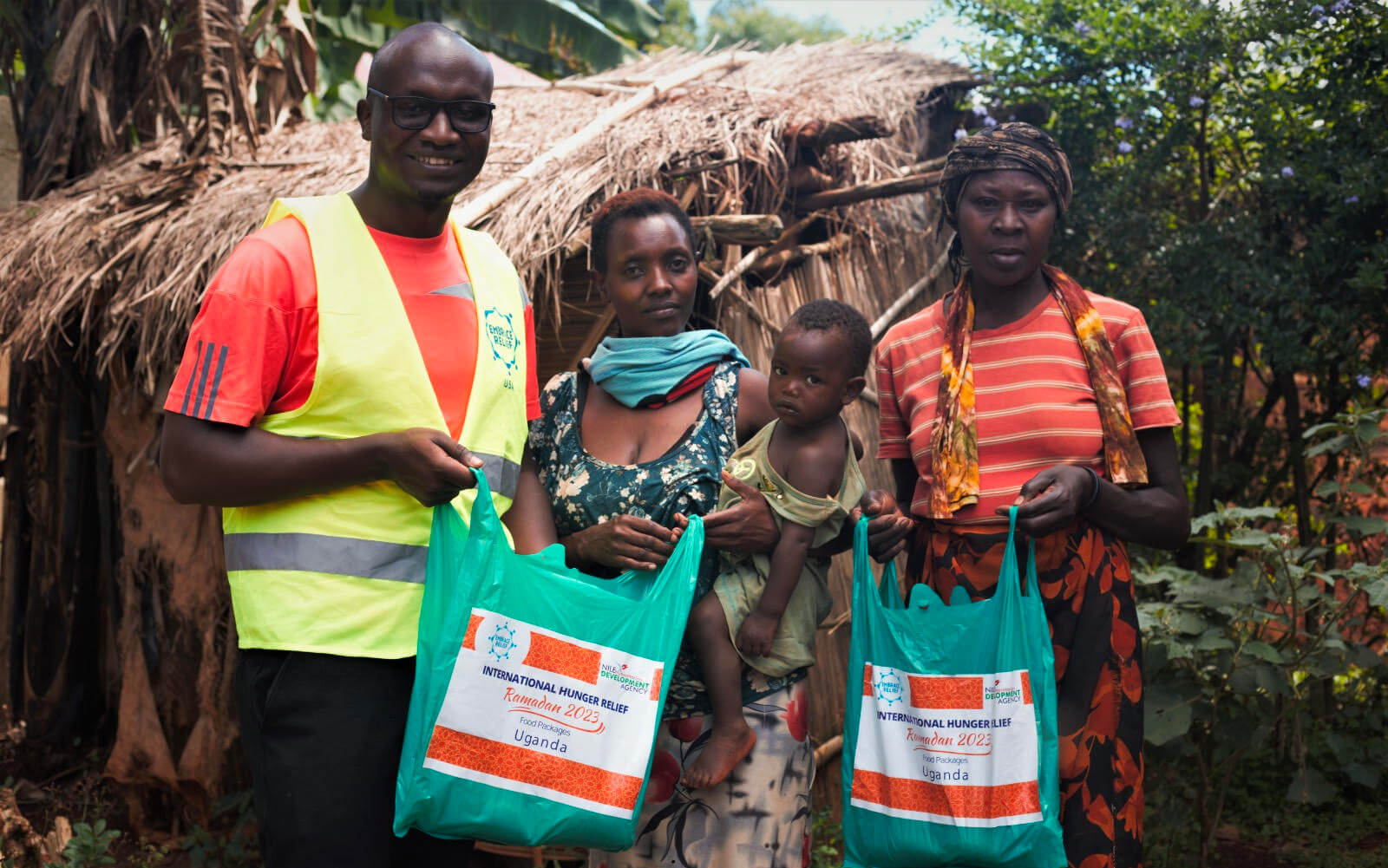
  • Uganda: Food packages provided to 1,100 families, while an additional 1,850 individuals received Eid gift packages.
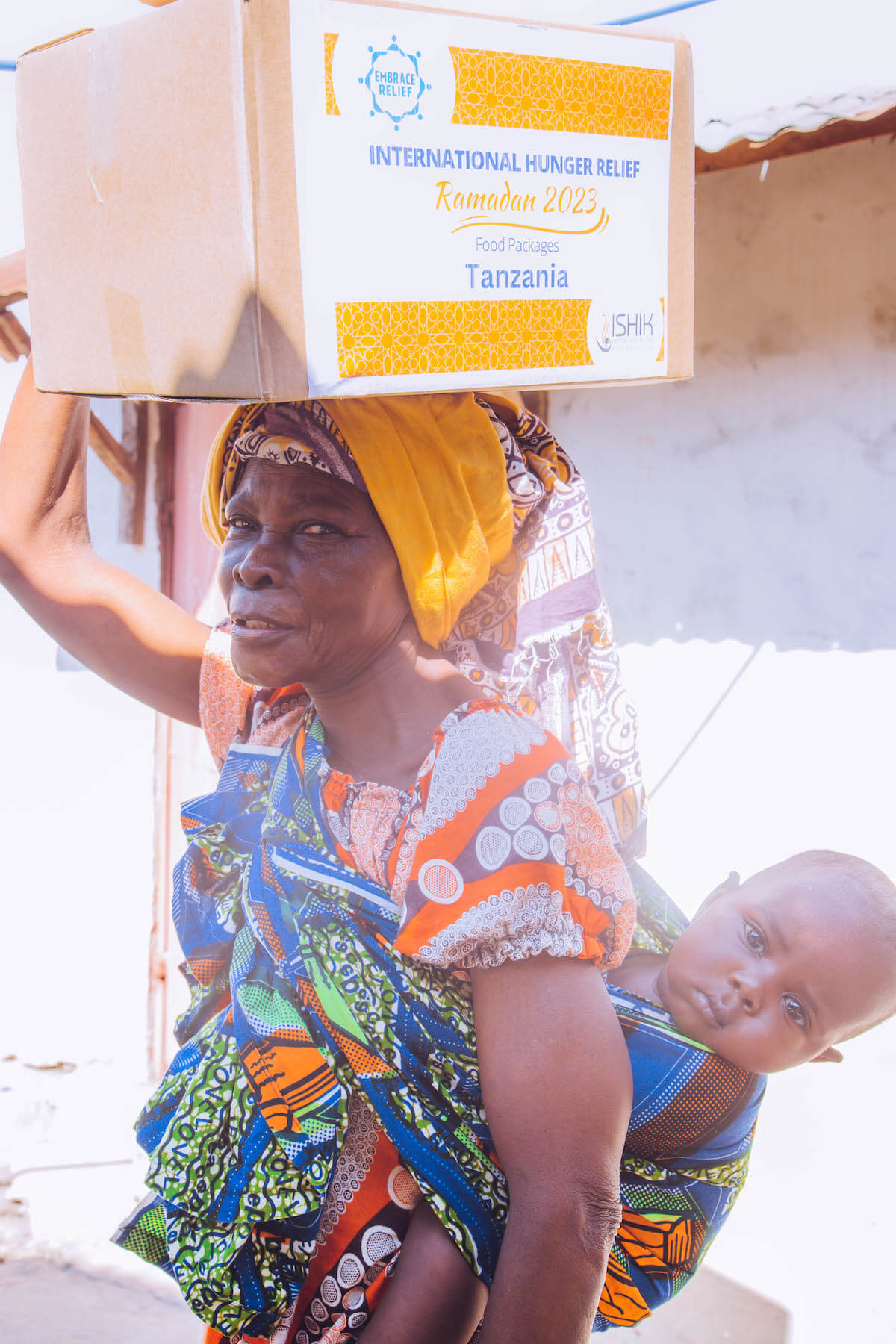
  • Tanzania: Food packages provided to 760 families, and hot meals served to 3,500 people.
  • Afghanistan: Food packages provided to 400 families.
  • Indonesia: Food packages provided to 400 families.
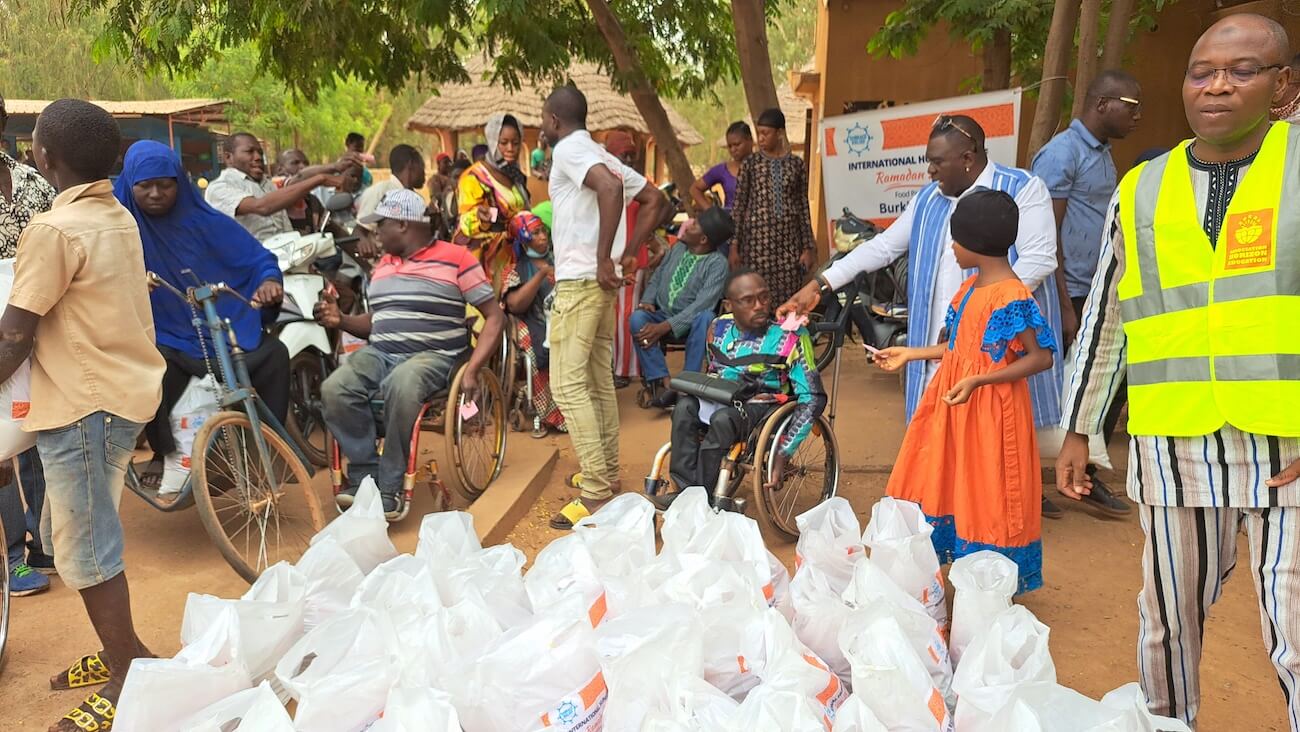
  • Burkina Faso: Food packages provided to 400 families.
  • Greece: Food packages provided to 400 families.
  • Pakistan: Food packages provided to 350 families, while an additional 100 children received Eid gift packages.
  • Turkey: Food packages provided to 350 families.
  • United States: Food packages provided to 225 families.
  • Yemen: Food packages provided to 100 families, while an additional 400 people received Eid gift packages.
  • Ethiopia: Food packages provided to 100 families.
  • Mali: Food packages provided to 100 families.
  • Democratic Republic of Congo: Food packages to 80 families, while an additional 100 people received Eid gift packages.

Embrace Relief would like to once again thank all donors to our International Hunger Relief: Ramadan 2023 campaign. Your gift has made it possible to provide support to tens of thousands of vulnerable people from every corner of the world.

Hunger will remain one of the pressing issues causing suffering around the world. But with your help, Embrace Relief is working to alleviate hunger wherever we find it. Donations for our year-round Hunger Relief program can be made at any time by clicking this link. Additionally, Embrace Relief will soon begin its next International Hunger Relief campaign, to take place in June and centered around Qurbani.

Donate For Hunger Relief

$
Donate Now

Clean water and climate change: A looming threat

Summary

  • Climate change affects the availability and quality of water all over the world.
  • Sub-Saharan Africa, where available clean water resources are already stretched, is poised to become even more vulnerable.
  • We all must think about long-term, sustainable solutions to ensure that people have the water they need to survive and thrive.
  • Embrace Relief is striving to accomplish this by building water wells in the African countries of Chad, Cameroon, Nigeria and Tanzania, an important step in mitigating some of the worst effects of climate change.

Embrace Relief is striving to accomplish this by building water wells in the African countries of Chad, Cameroon, Nigeria and Tanzania, an important step in mitigating some of the worst effects of climate change.

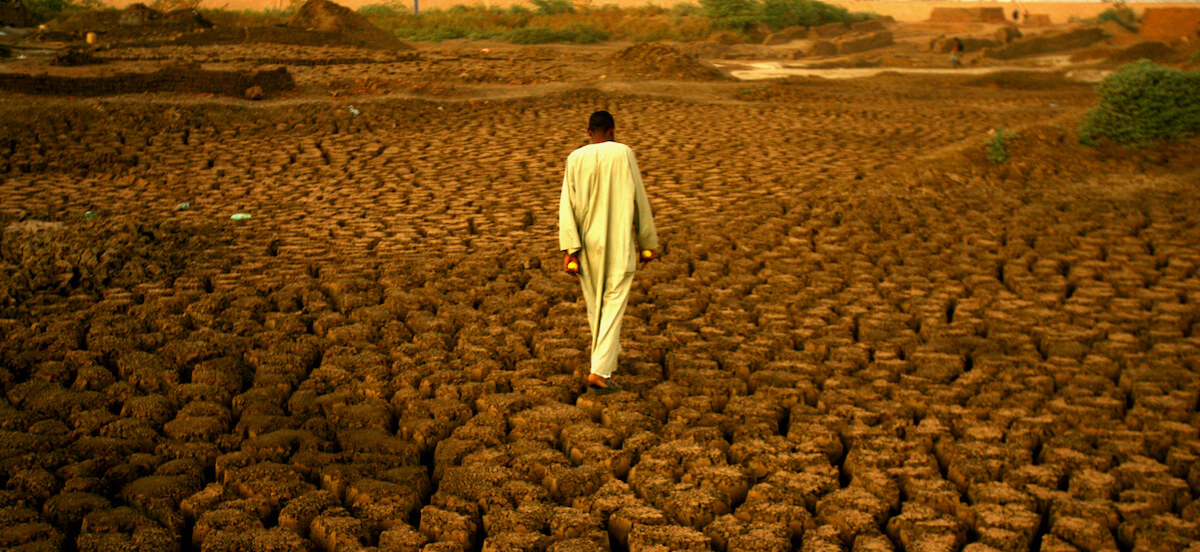
One of the most visible effects of climate change on water availability in sub-Saharan Africa is the shrinking of Lake Chad. The lake, which borders Nigeria, Chad, Cameroon, and Niger, has lost 90% of its volume since the 1960s. This has had severe consequences for the millions of people who rely on the lake for fishing, agriculture, and drinking water. As the lake has shrunk, conflicts have erupted over access to the remaining water resources, leading to displacement and even violence.

This is only the most prominent example of the clean water crisis that worsens as climate change accelerates. Clean water is a vital, precious resource that allows human civilization to thrive – to stay healthy, to grow our food, to trade and produce. Protecting our water supply from the effects of climate change is crucial.

The effects of environmental factors on water quality

In addition to affecting water availability, environmental factors also have an impact on water quality. In sub-Saharan Africa, millions of people who formerly sourced their water from Lake Chad now must turn to other sources, such as rivers, lakes, ponds, and rainwater-filled ground holes. These unprotected water sources can become contaminated with pollutants such as chemicals, heavy metals, and dangerous bacteria. Poor sanitation practices and inadequate waste management also contribute to the degradation of water quality.

One of the most significant water quality issues in sub-Saharan Africa is the prevalence of waterborne diseases. According to the World Health Organization, diarrheal diseases are the second leading cause of death among children under 5 in the region. These diseases are often caused by drinking contaminated water or eating food that has been washed with contaminated water. In addition to causing illness and death, waterborne diseases also contribute to poverty by reducing productivity and increasing healthcare costs.

To mitigate the impacts of climate change and environmental factors on water availability and quality in sub-Saharan Africa, a multi-faceted approach is needed. This approach should include measures to increase water availability, improve water management practices, and promote sustainable agriculture.

Mitigating the impacts of climate change and environmental factors

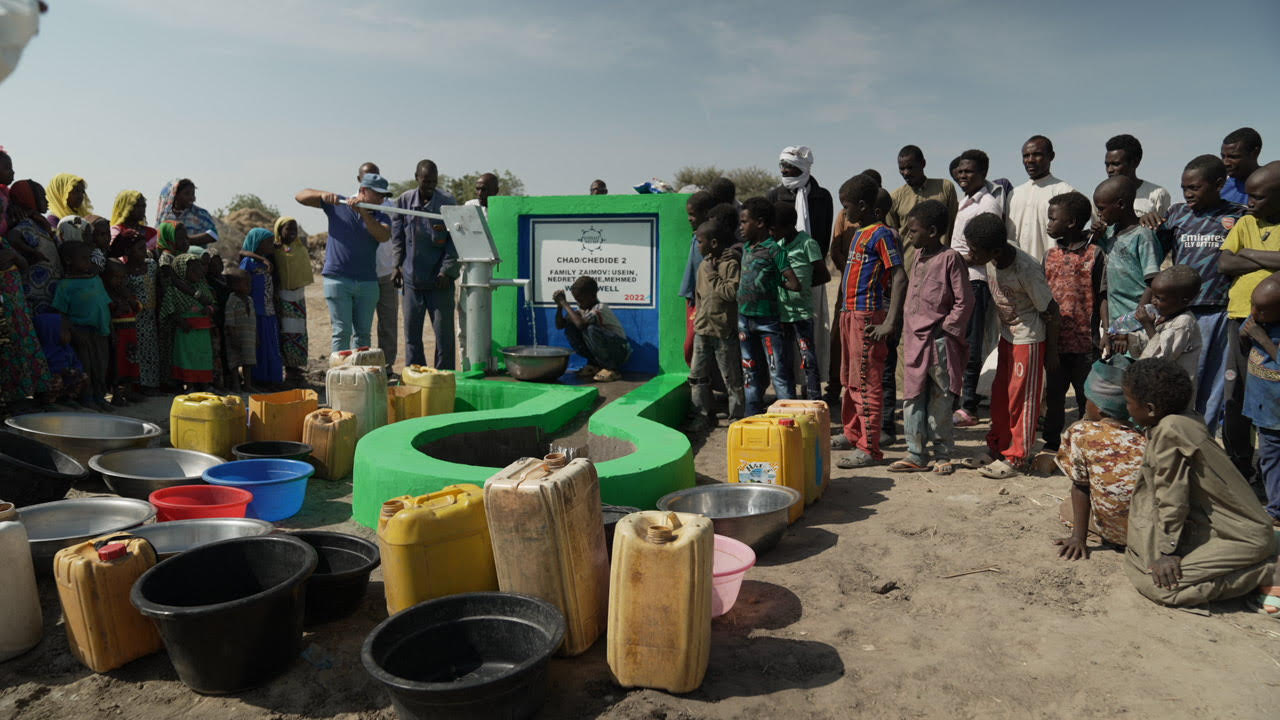
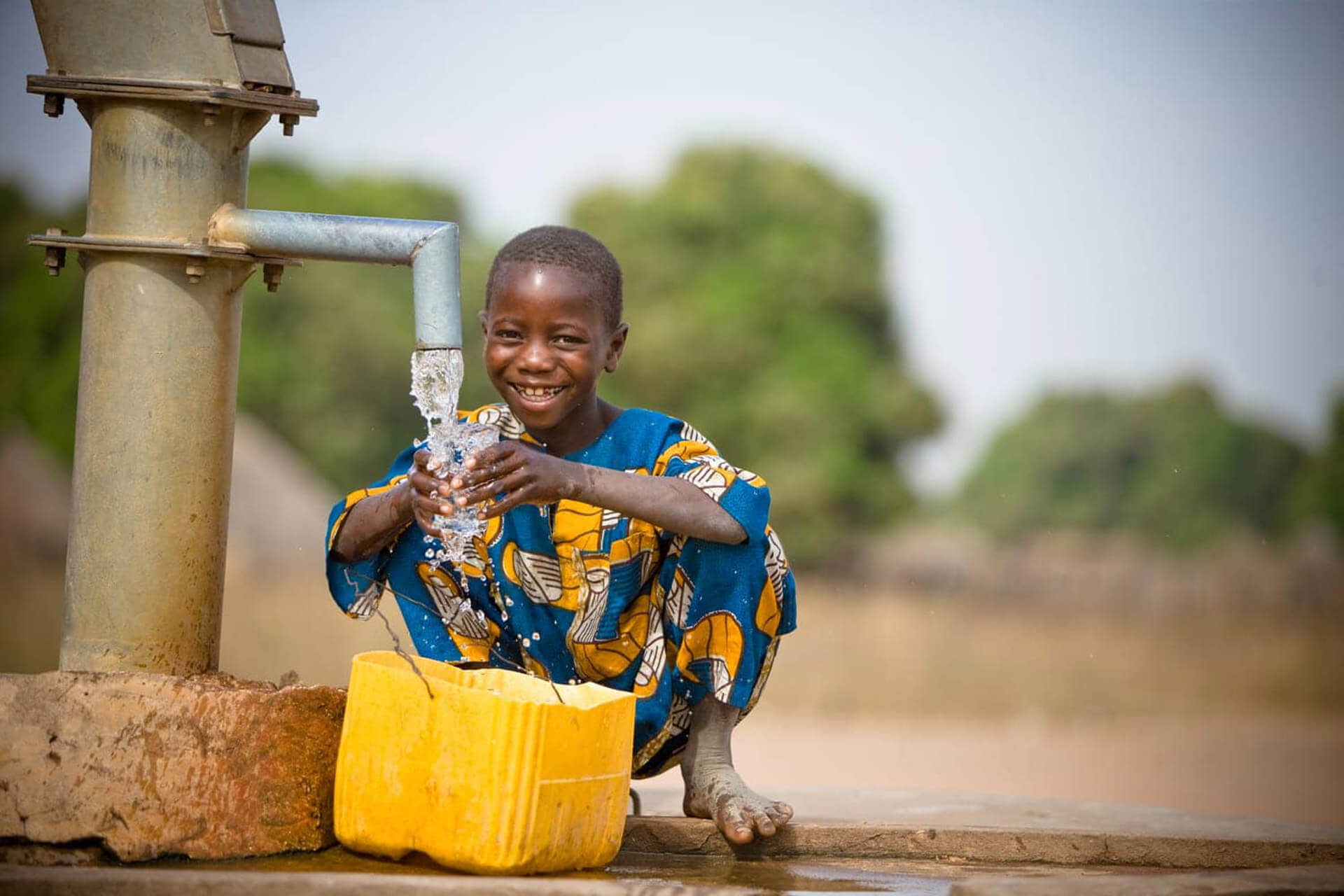
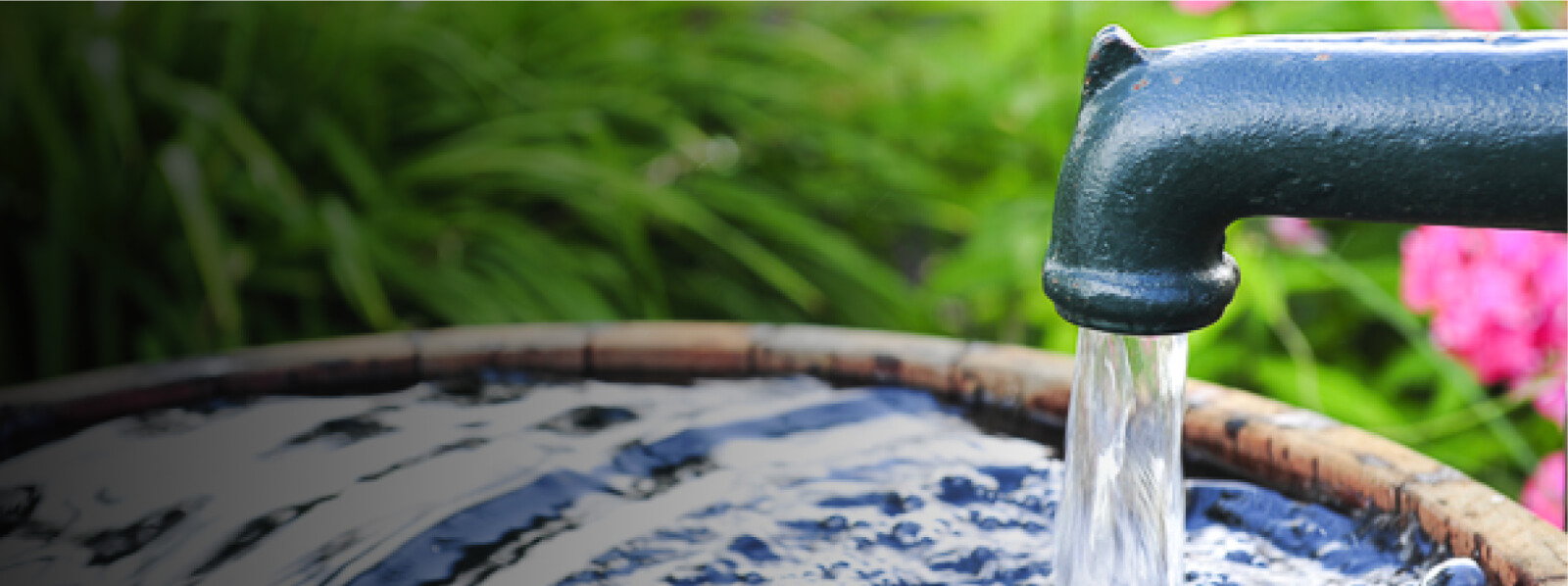
In the area around Lake Chad, a water well can accomplish all of these. Though Lake Chad itself continues to shrink, the underground aquifers that feed into the lake continue to have an abundant supply of clean water. Investing in a water well, which can be operated with a simple, safe hand pump, ensures that the supply of water is steady and reliable, even if the region is suffering from drought. If built correctly, a water well is also an important way to manage the safety of a water supply. It is crucial to install pipes that reach deeper into the ground, to avoid surface contaminants which can seep several meters into an aquifer.

Another strategy is to promote rainwater harvesting, which involves collecting rainwater and storing it for later use. This technique can be particularly effective in other parts of sub-Saharan Africa with limited access to surface water sources.

Improving sanitation practices and waste management can also have a significant impact on water quality. This can be achieved through the construction of latrines, the promotion of handwashing, and the implementation of waste collection and disposal programs. Additionally, promoting the use of water treatment technologies such as chlorine tablets and ceramic filters can help to reduce the prevalence of waterborne diseases.

Clean water is essential for life, but it is becoming increasingly scarce in many parts of the world, especially in sub-Saharan Africa. Climate change and environmental factors are contributing to the problem, but there are solutions that can help to mitigate their impacts. By increasing water storage, improving water management practices, promoting sustainable agriculture, and improving sanitation and waste management, we can ensure that everyone has access to clean water, no matter where they live.

Help Embrace Relief make clean water accessible in Africa!

With the help of Embrace Relief, you can make this world a reality. Since 2013, Embrace Relief has been building water wells to lift communities across sub-Saharan Africa. Through our Clean Water Initiative and Fountains of Hope project, and thanks to the support of donors like you, we have been able to construct or rebuild more than 760 water wells across the countries of Chad, Cameroon, Nigeria, and Tanzania. These wells are currently providing life-giving clean drinking water to more than 760,000 people, and will continue to do so thanks to Embrace Relief’s guarantee to never abandon our wells. Read all about Embrace Relief’s water wells by clicking here.

Ramadan 2023: Embrace Relief distributes food to children in Uganda

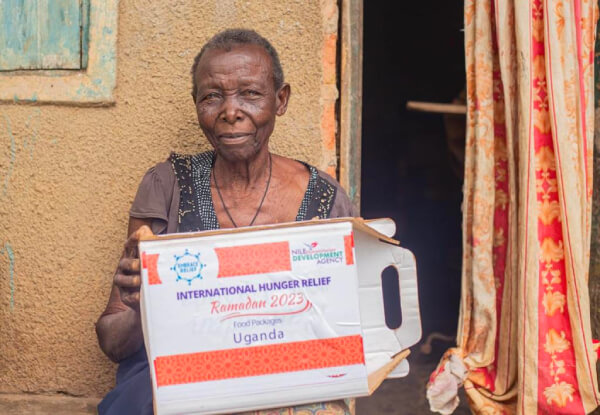
Embrace Relief and its partner organization Nile Humanitarian Development Agency (NHDA) have joined together to provide food and household necessities to children with disabilities and the elderly in Uganda as part of Embrace Relief’s International Hunger Relief: Ramadan 2023 campaign.

Embrace Relief’s annual Ramadan hunger relief campaign reaches tens of thousands of people annually across a dozen countries. For Ramadan 2023, food packages and hot meals have been (and continue to be) distributed in Uganda, Kenya, Mali, Burkina Faso, Tanzania, Turkey, Syria, Yemen, Pakistan, Indonesia, Greece, and the United States. This work is made possible thanks to the generosity of Embrace Relief donors, as well as the tireless efforts of partners like the NHDA.

Hajji Issa Kilaria, the executive director of the Nile Humanitarian Development Agency, noted that Embrace Relief offers support to people in need – without regard to religion, race, or gender.

“We are still helping many more people, and we are currently continuing to distribute food in different parts of the country according to their needs,” Hajji Kilaria told Scribe.

The most recent distribution saw Embrace Relief and the NHDA provide food packages and clean water to the Good Samaritan School in Nasuuti Mukono. The delivery put a smile on children’s faces, and will provide important nutrition to children who need it.

Wherever there are people living with hunger, Embrace Relief strives to offer our support. Our annual International Hunger Relief campaigns – one centered on Ramadan, followed by one centered on Qurbani – provided food packages to a combined 132,000 people in 2022 alone. This aid reached more than a dozen countries in Africa, the Middle East, Europe, and the United States.

The Ramadan 2023 fundraising campaign concluded on April 21 with Eid al-Fitr. But Embrace Relief welcomes all donations to its Hunger Relief efforts year-round. To help Embrace Relief fight hunger around the world, make a tax-deductible donation today by clicking this link.

Donate For Hunger Relief

$
Donate Now

How clean water can bring prosperity everywhere?

Summary

  • Clean water is a human right, and essential towards keeping a society happy, productive, and prosperous.
  • In sub-Saharan Africa, where fresh water exists but is not accessible for many, hundreds of millions of people face poverty, waterborne illness
  • If we make clean water accessible for people in sub-Saharan Africa, we can unlock incredible amounts of human potential and build a happier, healthier world.
  • Embrace Relief’s program of water wells in the African countries of Chad, Cameroon, Nigeria and Tanzania is making this world a reality for hundreds of thousands of people.

The Value Of Water

Clean water is one of the essential resources that contribute to the health and growth of communities around the world. We often take this for granted in America, where clean water is accessible in nearly every home and building. But in other parts of the world, like sub-Saharan Africa, access to clean water is far from universal. It is estimated that more than 300 million people in sub-Saharan Africa lack access to clean water, and this has a significant impact on their health, economic productivity, and social bonds. Addressing this situation is crucial to reducing poverty and improving the standard of living for people in this part of the world.

Clean water makes us healthier

One of the significant impacts of access to clean water is on health. Inadequate access to clean water results in a high rate of waterborne diseases such as cholera and typhoid fever. According to the World Health Organization, diarrheal disease causes nearly 300,000 deaths in children under 5 years old each year, with contaminated water a primary cause.

Fresh water is plentiful in sub-Saharan Africa, but because most of it is located underground, it is functionally inaccessible for most people without a well. And because many communities do not have the wealth and materials to build a well, people must instead turn towards more accessible sources of water. These include rivers, lakes, ponds, and open holes that catch rainwater. But these sources offer no protection from bacteria and parasites, leaving millions of people at constant risk for deadly illnesses. Providing access to clean water has been shown over and over again to reduce the impact of disease.

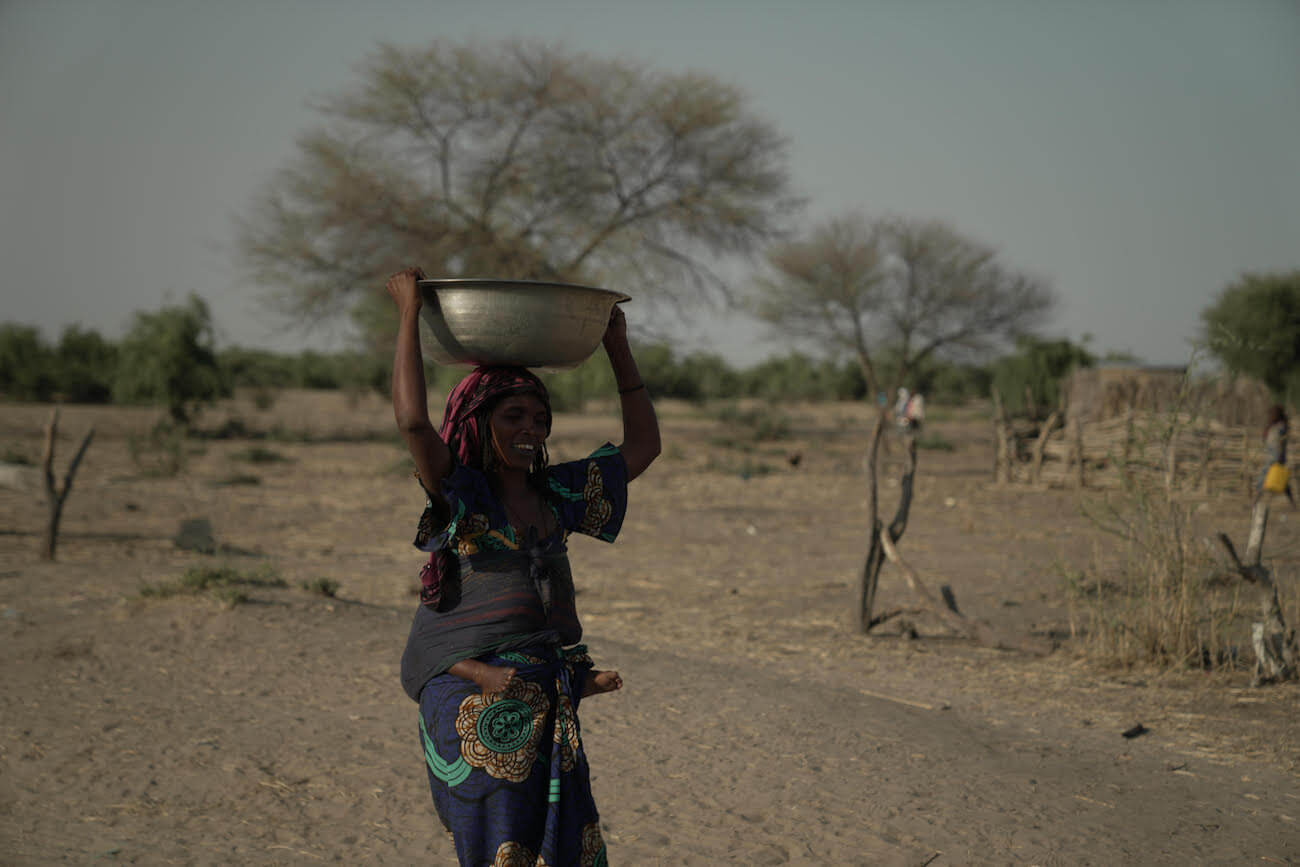
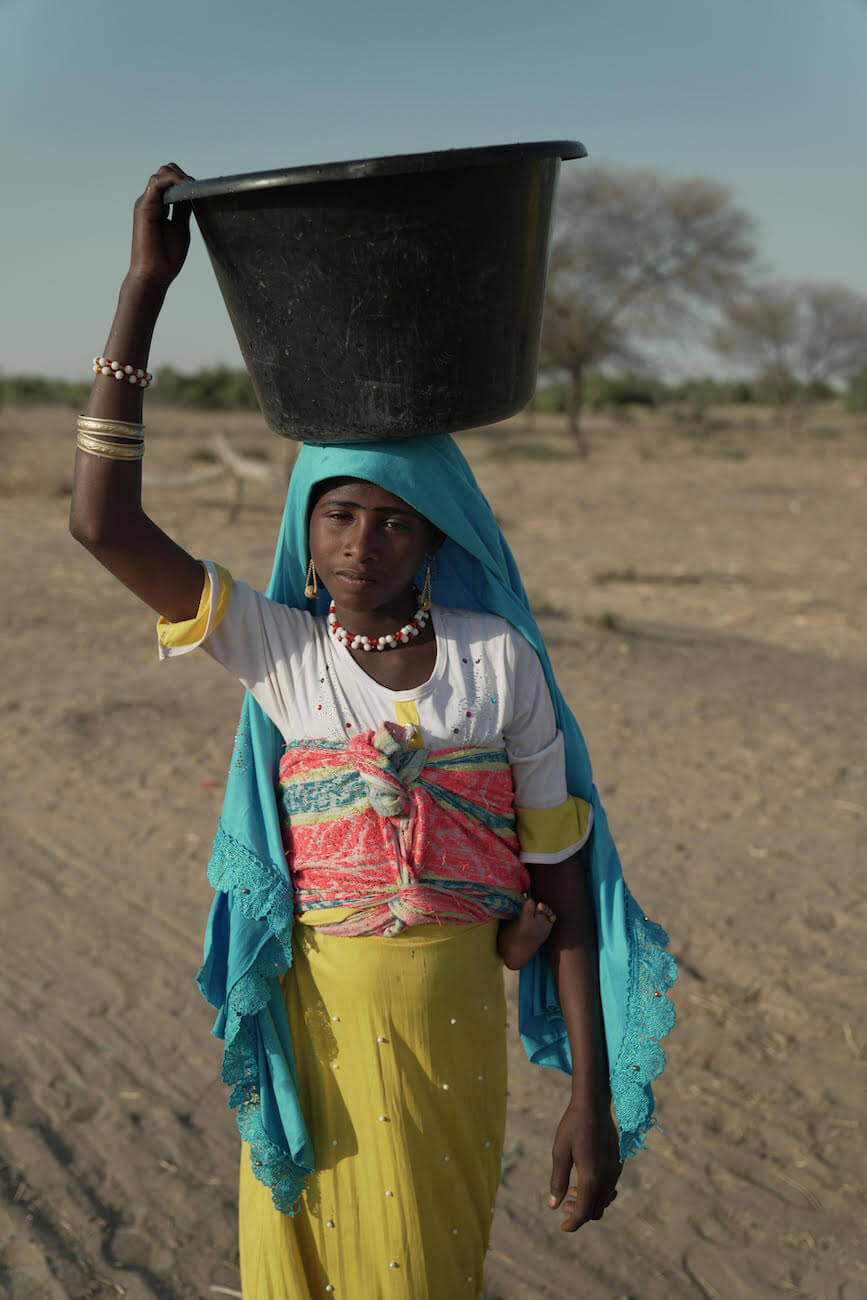
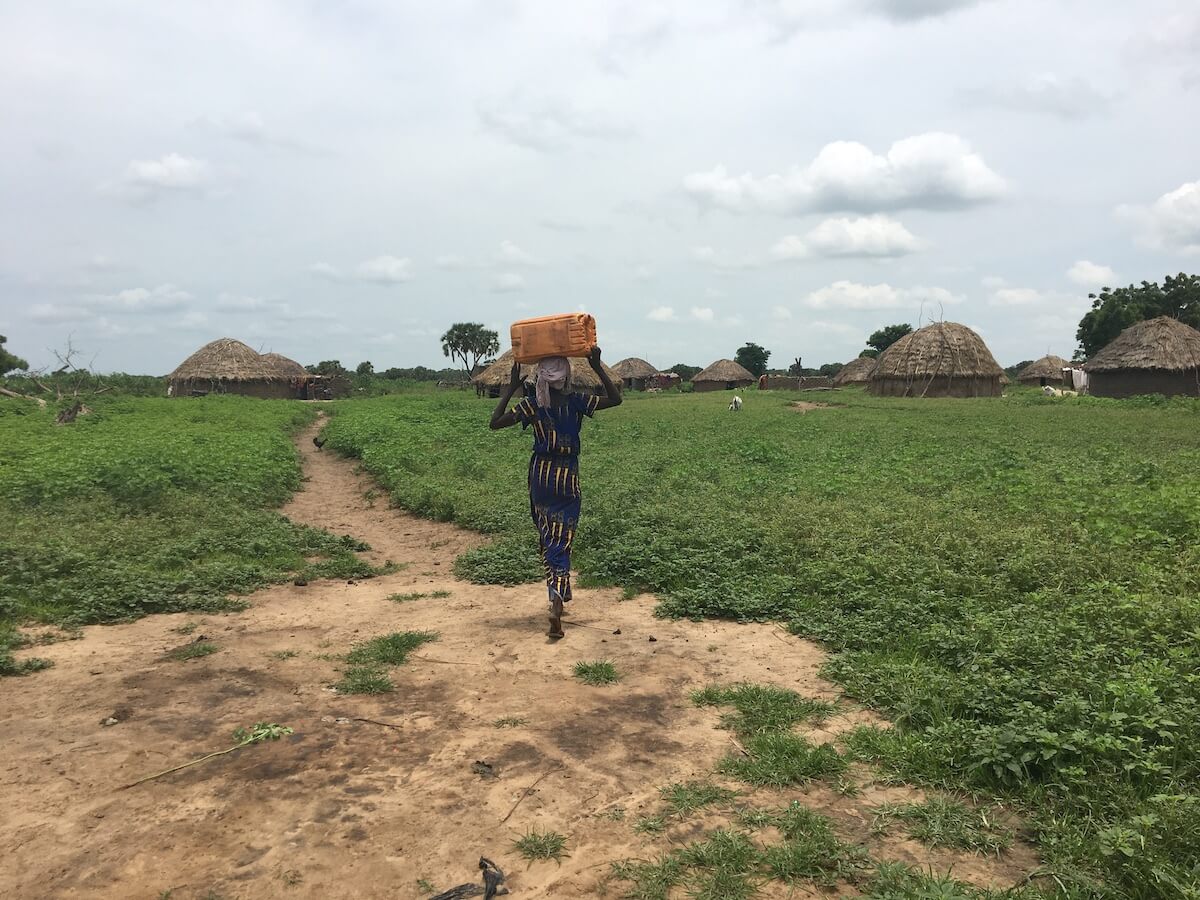
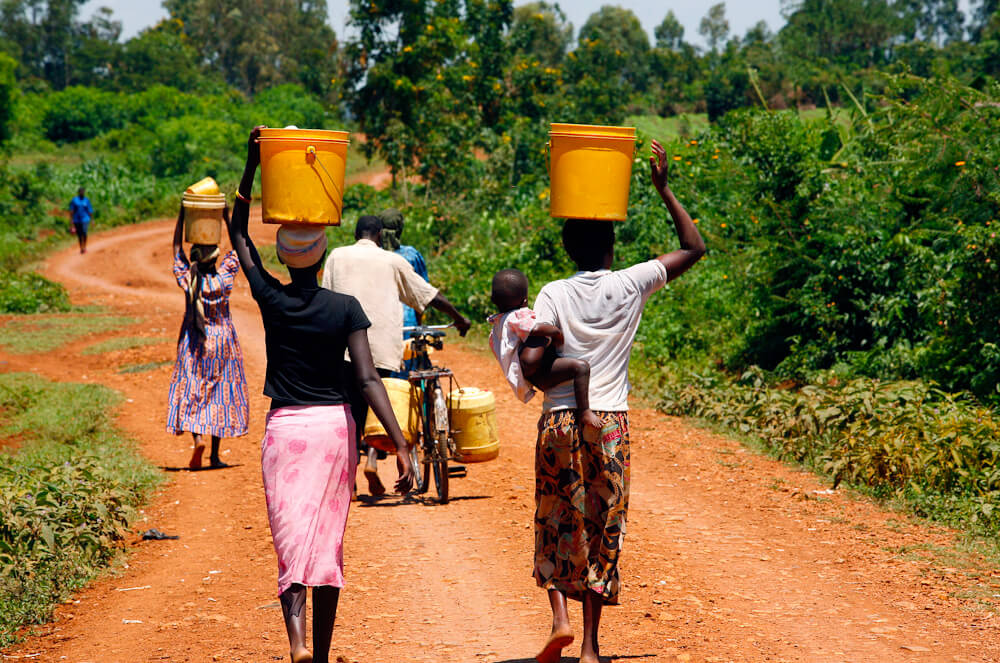
Meanwhile, in many communities in sub-Saharan Africa, young girls are often responsible for collecting water from distant sources, and this takes up a lot of their time. Consequently, this has negative effects on their education, as they have little time to study, and their health. According to the World Bank, access to clean water in schools increases attendance rates, resulting in marked improvement in the performance of students in schools where there is access to clean water. In Kenya, for instance, the introduction of clean water in schools has led to a 12% improvement in the academic performance of students.

Clean water makes us more prosperous

Access to clean water has also created economic opportunities in sub-Saharan Africa. For the women and children who are often responsible for fetching water, which takes up a lot of their time. With access to clean water, this time can be redirected to other productive economic activities, leading to an improvement in their economic status. In Tanzania, for instance, the implementation of the National Rural Water Supply and Sanitation Program has resulted in a significant reduction in the time spent on fetching water, freeing up time for other income-generating activities.

Additionally, access to clean water has a positive impact on agriculture. Farmers need clean water to irrigate their crops, and with access to clean water, they can improve their crop yields, leading to increased income. In Chad, the building of rural water wells by Embrace Relief has promoted a massive increase in both the amount and diversity of agricultural production, allowing for increased trade and a better economic return for farmers.

In conclusion, access to clean water has had a significant positive impact on communities in Sub-Saharan Africa. It has improved health by reducing waterborne diseases, improved education by increasing attendance rates and academic performance, and created economic opportunities by freeing up time for other productive activities and improving agricultural production. With continued efforts towards providing clean water to communities in sub-Saharan Africa, it is possible to achieve sustained economic and social development in these communities.

Help Embrace Relief change lives in Africa!

This is where Embrace Relief – and you – come in. Since 2013, Embrace Relief has been building water wells to lift communities across sub-Saharan Africa. Through our Clean Water Initiative and Fountains of Hope project, and thanks to the support of donors like you, we have been able to construct or rebuild more than 760 water wells across the countries of Chad, Cameroon, Nigeria, and Tanzania. These wells are currently providing life-giving clean drinking water to more than 760,000 people, and will continue to do so thanks to Embrace Relief’s guarantee to never abandon our wells. Read all about Embrace Relief’s water wells by clicking here.

Qurban Campaign

Give Qurbani

In 2025, Qurbani will occur on June 6-7. During this time, sheep, goats, and cattle are humanely and hygienically sacrificed in adherence with common dietary restrictions. At this important time of year, join Embrace Relief and provide food for people in need in Africa (including the countries of Tanzania, Kenya, Uganda, Mali, Ethiopia, Burkina Faso, and Democratic Republic of Congo), as well as Greece and the United States, by donating to Embrace Relief’s International Hunger Relief: Qurbani 2025 campaign.

Each Qurbani donation is distributed among eight families and can supply a family with meat-based protein for up to one year. Last year, Embrace Relief provided this aid to nearly 100,000 people in a dozen countries – and we want to have an even greater reach in 2024! For many recipients, this may be their only opportunity to acquire meat all year. That means that every dollar you donate is priceless for a family in need.

Listed below are the prices of a Qurbani share for each region. (Prices differ due to local market conditions):

  • Africa & Asia: $120
  • Where Most Needed: $175
  • United States of America: $300

So donate today. You can send a family a Qurbani today and allow them to celebrate this important occasion along with millions of others across the world. You will be their shining light through their dark times and bring them happiness and hope today!

Is there a world food shortage in 2023?

Is there a world food
shortage in 2023?

March 29, 2023

Donate Now

As of March 2023, there is no clear evidence of a global food shortage. However, there are concerns about food insecurity in some regions due to various factors such as climate change, political instability, and economic challenges.

According to the Food and Agriculture Organization (FAO), global food prices rose sharply early in 2022, primarily driven by high demand and supply chain disruptions caused by the COVID-19 pandemic. However, food prices have steadily fallen since the middle of the year, and the FAO reports that production has been generally stable with global cereal stocks expected to reach an all-time high in 2023.

Despite these positive trends, some countries and regions are experiencing food insecurity. For example, conflict in Yemen has led to food shortages. The recent earthquakes in Turkey have left millions of people displaced from their homes and without a stable source of food. Climate change-related events such as droughts, floods, and hurricanes have caused acute food shortages in various parts of the world in recent years, as happened following the summer 2022 floods in Pakistan. And in impoverished areas of Africa, hunger remains one of the greatest ongoing challenges to human development and happiness.

Overall, while there is no global food shortage in 2023, some regions and countries are facing significant challenges in accessing food due to a combination of factors. Addressing food insecurity, it is essential to make long-term investments in sustainable agriculture, economic stability, reducing conflict, and addressing climate change.

But right now as we speak, hundreds of millions of people are suffering from hunger. How can we best help our fellow people who are struggling?

Support people in need with Embrace Relief

There is more than enough food for everyone on the planet, but ensuring that all of us have access to that food remains a challenge. That’s where organizations like Embrace Relief come in.

Through our International Hunger Relief: Ramadan 2023 campaign, we are aiming to provide food packages and hot meals to tens of thousands of people in countries like Turkey, Yemen, Pakistan, Indonesia, Burkina Faso, Mali, Uganda, and Tanzania. But we can only do that together with you.

By donating to our campaign, you can put food on the table for families across the world. You can ensure that children can go to bed with full stomachs, and wake up with the energy they need to learn and grow. Every dollar helps – and every dollar goes directly to aiding people in need.

Donate to Embrace Relief today and let’s fight hunger together!

What does ‘Ramadan Mubarak’ mean?

Ramadan Mubarak is a traditional greeting used by Muslims during the holy month of Ramadan. The phrase is Arabic, with “Ramadan” referring to the ninth month of the Islamic calendar, and “Mubarak” meaning “blessed” or “happy.” The phrase is used to convey blessings, good wishes, and congratulations during the month-long period of fasting and spiritual reflection that is observed by Muslims around the world.

During Ramadan, Muslims abstain from food and drink during daylight hours. This is a time of intense spiritual focus and personal reflection, as well as an opportunity to demonstrate compassion and generosity towards others. One of the core principles of Ramadan, and of the Islamic faith generally, is zakat, the obligation to donate a portion of one’s wealth to help those in need.

Charitable giving during Ramadan is an important aspect of the month’s observances, and many Muslims choose to donate to organizations – like Embrace Relief – that provide food and other essential resources to people who are struggling with hunger and poverty. The practice of charitable giving during Ramadan is deeply rooted in Islamic tradition and serves as a reminder of the importance of compassion, empathy, and generosity towards those who are less fortunate.

The act of giving is seen as a way of purifying one’s soul and demonstrating gratitude for the blessings that one has received. It is also an opportunity to build community and strengthen social bonds by coming together to support those in need.

For people who are going hungry, charitable giving during Ramadan can make a significant difference in their lives. By supporting organizations that are working to alleviate hunger and poverty, Muslims can make a meaningful impact on the lives of others and fulfill their religious obligations to help those in need.

Overall, the phrase “Ramadan Mubarak” embodies the spirit of generosity, compassion, and community that is central to the observance of Ramadan. It serves as a reminder of the importance of charitable giving, and the profound impact that it can have on the lives of people who are struggling with hunger and poverty.

Help those less fortunate by supporting Embrace Relief’s International Hunger Relief campaign!

But of course, generosity is not exclusive to Muslims, nor is it exclusive to the month of Ramadan. No matter your religion, no matter what time of year, one thing is true for all of us: the best time to open your heart and share your blessings with other people is right now. That’s why we’re asking for your help.

You can make a huge impact in the lives of real people today by donating to Embrace Relief’s International Hunger Relief campaign. Every little bit helps – and every donation we receive will go directly towards providing food packages and hot meals for tens of thousands of people in more than a dozen countries.

The world produces more than enough food to feed us all. But it is only by joining together that we can reach the millions of people who go hungry each day. Donate today and help us move a little bit closer to making this world a reality!

Try these recipes for the perfect Ramadan iftar

A delicious, nutritious iftar is an essential part of observing the holy month of Ramadan. After a long day of fasting from all food and drink, the post-sunset meal is an opportunity to indulge, replenish, and share quality time with friends and family. Because Ramadan is celebrated in nearly every country on the planet, iftar meals vary based on local traditions and culture. This means that there is no shortage of possibilities for a perfect meal that will be well-balanced, tasty, and nourishing.

If you’re looking for some inspiration for this Ramadan season, read on for mouthwatering, easy-to-make recipes that will have your entire house anxiously awaiting the sunset!

But before we share these recipes with you, we at Embrace Relief would like to ask for your help. So many people around the world struggle with hunger every single day. The planet produces more than enough food to feed all of us – but we need to work together to ensure that the people most in need can access the food that allows them to thrive.

That’s why Embrace Relief has launched our International Hunger Relief: Ramadan 2025 campaign. All funds raised during this campaign will go toward providing food packages to thousands of families in more than a dozen countries, from earthquake-stricken Turkey to impoverished areas of Africa, from war-torn Yemen to refugee neighborhoods in Greece.

If you’re able, please help Embrace Relief make a powerful impact on the lives of the people who need it the most. Even a small contribution will allow families to go to bed with full stomachs and make their lives easier. Thank you! And now, let’s show you some delicious Ramadan recipes!

The Starter

We’ll start with a Turkish tarhana soup, a hearty and nutritious dish that will be the perfect way to begin your iftar:

Ingredients:

  • 1 cup tarhana powder (available on Amazon or any Turkish supermarket)
  • 7.5 cups hot broth or water
  • 2 tablespoons butter
  • 1 teaspoon tomato paste
  • 1 teaspoon salt
  • 1 teaspoon black pepper
  • 1 teaspoon paprika
  • 1 teaspoon mint
  • 2 cloves garlic
Tarhana Soup For Iftar

Step-by-step:

  1. Mix tarhana powder with 1.5 cups of broth or water and let the mixture soften
  2. Heat butter in a deep saucepan. Crush garlic cloves and add to pan with tomato paste. Fry for 2-3 minutes.
  3. Add salt, pepper, paprika and mint into the saucepan and mix.
  4. Add the tarhana powder mix into the saucepan.
  5. Add the remaining 6 cups of hot broth or water and mix constantly with a whisk, so that the soup thickens and the tarhana powder dissolves.
  6. Once soup is boiling, serve immediately.

Main Course

Next up is our main course: Hunkar Begendi, a traditional Turkish dish of meat stew over eggplant sauce. This recipe will provide four servings:

Eggplant sauce ingredients:

  • 2 eggplants
  • ½ cup water
  • ½ cup milk
  • 1 tablespoon flour
  • 1 tablespoon butter
  • 1 handful grated cheddar cheese

Meat stew ingredients:

  • 400 grams of beef, cut into bite-sized pieces
  • 1 onion, finely chopped
  • 1 tomato, chopped
  • 1 tablespoon tomato paste
  • 2 teaspoons paprika
  • 1 pinch black pepper
  • 1 pinch cumin
  • Salt
  • ¼ cup vegetable oil
  • 4 cups hot water
Hunkar Begendi For Iftar

Step-by-step:

  1. Heat vegetable oil in a pressure cooker.
  2. Add meat and cook until it turns a light brown.
  3. Add chopped onion and cook until translucent.
  4. Add tomato paste and paprika. Cook and stir for 2-3 minutes.
  5. Add chopped tomato and cook until softened.
  6. Add black pepper, cumin and 4 cups water. Stir.
  7. With lid on, cook according to pressure cooker’s instructions.
  8. Add salt and continue to boil in order to reduce the sauce to your desired consistency.
  9. Roast eggplants in the oven or over the stove.
  10. Peel eggplant skin and finely chop.
  11. Melt butter in a saucepan.
  12. Add flour to saucepan and stir for 3 minutes.
  13. Add chopped eggplants to saucepan and stir for 1-2 minutes.
  14. Add milk, water and salt and cook, constantly stirring until thickened.
  15. Remove from heat, add cheddar and stir.
  16. Pour the eggplant sauce on a serving platter.
  17. Pour the meat sauce on top.

Dessert

By now, you’ll likely be almost full. So top off your meal with a delicious güllaç, a classic Ramadan sherbet-based dessert that will cap the night perfectly.

Ingredients:

  • 200 grams güllaç leaves
  • 1 liter milk
  • 1 glass sugar
  • ½ cup ground hazelnuts
  • ½ cup grounded shelled almonds
  • 1 tablespoon rose water
  • Vanilla ground with the tip of a knife
  • 2 small pieces of mastic gum, crushed and powdered
Gullac Desert For Iftar

Step-by-step:

  1. Pour milk into a saucepan
  2. Add sugar, rose water, vanilla and mastic gum, and mix
  3. Heat pan on stove on medium heat, without letting it boil
  4. Break the güllaç leaves and spread them them in an oven dish, then pour the milk mix over them with a ladle
  5. After arranging and soaking half the leaves, sprinkle hazelnuts and almonds on top
  6. Place and soak the remaining leaves in the same way on top
  7. Drizzle the remaining milk mixture over top of the leaves
  8. Cover and let stand for 30-60 minutes
  9. Decorate with pistachios, cherry sugar, pomegranate seeds, or whatever you wish, then serve

With these recipes, you are sure to have a delicious iftar for you and your family. Ramadan Mubarak!