




As of March 2023, there is no clear evidence of a global food shortage. However, there are concerns about food insecurity in some regions due to various factors such as climate change, political instability, and economic challenges.
According to the Food and Agriculture Organization (FAO), global food prices rose sharply early in 2022, primarily driven by high demand and supply chain disruptions caused by the COVID-19 pandemic. However, food prices have steadily fallen since the middle of the year, and the FAO reports that production has been generally stable with global cereal stocks expected to reach an all-time high in 2023.
Despite these positive trends, some countries and regions are experiencing food insecurity. For example, conflict in Yemen has led to food shortages. The recent earthquakes in Turkey have left millions of people displaced from their homes and without a stable source of food. Climate change-related events such as droughts, floods, and hurricanes have caused acute food shortages in various parts of the world in recent years, as happened following the summer 2022 floods in Pakistan. And in impoverished areas of Africa, hunger remains one of the greatest ongoing challenges to human development and happiness.
Overall, while there is no global food shortage in 2023, some regions and countries are facing significant challenges in accessing food due to a combination of factors. Addressing food insecurity, it is essential to make long-term investments in sustainable agriculture, economic stability, reducing conflict, and addressing climate change.
But right now as we speak, hundreds of millions of people are suffering from hunger. How can we best help our fellow people who are struggling?
Support people in need with Embrace Relief
There is more than enough food for everyone on the planet, but ensuring that all of us have access to that food remains a challenge. That’s where organizations like Embrace Relief come in.
Through our International Hunger Relief: Ramadan 2023 campaign, we are aiming to provide food packages and hot meals to tens of thousands of people in countries like Turkey, Yemen, Pakistan, Indonesia, Burkina Faso, Mali, Uganda, and Tanzania. But we can only do that together with you.
By donating to our campaign, you can put food on the table for families across the world. You can ensure that children can go to bed with full stomachs, and wake up with the energy they need to learn and grow. Every dollar helps – and every dollar goes directly to aiding people in need.
Donate to Embrace Relief today and let’s fight hunger together!

What does ‘Ramadan Mubarak’ mean?
Ramadan Mubarak is a traditional greeting used by Muslims during the holy month of Ramadan. The phrase is Arabic, with “Ramadan” referring to the ninth month of the Islamic calendar, and “Mubarak” meaning “blessed” or “happy.” The phrase is used to convey blessings, good wishes, and congratulations during the month-long period of fasting and spiritual reflection that is observed by Muslims around the world.
During Ramadan, Muslims abstain from food and drink during daylight hours. This is a time of intense spiritual focus and personal reflection, as well as an opportunity to demonstrate compassion and generosity towards others. One of the core principles of Ramadan, and of the Islamic faith generally, is zakat, the obligation to donate a portion of one’s wealth to help those in need.
Charitable giving during Ramadan is an important aspect of the month’s observances, and many Muslims choose to donate to organizations – like Embrace Relief – that provide food and other essential resources to people who are struggling with hunger and poverty. The practice of charitable giving during Ramadan is deeply rooted in Islamic tradition and serves as a reminder of the importance of compassion, empathy, and generosity towards those who are less fortunate.
The act of giving is seen as a way of purifying one’s soul and demonstrating gratitude for the blessings that one has received. It is also an opportunity to build community and strengthen social bonds by coming together to support those in need.
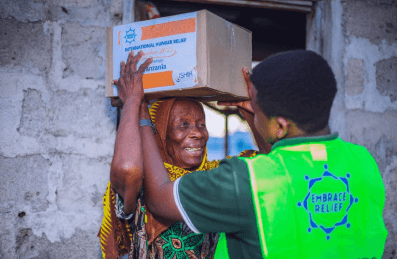
For people who are going hungry, charitable giving during Ramadan can make a significant difference in their lives. By supporting organizations that are working to alleviate hunger and poverty, Muslims can make a meaningful impact on the lives of others and fulfill their religious obligations to help those in need.
Overall, the phrase “Ramadan Mubarak” embodies the spirit of generosity, compassion, and community that is central to the observance of Ramadan. It serves as a reminder of the importance of charitable giving, and the profound impact that it can have on the lives of people who are struggling with hunger and poverty.
Help those less fortunate by supporting Embrace Relief’s International Hunger Relief campaign!
But of course, generosity is not exclusive to Muslims, nor is it exclusive to the month of Ramadan. No matter your religion, no matter what time of year, one thing is true for all of us: the best time to open your heart and share your blessings with other people is right now. That’s why we’re asking for your help.
You can make a huge impact in the lives of real people today by donating to Embrace Relief’s International Hunger Relief campaign. Every little bit helps – and every donation we receive will go directly towards providing food packages and hot meals for tens of thousands of people in more than a dozen countries.
The world produces more than enough food to feed us all. But it is only by joining together that we can reach the millions of people who go hungry each day. Donate today and help us move a little bit closer to making this world a reality!

Try these recipes for the perfect Ramadan iftar
A delicious, nutritious iftar is an essential part of observing the holy month of Ramadan. After a long day of fasting from all food and drink, the post-sunset meal is an opportunity to indulge, replenish, and share quality time with friends and family. Because Ramadan is celebrated in nearly every country on the planet, iftar meals vary based on local traditions and culture. This means that there is no shortage of possibilities for a perfect meal that will be well-balanced, tasty, and nourishing.
If you’re looking for some inspiration for this Ramadan season, read on for mouthwatering, easy-to-make recipes that will have your entire house anxiously awaiting the sunset!
But before we share these recipes with you, we at Embrace Relief would like to ask for your help. So many people around the world struggle with hunger every single day. The planet produces more than enough food to feed all of us – but we need to work together to ensure that the people most in need can access the food that allows them to thrive.
That’s why Embrace Relief has launched our International Hunger Relief: Ramadan 2025 campaign. All funds raised during this campaign will go toward providing food packages to thousands of families in more than a dozen countries, from earthquake-stricken Turkey to impoverished areas of Africa, from war-torn Yemen to refugee neighborhoods in Greece.
If you’re able, please help Embrace Relief make a powerful impact on the lives of the people who need it the most. Even a small contribution will allow families to go to bed with full stomachs and make their lives easier. Thank you! And now, let’s show you some delicious Ramadan recipes!
The Starter
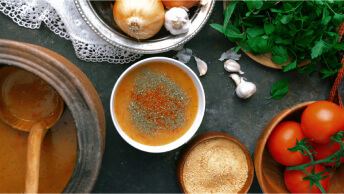
We’ll start with a Turkish tarhana soup, a hearty and nutritious dish that will be the perfect way to begin your iftar:
Ingredients:
- 1 cup tarhana powder (available on Amazon or any Turkish supermarket)
- 7.5 cups hot broth or water
- 2 tablespoons butter
- 1 teaspoon tomato paste
- 1 teaspoon salt
- 1 teaspoon black pepper
- 1 teaspoon paprika
- 1 teaspoon mint
- 2 cloves garlic
Step-by-step:
- Mix tarhana powder with 1.5 cups of broth or water and let the mixture soften
- Heat butter in a deep saucepan. Crush garlic cloves and add to pan with tomato paste. Fry for 2-3 minutes.
- Add salt, pepper, paprika and mint into the saucepan and mix.
- Add the tarhana powder mix into the saucepan.
- Add the remaining 6 cups of hot broth or water and mix constantly with a whisk, so that the soup thickens and the tarhana powder dissolves.
- Once soup is boiling, serve immediately.
Main Course
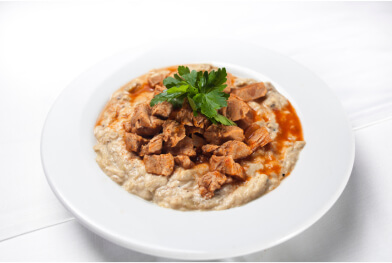
Next up is our main course: Hunkar Begendi, a traditional Turkish dish of meat stew over eggplant sauce. This recipe will provide four servings:
Eggplant sauce ingredients:
- 2 eggplants
- ½ cup water
- ½ cup milk
- 1 tablespoon flour
- 1 tablespoon butter
- 1 handful grated cheddar cheese
Meat stew ingredients:
- 400 grams of beef, cut into bite-sized pieces
- 1 onion, finely chopped
- 1 tomato, chopped
- 1 tablespoon tomato paste
- 2 teaspoons paprika
- 1 pinch black pepper
- 1 pinch cumin
- Salt
- ¼ cup vegetable oil
- 4 cups hot water
Step-by-step:
- Heat vegetable oil in a pressure cooker.
- Add meat and cook until it turns a light brown.
- Add chopped onion and cook until translucent.
- Add tomato paste and paprika. Cook and stir for 2-3 minutes.
- Add chopped tomato and cook until softened.
- Add black pepper, cumin and 4 cups water. Stir.
- With lid on, cook according to pressure cooker’s instructions.
- Add salt and continue to boil in order to reduce the sauce to your desired consistency.
- Roast eggplants in the oven or over the stove.
- Peel eggplant skin and finely chop.
- Melt butter in a saucepan.
- Add flour to saucepan and stir for 3 minutes.
- Add chopped eggplants to saucepan and stir for 1-2 minutes.
- Add milk, water and salt and cook, constantly stirring until thickened.
- Remove from heat, add cheddar and stir.
- Pour the eggplant sauce on a serving platter.
- Pour the meat sauce on top.
Dessert
By now, you’ll likely be almost full. So top off your meal with a delicious güllaç, a classic Ramadan sherbet-based dessert that will cap the night perfectly.
Ingredients:
- 200 grams güllaç leaves
- 1 liter milk
- 1 glass sugar
- ½ cup ground hazelnuts
- ½ cup grounded shelled almonds
- 1 tablespoon rose water
- Vanilla ground with the tip of a knife
- 2 small pieces of mastic gum, crushed and powdered

Step-by-step:
- Pour milk into a saucepan
- Add sugar, rose water, vanilla and mastic gum, and mix
- Heat pan on stove on medium heat, without letting it boil
- Break the güllaç leaves and spread them them in an oven dish, then pour the milk mix over them with a ladle
- After arranging and soaking half the leaves, sprinkle hazelnuts and almonds on top
- Place and soak the remaining leaves in the same way on top
- Drizzle the remaining milk mixture over top of the leaves
- Cover and let stand for 30-60 minutes
- Decorate with pistachios, cherry sugar, pomegranate seeds, or whatever you wish, then serve
With these recipes, you are sure to have a delicious iftar for you and your family. Ramadan Mubarak!

What is Hunger?

Hunger refers to a condition of severe and prolonged lack of food or proper nutrients, leading to malnutrition and, in severe cases, starvation. It is a worldwide problem, with an estimated 670 million people going hungry every day, according to the UN World Food Programme. Hunger is not just about the feeling of an empty stomach; it is a severe health issue that can lead to long-term health problems and even death.
There are several primary causes of hunger
Poverty: Poverty is the primary cause of hunger in the world. People living in poverty often lack the financial resources to buy food or grow their food, making them more vulnerable to hunger. Poverty is also often linked to lack of education, poor health, and inadequate sanitation, which can further exacerbate hunger.
Climate change: Climate change is a growing cause of hunger as it affects agricultural production, making it difficult for farmers to grow crops. Extreme weather conditions such as drought, floods, and storms destroy crops, reducing food availability, and increasing food prices, which makes it harder for people to access food.

Conflict: Conflict and war can lead to the displacement of people, making it harder for them to access food. In addition, war can destroy agricultural infrastructure, making it difficult for people to produce food. Conflict can also lead to economic instability, making it difficult for people to afford food.
Lack of education: Lack of education, caused by poor economic conditions in some parts of the world, is another factor that can cause hunger. Educated people are more likely to be employed and have a higher income, making it easier for them to afford food. Education can also provide people with the knowledge they need to grow their food or make better food choices, improving their nutritional status.

Inadequate distribution: Inadequate food distribution is another cause of hunger. Even when there is enough food, it may not be distributed to those who need it. This can be due to various factors such as lack of infrastructure or political and economic instability.
Despite the fact that the world produces more than enough food to sustain all of us, hunger remains a significant problem, whose structural causes must be dealt with by all of us working together in the months and years ahead. In the meantime, there is much we can do to address the hunger that millions of people feel right now.
How you (and Embrace Relief) can help
The time is always right to consider the suffering of those less fortunate. But during Ramadan 2023, it is a particularly poignant moment to open your hearts to the millions of people around the world who are going hungry. During this time of fasting and reflection, one can easily understand the pain and hunger that so many feel throughout the year.
That’s why Embrace Relief has launched its International Hunger Relief: Ramadan 2023 campaign. This campaign will put hot meals and food packages on the tables of those who need it most.
And by donating to Embrace Relief, you can directly support our food distribution in more than a dozen countries, including earthquake-ravaged Turkey, conflict-stricken Yemen, several countries in Africa, refugees in Greece, and our neighbors right here in the United States.
Last year, thanks to the generosity of donors like you, Embrace Relief helped to feed more than 36,000 people during this campaign. In 2023, we want to reach even more people in need, and your support makes that possible. Donating any amount of money will make a difference – the amounts below represent the cost of one food package that will feed a family for one week:

Put your name at a Water Well in Africa
Open a Water Well in Africa With Embrace Relief and It’s Yours to Name
Make a real impact and leave a lasting legacy on the world with just $1,500! Embrace Relief’s Fountains of Hope project is transforming lives by rebuilding hundreds of water wells across Africa, empowering communities to prosper and making the world a brighter place.
Every dollar donated is critical for the health, happiness and prosperity of our Fountains of Hope communities. But did you know that with a donation of $1,500 to Fountains of Hope, you can cover the full cost of one water well reconstruction, restoring the flow of water for an entire community of 1,000+ people?
And that’s not all!
A donation of that amount will also allow you to name your water well after yourself, your family or loved ones, or anyone else you choose. It’s a once-in-a-lifetime opportunity to honor the people closest to you while also making a difference for people in need.
Imagine seeing your name, or a name of your choosing, proudly displayed on this life-changing water well! Your generosity will be etched into the very source of life for an entire community, leaving a mark that will endure for generations!
To get started, simply fill out the form located at the following link (or at the bottom of this page) to let Embrace Relief know you’d like to start your Fountains of Hope project:
A water well is the greatest gift you can give, and it is the key to unlocking vast amounts of human potential in Chad, Cameroon and Nigeria. However, more than 50 percent of water wells in this region are broken at any given time. Fountains of Hope identifies these broken wells and repairs them, giving nearby communities a chance to thrive once more. In each of our Fountains of Hope communities, we see a flourishing of human happiness, with better public health, children free to learn and grow, and women with opportunities to pursue their dreams.
That’s why your $1,500 gift isn’t just a donation; it’s an investment in humanity, dignity, and progress. Together, we can empower a community, alleviate suffering, and offer hope for a better tomorrow. Donate now and imprint your legacy on a well that will sustain lives for years to come!
Global Hunger Facts 2023
Summary
- In the aftermath of the COVID-19 pandemic, world hunger levels continue to rise.
- Learn about how Africa continues to be hit hardest by a combination of factors, resulting in continually worsening hunger.
- But you can make a difference in the world hunger crisis. Support Embrace Relief’s International Hunger Relief campaigns and help us provide food packages and hot meals to those in need.

The latest estimates from the U.N. World Food Programme declare that 700 million people worldwide – nearly 1 out of every 11 people on the planet – are living with hunger in 2023. While this is a notable improvement from levels of hunger observed during the height of COVID-19, this number still represents an increase in hunger since 2019. Global hunger is driven by a number of factors, including residual supply issues from the COVID pandemic, climate change and natural disasters, and conflict. And despite positive trends elsewhere, hunger continues to especially sharply in Africa, where more than one-third of the world’s hungry people live.
The Global Hunger Index notes that most of the least food-secure countries in the world as of 2023 are located in sub-Saharan Africa. The GHI measures key hunger statistics in 135 countries, including:
- The percentage of the population of a country affected by undernourishment
- The percentage of a country’s children suffering from wasting (low body weight for one’s height)
- The percentage of country’s children suffering from stunting (low height for one’s age)
- A country’s child mortality rate
These figures are then rated on a 100-point scale relative to the highest-observed figures, meaning that the country with the highest level of undernourishment would receive a score of 100 in its category, and so on. These scores are then aggregated according to a formula to produce an overall score between 0 (no hunger) and 100 (worst hunger).
According to this formula, 14 of the 19 hungriest countries on earth are located in sub-Saharan Africa, with Burundi, South Sudan, the Central African Republic, Madagascar, Democratic Republic of the Congo and Chad all ranking in the top 10 with GHI scores of 37 or higher.
Humans produce more than enough food in a typical year to feed every single person. The biggest issue, then, is making food access equitable. The biggest current drivers of hunger are conflict, climate change and natural disasters, and the aftermath of the COVID-19 pandemic. All three of these drivers can be found in sub-Saharan Africa, as well as in places like Yemen and Afghanistan, presenting challenges for ensuring that all people have enough to eat.
But experts are now saying there might be cause to worry on the food production front, too. A combination of drought and other phenomena associated with climate change, poor harvests, the pandemic, and conflict could leave the world vulnerable to a food shortage, driving up prices and making it significantly more challenging for people in low-income countries to feed themselves and their families. That means we need to be acting doubly urgent to ensure that the crisis does not get any worse.
How Embrace Relief is helping feed people in need
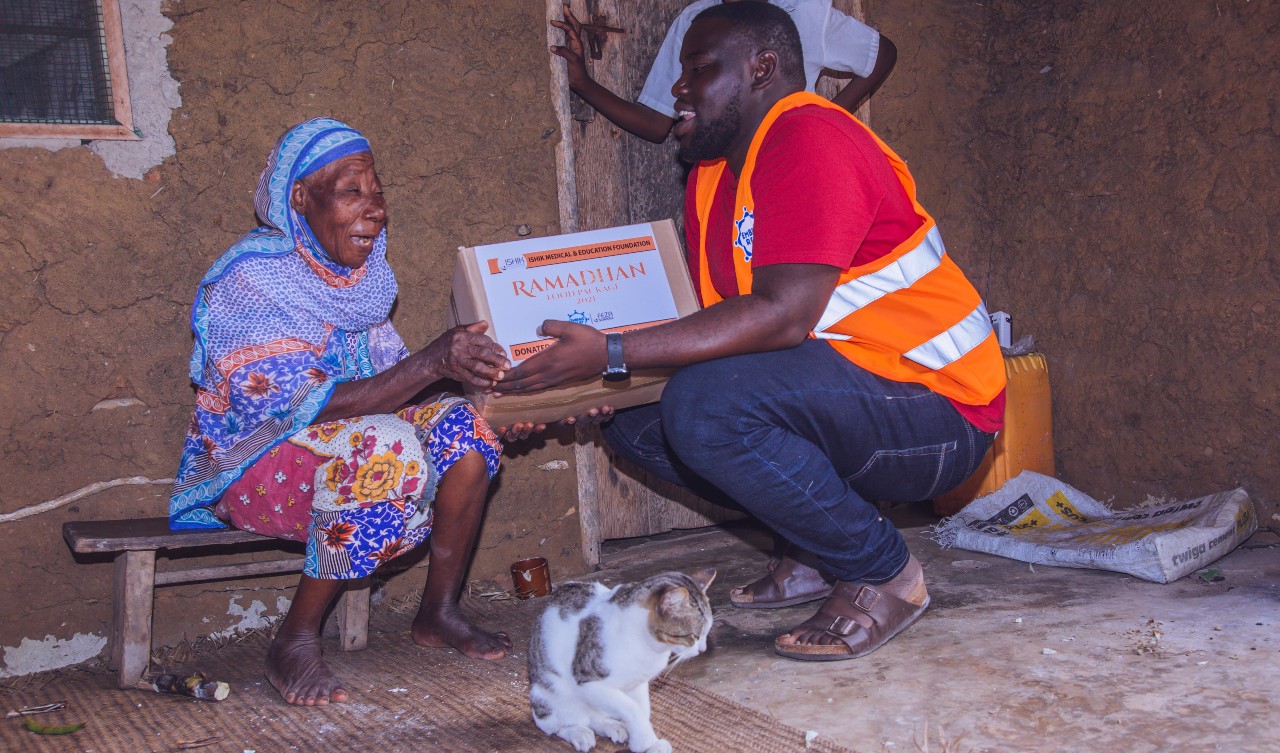
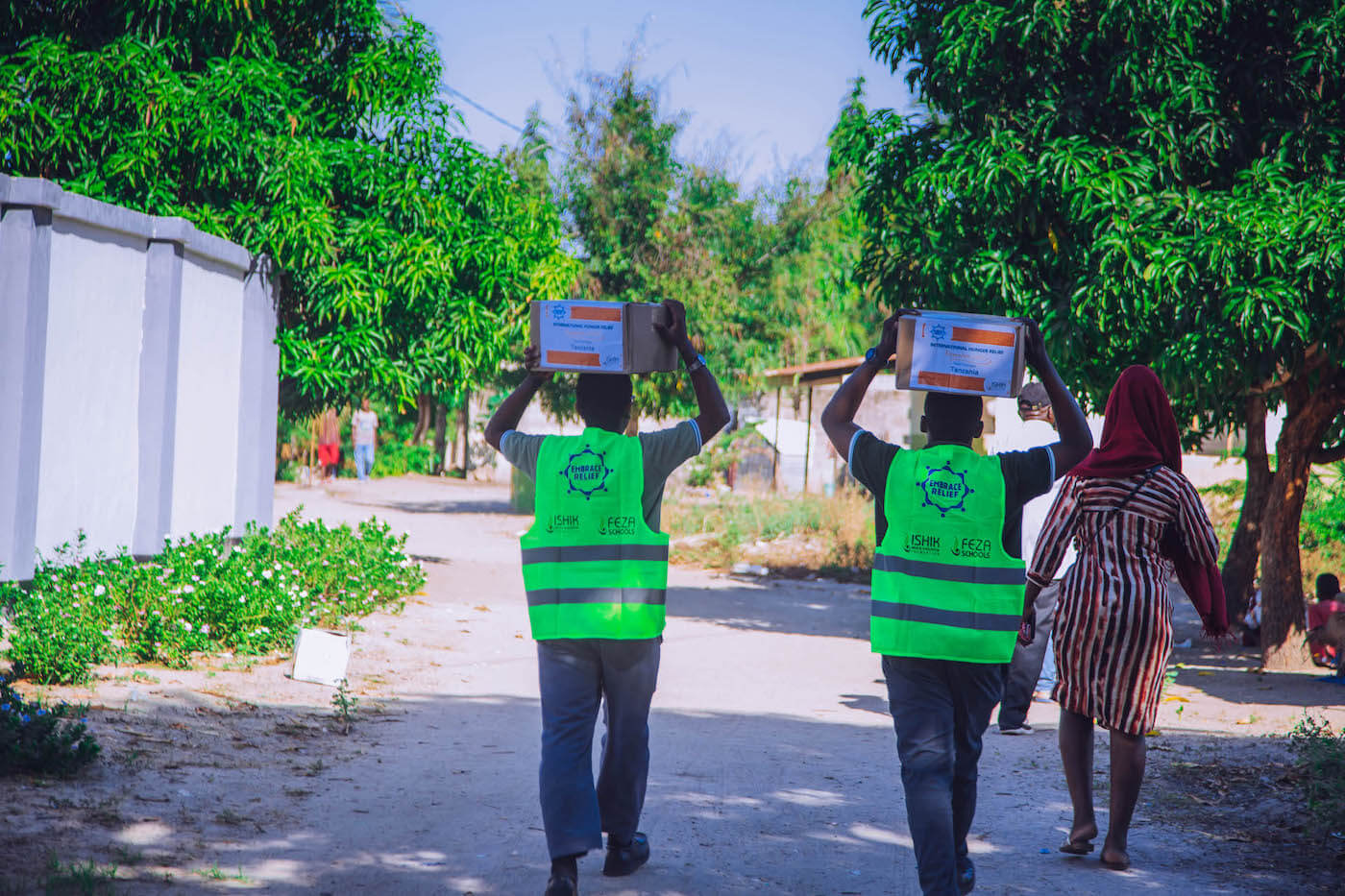
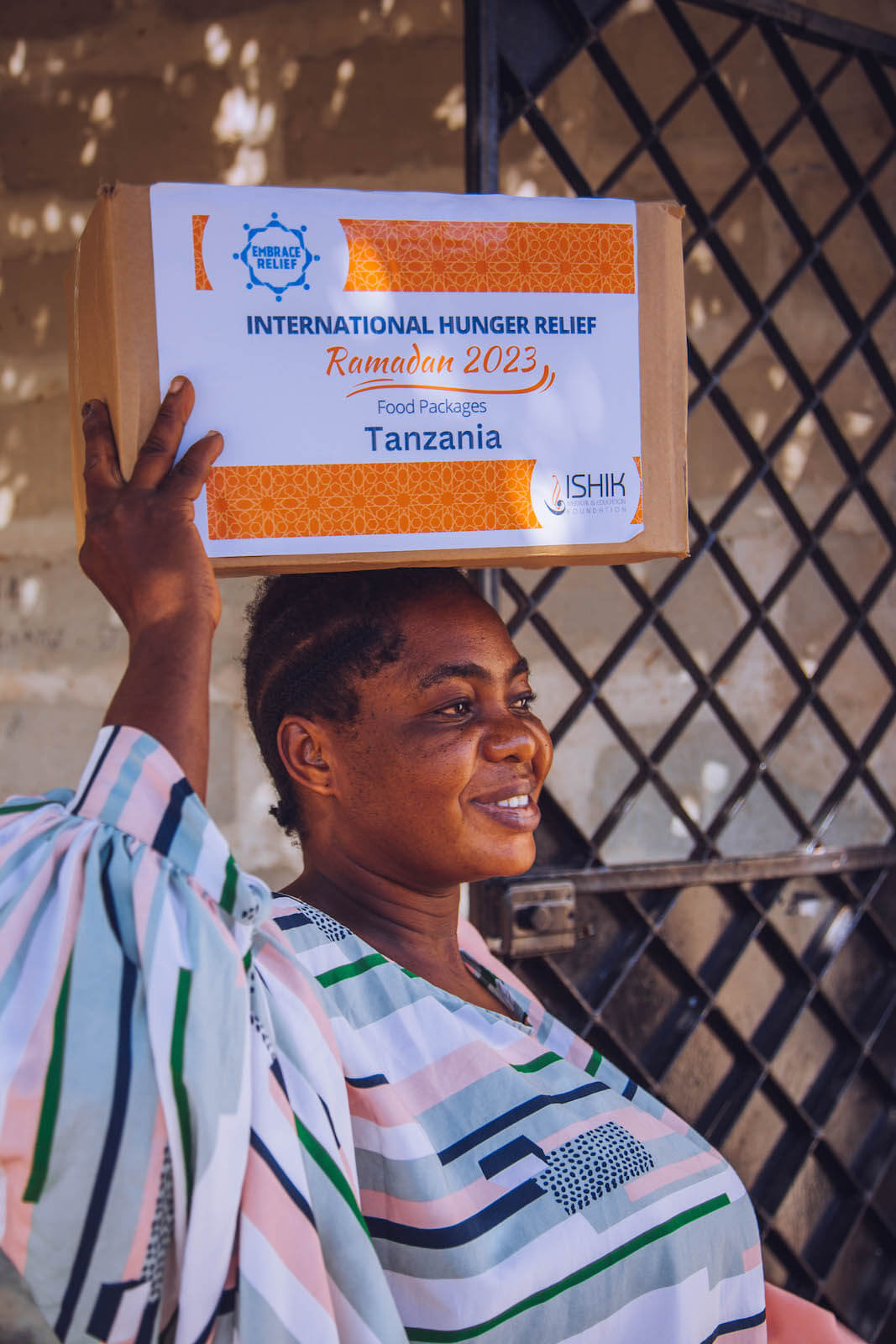
Providing food to people in need around the world is a foundational part of Embrace Relief’s work. We support and operate food distributions throughout the year in dozens of countries, delivering much-needed nutritious food to people in need around the globe. Our annual International Hunger Relief campaigns make the greatest impact: during our two International Hunger Relief 2023 campaigns alone, Embrace Relief delivered food packages and meat packages to more than 150,000 people in over 20 countries, from sub-Saharan Africa and Yemen, to Afghanistan and Indonesia, from Greece to the United States.
Easing hunger is a team effort, and we can’t do any of this without you. Donate to Embrace Relief’s Hunger Relief efforts in the box below and you can be part of the solution for the many millions of people living with hunger around the world. Your donation will support food distributions in one of the many countries we serve – and every dollar you donate makes a difference.
So please, donate today. Every contribution you make helps one more family go to bed on a full stomach, and brings us one small step closer to ending world hunger.
Donate For Ramadan 2025
Embrace Relief aims to provide 100,000 people with nutritious food during our International Hunger Relief: Ramadan 2025 campaign.

5 Foods To Help You Break Your Ramadan Fast
The Ramadan fast encourages spiritual reflection, self-discipline, and increased devotion for Muslims worldwide. For an entire month, the rising and setting sun marks the beginning and end of the fast. The evening and early-morning hours are essential for eating right and ensuring that the body gets the right amount of nutrients before and after a long day of fasting.
In this article, we will discuss five foods you should eat when breaking a Ramadan fast, and explain why they are beneficial for your health:
1. Dates: Dates have been a traditional food for breaking the Ramadan fast for centuries. They are high in sugar, fiber, and energy, making them an excellent choice for replenishing the body’s energy levels quickly. Dates are also rich in essential minerals, such as potassium, calcium, and magnesium, which are crucial for maintaining a healthy heart and muscles. Additionally, dates contain antioxidants that help protect the body against damage from harmful free radicals.
2. Soups: Soups are a great food to break your fast with, as they are hydrating and easy to digest. A warm bowl of soup can also help calm the digestive system and ease any discomfort caused by the day’s fast. Vegetable soups are an excellent choice, as they are low in calories, high in fiber, and loaded with nutrients. Adding legumes, such as lentils or chickpeas, can also increase the protein and fiber content of your soup.

3. Yogurt: Yogurt is a great food to break your fast with, as it is rich in protein, calcium, and probiotics. Probiotics are beneficial bacteria that help maintain a healthy gut microbiome, which is essential for overall health. Eating yogurt can also help regulate blood sugar levels, which can be beneficial for people with diabetes.
4. Whole grains: Whole grains like brown rice, quinoa, and barley are excellent sources of complex carbohydrates, which provide sustained energy and help maintain blood sugar levels. They are also rich in fiber, which aids digestion and promotes satiety. Whole grains can be consumed as part of a main meal or as a side dish.
5. Fresh fruits and vegetables: Fresh fruits and vegetables are an essential part of any healthy diet, and they are particularly beneficial when breaking a Ramadan fast. Fruits and vegetables are loaded with essential vitamins, minerals, and fiber, which can help replenish the body’s nutrients after a long day of fasting. Additionally, they are low in calories, making them an excellent choice for those looking to maintain a healthy weight.

And while it’s not food, here’s one extra tip:
6. Water: Staying hydrated is just as crucial as eating nutritously during Ramadan, as the body can lose fluids through sweating and urination. Drinking plenty of water during the non-fasting hours can help prevent dehydration and keep the body functioning optimally.
In conclusion, when breaking a Ramadan fast, it is essential to eat foods that are nutrient-dense, hydrating, and easy to digest. Dates, soups, yogurt, grilled or baked fish, and fresh fruits and vegetables are all excellent choices that can help replenish the body’s nutrients and provide energy for the night ahead. Incorporating these foods into your suhur and iftar meals can help ensure that you stay healthy and nourished throughout the month of Ramadan.
Help those less fortunate eat healthy this Ramadan with Embrace Relief
During this time of year, we must always consider the millions of people worldwide who go hungry every day because they lack food and the resources to acquire food. Nutritious food is a human right. And during this year’s Ramadan, you can help make this a reality for thousands of people around the world!
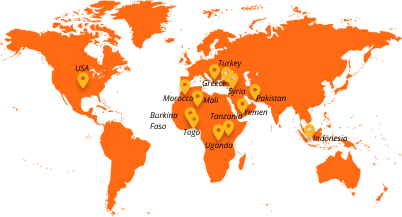
All it takes is a donation to Embrace Relief’s International Hunger Relief: Ramadan 2025 campaign. Every dollar you donate will help us provide nutritious food packages to those who need it most – whether they live in Tanzania, Mali, Yemen, Indonesia, Greece, or in the United States.
During last year’s International Hunger Relief: Ramadan campaign, thanks to the generosity of donors like you, Embrace Relief was able to distribute food to more than 68,000 people in 21 countries spanning 5 continents. In 2025, we want to make an even greater impact – but we need your help to do it!
When you give to Embrace Relief this Ramadan, every single dollar you donate will make a massive difference in the life of a vulnerable family. Just $35 can provide a family of five with enough food for a full week, so don’t delay! Donate today using the form below and help Embrace Relief share nutritious food with our friends around the globe.
Donate For Ramadan 2025
Embrace Relief aims to provide 100,000 people with nutritious food during our International Hunger Relief: Ramadan 2025 campaign.

Four ways to teach your children about charity

Ramadan 2023 begins at sundown on March 22 and continues until April 21. It is a time of spiritual reflection and a time for sharing with others. And if you are a parent, Ramadan also offers an excellent opportunity to explain the importance of charity to your child.
By explaining to a child that charity is the act of giving to those in need, parents can instill empathy, kindness, and generosity in their child. Children can learn about the struggles of others and understand the importance of giving back to the community. Furthermore, teaching a child about charity can help them develop a sense of social responsibility. They can learn that even small acts of kindness can make a big difference in someone else’s life.
So how can you encourage your children to become charitable, empathetic young people during this special time of year? Here are four tips:
1.Link charity to Ramadan: Explain to your children that Ramadan is a time of spiritual reflection and that it’s also a time for giving to others. You can tell them that Muslims believe that giving to charity during Ramadan is especially important, as it’s a way of seeking Allah’s blessings and forgiveness.

2. Lead by example: Children often learn by example, so it’s important for parents to demonstrate charitable behavior during Ramadan. You can involve your children in your own charitable activities, such as donating to a food bank or volunteering at a homeless shelter. This will help your children see the importance of giving to others.

3. Encourage children to give: Children may have a natural inclination to help others, so it’s important to encourage this behavior. You can ask your children to choose a charity they would like to support and help them set aside some money to donate. You can also encourage them to volunteer their time to a charitable cause.

4. Teach gratitude: Finally, it’s important to teach your children to be grateful for what they have. You can explain that not everyone is as fortunate and that by giving to others, we can help make the world a better place. Encourage your children to reflect on what they are thankful for and to think about how they can help others who may not be as fortunate.

Overall, teaching children about charity can promote positive values and help them become caring and responsible members of society. It can also help them develop a sense of gratitude for what they have and an appreciation for the importance of helping others in need.
Help Embrace Relief deliver hunger relief this Ramadan
If you’re looking for a worthy cause to support during the month of Ramadan, Embrace Relief’s International Hunger Relief 2023: Ramadan campaign is ideal.
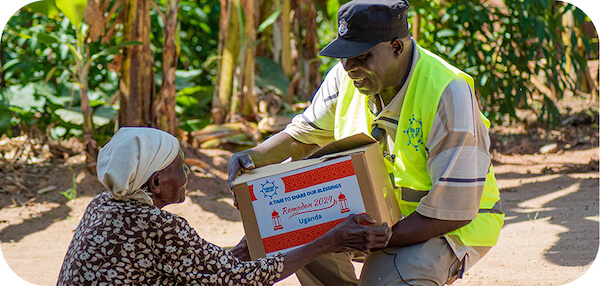
Throughout the month, Embrace Relief will be on the ground delivering nutritious food packages to people in need across the globe. Your donation will help ease the hunger of thousands of people in more than a dozen countries across Africa, as well as Yemen, Greece, and the United States.
We have enough food to feed every person on earth. But we must all work together to ensure that none go hungry. Donate to Embrace Relief today and let’s fight hunger!

EMBRACE RELIEF
Embrace Relief is a 501 (c)(3) non-profit international humanitarian relief and development organization.
All your donations are tax-deductible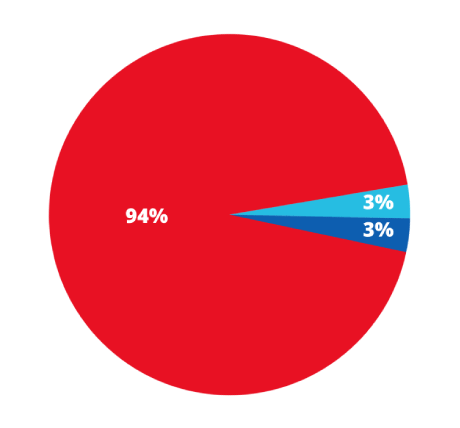
In 2023, 94% of your donation went directly to the program or cause you donated to.