


Recent

How Much Does Cataract Surgery Cost Without Insurance?

Summary

  • Without insurance, cataract surgery in the U.S. can cost anywhere from $3,500 to $7,000 per eye
  • While Americans weigh high medical bills, millions worldwide go blind for lack of access
  • For just $120, Embrace Relief is curing cataracts and transforming lives in Mali.

In the United States, the price of clarity can come with a hefty price tag. Cataract surgery is an outpatient procedure that replaces a clouded lens with a clear artificial one, which typically costs between $3,500 to $7,000 per eye without insurance. The exact cost varies based on the surgeon, the clinic, and the type of intraocular lens (IOL) used.

Add in pre- and post-operative care, diagnostics, and optional premium lenses, and the bill can quickly escalate. For many uninsured or underinsured Americans, this is an impossible expense leaving them to live in a fog that slowly robs them of independence, mobility, and quality of life.

Cataracts are the leading cause of blindness worldwide and one of the most treatable. In the U.S., access exists, but affordability often doesn’t. As healthcare costs rise and out-of-pocket expenses balloon, even routine vision-saving procedures become luxury items for those without coverage.

While millions in the U.S. navigate a costly healthcare maze, others across the globe face a different crisis: total blindness from something that could be cured in 15 minutes.

How Embrace Relief is Helping Cure Cataracts in Mali?

In Mali, cataracts don’t just blur vision they halt lives. Thousands of people, especially in rural areas like Sikasso, go blind every year from a condition that is both entirely preventable and entirely curable. But without access to surgical care, many remain in darkness.

Embrace Relief’s Cure Cataracts program is changing that.

Embrace Relief’s Cure Cataracts program

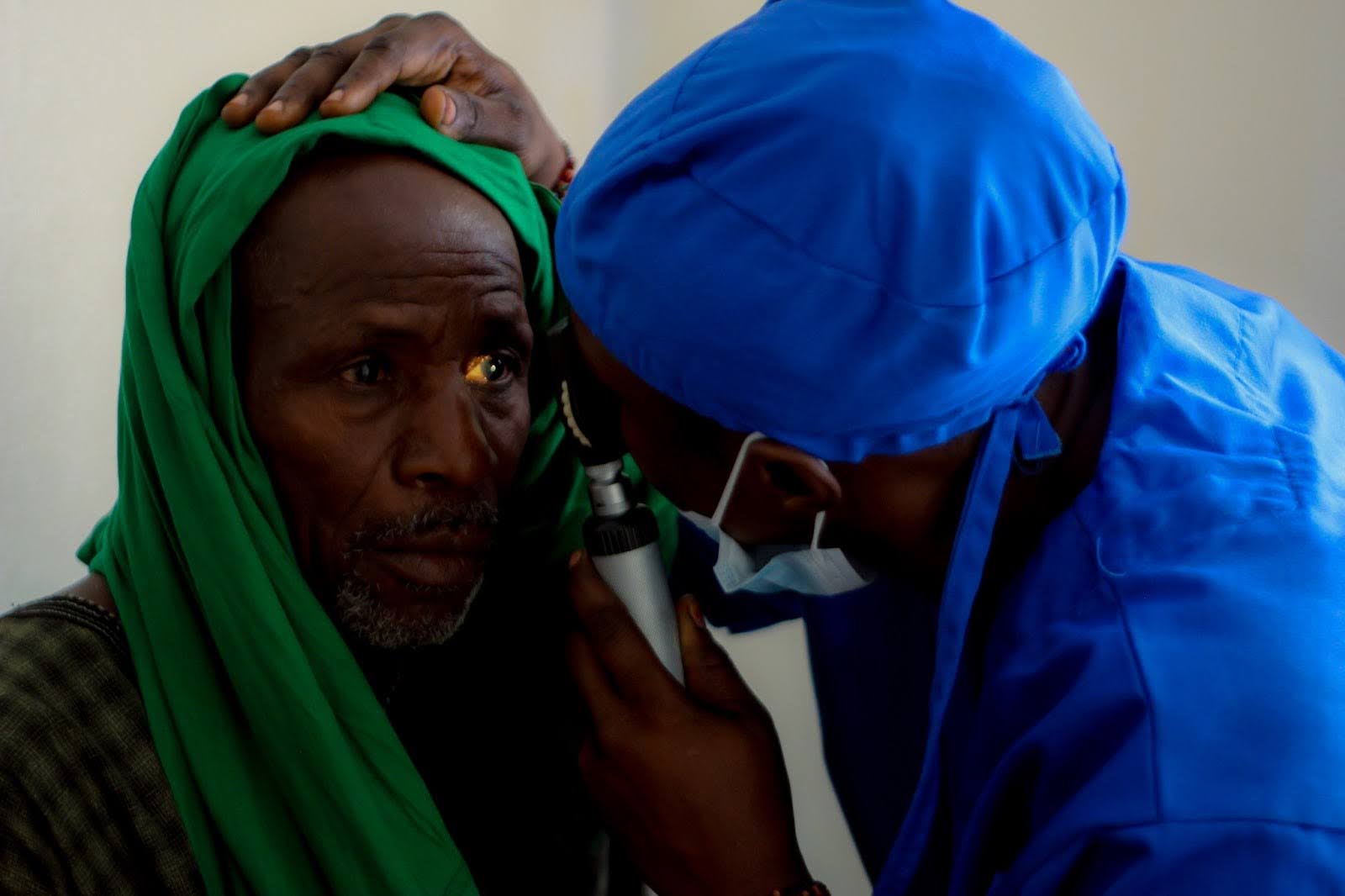
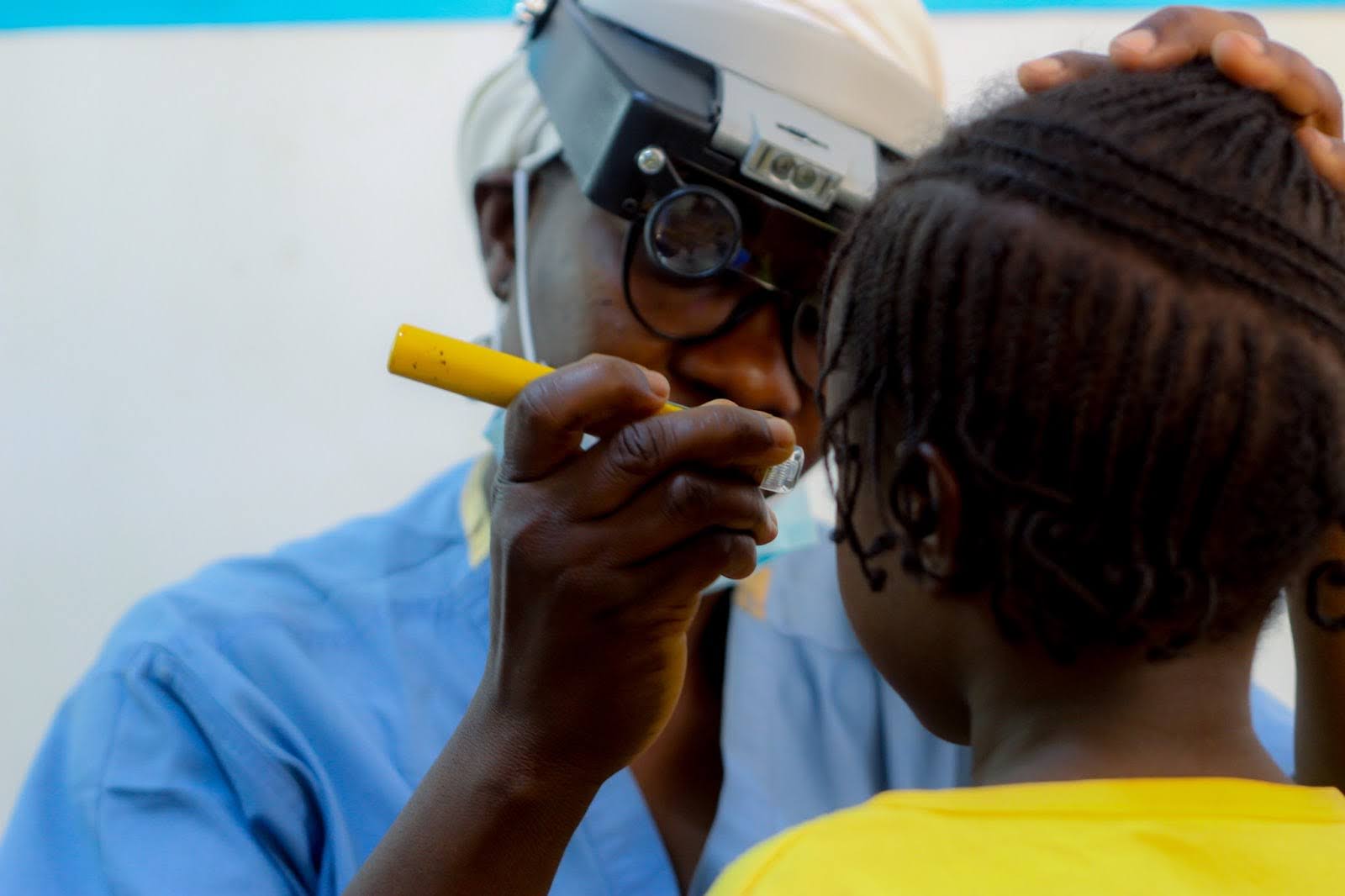
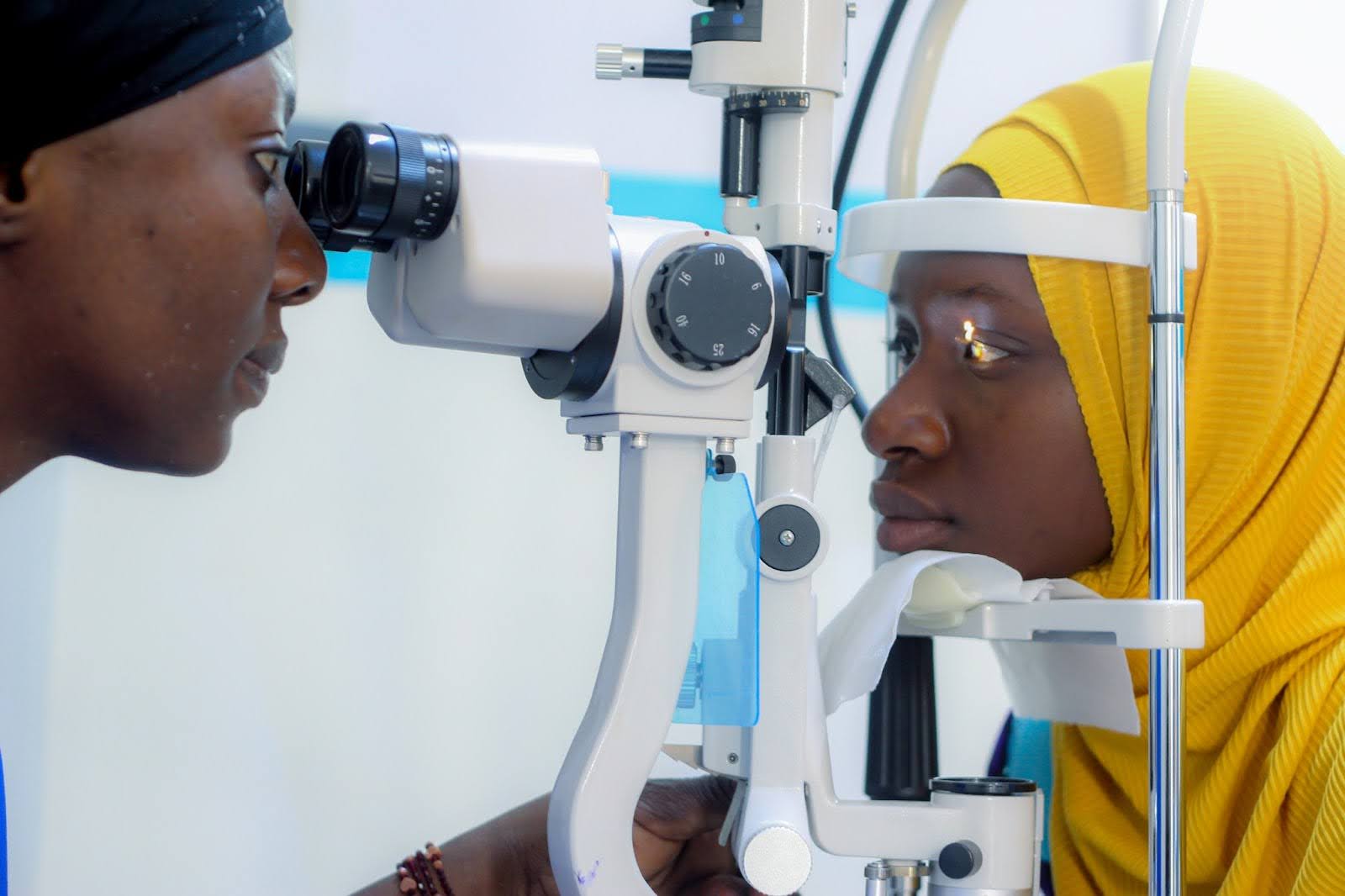
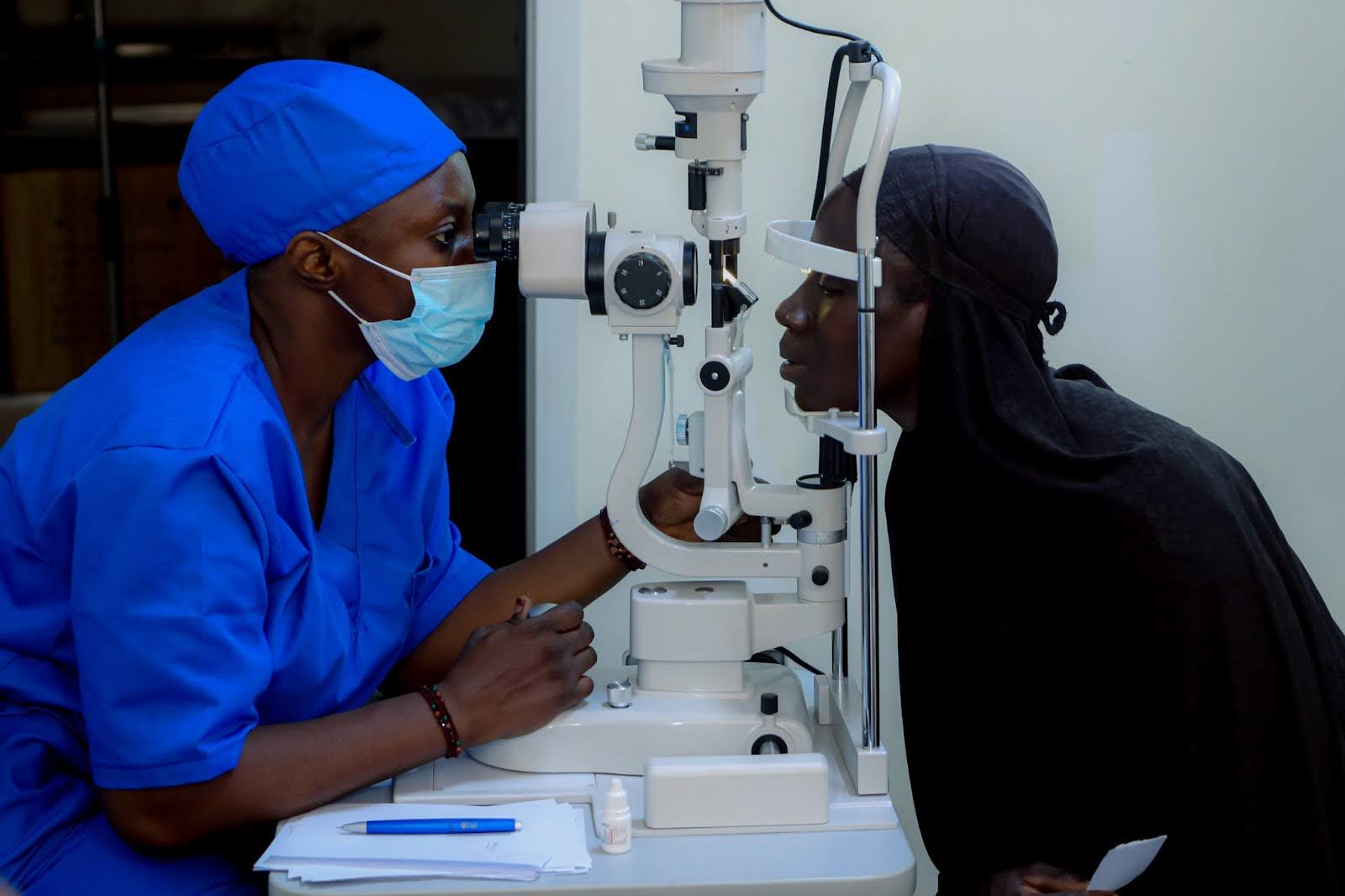
By partnering with local medical teams, Embrace Relief brings free cataract surgeries to underserved communities restoring vision and restoring dignity. Each operation costs just $120 — a cost that also covers 15 medical screenings to identify patients in need of a surgery — and takes less than 20 minutes, yet the impact is lifelong.

In a region where healthcare infrastructure is limited, these surgeries mean everything. They allow mothers to see their children again, elders to walk safely without assistance, and workers to return to their livelihoods. What might cost thousands in the U.S. is being delivered at a fraction of the price and with a fraction of the delay in Mali.

Embrace Relief’s approach is sustainable, community-based, and driven by compassion. And as the world continues to debate the economics of healthcare, this program proves that saving sight doesn’t have to break the bank, it just has to matter.

For more information on Embrace Relief’s Cataracts Surgeries , click here!
How You Can Help: The Gift of Sight

A simple cataract surgery, which costs only $100, can transform a life. With your support, our Embrace Relief’s health clinics can provide these surgeries to those in need, giving them the gift of sight and the opportunity for a better future. Here’s how your donation can make a difference:

  • $120 Donation: Funds one complete cataract surgery, restoring sight to an individual in need.
  • $240 Donation: Supports two surgeries, doubling the impact.
  • $600 Donation: Helps five people regain their vision, enhancing their quality of life and ability to contribute to their communities.

Your donation can make a significant difference in the lives of those suffering from cataracts in Mali and Burkina Faso. For just $120, you can fund a cataract surgery and give someone the precious gift of sight.

Help us light up lives and drive away the darkness caused by cataracts. Donate now and be a part of this life-changing mission.

$

Virtual Reality in Classrooms: Gimmick or Game-Changer?

Summary

  • Discover how VR enhances student engagement, retention, and experiential learning in classrooms.
  • Examine both the benefits and challenges of integrating VR into education systems.
  • Learn how Embrace Relief’s L.E.A.R.N. program brings innovative, accessible education to Afghan girls in need.

Step aside, chalkboards and textbooks; classrooms today are donning headsets. With the rise of Virtual Reality (VR) in education, students are dissecting 3D organs, exploring ancient Rome, or walking on the surface of Mars, all without leaving their desks. The promise of VR in classrooms is bold: immersive, hands-on learning that boosts comprehension, engagement, and memory retention. But is this groundbreaking technology here to stay, or is it just an expensive distraction?

The global VR education market is expected to hit $32.9 billion by 2030, according to Grand View Research, and major platforms like Meta’s Quest for Education and Google Expeditions are helping schools implement virtual field trips, science labs, and historical recreations. This technology brings content to life in a way traditional methods can’t. A 2022 PwC study found that VR learners are 4x faster to train than in traditional classrooms and 1.5x more focused. Another study from the University of Maryland showed VR learners retained information nearly 10% better than those using conventional digital methods.

And students aren’t the only ones benefiting. VR enables teachers to simulate risky experiments or inaccessible environments, like exploring volcanoes or understanding nuclear reactions, with zero safety concerns. In fields like medicine, architecture, and engineering, VR has already become a cornerstone of training.

Still, there are challenges. VR headsets are expensive, require stable internet, and can lead to physical strain or motion sickness in some users. Schools in lower-income regions may struggle with implementation, further widening the digital divide. There’s also the risk of novelty: without proper curriculum integration, VR can become more entertainment than education.

But for the students who do have access, the impact is undeniable. VR can increase empathy (such as walking through a refugee camp simulation), improve engagement for students with learning differences, and offer a level of personalization that redefines what it means to “be present” in class.

How Embrace Relief’s L.E.A.R.N. Program Delivers Innovation Without the Headset

How Embrace Relief’s L.E.A.R.N. Program Delivers Innovation Without the Headset

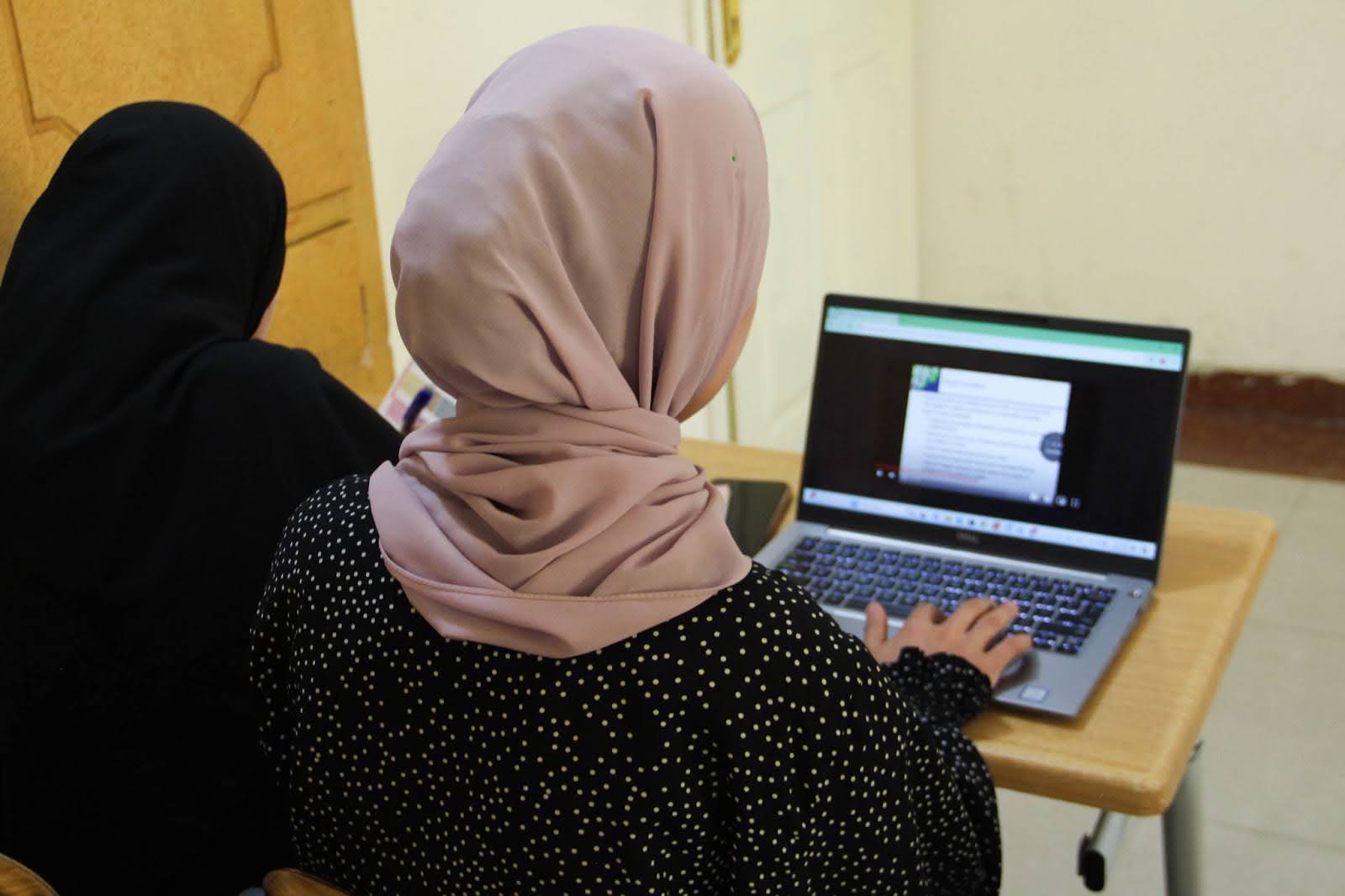
While VR headsets may still be out of reach for many, digital innovation in education doesn’t require cutting-edge gear to make a difference. Embrace Relief’s L.E.A.R.N. (Learning and Education for Afghan girls’ Rights and Needs) program brings safe, remote access to high school and university-level education for girls in Afghanistan, offering something just as transformative as VR: opportunity.

Through mobile devices and secure internet access, students in the L.E.A.R.N. program take courses in fields like Computer Applications and English, equipping them with digital literacy and career-ready skills. In regions where traditional schooling is inaccessible, L.E.A.R.N. offers a life-changing path forward.

And the best part? You can support this transformation directly.

For just $80/month, you can sponsor a girl’s bachelor’s degree, covering tuition, mentorship, and access to a secure, online learning platform. These monthly donations help break the cycle of poverty, empower future leaders, and build a more equitable world, one student at a time.

Whether it’s through immersive VR simulations or secure digital classrooms, technology is changing how we learn, and who gets to learn. Let’s ensure that transformation reaches everyone.

For more information on the Embrace Relief L.E.A.R.N. program, click here.

Donate For Women’s Empowerment

$
Donate Now

The Rise of Designer Eye Care: Is Vision the New Status Symbol?

Summary

  • Premium vision care is booming from elective LASIK to cosmetic lens implants
  • Meanwhile, cataracts easily cured with a 15-minute surgery are leaving people in developing countries trapped in darkness
  • As some pay for perfect 20/20, Embrace Relief is restoring basic sight and dignity for just $120 a person

Sight used to be survival. Now, it’s a status symbol.

In luxury clinics and glossy magazine spreads, a new kind of vision is in focus: elective eye care that blends fashion, tech, and prestige. From laser-perfect LASIK to designer glasses and colored contact lenses, seeing clearly has become a lifestyle upgrade one that often comes with a designer price tag.

Take Lindberg or Cartier frames, retailing for thousands of dollars and worn more like jewelry than necessity. Or premium eye surgeries at boutique vision centers that promise customized 20/20 results with mood lighting and spa music. There’s even a booming market for cosmetic iris implants letting people “change” their eye color for the right price.

According to industry reports, the global eyewear market is expected to surpass $300 billion by 2030, driven by style-conscious consumers seeking personalization and status. Luxury eye care isn’t just about health anymore it’s about identity, influence, and Instagram.

Top-tier vision centers now offer retinal scans with AI diagnostics, vision enhancement plans, and surgical add-ons like multifocal lenses or blue-light filters, all tailored to your specific lifestyle. In fashion, eyewear is curated like runway looks: optical exclusivity meets aesthetic appeal.

But while the elite customize their sight, millions are slipping into total darkness due to conditions that are entirely treatable.

From Boutique Clinics to Blindness: Vision for All with Embrace Relief

As the world spends billions on laser surgeries, designer lenses, and boutique vision centers, millions of people are losing their sight simply because they can’t afford basic cataract surgery. At Embrace Relief, we believe clear vision should be a human right, not a luxury upgrade.

That’s why we launched the Cataract Surgery Program, bringing life-changing eye care to underserved communities in places like Sikasso, Mali, where hundreds are living in avoidable darkness. Cataracts are the leading cause of blindness worldwide but they can be cured in just 15 minutes with a simple procedure.

Each surgery costs only $120. That small amount restores more than sight; it restores independence, dignity, and hope. Parents can see their children again. Elders can walk safely. People can return to work and participate fully in their communities.

These surgeries leave a lasting impact. With local medical teams and sustainable care models, Embrace Relief ensures that these aren’t one-time fixes, but long-term transformations.

Compare $120 to the thousands spent on trend-driven eyewear or cosmetic lenses. The numbers and the impact speak volumes.

Sight shouldn’t be a status symbol. But restoring it can change a life forever.

For more information on Embrace Relief’s Cataracts Surgeries , click here!
How You Can Help: The Gift of Sight

A simple cataract surgery, which costs only $100, can transform a life. With your support, our Embrace Relief’s health clinics can provide these surgeries to those in need, giving them the gift of sight and the opportunity for a better future. Here’s how your donation can make a difference:

  • $120 Donation: Funds one complete cataract surgery, restoring sight to an individual in need.
  • $240 Donation: Supports two surgeries, doubling the impact.
  • $600 Donation: Helps five people regain their vision, enhancing their quality of life and ability to contribute to their communities.

Your donation can make a significant difference in the lives of those suffering from cataracts in Mali and Burkina Faso. For just $120, you can fund a cataract surgery and give someone the precious gift of sight.

Help us light up lives and drive away the darkness caused by cataracts. Donate now and be a part of this life-changing mission.
$

Why Embrace Relief Is the Best Place to Donate Your Qurbani in 2025

Donating your Qurbani is a sacred act of worship during Eid al-Adha, symbolizing devotion, generosity, and solidarity with those in need. In 2025, thousands of Muslims in the USA and worldwide will be searching for the most ethical, efficient, and compliant way to fulfill this obligation. Embrace Relief stands out as one of the most reliable and impactful choices.

As a global humanitarian organization with a proven track record, Embrace Relief ensures that every Qurbani donation is carried out in accordance with Islamic guidelines and reaches the most vulnerable communities around the world. From transparency to operational excellence, here’s why Embrace Relief is the best place to donate your Qurbani in 2025.

1. Full Compliance

Embrace Relief adheres strictly to Islamic principles throughout the Qurbani process. Every sacrifice is performed during the designated days of Eid al-Adha, with animals that meet the required age, health, and ethical standards. The organization works with its network of global partner organizations to ensure the proper recitation of takbeer and that all guidelines regarding the sacrifice of the animal are followed.

This commitment makes Embrace Relief a trustworthy platform for Muslims who want their Qurbani to be accepted in both practice and spirit.

2. Global Reach to Those in Real Need

One of the most compelling reasons to donate Qurbani through Embrace Relief is the direct impact on food-insecure families. Your donation goes far beyond a symbolic gesture. It delivers high-quality meat to regions where access to protein is rare and where Eid may be the only time of year people can enjoy such nourishment.

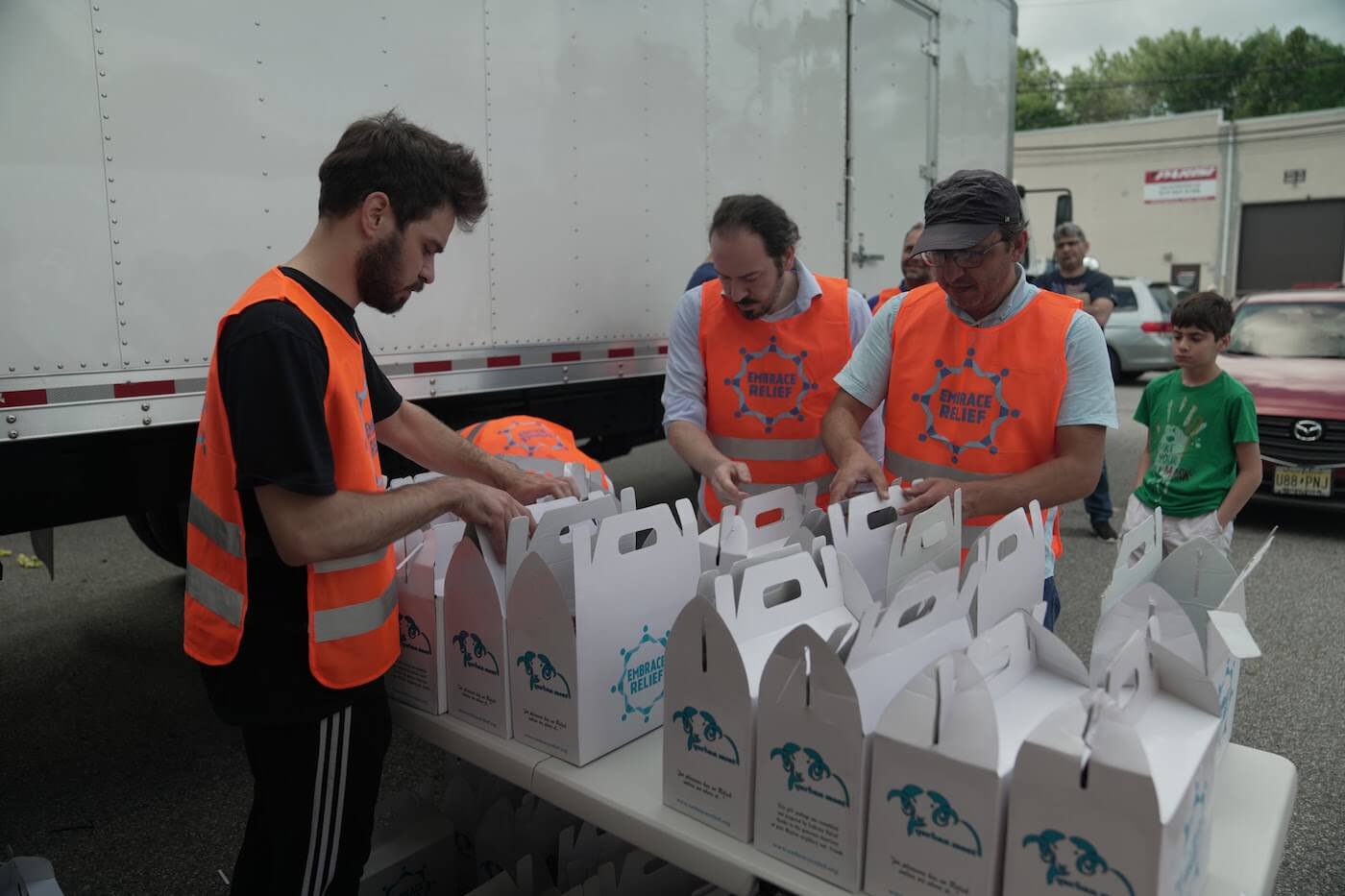
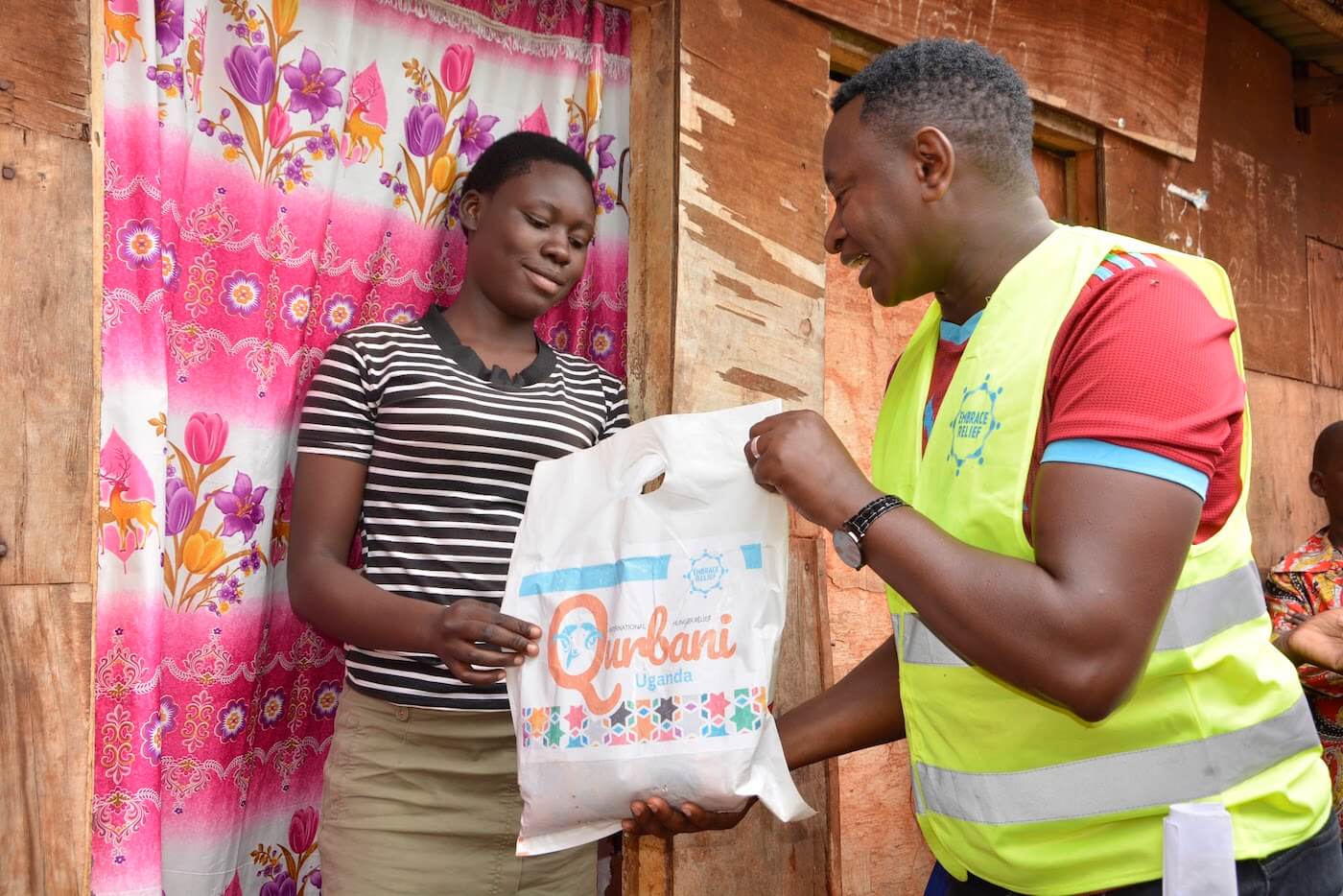
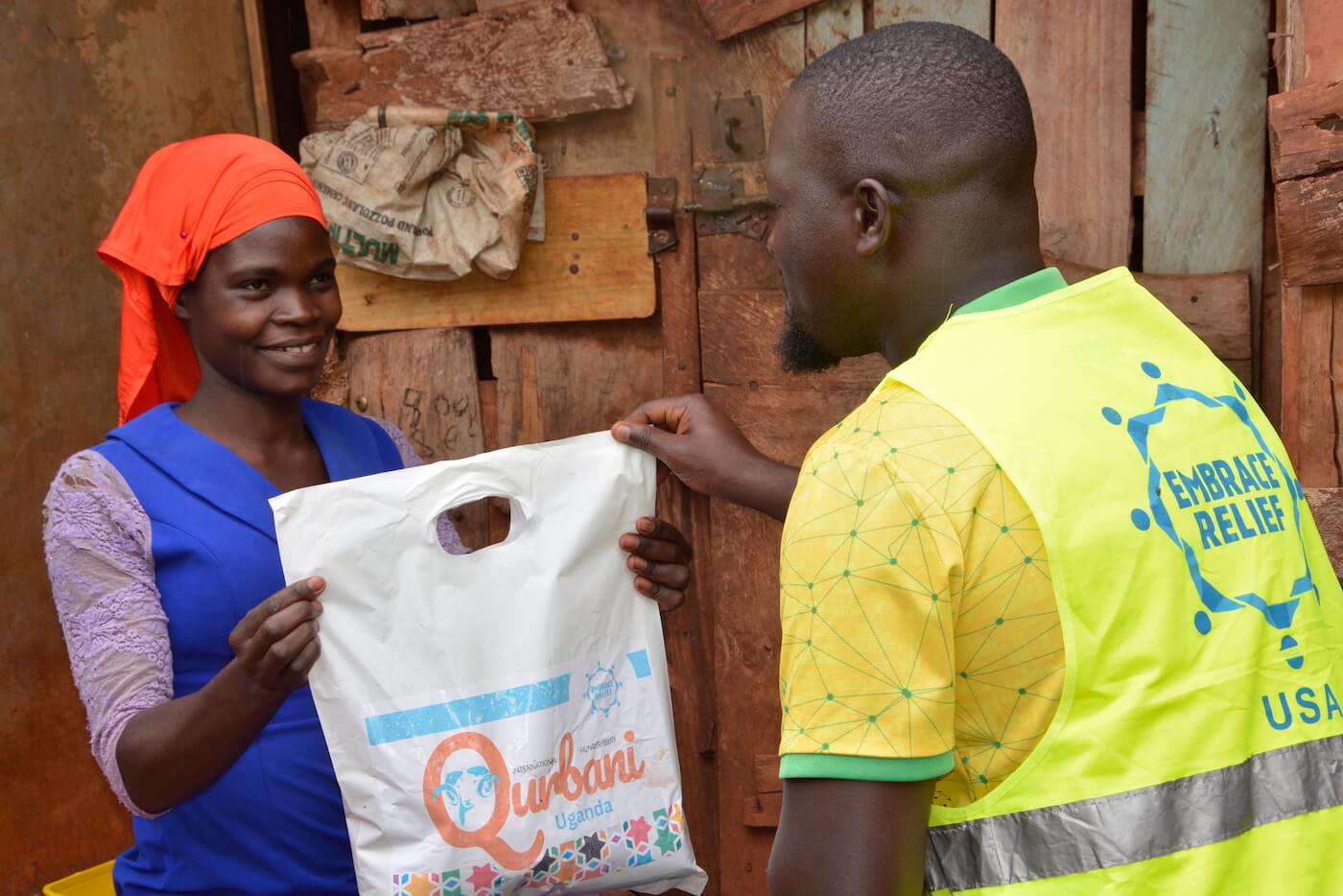
In 2024, Embrace Relief distributed meat packages to more than 180,000 people in 22 countries, reaching communities in need in sub-Saharan Africa, South Asia, the Middle East, South America, and beyond. Embrace Relief ensures that your Qurbani will serve those who need it most, including orphans, widows, refugees, and those living in poverty,

3. Transparent and Verified Process

Donors often wonder what happens after they give. Embrace Relief provides detailed documentation and, in many cases, post-distribution reports, ensuring full transparency in the Qurbani process. Each step—from selection of livestock to distribution of meat—is conducted by trusted local partners and overseen by Embrace Relief’s experienced field teams.

This transparency builds trust and reassures donors that their sacrifice is completed with integrity and accountability.

4. Easy and Secure Online Donations

In 2025, Embrace Relief continues to offer a seamless, user-friendly platform for online Qurbani donations. You may visit Embrace Relief’s Qurbani donation page, or simply use the donation box at the bottom of this article, in order to complete your donation.

With options to select your animal type, country of distribution, and payment method, the entire process takes only minutes. Whether you’re donating from the USA or internationally, your Qurbani can be processed quickly, securely, and with full confirmation.

This convenience is ideal for busy families and individuals looking to fulfill their obligation without logistical challenges.

5. Real Impact Backed by Experience

Embrace Relief has years of experience conducting Qurbani programs in some of the world’s most underserved communities. This long-standing expertise means that your donation is managed with efficiency, compassion, and precision. Their Qurbani programs are not just seasonal—they’re integrated into long-term hunger relief, health, and humanitarian support systems.

Every donation through Embrace Relief contributes to a wider mission of reducing food insecurity and promoting human dignity across the globe.

Final Thoughts

Choosing where to donate your Qurbani is a serious decision. It’s about fulfilling your religious duty while maximizing your positive impact. With its unwavering commitment to Islamic values, operational transparency, global humanitarian reach, and deep-rooted experience, Embrace Relief is the most reliable choice for Qurbani in 2025.

Make your sacrifice meaningful. Donate your Qurbani through Embrace Relief and help transform lives this Eid al-Adha!

Last-Minute Qurbani Donations: What You Need to Know Before Eid

As Eid al-Adha approaches, many Muslims rush to fulfill their obligation of giving Qurbani before the designated time runs out. Whether due to a busy schedule, travel, or unexpected delays, donating Qurbani at the last minute can still be valid and meaningful—if done correctly.

In 2025, Eid al-Adha is expected to begin on Friday, June 6, but the exact date will be confirmed by moon sighting. Regardless, Qurbani donations must be completed within the three-day period of Eid (10th to 12th of Dhal-Hijjah). If you’re considering a last-minute Qurbani donation, here’s everything you need to know to make sure your sacrifice is accepted and impactful.

Is Last-Minute Qurbani Still Accepted?

Yes, as long as your Qurbani is carried out before sunset on the 12th of Dhal-Hijjah, it is considered valid according to Islamic rulings. However, delays beyond this time are not permissible, and the obligation would no longer be fulfilled. Therefore, if you’re donating close to the deadline, it’s essential to choose a trustworthy organization that can guarantee timely sacrifice.

Why Timing Matters in Qurbani

According to Islamic tradition, Qurbani must take place after the Eid prayer on the first day and before sunset on the third day. Sacrificing before the Eid prayer is not valid. This is why last-minute donations can become problematic if not managed properly.

Choosing an experienced humanitarian organization like Embrace Relief ensures that your Qurbani is conducted within the correct Islamic timeframe, no matter how close to the deadline you donate.

How to Donate Qurbani at the Last Minute

Online donation platforms have made it easier to give Qurbani even on the day of Eid. With just a few clicks, you can:

  • Select your Qurbani type (goat, sheep, cow share)
  • Choose the region where your donation will be distributed
  • Pay securely and receive confirmation of your donation

However, not all organizations accept last-minute Qurbani, especially in regions with logistical challenges. That’s why choosing a platform like Embrace Relief, which has the infrastructure to manage and process Qurbani donations quickly, is critical.

Embrace Relief’s Commitment to Timely and Ethical Qurbani

Embrace Relief accepts Qurbani donations up until the valid deadline and ensures that its global network of partners carry out all sacrifices in strict accordance with Islamic rules. With a global distribution network, the organization manages large volumes of donations efficiently and delivers Qurbani meat to families in need across Africa, Asia, and the Middle East.

Each donation is tracked, processed, and confirmed with transparency, giving donors confidence that their act of worship is complete and meaningful.

What Happens If You Miss the Deadline?

If the Qurbani is not performed by the end of the 12th of Dhal-Hijjah, the religious obligation is missed, and the sacrifice must be made up in the form of charity. However, this does not carry the same spiritual reward as performing Qurbani within the correct timeframe.

To avoid this, make your donation early—even if it’s just hours before the cut-off time. With the right organization, even a last-minute Qurbani can reach its destination on time.

Final Thoughts

A last-minute Qurbani donation still holds the same spiritual weight—as long as it is completed before the deadline and follows Islamic guidelines. In 2025, you can fulfill this critical obligation quickly and effectively through Embrace Relief, a trusted charity known for timely execution and global impact.

Don’t let time run out. Donate your Qurbani today with Embrace Relief and ensure your sacrifice brings nourishment and hope to families in need this Eid al-Adha.

What Is Qurbani? Meaning, Rules, and Importance in Islam

Qurbani, also known as Udhiyah, is the Islamic practice of animal sacrifice performed during the days of Eid ul-Adha. It commemorates the obedience and devotion of Prophet Ibrahim (AS), who was willing to sacrifice his son Ismail (AS) as commanded by Allah. Before the sacrifice was carried out, Allah replaced Ismail with a ram, thus introducing the tradition of Qurbani. This event is remembered and honored by Muslims around the world each year through the act of Qurbani.

The ritual holds deep spiritual significance and is an essential aspect of Eid al-Adha, reflecting submission to God’s will, compassion toward the less fortunate, and a commitment to social justice.

The Meaning of Qurbani in Islam

The term “Qurbani” originates from the Arabic word “qurban,” which means an act done to seek closeness to Allah. The sacrifice symbolizes a believer’s willingness to give up something valuable for the sake of faith. It also serves as a reminder of humility, gratitude, and the importance of sharing blessings with others.

Qurbani is more than a symbolic ritual—it is a real and impactful act that reinforces community solidarity and ensures that even the most vulnerable members of society can partake in the joy of Eid.

Who Is Obligated to Perform Qurbani?

Qurbani is required for every sane, adult Muslim who possesses wealth above the nisab threshold (the minimum amount of savings or assets) during the days of Eid. It is considered wajib (obligatory) according to the Hanafi school of thought, and Sunnah mu’akkadah (strongly recommended) in other schools.

Eligible individuals must donate or arrange the sacrifice of one of the following animals: a sheep, goat, or one share in a cow or camel. The animal must meet specific age and health requirements, and the slaughter must follow Islamic guidelines.

When Is Qurbani Performed?

Qurbani must be performed after the Eid prayer on the 10th day of Dhul-Hijjah and can be carried out until sunset on the 12th day. Performing the sacrifice before the Eid prayer or outside this window is not valid. For this reason, many Muslims choose to fulfill their Qurbani obligation by donating to trusted charitable organizations that handle the process according to Islamic standards.

In 2025, Eid ul-Adha is expected to fall on Friday, June 6, though the exact date will depend on the lunar calendar and moon sighting.

The Rules and Conditions of Qurbani

For Qurbani to be valid, certain conditions must be met:

  • The animal must be a sheep (at least one year old), goat (at least one year old), cow or buffalo (at least two years old), or camel (at least five years old).
  • It must be free of defects such as blindness, illness, or limb deformity.
  • The person performing the slaughter should be a Muslim and must mention the name of Allah at the time of sacrifice.
  • The meat should be divided into three equal parts: one for the family, one for relatives or friends, and one for the poor.

These guidelines ensure that the sacrifice is meaningful, respectful, and beneficial to all.

The Impact and Importance of Qurbani Today

Qurbani is not just a historical commemoration—it is a practical form of social welfare. In many regions, it is the only time families receive fresh meat. This tradition allows Muslims to share their blessings and directly support food-insecure communities.

Organizations like Embrace Relief carry out Qurbani projects around the world, ensuring that meat reaches orphans, widows, refugees, and impoverished families. By participating in Qurbani through such programs, donors fulfill their religious obligation while making a tangible difference in someone else’s life.

Final Thoughts

Qurbani is a pillar of faith that exemplifies sacrifice, obedience, and compassion. For Muslims around the world, it is an opportunity to renew spiritual commitment while uplifting others. Whether performed personally or through a charitable organization, Qurbani in 2025 continues to be a powerful act of devotion and social good.

Fulfill your Qurbani through Embrace Relief and help bring joy, nourishment, and hope to families in need this Eid ul-Adha.

The Rise of Water Sommelier Culture: Is Your Tap Water Luxury?

Summary

  • Water sommeliers are redefining hydration, turning bottled water into a billion-dollar luxury industry
  • High-end waters like VOSS, Saratoga, and Svalbardi promise taste, purity, and even status
  • While elites sip glacier water, Embrace Relief is fighting to make clean water accessible to all

Water used to be just water. Now, it’s a lifestyle.

In upscale restaurants and curated tasting rooms, a new expert is taking center stage: the water sommelier. These professionals don’t just serve hydration; they guide guests through a tasting experience, offering notes on minerality, mouthfeel, and source purity. Like fine wine or third-wave coffee, water is having a moment. And it’s turning into big business.

Take Saratoga Spring Water, packaged in sleek cobalt blue glass bottles and often found at high-end hotels and Michelin-starred tables. Or Svalbardi, sourced from melting icebergs off the coast of Norway and selling for $150 a bottle. There’s even Bling H2O, which markets itself as “fashion for water,” with Swarovski-crystal-covered bottles priced like perfume.

According to market analysts, the global bottled water market is projected to exceed $500 billion by 2030. Among the fastest-growing segments? Premium and luxury bottled waters. These brands tout everything from naturally alkaline pH levels to oxygen infusion, exotic sourcing, and eco-friendly packaging.

And water sommeliers are legitimizing the trend. Certified by institutions like the Fine Water Academy, they help consumers distinguish between still and sparkling waters, low and high TDS (total dissolved solids), and subtle flavor profiles shaped by geology. In some places, a tasting menu might include glacier meltwater, volcanic spring water, and artesian well water from Japan, all paired with food or served neat.

It may sound extravagant, but for many, this is hydration elevated.

Still, while a select few sip on designer droplets, billions around the globe are forced to drink unsafe water from contaminated streams, shallow wells, or stagnant ponds. In this stark contrast lies a deeper question: When did water become a luxury? And why is something so essential still out of reach for so many?

From Luxury to Necessity: Clean Water for All with Embrace Relief

From Luxury to Necessity: Clean Water for All with Embrace Relief

As the world obsesses over pH-balanced designer water, nearly 2 billion people lack access to safe, reliable drinking water. At Embrace Relief, we believe water should be a basic human right, not a premium product.

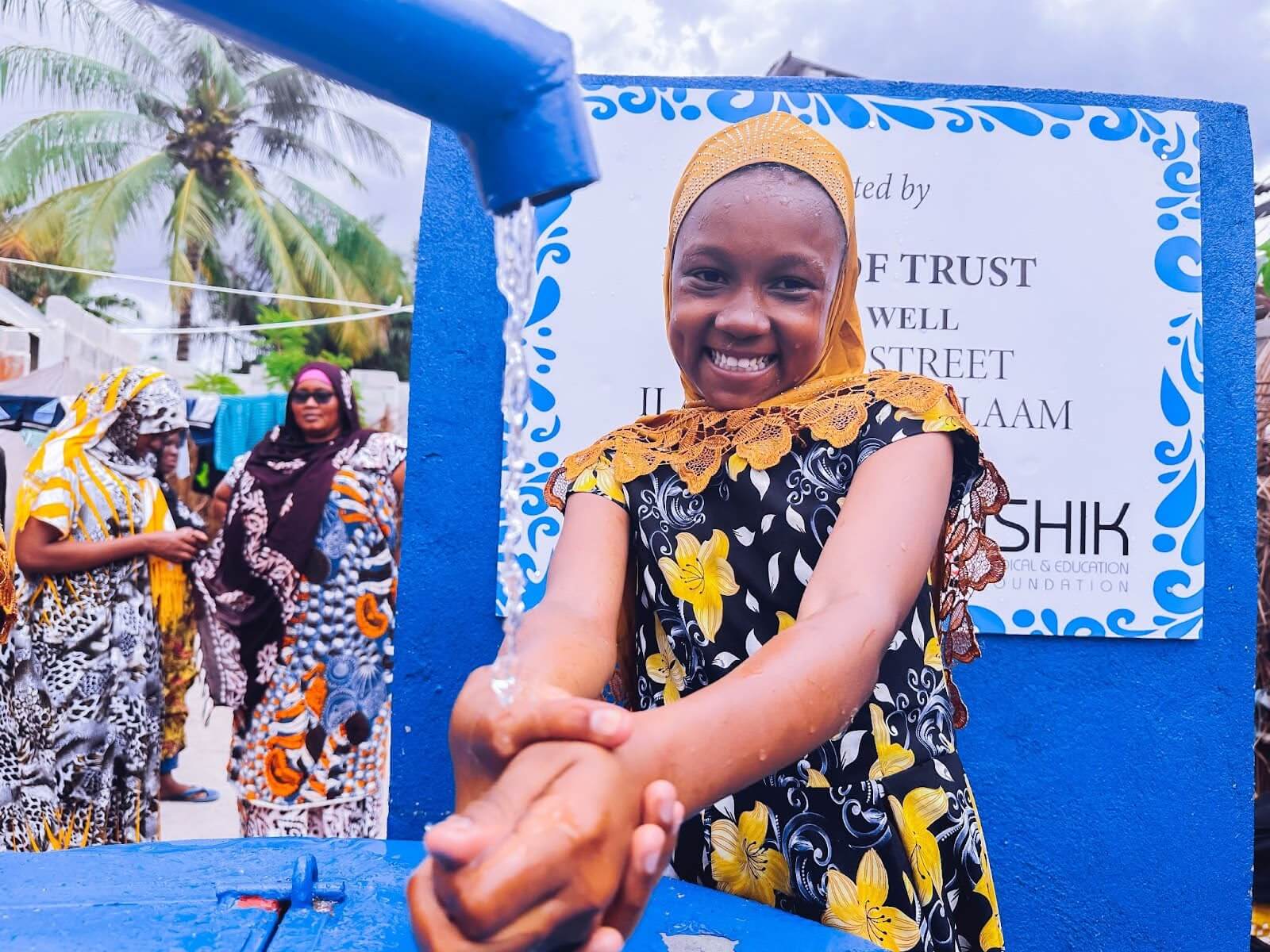
That’s why we created the Clean Water Initiative and launched our new Fountains of Hope campaign, bringing deep-water wells to underserved communities in countries like Chad, Nigeria, Cameroon, Tanzania, and Benin. Each well taps into clean underground aquifers and provides entire communities with daily access to fresh, safe water.

These wells aren’t just functional, but sustainable. Each one includes a five-year maintenance warranty, ensuring long-term reliability. They’re also customized with the name of the donor, a loved one, or an organization, making them a meaningful symbol of hope and compassion.

A single well, which will provide safe drinking water to approximately 1,000 people for years to come, costs just $3,500. Compare that to a single bottle of luxury water. The math, and the mission, speak for themselves.

Water shouldn’t be a luxury. But access to it can be a life-changing gift.

For more information on Embrace Relief’s Clean Water Initiative, click here!

Why Do So Many People Go Blind in Low-Income Countries?

Summary

  • Understand why cataracts are the leading cause of blindness in sub-Saharan Africa, affecting millions every year.
  • Explore how poverty, harsh environments, malnutrition, and healthcare gaps make this crisis worse.
  • Learn how Embrace Relief is restoring sight and transforming lives through free, comprehensive cataract surgeries.

In sub-Saharan Africa, millions of people are living in total darkness, not because they were born blind, but because they cannot access a simple, low-cost surgery that would restore their sight. Cataracts, a condition that clouds the lens of the eye and leads to gradual vision loss, are the number one cause of blindness in the region. In wealthier countries, cataracts are easily detected and quickly treated, usually with a short outpatient surgery. But in low-income nations, this same procedure remains out of reach for most, turning a treatable condition into a life sentence of blindness.

This public health crisis is deeply rooted in the widespread lack of access to medical care. In rural communities throughout sub-Saharan Africa, there may be only one eye clinic for hundreds of miles, if any at all. Even where clinics do exist, they are often under-resourced and understaffed. People in these regions face long travel times, high transportation costs, and lost income just to reach a doctor. The cost of cataract surgery itself, even if it is modest by global standards, is simply unaffordable for many families who struggle to meet their daily needs.

Environmental conditions in sub-Saharan Africa also contribute to the prevalence of cataracts. The region is exposed to extreme sunlight year-round, and for many people, there is no access to sunglasses or other forms of eye protection. Continuous exposure to ultraviolet rays accelerates cataract development. Dust storms, agricultural work, and unfiltered air all pose additional risks to eye health, especially in communities that rely heavily on outdoor labor to survive. Without early detection and treatment, these environmental stressors silently rob people of their vision over time.

Nutrition plays a major role as well. Healthy vision depends on a balanced diet rich in vitamins and antioxidants, particularly vitamins A, C, and E. However, food insecurity and malnutrition are widespread across sub-Saharan Africa. Poor diets lacking these essential nutrients weaken the body’s ability to fight off diseases and contribute to the progression of cataracts. In children, the effects are especially devastating. Vision impairment can delay development, limit educational opportunities, and isolate them socially.

Adults who lose their vision often lose their jobs, becoming dependent on family members for basic needs. Children with vision impairment fall behind in school or drop out altogether. Elders become isolated and vulnerable to injury. Entire families suffer under the emotional and financial burden of a condition that could be resolved with a single surgery. The scale of the problem is staggering. Across sub-Saharan Africa, more than 6 million people are visually impaired because of cataracts. Yet despite the enormous need, cataract treatment remains one of the most underfunded and overlooked areas of global health. That is where Embrace Relief comes in.

Restoring Sight and Hope: How Embrace Relief Is Solving the Cataract Crisis

Restoring Sight and Hope: How Embrace Relief Is Solving the Cataract Crisis

In places like Mali, where access to basic healthcare remains limited, Embrace Relief is bridging the gap with its Cure Cataracts Program. By partnering with trusted local medical professionals and deploying mobile health clinics, Embrace Relief is reaching underserved communities and providing free, high-quality cataract surgeries to those who need them most. These efforts are not only restoring vision but restoring lives.

Each cataract surgery through Embrace Relief includes a full package of care. Patients receive a pre-surgical health screening and eye examination, transportation assistance to and from the clinic, the surgery itself performed by certified ophthalmologists, and all necessary post-operative care including antibiotics, anti-inflammatory eye drops, and follow-up visits. This holistic approach ensures that every patient receives safe and effective treatment, even if they live far from a city center.

You can sponsor a cataract surgery for just $120. Restoring someone’s vision is more than a medical act. It returns a parent’s ability to work and care for their children. It gives children a chance to succeed in school. It allows elders to live with dignity and independence. Vision is more than sight. It is connection, mobility, and freedom.

To date, Embrace Relief has completed over 40,500 cataract surgeries and delivered more than 607,500 preventative health screenings. Many of these were conducted via mobile clinics that can travel up to nine hours from a city to reach patients in remote areas. These clinics serve as lifelines, delivering not only eye care but a wide range of medical services and health education.

Cataract blindness in low-income countries is a preventable crisis. Together, we can bring it to an end, one surgery at a time.

For more information on the Embrace Relief Health program, click here.
How You Can Help: The Gift of Sight

A simple cataract surgery, which costs only $100, can transform a life. With your support, our Embrace Relief’s health clinics can provide these surgeries to those in need, giving them the gift of sight and the opportunity for a better future. Here’s how your donation can make a difference:

  • $120 Donation: Funds one complete cataract surgery, restoring sight to an individual in need.
  • $240 Donation: Supports two surgeries, doubling the impact.
  • $600 Donation: Helps five people regain their vision, enhancing their quality of life and ability to contribute to their communities.

Your donation can make a significant difference in the lives of those suffering from cataracts in Mali and Burkina Faso. For just $120, you can fund a cataract surgery and give someone the precious gift of sight.

Help us light up lives and drive away the darkness caused by cataracts. Donate now and be a part of this life-changing mission.
$