Recent

Solving Problems Begins with Research

The use of basic and applied research are essential to how a nonprofit organization such as Embrace Relief works. But what is basic and applied research? Basic research is defined as “Investigation and analysis focused on a better or fuller understanding of a subject, phenomenon, or a basic law of nature”[1] and applied research is defined as “Investigation of the findings of ‘pure’ or basic research, to determine if they could be used to develop new products or technologies. Also, the research conducted to solve specific problems or to answer specific questions.”[2] Essentially, basic and applied research go hand in hand. Basic research is the first step, figuring out what the specific issue is and understanding all facets of that issue. Applied research is the second step, after we’ve figured out what the issue is applied research is the step we take to actually solve the issue we’ve just researched. But, how are basic and applied research applicable to the work that nonprofits do? Basic research is done every day here at the Embrace Relief office. It is what we use to start new programs, and figure out what problems we can help alleviate globally. For example in order to start our Grad Plus program, we used basic research. Grad Plus is a new mentorship program designed to help at-risk students complete high school and successfully transition to post-secondary levels of education or career opportunities. But, we had to research a few different things in order to know that there was a need for a program such as Grad Plus;
  1. We looked into the correlation between education levels and crime rates in New Jersey. In order to do this we compared high school graduation rates and crimes rates in every county in New Jersey and noticed that counties that had the lowest high school graduation rates also had the highest crime rates.
  2. We also knew that not everyone is interested in pursuing secondary education after high school, so we looked into how beneficial a vocational training program would be by researching the correlation between vocational training and employment rates and found that vocational training makes an individual much more likely to succeed in a trade as opposed to someone who did not receive that training.
All of this basic research helped us determine the need for the Grad Plus program, the applied research helped us determine the solutions that Grad Plus offers. But what exactly is applied research? Applied research is actually the programs we run as an organization. So, our Grad Plus program is an example of applied research. With our basic research program;
  1. We found out what issues students in New Jersey were facing and how to help them succeed and then we applied that research in the making of our program.
  2. We knew that students who graduate high school are much less likely to fall victim to a life of crime, so we created programs that would help them succeed in the classroom and make it to graduation.
  3. We also knew that, based on our basic research, having a full time job makes individuals much less likely to involve themselves in risky behavior, so be applied that into the making of our Grad Plus program and included a vocational training aspect as well as our work in the classroom.
All of our programs go through a similar process and our organization could not do what we do without the use of basic and applied research. [1],[2] Online Business Dictionary – BusinessDictionary.com.

Live the Golden Rule

Do unto others as you would have them do unto you.

Today, there are millions of children all over the world who need our help.
Over 14,000,000 kids are orphans and over 130,000,000 have lost at least one parent. Around 100,000 children live on the streets. About 2,300,000 have HIV/AIDS, more than 1,000,000 have been separated from their families due to war, and approximately 93,000,000 cannot attend school. It is imperative that relief is o ered to these vulnerable kids in a time where they need all the support they can get. By donating to orphanages, children’s funds, and other charitable organizations, we can build a better future for children everywhere.
Embrace Relief is dedicated to providing assistance to those who need it most. Join us in one of our many projects to help us bring hope to kids across the globe!
Live The Golden Rule by Embrace Relief
We work with orphanages in regions to aid children who have lost their parents by providing food, shelter, and education. Around 66,000,000 (including 23,000,000 in Africa) primary school-age kids go hungry, which can cause growth stunting, underweight issues and other de ciencies. Keeping these children fed is a top priority. Without shelter, children lack the protection they need to survive from the elements, violence, and other hazards. We need to make sure that every child has a roof over his or her head. Education is an essential part of creating sustainable living conditions for children. Studies nd that it is just as important as food, shelter, and water. By educating these young minds, we can ensure that they can grow up with the knowledge they need for happy lives. Our mission is to give children in need the resources so they no longer have to live in fear. Donate Now and Make a Difference!

Maslow’s Theory to the UN’s Sustainability Goals

Summary

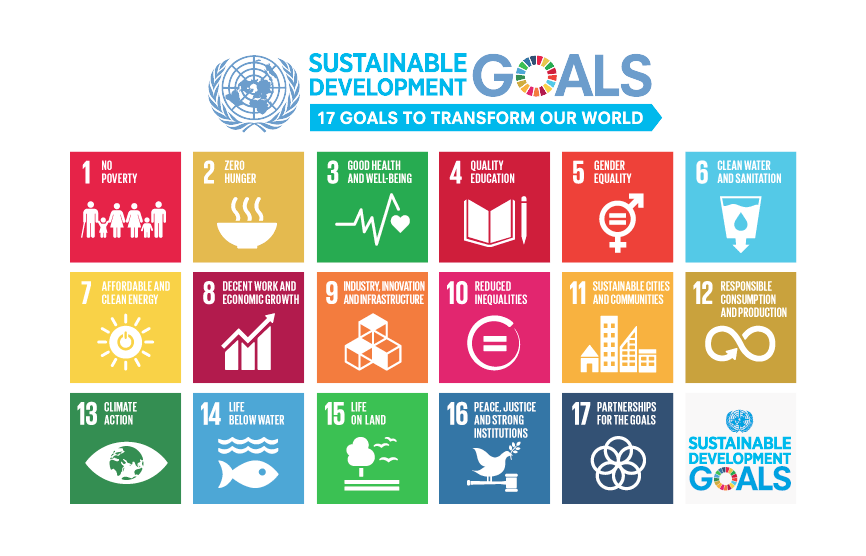
  • The United Nations’ Sustainable Development Goals (SDGs) are guiding principles for how we can make our world peaceful, prosperous, safe, and healthy.
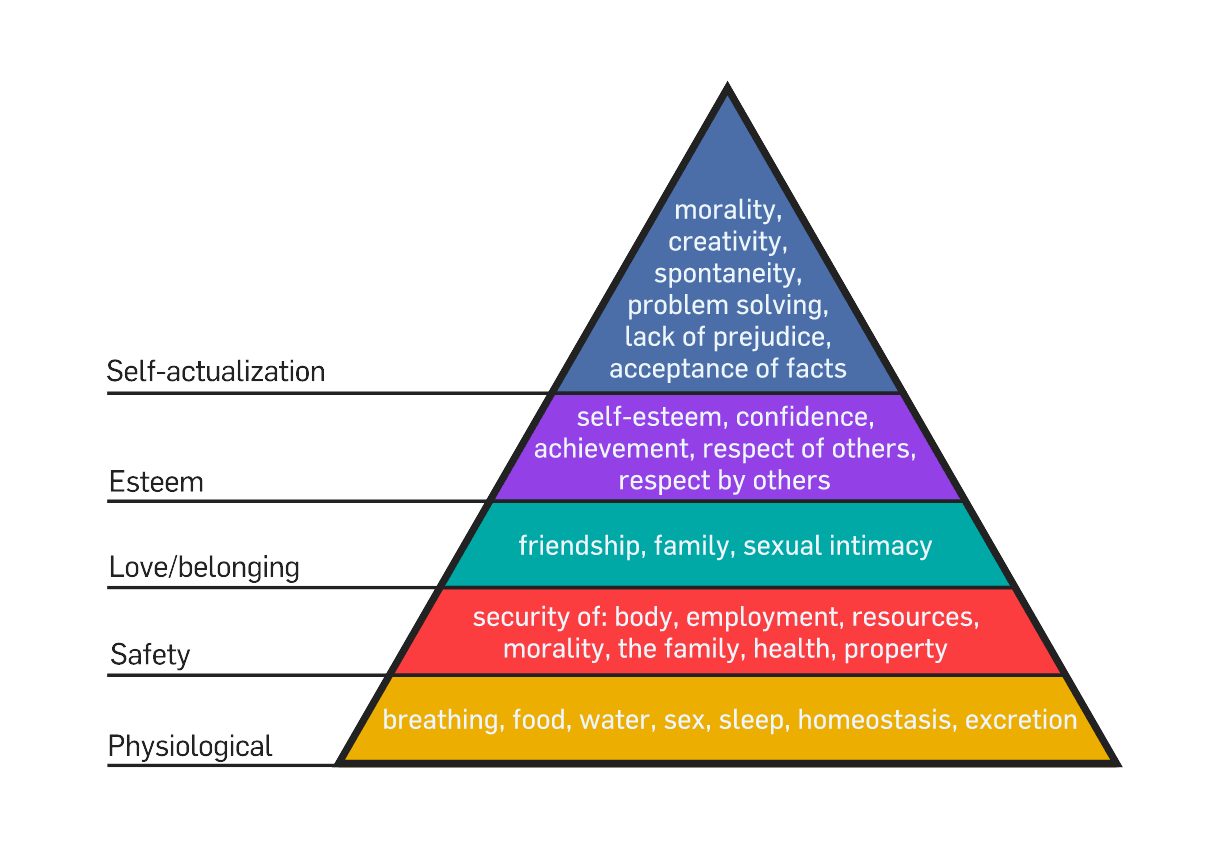
  • Maslow’s Hierarchy of Needs is a psychological concept arguing that humans cannot achieve our fullest potential without taking care of our most basic physical and emotional needs.
  • Read on to learn about the link between these two ideas, and how Embrace Relief’s humanitarian approach brings us all closer to successfully achieving the SDGs.

Despite possessing much natural wealth, Tanzania has a poverty rate of 49.1 percent. Of that percentage are 1.3 million children orphaned by HIV/AIDS. Forced to fend for themselves, those orphans are at a higher risk of illness, malnutrition and chronic unemployment. This has ripple effects, including physical and economic stunting of not only the individual citizen, but of Tanzanian society as a whole. Working through the Dogodogo Centre, Embrace Relief applies the theory of Maslow’s Hierarchy of Needs to bring Tanzania in line with the UN’s 17 Sustainable Development Goals (SDGs).

Embrace Relief believes that in order to achieve the SDGs for Tanzania, the organization must meet both the basic and psychological needs of the country’s orphans as well as help them obtain self-actualization in the form of vocational training.

According to Maslow’s Hierarchy of Needs, Basic Needs, comprised of Physiological—food, water, shelter—and Safety needs, form the foundation. Unless they are met, no further development can be made. UNICEF notes that because those orphan children must devote all their time and resources to the acquisition of the basic needs, they cannot receive higher education, employment or participate in society.

Since opening in 1991, the Dogodogo Centre has provided nourishment and refuge to every child that has walked through its doors. Furthermore, by providing a loving environment and community, the Centre meets Maslow’s next two tiers: Social Belonging and Esteem. No longer worried about their basic needs, these children can develop relationships with the staff and with other children. They can learn to trust others, because Embrace Relief and the Centre recognize each child as important and unique.

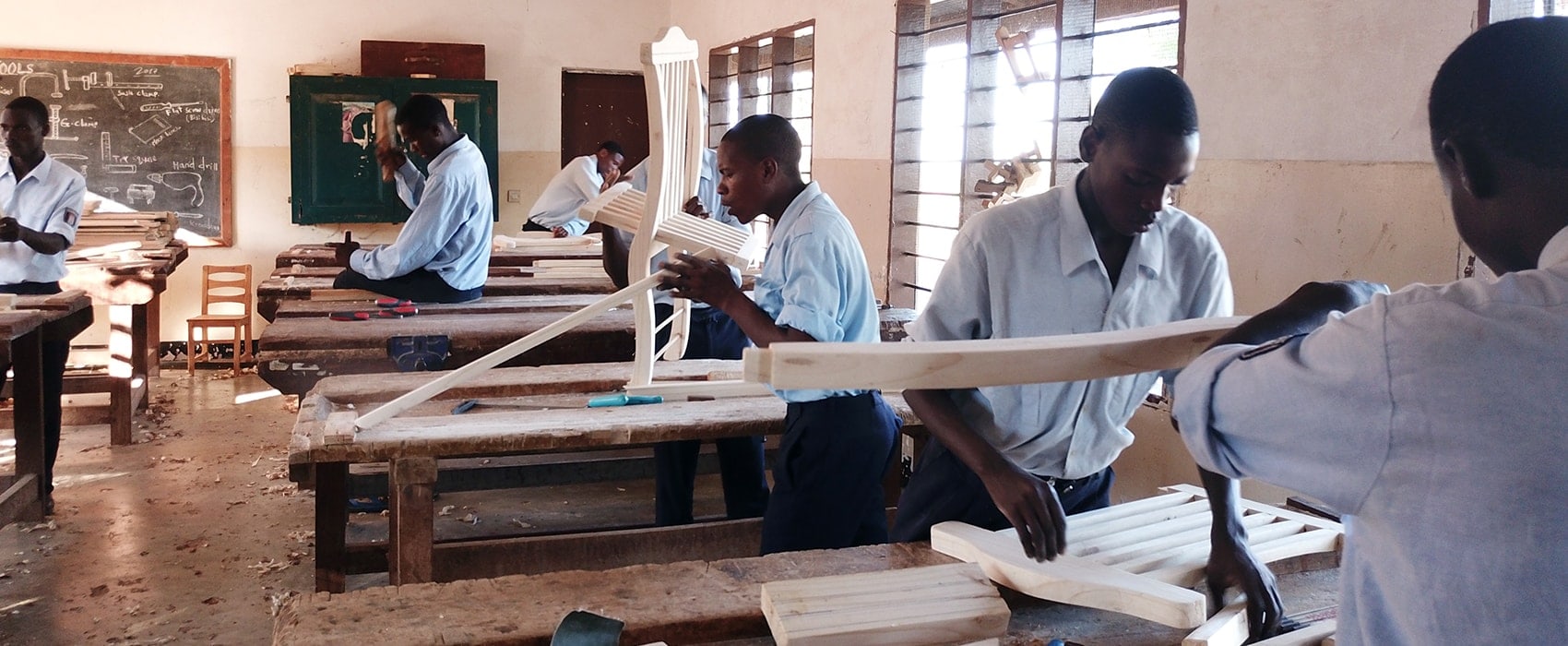
Additionally, Embrace Relief will open a water well to ensure clean water and proper sanitation for residents of the Centre and their neighbors. To help their charges reach self-actualization, the Centre opened the Bunju Multipurpose Training Centre on September 5, 2003. Providing holistic services to up to 100 young people simultaneously, it offers three-year vocational training and certification in the fields of carpentry, tailoring, fire-fighting and other rescue services.

By the end of 2019, they will launch classes in computer science, secretarial services, welding and electrical work. Two of the three years are spent at the Centre. In the third, students, given the requisite tools for their trade, as well as supervision, are apprenticed to local tradespeople. Thus far, the Centre has maintained an 87 percent graduation rate. Over 430 young people have emerged from the programs with certificates awarded by the Centre and VETA, the autonomous government agency overseeing education and vocational training. Of that number, the bulk are self-employed. Of course, students are also taught English and Mathematics.

Over 500 have passed Standard VII leavers, the standardized test of basic adult education. In light of these achievements, the Centre, aided by Embrace Relief, has made strides toward accomplishing several of the UN’s Sustainable Development Goals including No Poverty, Zero Hunger, Good Health/Well-Being, Quality Education and Decent Work/Economic Growth. Considering that, on average, the Dogodogo Centre supports over 650 girls, mostly from rural areas, per year, they are working toward Gender Equality.

Lastly, Embrace Relief ensures Clean Water and Sanitation, the sixth SDG. With greater resources dedicated to the Dogodogo Training Centre, the organizations hope to empower Tanzania to reach the rest of the Goals.

Quick Donation

Donate today to Embrace Relief’s Clean Water Initiative

* $1,300 will ensure the reconstruction of a water well – in your name (or any name you wish!) in Africa. *

$

Partners for Internship Programs

Colleges and universities are working with Embrace Relief to grant students internship opportunities. Students will experience how a non-profit organization functions and help conduct professional research for projects while providing support for people in need of humanitarian aid globally. Students who are interested in making a positive impact in the world and gain professional experience with an international humanitarian aid organization will benefit from this internship. Any colleges with interests or inquiries regarding Embrace Relief internship programs can please email us at [email protected]
Rutgers Logo
TCNJ Logo
CFBNJ Logo

Children are the Future

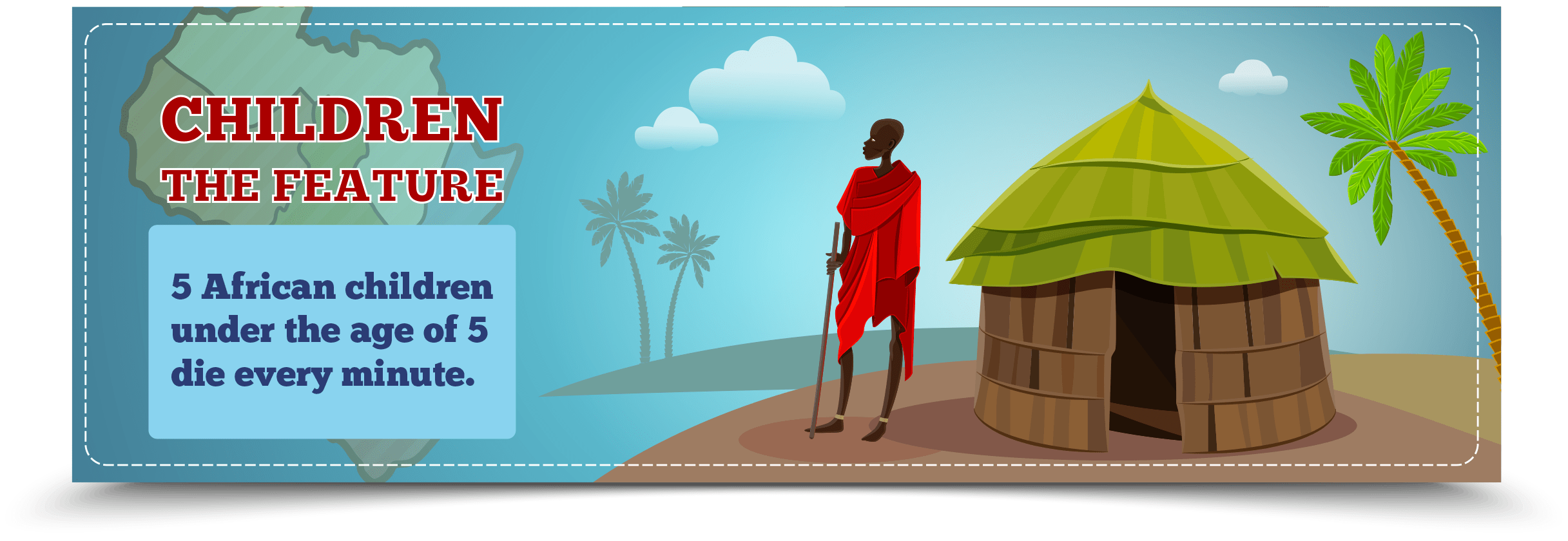
Children are our future.” It is a common adage that reminds us that future generations depend upon how we treat our young. They will be the scientists, engineers, entrepreneurs, physicians, etc. that will advance society in the ytears to come. Through education, healthcare, and compassion, we can give children the opportunities they deserve to grow into successful adults. Unfortunately, however, not all children are granted these amenities. Millions of children are left without the basic needs to lead healthy and happy lives, particularly on the continent of Africa. Many youths in the Birthplace of Civilization face a wide array of adversities, including disease, malnourishment, maltreatment, and even death. According to the World Health Organization (WHO), pneumonia – the single largest infectious cause of death in children worldwide – is most prevalent in Southeast Asia and Sub-Saharan Africa. The acute respiratory infection was responsible for the deaths of 920,136 children under the age of 5 in 2015. African children are also at high risk for diarrheal diseases which caused the death of around 525,000 children under the age of five in 2015. Malnourishment is also a major issue on the continent, with about 43% of infants between the ages of 0 to 6 months being sustained exclusively by breastfeeding. Proper nutrition could save over 800,000 lives of children under the age of five. Abuse is another substantial problem facing children in Africa. One survey conducted by the WHO found that 25% of all adults reported that they were physically abused as children. In addition, 20% of women and 8% of men reported to have been sexually abused in their youth.  These facts are horrendous and should not be tolerated by a society that has enough resources to help those in need. If you want to stop these injustices from affecting more young children, Embrace Relief will work with you to provide the assistance that they deserve. Join one of our many charitable ventures or set up your own fundraiser to give to the causes you believe in. Also, Embrace Relief lets you sponsor a child to help them get the resources they need to survive. By making monthly donations, you can provide basic physical needs, education, water, shelter, and medical care. Make your contributions to save children’s lives by visiting us at https://beta.embracerelief.org/children/. With your help, we can make the future brighter for children in Africa and around the world. Help us touch lives by joining us at Embrace Relief. [*] Child Health. World Health Organization – Regional Office for Africa, 2017, www.afro.who.int/health-topics/child-health.

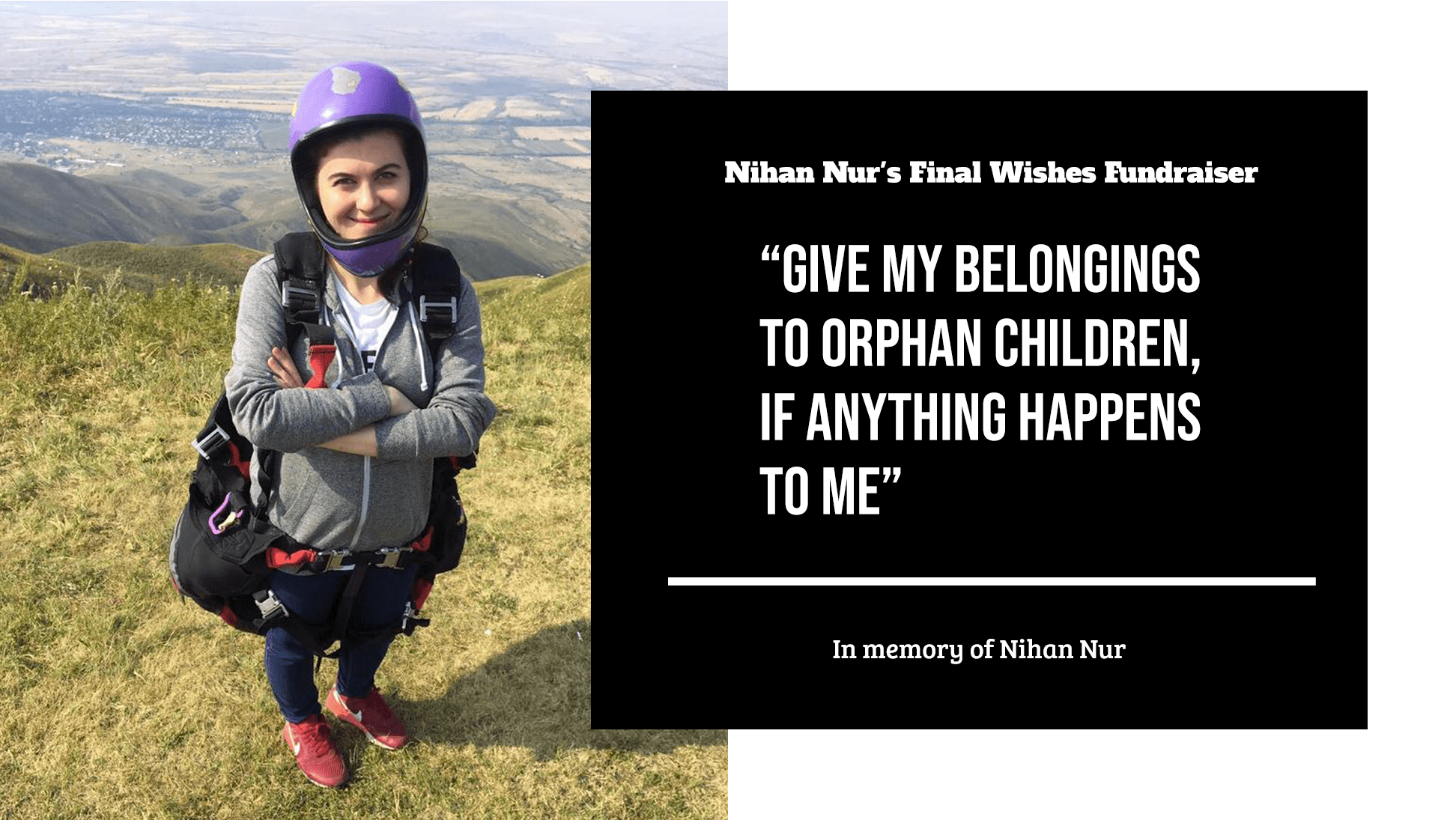
Nihan Nur’s Final Wishes Fundraiser

Nihan Nur was a young woman whose life was tragically cut short, but at 24 years old, she knew the importance of helping others.
“Give my belongings to orphan children, if anything happens to me”
she wrote in her will. Although Nihan may not have the opportunity, you can help those children. The Dogodogo Center is a vocational training center in Tanzania which helps local children, many of whom are homeless. Over 1,300 vulnerable children over the course of 15 years have learned valuable skills such as carpentry, tailoring, and the installation of electrical equipment. These skills help the children grow to find stable employment in their communities. The Dogodogo Center is currently in need. Two dormitories and two classrooms must be renovated so the facility can continue to help local children. With your help, Embrace Relief can carry on Nihan’s legacy so the Dogodogo center can help more children have a stable future. For $7,500, the Dogodogo Center can have an electrical training classroom so students can learn a vocation and find stable employment. Help commemorate Nihan Nur by making a donation in her memory so the Dogodogo Center can be renovated.  
Why Dig Deep Wells?

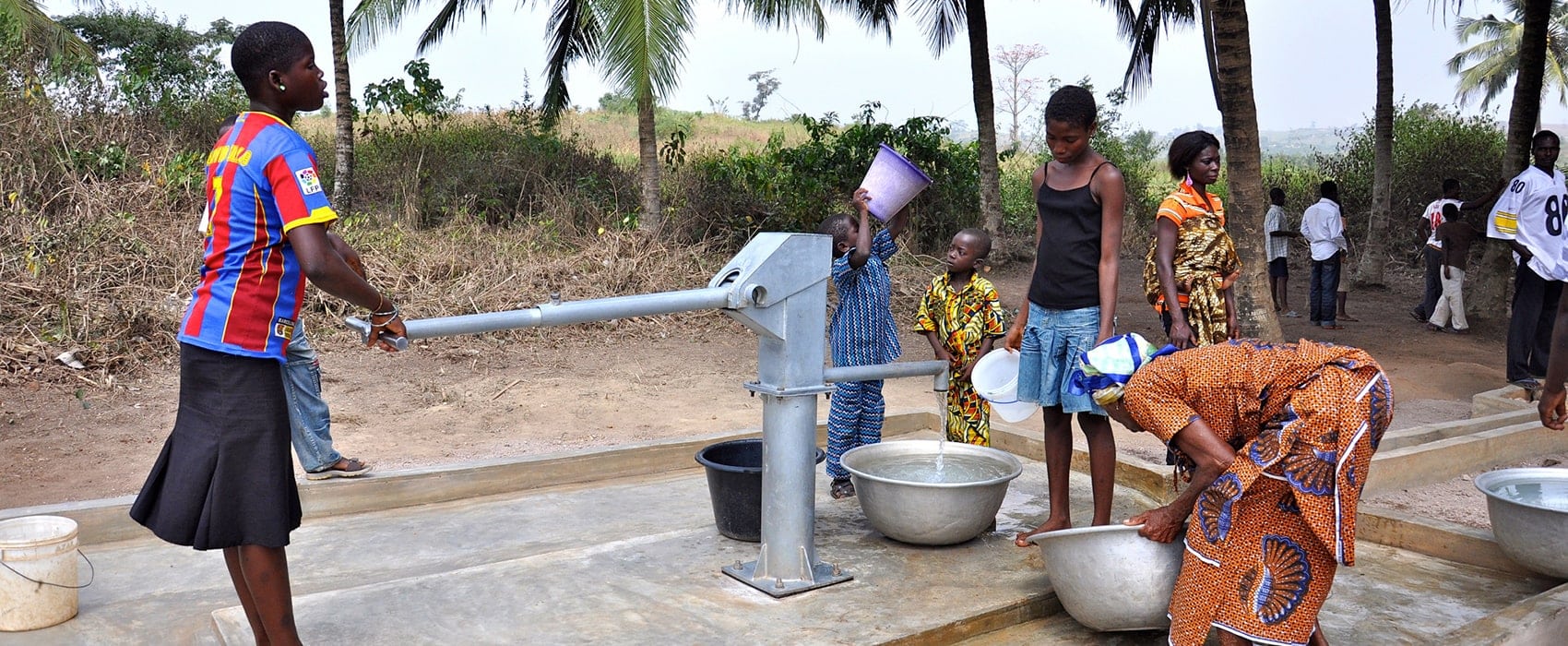
CLEAN WATER IS A HUMAN RIGHT! Embrace Relief ensures the best quality water by digging deep.

In the short term it may seem more cost effective to cease digging once you reach the water table.

However, shallow wells are susceptible to surface contamination, contributing to diseases such as E. coli, salmonella typhi, Schistosoma, cholera and hepatitis A. This is especially true with wells on the African continent. While 30 meters—or roughly 98.42 feet—is general- ly considered a safe depth, Embrace Relief ensures the best quality water by digging to a depth of 45 meters—or roughly 147.64 feet.

Embrace Relief ensures the best quality water.Shallow wells are susceptible to surface contamination, contributing to diseases such as E. coli, salmonella typhi, Schistosoma, cholera and hepatitis A.30 meters -or roughly 98.42 feet- is generally considered a safe depth.Embrace Relief ensures the best quality water by digging to a depth of 45 meters -or roughly 147.64 feet.According to the American Groundwater Trust, increasing the well depth and the length of well casing will result in a longer flow path. The longer the length of time water is in the subsurface, the likelihood that bacteria will die-off or be trapped by soil and rock improves. According to the American Groundwater Trust, increasing the well depth and the length of well casing will result in a longer flow path. The longer the length of time water is in the subsurface, the likelihood that bacteria will die-off or be trapped by soil and rock improves. In a report compiled by the College of Agriculture and Life Sciences at the University of Arizona, published in February 2011, it was found that the quality of water from shallow wells was in influenced by land uses in the preceding year or two. Groundwater in aquifers moves at a rate of a foot per day or a mile in 16 years. Thus, if a landfill a mile uphill leaks, they discovered, it could take years for the contaminants to reach a deep well. Aside from contamination, shallow water wells are in influenced by seasonal precipitation. Drought conditions, common to parts of Africa, can drastically lower the water table.

Vocational Training in Tanzania

Despite low inflation rates, high growth rates and a promising tourism industry, Tanzania ranks sixty-ninth in terms of quality of life. The country’s youth face an uncertain job market, and, therefore, an uncertain future.

For fifteen years, the Dogodogo Training Center has promoted literacy, provided sustenance and sheltered orphans and other neglected children. Entering as homeless children, over 1,350 people have emerged as carpenters, tailors, electricians, fire-fighters and other productive, self-sufficient members of society. Collectively, they are the architects of a more stable future for Tanzania.

To further fuel that growth, the Center expects to increase the number of children in the program, but currently, the Center cannot accommodate those children. To meet the needs of the incoming students and properly provide them with practical skills, the Dogodogo Center requires renovations. Two dormitories must be renovated in order to accommodate an additional 70 students.

  • Renovation of the first dormitory for 35 students.
  • Duration of the project: 4 months
  • Project budget: $ 16,000
  • Renovation of the second dormitory for 35 students.
  • Duration of the project: 4 months
  • Project Budget: $ 16,000


Please help these children grow into capable, self-sufficient adults by making a donation. An investment in these children is an investment in Tanzania’s future.