


Recent

5 Back-to-School Tips for Parents to Give Your Child Healthy Hydration Habits

Summary

  • It’s back-to-school time, and that means it’s a great time for parents to instill healthy hydration habits in their children.
  • Encouraging children to regularly drink water will have lasting benefits on their health, well-being, and academic performance.
  • Drinking plenty of clean, safe water is crucial for everyone. Learn how you can help Embrace Relief provide clean water to thousands of children in Africa.

Encourage a Lifelong Love of Water

Though it’s often a day children dread, the start of a new school year can be an exciting time not only for kids, but for parents. With the beginning of a new daily routine, back-to-school time offers families the opportunity to develop new, healthy routines and habits that will improve their children’s mental and physical health, as well as their academic performance.

Though we may not think about it much, drinking water is actually an important daily routine that contributes greatly to health, well-being and focus. Here are five tips for parents to encourage their kids to stay hydrated regularly throughout the school day and their everyday lives:

1. Make Drinking Water Fun With Personalized Water Bottles

A reusable water bottle, personalized with your child’s favorite color, TV/movie character, or design, can encourage your child to drink more water – and be excited to do so! Additionally, keep water within reach at home, and ensure that the bottle is filled before they head off to school. For younger children especially, consider marking the bottle with time goals, so they can see how much they should drink by different points in the day. When hydration is enjoyable and easy, children are more likely to make it a habit.

2. Set a Good Example by Drinking Water Regularly

Children learn by observing their parents, so demonstrating good hydration habits yourself is key. Make a point of drinking water regularly throughout the day and emphasizing the importance of choosing water over sugary drinks for maintaining a healthy and active body, and for feeling good about one’s self. When they see you carrying a water bottle, refilling it, and choosing water over sugary drinks, they’re more likely to follow suit. You can even turn it into a fun challenge, where the family keeps track of how many times each person refills their water bottle daily. By making it a family effort, you’re instilling the value of hydration in your child’s routine.

3. Incorporate Water into Your Child’s Daily Routine

Incorporate water breaks into your child’s daily schedule to make hydration a seamless part of their day. Encourage them to drink water with every meal and snack, and make it a habit to take a sip before and after physical activities, whether at school or home. Set up specific times during the day when they should drink water, such as first thing in the morning, after school, and before bed. Over time, these scheduled water breaks will become second nature, ensuring they maintain consistent hydration throughout the day.

4. Swap Sugary Drinks for Healthier Hydration Options

While it’s tempting to let kids indulge in sodas, juices, and other sugary drinks, these beverages can lead to dehydration rather than quenching their thirst. Explain the downsides of sugary drinks, such as their effects on energy levels and tooth health, and offer healthier alternatives instead. If your child craves variety, infuse water with natural flavors using slices of fruit like lemon, lime, or berries, or offer coconut water as a hydrating alternative. By reducing the availability of sugary drinks and providing appealing alternatives, you’re guiding your child towards healthier hydration choices.

5. Explain Why Hydration is Good for Your Child

Help your child understand why staying hydrated is crucial by teaching them about the benefits of water for their body and mind. Explain how water helps with energy levels, concentration, and overall health, especially during school when they need to focus and learn. You can make this education interactive by using age-appropriate resources such as videos, books, or even simple experiments that show how dehydration affects their performance. The more they understand the “why” behind hydration, the more motivated they’ll be to drink water regularly.

6. Teach Your Child That Water is Wonderful!

Water may not be the most exciting thing for a kid to drink, and it can be easy to not think too much about the fact that water is everywhere around us. Try taking some time to educate your child and make them aware that we are, in fact, extremely lucky to live in a part of the world where clean, safe, and delicious water is just a few steps away at all times. There are millions of people in the world, especially in Africa, who aren’t so lucky. Teaching your children to appreciate the water they have – and to have empathy for the people who don’t – will help them avoid taking it for granted.

At Embrace Relief, we are keenly aware of the difficulties many people face in accessing clean water Africa. That’s why our Clean Water Initiative is working overtime to ensure that families in Africa are able to drink clean water every day, just like you.

Help Embrace Relief provide clean water throughout Africa!

But we can’t do this alone! We rely on the donations of generous people like you to help us build water wells in sub-Saharan Africa. When we work together, we bring transformative change and support to communities that need it the most.

As part of Embrace Relief’s Year-End Giving 2024 campaign, we’ve set an ambitious goal to build 30 water wells before the end of the year. Meeting this goal equals 30,000 people who will be newly benefiting from clean water, in addition to the more than 950,000 people worldwide currently utilizing our wells.

The cost of our water well starts at just $1,500, but the impact you can make is priceless. Click here to learn how to apply to build a water well in your own name with Embrace Relief, or use the donation box below to give a gift of any amount in support of this life-saving program.

Give the gift of clean water today!

The Olympic Spirit and Overcoming Adversity: Lessons in Resilience from Orphaned Children

Summary

  • Orphaned children face immense challenges daily. These include a lack of access to education, nutritious food, safe shelter, and healthcare, which are vital for breaking the cycle of poverty.
  • Much like how Olympic athletes achieve greatness with support, orphaned children can thrive when given the necessary resources.
  • Embrace Relief is making a significant impact in countries like Indonesia, Tanzania, the Democratic Republic of Congo, Ghana, and Colombia by providing orphaned children with essential resources.
  • Donate to Embrace Relief to support orphaned children in their journey towards success, echoing the Olympic spirit of resilience and perseverance.

Orphaned children face significant struggles that can make it difficult for them to succeed. These challenges are especially prevalent in developing regions like sub-Saharan Africa, where access to education is severely limited. According to UNICEF, For example, 32% of orphaned children of primary school age in sub-Saharan Africa do not attend school, compared to 20% of their non-orphaned peers. This stark disparity in access to education highlights the severe disadvantage these children face in their pursuit of a brighter future.

Without parents or guardians to advocate for them, orphaned children often lack the support they need to secure necessities like nutritious food, a safe place to live, and quality education. This lack of access to education is a major barrier to breaking the cycle of poverty. Without education, these children are denied the opportunity to learn and grow, limiting their future opportunities and perpetuating a legacy of hardship.

Moreover, orphaned children are at a higher risk of exploitation. In many cases, they are forced into child labor or early marriages to survive, sacrificing their education and health. The absence of a stable home environment further exacerbates their vulnerability, leaving them more susceptible to malnutrition, lack of healthcare, and emotional trauma. These challenges underscore the urgent need for programs that provide access to education and other essential services for orphaned children.

The Transformative Power of Support

Just as athletes in the recently concluded Paris 2024 Summer Olympic Games achieved greatness through support and dedication, orphaned children can thrive when given the right resources and opportunities.

When orphaned children receive access to education, proper nutrition, a safe home, and healthcare, the results can be transformative. Education programs designed to address the needs of these children can open doors to new possibilities, equipping them with the skills and knowledge needed to break the cycle of poverty. Adequate nutrition and healthcare ensure that they grow up healthy and strong, ready to face the challenges ahead. A safe and loving home provides the stability they need to focus on their studies and personal development.

Orphaned children who receive this kind of comprehensive support have the potential to achieve remarkable success. They can go on to become doctors, teachers, engineers, and leaders in their communities. Their stories of triumph over adversity serve as a testament to the power of support and resilience, inspiring others to believe that even the most difficult circumstances can be overcome.

The Transformative Power of Support

Embrace Relief: Supporting Orphaned Children Around the World

Embrace Relief is one the organizations that understands the importance of providing comprehensive support to orphaned children. In countries like Indonesia, Tanzania, the Democratic Republic of Congo, Ghana, and Colombia, Embrace Relief is making a significant impact by offering orphaned children the resources they need to thrive. The organization provides early childhood development programs that give children the foundation they need for a successful future.

Through these efforts, Embrace Relief is helping to create a generation of resilient, empowered individuals who have the potential to break the cycle of poverty and achieve success. The impact of this work is profound, as it not only transforms the lives of individual children but also strengthens communities and contributes to a brighter future for all.

The Olympic spirit teaches us that with determination and support, even the most daunting challenges can be overcome. Orphaned children around the world embody this spirit every day as they strive to build better lives for themselves. But they cannot do it alone. They need our help to reach their full potential.

By donating to Embrace Relief, you can play a crucial role in providing orphaned children with the resources they need to thrive. Your support can help ensure that these children have access to education, nutritious food, healthcare, and a safe home. Together, we can help them overcome adversity and achieve greatness, just like the athletes we admire during the Olympics.

Sponsor an orphan today and contribute to their journey of success. Your donation can make a world of difference, transforming lives and building a future where every child can succeed.

Donate For Ramadan Children’s Fund

Embrace Relief aims to provide 550 orphaned children with daily iftar and suhoor meals during Ramadan 2025.

$
International Hunger Relief Children's Fund

Global Blindness: Causes, Treatments, and How You Can Help

Summary

  • Global blindness is a prominent and pressing public health issue that not only affects individuals’ quality of life but also limits educational and employment opportunities, contributing to poverty.
  • The primary causes of global blindness include cataracts, glaucoma, age-related macular degeneration (AMD), diabetic retinopathy, and corneal opacities, each with specific treatments that can prevent or manage vision loss.
  • Regular eye exams, protection from injuries, and managing chronic conditions are essential for preventing blindness and maintaining good eye health.
  • Cataracts, the leading cause of blindness, can be treated with a simple, cost-effective surgery. For just $120, you can sponsor a surgery with Embrace Relief covering all necessary expenses, providing a life-changing solution for those in need.

In a world where vision is often taken for granted, millions of people live in darkness due to preventable or treatable blindness. Global blindness remains a significant public health issue, particularly in low-income regions where access to eye care is limited.

There are currently 2.2 billion people in the world living with vision impairment. Of these cases, up to 1 billion are untreated or could have been prevented, meaning they are living with fixable vision impairment. The impact of blindness extends far beyond the loss of sight—it affects an individual’s quality of life, limits educational and employment opportunities, and increases the risk of poverty. In low-income regions, entire families are affected when a primary breadwinner or caregiver loses their vision.

Leading Causes of Global Blindness

Understanding the leading causes of blindness can help us take action to prevent and treat these conditions. Here are the top causes of blindness globally:

  1. Cataracts
    • Cause: A cataract is a clouding of the lens in the eye, which leads to decreased vision. It is the leading cause of blindness worldwide, particularly in low-income regions where surgical services are not readily available.
    • Treatment: Cataract surgery is a simple, cost-effective procedure that replaces the cloudy lens with an artificial one, restoring clear vision. This surgery is one of the most common and successful medical procedures, with a high success rate and minimal recovery time.
  2. Glaucoma
    • Cause: Glaucoma is a group of eye conditions that damage the optic nerve, often due to high intraocular pressure. It is the second leading cause of blindness and can develop without any noticeable symptoms until significant vision loss has occurred.
    • Treatment: While there is no cure for glaucoma, it can be managed with medication, laser treatment, or surgery to lower the pressure in the eye and prevent further damage.
  3. Age-Related Macular Degeneration (AMD)
    • Cause: AMD is a condition that affects the macula, the central part of the retina, leading to loss of central vision. It is more common in older adults and is a leading cause of blindness in high-income countries.
    • Treatment: There is no cure for AMD, but treatments such as anti-VEGF injections, laser therapy, and lifestyle changes can slow its progression and help preserve vision.
  4. Diabetic Retinopathy
    • Cause: Diabetic retinopathy is a complication of diabetes that damages the blood vessels in the retina, leading to vision impairment and blindness. It is a major cause of blindness in adults of working age.
    • Treatment: Managing blood sugar levels, blood pressure, and cholesterol can help prevent diabetic retinopathy. Advanced cases may require laser treatment, injections, or surgery to prevent vision loss.
  5. Corneal Opacities
    • Cause: Corneal opacities occur when the cornea becomes scarred or clouded due to infections, injuries, or diseases. This can lead to significant vision impairment or blindness.
    • Treatment: Depending on the severity, treatment options include medications, corneal transplants, or other surgical interventions.

The Importance of Eye Health

Maintaining good eye health is crucial for preventing blindness and ensuring a high quality of life. Regular eye exams can detect eye conditions early, allowing for timely treatment and preventing irreversible damage. Protecting your eyes from injuries, managing chronic conditions like diabetes, and adopting a healthy lifestyle can all contribute to preserving your vision.

Global health inequality and lack of access to medical services have a direct impact on the astonishing global disparity between cases of eye diseases and blindness. Rates of vision impairment and blindness in developing countries in sub-Saharan Africa are significantly higher as a result of widespread lack of healthcare infrastructure and inability to access preventative care.

How You Can Help Restore Sight

While the statistics on global blindness can be daunting, there is hope. Many of the leading causes of blindness, such as cataracts, are treatable with simple and cost-effective interventions. At Embrace Relief, we are committed to eliminating preventable blindness by providing free cataract surgeries to those in need, particularly in underserved communities across Africa.

The Importance of Eye Health

For just $120, you can sponsor a cataract surgery that will transform someone’s life. This donation covers the entire cost of the surgery, including three post-operation checkups, take-home medication, and health checkups for 15 other people.

Your contribution not only restores sight but also renews hope, independence, and a brighter future for individuals and their families. Together, we can create a world where everyone has the opportunity to see clearly and live fully.

Donate $120 today to restore sight!
How You Can Help: The Gift of Sight

A simple cataract surgery, which costs only $120, can transform a life. With your support, our Embrace Relief’s health clinics can provide these surgeries to those in need, giving them the gift of sight and the opportunity for a better future. Here’s how your donation can make a difference:

  • $120 Donation: Funds one complete cataract surgery, restoring sight to an individual in need.
  • $240 Donation: Supports two surgeries, doubling the impact.
  • $600 Donation: Helps five people regain their vision, enhancing their quality of life and ability to contribute to their communities.

Your donation can make a significant difference in the lives of those suffering from cataracts in Mali and Burkina Faso. For just $120, you can fund a cataract surgery and give someone the precious gift of sight.

Help us light up lives and drive away the darkness caused by cataracts. Donate now and be a part of this life-changing mission.

$

How To Recreate Sabrina Carpenter’s Short n’ Sweet Erewhon Smoothie At Home

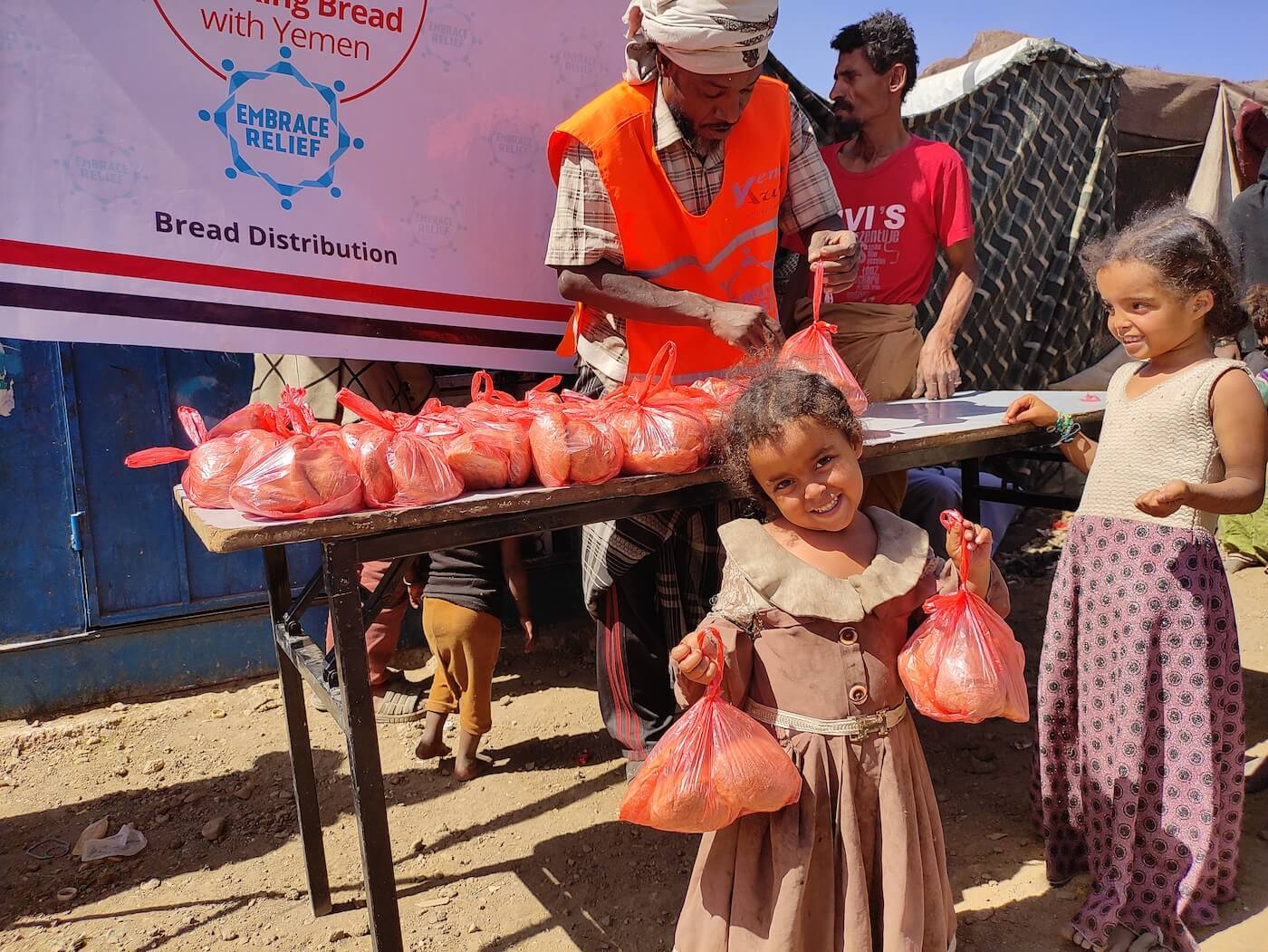
If you’ve been keeping up with the latest health trends, you’ve probably heard about Sabrina Carpenter’s Short n’ Sweet smoothie at Erewhon. Packed with delicious and nutritious ingredients, this smoothie is a refreshing treat that you can easily recreate at home. But while we’re enjoying our trendy superfoods, it’s important to remember that millions of people around the world don’t have access to basic necessities like food. In Yemen, for example, a humanitarian crisis has left millions facing poverty and hunger.

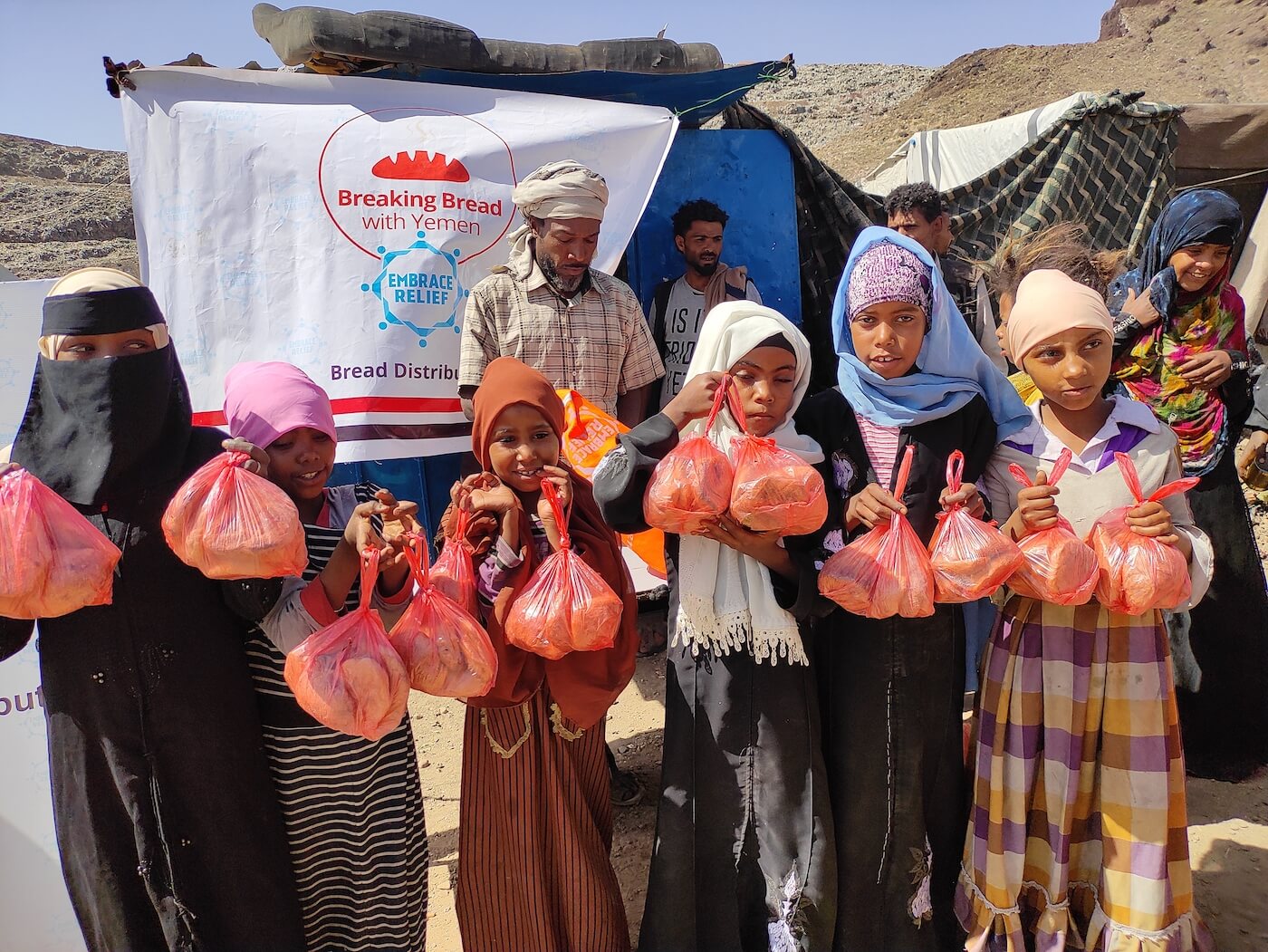
That’s why Embrace Relief’s Yemen Food Distribution campaign is so crucial. With just a $50 donation, you can provide a food package filled with essential items that will last a Yemeni family for a full week.

Let’s explore how you can make Sabrina Carpenter’s Short n’ Sweet smoothie and learn how we can make a difference together!

Ingredients for Sabrina Carpenter’s Short n’ Sweet Erewhon Smoothie

To recreate this popular smoothie at home, you’ll need the following ingredients:

  • 1/4 cup pineapple
  • 1/4 cup mango
  • 1/2 cup coconut water
  • 1/2 cup oat milk
  • 2 dates
  • 1/4 tsp blue spirulina
  • 2 tbsp vanilla protein powder
  • Ice

Blend all the ingredients until smooth, add some coconut cream around the cup, pour it into a glass, top off with more coconut cream and chopped strawberries, and enjoy your homemade Erewhon smoothie.

Ingredients for Sabrina Carpenter's Short n’ Sweet Erewhon Smoothie

The Reality of Food Insecurity in Yemen

While we have the luxury of blending up nutritious smoothies, many families in Yemen are struggling to find enough to eat. The ongoing conflict has devastated the country’s economy, leaving millions in poverty. Food insecurity has reached critical levels, and children are particularly vulnerable, with many facing severe malnutrition.

Embrace Relief’s Yemen Food Distribution campaign is working to combat this crisis by delivering essential food packages to those who need them most. Each $50 donation provides a week’s worth of food to a Yemeni family, offering them the sustenance they need to survive.

Why Your Support Matters

As you sip on your delicious Sabrina Carpenter-inspired smoothie, consider making a difference in the lives of those who are struggling to find their next meal. Your support can help Embrace Relief reach more families in need, providing them with the food and nourishment they desperately require.

Donate to our Yemen Food Distribution campaign today, and let’s work together to ensure that no one has to go hungry. Just as we enjoy the luxury of a health-boosting smoothie, we can also provide life-saving food to those in crisis.

Conclusion

Recreating Sabrina Carpenter’s Erewhon smoothie at home is a fun and healthy way to enjoy a trendy treat, but it also serves as a reminder of the stark contrast between our lives and those of people facing hunger in Yemen. By supporting Embrace Relief’s Yemen Food Distribution campaign, you can help alleviate this crisis and provide vital food supplies to families in need. So, as you enjoy your smoothie, consider making a donation and making a difference.
Donate today!

The Universal Power of Philanthropy: A Beacon of Unity Across Religions

Philanthropy, the act of giving to support the welfare of others, transcends cultural, religious, and geographical boundaries. It is a universal language that speaks to our shared humanity. Rooted in the core values of major world religions, philanthropy is a powerful tool for fostering unity and compassion among diverse communities. In this article, we explore how various religious traditions view and practice philanthropy, and we highlight the mission and impact of Embrace Relief, an organization that embodies these timeless values.

Philanthropy in Major Religions

Christianity

In Christianity, philanthropy is deeply ingrained in the teachings of Jesus Christ. The parable of the Good Samaritan exemplifies the Christian call to love and care for one’s neighbor, regardless of social or ethnic differences. The concept of “agape,” or unconditional love, further emphasizes the importance of selfless giving. Christian charities have a long history of providing aid to those in need, with organizations like Catholic Charities and World Vision making significant global impacts through their humanitarian efforts.

Islam

Islamic teachings also place a strong emphasis on philanthropy. Zakat, one of the Five Pillars of Islam, requires Muslims to give a portion of their wealth to those in need. In addition to Zakat, Sadaqah (voluntary charity) and Waqf (endowments for public welfare) are essential aspects of Islamic philanthropy. The Hadith, sayings of the Prophet Muhammad, encourage Muslims to help others, reinforcing the value of generosity. Historically, Islamic philanthropy has supported education, healthcare, and social welfare, with endowments playing a crucial role in the development of these services.

Judaism

In Judaism, the concept of Tzedakah, often translated as “charity,” is a fundamental obligation. It is viewed not merely as a voluntary act of kindness but as a moral duty. The Jewish tradition of Tikkun Olam, meaning “repairing the world,” underscores the communal responsibility to contribute to the betterment of society. Jewish philanthropic organizations, such as the American Jewish Joint Distribution Committee and the Jewish Federation, continue to support global initiatives aimed at alleviating poverty, providing education, and promoting social justice.

Buddhism

Buddhism teaches the importance of compassion and generosity as part of the path to enlightenment. The Four Noble Truths and the Eightfold Path guide Buddhists in their ethical conduct, with Dana (generosity) being one of the key practices. Buddhist monastic orders, supported by laypeople, often engage in charitable work, including providing food, healthcare, and education to the needy. The act of giving is seen as a way to cultivate a pure mind and build good Karma, ultimately leading to spiritual growth.

Hinduism

Philanthropy in Hinduism is closely linked to the concepts of Dharma (righteous duty), Karma (action and its consequences), and Seva (selfless service). Hindus believe that performing charitable acts helps one progress toward Moksha (liberation from the cycle of rebirth). Hindu temples often serve as centers for community service, offering food, education, and healthcare to the underprivileged. The tradition of Anna Dana, or food donation, is a common practice, reflecting the belief that feeding the hungry is one of the highest forms of charity.

The Power of Giving

Philanthropy benefits both recipients and givers. Research has shown that acts of giving can positively impact mental health and well-being, fostering a sense of purpose and satisfaction. On a social level, philanthropy strengthens communities and promotes social cohesion by bringing people together for a common cause. Spiritually, giving is a way to connect with the divine and fulfill one’s religious duties, offering rewards in this life and beyond.

Additional Considerations

Philanthropy has a rich history in different cultures and religions, with each tradition offering unique perspectives on giving. However, philanthropic organizations today face challenges such as limited resources, political obstacles, and the complexities of global connectivity. These challenges can hinder the effectiveness of charitable work and require innovative solutions.

Despite these challenges, new technologies and the increasing interconnectedness of our world present opportunities for innovative approaches to charitable work. Furthermore, philanthropy can bridge interfaith dialogue, promoting understanding and cooperation among diverse religious communities. As we look to the future, the universal values of philanthropy will continue to guide us toward a more harmonious and compassionate world.

Embrace Relief: A Case Study

Embrace Relief, a global humanitarian organization, exemplifies the principles of philanthropy rooted in religious values. The organization aligns its mission with the core principles of various religions by focusing on compassion, service, and the betterment of humanity. Through programs that provide access to healthcare, education, and clean water, Embrace Relief demonstrates the power of interfaith cooperation in addressing global challenges. The organization’s work has impacted communities worldwide, improving lives and fostering a sense of shared responsibility and connection among diverse populations.

Conclusion

Inspired by the teachings of major world religions, philanthropy has the power to create a more just and compassionate world. By giving, we not only help those in need but also enrich our lives, strengthen our communities, and fulfill our spiritual obligations. Organizations like Embrace Relief play a crucial and hopeful role in bridging cultural and religious divides to bring about positive change. As we reflect on the transformative power of philanthropy, let us be encouraged to support these efforts and contribute to the betterment of humanity.

To learn more about Embrace Relief’s commitment to philanthropy and its programs’ support of those who need it most, click here.

Why Is It Important to Fundraise During Summer?

Summertime offers a unique and vital opportunity for fundraising. With more flexible schedules and longer days, communities are more active and engaged, making it the perfect season to rally support for important causes. Fundraising during the summer not only takes advantage of the season’s social activities but also ensures that help is provided when it’s most needed.

Benefits of Summer Fundraising

1. Increased Engagement

During the summer, people tend to be more active, attending community events, fairs, and social gatherings. This heightened activity level translates to increased opportunities for engagement and participation in fundraising events. Whether it’s a charity run, a bake sale, or a community concert, summer provides the perfect backdrop for events that can draw large crowds and maximize fundraising efforts.

2. Flexibility and Availability

With schools on break and many people taking vacations, summer offers more flexible schedules. Volunteers and participants are often more available to contribute their time and resources to fundraising initiatives. This flexibility can lead to more effective and well-attended events, boosting the overall success of fundraising campaigns.

3. Community Spirit

The sense of community spirit is often strongest during the summer. Families and friends gather for picnics, festivals, and local events, fostering a collective sense of goodwill and generosity. This communal atmosphere can be harnessed to support fundraising efforts, encouraging people to come together and contribute to meaningful causes.

Embrace Relief’s Group Fundraising Program

Embrace Relief’s Group Fundraising Program offers a unique and impactful way to fundraise, providing participants with the opportunity to see firsthand the difference their efforts make. This program is designed to help groups create and manage their own fundraising projects, with the added benefit of traveling to the country where their project will be implemented. By experiencing the impact of their donations directly, participants gain a deeper understanding and connection to the cause they are supporting.

How to Create Your Group Fundraising Project

  1. Choose a Cause: Identify a cause that resonates with your group, such as clean water initiatives, hunger relief, or health programs. Embrace Relief offers a variety of causes to support, ensuring that you can find a project that aligns with your group’s values and interests.
  2. Set a Goal: Determine a fundraising goal for your project. This goal should be ambitious yet achievable, motivating your group to work together towards a common objective.
  3. Plan Your Fundraising Activities: Organize events and activities that will engage your community and encourage donations. From car washes to silent auctions, the possibilities are endless. Use the summer season to your advantage, planning outdoor events that can draw large crowds.
  4. Promote Your Project: Utilize social media, local media outlets, and community networks to spread the word about your fundraising project. The more people know about your cause, the more support you can garner.
  5. Travel and Witness the Impact: Once your fundraising goal is met, your group will have the opportunity to travel to the country where your project will be implemented. Witnessing the impact of your efforts firsthand is a powerful and rewarding experience that will inspire continued support and advocacy.

Goat milk contains medium-chain fatty acids, which are easier to digest and may provide a quick source of energy. These fatty acids also possess antimicrobial properties that can enhance gut health. Goat milk is also rich in prebiotic oligosaccharides, which promote the growth of beneficial gut bacteria and support digestive health.

How to Create Your Group Fundraising Project

Making a Difference

Fundraising during the summer with Embrace Relief’s Group Fundraising program not only supports critical initiatives but also provides participants with an enriching and life-changing experience. By creating a group fundraising project, you can make a tangible difference in the lives of those in need, while also fostering a sense of community and shared purpose among your group members.

Embrace the spirit of summer by embarking on a fundraising journey that will have a lasting impact. Submit your application to start your Embrace Relief Group Fundraising project and start making a difference today!

Who is Eligible for Zakat?

Zakat, one of the five pillars of Islam, is a mandatory act of charity that holds profound significance for Muslims around the world. Understanding who is eligible for Zakat is essential to fulfilling this important religious duty correctly. By ensuring that Zakat is given to those who are eligible, Muslims can make a significant impact on the lives of those in need.

Who is Eligible for Zakat?

1. The Poor and Needy

The primary recipients of Zakat are the poor and needy. These individuals or families lack sufficient means to support themselves and meet their basic needs. By providing Zakat to the poor and needy, donors help alleviate their suffering and improve their quality of life.

2. The Indebted

Those who are burdened by debts they cannot repay are also eligible for Zakat. By assisting the indebted, Zakat helps relieve financial stress and allows them to regain stability and self-sufficiency.

3. The Wayfarers

Travelers who are stranded and unable to meet their expenses can receive Zakat. This support helps them reach their destination safely and continue their journey without undue hardship.

4. Those Fighting in the Cause of Allah

Individuals engaged in efforts to support and defend the Islamic community, such as scholars or those spreading knowledge, can be eligible for Zakat. Their work benefits the community and preserves Islamic teachings and values.

5. New Muslims

New converts to Islam who require support and encouragement to strengthen their faith can receive Zakat. This assistance helps them integrate into the Muslim community and provides them with the resources needed to practice their religion.

How to Calculate Zakat

To determine the amount of Zakat you owe, use the following steps:

  1. Calculate Your Wealth: Add up all your assets, including cash, savings, investments, and property.
  2. Subtract Liabilities: Deduct any debts or liabilities from your total assets.
  3. Determine Nisab: The Nisab is the minimum amount of wealth one must have before they are liable to pay Zakat. As of 2024, the Nisab is equivalent to the value of 87.48 grams of gold.
  4. Calculate Zakat: If your net assets exceed the Nisab, calculate 2.5% of your total wealth. This amount is your Zakat obligation.

Goat milk contains medium-chain fatty acids, which are easier to digest and may provide a quick source of energy. These fatty acids also possess antimicrobial properties that can enhance gut health. Goat milk is also rich in prebiotic oligosaccharides, which promote the growth of beneficial gut bacteria and support digestive health.

Embrace Relief How to Calculate Zakat

Giving Your Zakat with Embrace Relief

Embrace Relief offers a trusted and effective way to give your Zakat, ensuring that your contributions reach those who are eligible and in dire need. By donating your Zakat through Embrace Relief, you can support various causes that have a lasting impact on communities worldwide.

Giving your Zakat through Embrace Relief not only fulfills a vital religious obligation but also makes a tangible difference in the lives of those who are suffering. By supporting clean water projects, healthcare initiatives, and orphaned children programs, your Zakat helps create lasting change and uplifts entire communities.

Causes Supported by Your Zakat

  • Clean Water Initiatives: Provide access to clean and safe drinking water for communities suffering from water scarcity.
  • Health and Cataract Surgeries: Offer medical assistance and cataract surgeries to individuals who lack access to essential healthcare services.
  • Raise the Children Program: Support education and basic needs for orphaned and vulnerable children, giving them a chance for a brighter future.

Ensure your Zakat reaches those who need it most by donating through Embrace Relief. Together, we can make a profound impact and uphold the true spirit of Zakat – compassion, support, and community.

GIVE YOUR ZAKAT TODAY

Donate Your Zakat Online

$
Donate Now

The Nutritional Benefits of Fresh Eggs and Goat Milk

Summary

  • Explore the health benefits of incorporating fresh eggs and goat milk into your diet.
  • Understand how Embrace Relief’s S.E.E.D. program helps women build sustainable businesses through poultry and dairy farming.
  • Find out how you can contribute to this empowering cause.

Adding fresh eggs and goat milk to your diet can offer numerous health benefits. These natural foods are rich in essential nutrients and can be a delicious addition to your meals. Let’s dive into the nutritional advantages they provide.

Nutritional Benefits of Fresh Eggs

Fresh eggs are an excellent source of high-quality protein, containing all nine essential amino acids. They are also rich in vitamins and minerals, including:

  • Vitamin A: Supports eye health, immune function, and cell growth.
  • Vitamin B12: Essential for nerve function, DNA production, and red blood cell formation.
  • Vitamin D: Promotes bone health and calcium absorption, also playing a role in immune function.
  • Selenium: Acts as an antioxidant to protect your body from oxidative stress and support thyroid function.
  • Choline: Vital for brain health and development, particularly important during pregnancy and early childhood.

In addition to these, eggs contain lutein and zeaxanthin, antioxidants that are beneficial for eye health, reducing the risk of cataracts and age-related macular degeneration. The presence of healthy fats, including omega-3 fatty acids, contributes to cardiovascular health by helping to reduce blood triglyceride levels and inflammation.

Eggs are also low in calories and highly satiating, making them an excellent option for those looking to manage their weight. A single large egg contains about 70 calories but offers 6 grams of protein, making it a nutrient-dense food that can keep you feeling full longer and aid in muscle repair and growth.

Nutritional Benefits of Goat Milk

Goat milk is a nutrient-dense alternative to cow’s milk, offering several health benefits:

  • High in Protein: Provides all essential amino acids, supporting muscle growth, repair, and overall body function.
  • Rich in Calcium: Essential for strong bones and teeth, playing a crucial role in preventing osteoporosis.
  • Vitamin B2 (Riboflavin): Helps convert food into energy and supports skin health, eye health, and the function of the nervous system.
  • Phosphorus: Plays a key role in energy production, bone health, and the formation of DNA and cell membranes.
  • Lower in Lactose: Easier to digest for people with lactose intolerance, making it a suitable option for many who cannot consume cow’s milk.

Goat milk contains medium-chain fatty acids, which are easier to digest and may provide a quick source of energy. These fatty acids also possess antimicrobial properties that can enhance gut health. Goat milk is also rich in prebiotic oligosaccharides, which promote the growth of beneficial gut bacteria and support digestive health.

Embrace Relief Nutritional Benefits of Goat Milk

Furthermore, goat milk is less allergenic compared to cow’s milk as it contains different protein structures that are less likely to cause allergic reactions. Its anti-inflammatory properties can benefit individuals with digestive issues, and it has been shown to support skin health, reducing symptoms of eczema and other skin conditions.

Embrace Relief’s S.E.E.D. Program: Empowering Women Through Sustainable Agriculture

Embrace Relief’s S.E.E.D. (Sustainable Entrepreneurship through Eggs and Dairy) program leverages the benefits of poultry and dairy farming to empower women in Uganda, Ethiopia, Nigeria, Kenya, and Afghanistan. By providing livestock and comprehensive training, the S.E.E.D. program helps women build sustainable businesses, fostering economic independence and community development.

The S.E.E.D. program supports women by:

  • Providing Livestock: Women receive chickens and goats, which serve as a steady source of food and income.
  • Offering Training: Comprehensive training in animal husbandry, business skills, and access to markets.
  • Ensuring Sustainability: A holistic approach that includes ongoing support and resources to ensure long-term success.

S.E.E.D. has a profound impact on women’s lives, offering a steady source of income and improving food security for their families. By supporting this program, you are helping women gain economic independence and contribute to their communities’ development.

Your support is crucial in continuing this transformative work. A donation of just $25 a month can make a significant difference, providing vaccinated goats and chickens, animal feed, and training in animal husbandry and business management. Together, we can empower women and transform communities through the simple yet powerful act of sustainable agriculture.

For more information on Embrace Relief’s S.E.E.D. program, click here!

Donate For Women’s Empowerment

$
Donate Now