



Recent

What is the meaning of Thanksgiving in the U.S.?

American Thanksgiving, celebrated on the fourth Thursday of November each year, is a beloved national holiday that brings families and communities together in a spirit of gratitude. From its historical origins to its role in contemporary American culture, Thanksgiving embodies both the warmth of shared meals and a deeper reflection on thankfulness and community.

A Brief History of Thanksgiving

The concept of giving thanks for bountiful harvests and the community’s continued success long predates the arrival of European settlers on the North American continent. Harvest feasts are a central tradition of many indigenous tribes, including the Wampanoag, a native tribe who inhabited southern New England (including Massachusetts and Rhode Island) at the time of first contact with Europeans.

The roots of America’s current Thanksgiving tradition trace back to 1621, when a group of approximately 50 Pilgrims – English settlers who had landed near modern-day Plymouth, Massachusetts aboard the Mayflower in 1620 – celebrated a successful harvest with a three-day Thanksgiving feast with 92 Wampanoag natives. In the popular imagination, this “First Thanksgiving” was a celebration of friendship between the European and indigenous peoples. The historical reality is more complex: the Wampanoag likely viewed the event as a diplomatic gesture to win over the English as allies against neighboring tribes, while the English would soon go on to colonize Wampanoag land and cause great suffering to indigenous people throughout the continent.

Nevertheless, the popular conception of the “First Thanksgiving” has persevered, and over the centuries, the feast of thanksgiving became a powerful symbol of America’s national character. Although various communities held their own Thanksgiving celebrations after 1621, it wasn’t until 1863, during the U.S. Civil War, that President Abraham Lincoln proclaimed Thanksgiving a national holiday. He set it for the last Thursday in November to foster national unity and healing. The date was later finalized to the fourth Thursday of November in 1941.

Why Thanksgiving is Celebrated in the U.S.

At its core, Thanksgiving is a day to express gratitude. While the holiday has historical ties to religious and cultural traditions of giving thanks for a bountiful harvest, today’s Thanksgiving is more broadly secular. Families and friends gather around the dinner table to share a meal and reflect on the blessings in their lives. Whether it’s a good harvest, good health, or personal accomplishments, the spirit of gratitude remains at the heart of the celebration.

The holiday is also a time for charitable acts. Many Americans use the day to donate time, money, or food to help those less fortunate, fostering a sense of community and shared responsibility. Parades, food drives, and communal dinners are common ways people come together to ensure that even those without families or means can partake in the festivities.

The Role of Food in Thanksgiving Traditions

One of the most distinctive aspects of Thanksgiving is the meal. The traditional Thanksgiving dinner is laden with iconic dishes, many of which harken back to that first celebration. Turkey, stuffing, mashed potatoes, cranberry sauce, and pumpkin pie are just some of the staples enjoyed by millions across the country.

The turkey, often referred to as the centerpiece of the meal, has become so associated with Thanksgiving that the day is sometimes colloquially called “Turkey Day.” However, the real essence of the meal lies not in the food itself but in the act of gathering together. Families, regardless of religious or cultural backgrounds, celebrate the holiday in a way that feels personal to them. For some, this means incorporating family recipes or regional dishes, while others use the opportunity to fuse Thanksgiving with elements of their own heritage.

Why Thanksgiving is Celebrated in the U.S.

Thanksgiving in Modern American Culture

Thanksgiving occupies a unique place in American culture, distinct from other holidays due to its focus on gratitude and community. In a world that can often feel fast-paced and individualistic, Thanksgiving offers a pause — a chance to slow down, reconnect with loved ones, and reflect on the year’s blessings.

The holiday is also marked by several popular traditions that have become embedded in American culture. One of the most prominent is the annual Macy’s Thanksgiving Day Parade, which features giant balloons, marching bands, and performances that kick off the holiday season. Football also plays a major role in Thanksgiving celebrations, with professional and college games broadcast throughout the day, creating a festive atmosphere in many households.

In recent years, the holiday has also become intertwined with the phenomenon of “Black Friday,” the shopping day following Thanksgiving, signaling the start of the Christmas shopping season. While some criticize this commercial aspect, it’s undeniable that Thanksgiving serves as the gateway to a season of festivity and generosity.

Thanksgiving is far more than just a holiday centered around food—it’s a celebration of gratitude, togetherness, and community. Its roots in American history, while complex, have evolved into a tradition that emphasizes the values of thankfulness, generosity, and connection. For many Americans, it’s a time to cherish family, share in communal feasts, and give back to others. As it continues to adapt to modern times, the heart of Thanksgiving remains the same: it is a day dedicated to acknowledging the blessings in life and sharing them with those around us.

Share Your Blessings This Thanksgiving With Embrace Relief!

This Thanksgiving season, there’s no better way to share your blessings and make a real impact on the lives of people in need than by making a donation to Embrace Relief’s Year-End Giving campaign!

This year, Embrace Relief is offering you the choice of three critical humanitarian programs to support:

  • Clean Water, in which your donation will help build water wells in Africa;
  • Cataracts, in which your donation will provide a free surgery to restore a person’s sight; and
  • Raise the Children, in which your donation will provide basic necessities for orphaned children.

During this time of giving and charity, support Embrace Relief’s Year-End Giving campaign using the donation box below. No donation amount is too small, and you can be sure that the recipients of your generosity will be offering you thanks this holiday season.

How Virtual Education is Preparing Students for the Rise of Remote Work

Summary

  • Discover how the rise of remote work and the importance of virtual education in preparing students for the future job market.
  • Understand how online learning equips students with digital skills, flexibility, and adaptability.
  • Learn about Embrace Relief’s L.E.A.R.N. program and how it empowers Afghan girls through virtual education.

The landscape of work is rapidly changing, with remote work becoming a permanent fixture in many industries. In fact, nearly 58% of the U.S. workforce has the option to work remotely at least part-time, according to a study by McKinsey & Company in 2023. The rise in remote work is driven by advancements in technology, changing attitudes towards work-life balance, and the global shift necessitated by the COVID-19 pandemic. As businesses continue to embrace flexible work models, the demand for workers equipped with digital skills and remote work capabilities has surged. This shift underscores the importance of virtual education in preparing students for the future job market.

Virtual education has emerged as a key player in preparing students for the evolving job market. It not only provides access to quality education but also teaches students essential skills needed for remote work. Here are some key ways virtual education is making a difference:

  • 1. Digital Literacy and Skills Development: Virtual learning environments require students to navigate various digital platforms, manage online resources, and engage in virtual communication. This exposure helps students build digital literacy—a critical skill for remote work. According to the World Economic Forum, digital skills, such as managing digital workflows and understanding cloud-based tools, were among the top skills required by employers in 2023.
  • 2. Flexibility and Self-Management: One of the most significant benefits of virtual education is the flexibility it offers. Students learn to manage their time effectively, balance multiple tasks, and work independently—skills that are directly transferable to remote work settings. A report by Gallup found that flexibility and the ability to work independently are among the top attributes of successful remote employees.
  • 3. Access to Global Opportunities: Virtual education removes geographical barriers, allowing students to access global learning opportunities and connect with peers and educators from around the world. This exposure not only broadens their perspectives but also prepares them to work in diverse, international teams—a common scenario in remote work environments.
  • 4. Adaptability to Technological Tools: As virtual education relies heavily on technology, students become adept at using a wide range of digital tools, from video conferencing software to collaborative platforms. This adaptability is crucial as the remote work landscape continues to evolve with new technologies. A survey by LinkedIn Learning revealed that adaptability is one of the top soft skills employers seek, alongside proficiency in technology.
Key of Virtual Education

Embrace Relief’s L.E.A.R.N. Program: Empowering Afghan Girls Through Virtual Education

Embrace Relief’s L.E.A.R.N. (Learning and Education for Afghan girls’ Rights and Needs) program is a shining example of how virtual education can transform lives. In Afghanistan, L.E.A.R.N. provides a lifeline by offering online high school and college-level courses to girls from the safety of their homes. Through partnerships with Global Town School and Amity University, L.E.A.R.N. equips Afghan girls with the skills needed to excel in a digital-first world.

The program currently supports 20 college students—10 pursuing degrees in Computer Applications and 10 in English. Graduates in Computer Applications can enter the global IT workforce, taking on remote roles that allow them to work safely from home. Those studying English are training to become educators, ready to teach the next generation and inspire change within their communities.

Your support can make a profound impact. For just $80 a month, you can sponsor a girl’s bachelor’s degree through the L.E.A.R.N. program, helping her acquire the skills needed to thrive in today’s digital economy. Your donation provides access to tuition, mentorship, and a safe learning environment—tools that can empower Afghan girls to break free from the cycle of poverty and contribute positively to their communities.

For more information on the Embrace Relief L.E.A.R.N. program, click here.

Donate For Women’s Empowerment

$
Donate Now

What to Know Before Getting a Pet Goat – And 5 Charming Benefits

Summary

  • Understand the essentials of goat care, including feeding, housing, and health management.
  • Discover the benefits of having a pet goat, from companionship to sustainable farming.
  • Learn how Embrace Relief’s SEED program provides goats to women in need, transforming lives and communities.

Goats are increasingly becoming popular as pets, thanks to their friendly demeanor, manageable size, and unique personalities. However, owning a goat requires commitment and understanding of their specific needs. From housing to health care, here’s what you need to know before getting a pet goat.

  • Housing and Space Requirements: Goats are social animals that thrive in groups, so it’s recommended to keep at least two goats together. They need ample space to roam, play, and forage. A secure, spacious enclosure with a sturdy fence is essential, as goats are known escape artists. They also need shelter from extreme weather conditions—a simple shed or barn will usually suffice, but ensure it’s clean, dry, and well-ventilated.
  • Diet and Nutrition: A balanced diet is crucial for a healthy goat. Goats are natural grazers and thrive on hay, grasses, and browse (leaves, twigs, and shrubs). They also need access to clean water and a mineral block that provides essential nutrients like calcium and phosphorus. While grains and treats can be given sparingly, they should not constitute the main part of their diet, as excessive grain can lead to digestive issues.
  • Health Care and Regular Maintenance: Goats require regular health care, including vaccinations, deworming, and hoof trimming. Their hooves grow continuously and need to be trimmed every 4-6 weeks to prevent discomfort and infections. Regular veterinary check-ups are essential to keep your goats healthy and to catch any potential issues early.
  • Social Interaction and Enrichment: Goats are intelligent and curious animals that need mental stimulation. They enjoy interacting with their owners and other animals, playing with toys, and climbing on structures. Providing enrichment, such as logs, rocks, and platforms, can keep them entertained and happy. Remember, a bored goat can be a mischievous one!

Owning a pet goat offers a unique set of benefits that go beyond simple companionship. These charming animals not only bring joy and entertainment but also provide practical advantages that can enrich your lifestyle. Whether you’re looking for natural ways to maintain your property, exploring sustainable farming options, or seeking the therapeutic benefits of interacting with animals, goats can be an excellent addition to your life. Their versatility and low-maintenance nature make them ideal pets for those looking to embrace a more sustainable and fulfilling way of living. Here are 5 reasons why owning a pet goat can be a great benefit:

  • 1. Natural Lawn Mowers: Goats are excellent grazers and can help maintain your yard or pasture. They eat weeds, shrubs, and grasses, providing a natural and eco-friendly way to manage vegetation.
  • 2. Source of Fresh Milk: If you choose a dairy breed, goats can provide a steady supply of fresh milk. Goat milk is highly nutritious, easier to digest than cow’s milk, and can be used to make cheese, yogurt, and soap.
  • 3. Fertilizer Production: Goat manure is a valuable fertilizer that can enrich garden soil, boosting plant growth and productivity. Their droppings are rich in nitrogen and other essential nutrients, making them excellent for sustainable farming practices.
  • 4. Companionship: Goats are social, affectionate animals that can form strong bonds with their owners. They have unique personalities and can be trained to respond to their names, perform tricks, and follow basic commands, much like dogs.
  • 5. Sustainable Farming and Income: For those interested in homesteading or small-scale farming, goats can be a sustainable source of food and income. Their milk, meat, and offspring can be sold, contributing to household income and food security.

Embrace Relief’s S.E.E.D. Program: Transforming Lives Through Goat Farming

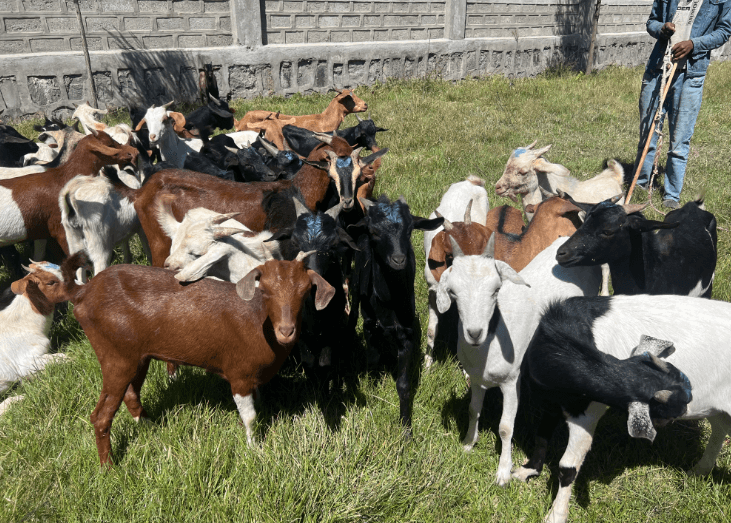
Embrace Relief’s S.E.E.D. (Sustainable Entrepreneurship through Eggs and Dairy) program leverages the benefits of goat farming to empower women in Uganda, Ethiopia, Nigeria, Kenya, and Afghanistan. By providing goats and comprehensive training in animal husbandry and business management, the S.E.E.D. program equips women with the tools they need to build sustainable businesses and achieve financial independence.

The S.E.E.D. program makes a significant impact by providing women with the resources and knowledge needed to build sustainable livelihoods through goat farming. Each participant receives vaccinated goats along with one month of feed and a feeder, ensuring the animals’ health and giving women a strong start in their new ventures. The program also offers comprehensive training in animal husbandry, covering essential skills such as feeding, breeding, and health management. Additionally, participants are taught business skills like market access and financial planning, equipping them to run successful enterprises.

This combination of livestock provision and training empowers women economically by enabling them to generate a steady income through the sale of milk, offspring, and other products. As a result, participants improve their economic status and gain the ability to better support their families, creating a ripple effect of financial stability and community development.

With just $25 a month, you can support a woman in the S.E.E.D. program, providing her with the resources needed to start and maintain a successful goat farming business. Your contribution goes beyond livestock—it empowers women, fosters economic resilience, and contributes to community development.

For more information on Embrace Relief’s S.E.E.D. program, click here!

Donate For Women’s Empowerment

$
Donate Now

What Is Malnutrition?

Malnutrition occurs when a person’s diet lacks the necessary nutrients or contains too many unhealthy components, leading to various health problems. It’s a condition that can affect individuals of all ages, but it is particularly harmful to children, pregnant women, and the elderly. Malnutrition can result in stunted growth, weakened immune systems, cognitive impairments, and even death. There are different forms of malnutrition, including undernutrition (when people don’t get enough calories or nutrients) and overnutrition (when people consume too many unhealthy foods).

Understanding the Causes and Effects of Malnutrition

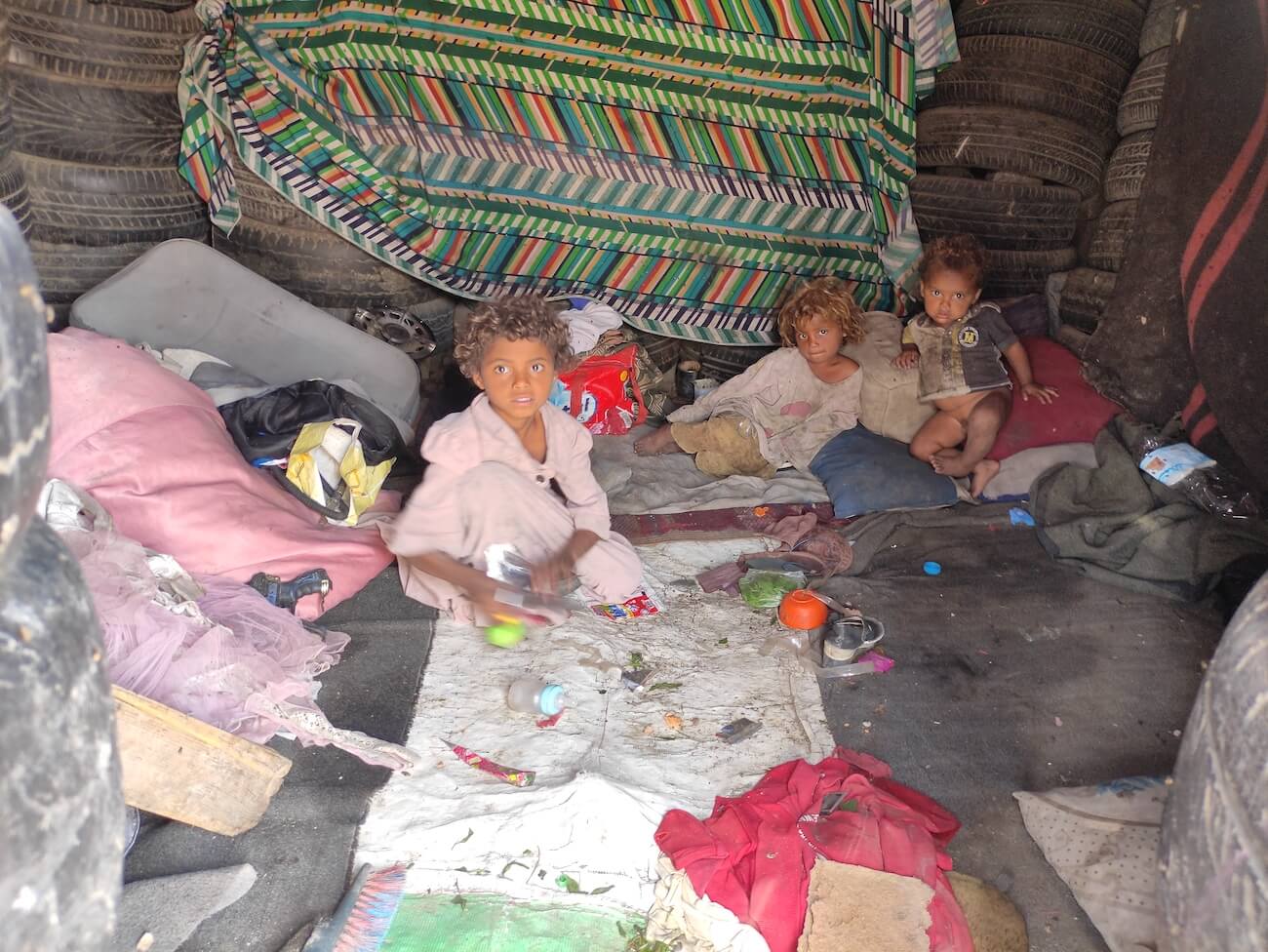
Malnutrition can stem from several factors, including poverty, lack of access to nutritious food, poor dietary practices, and underlying health conditions. In many parts of the world, especially in conflict-affected regions like Yemen, malnutrition is exacerbated by food insecurity and the breakdown of healthcare systems. The impact of malnutrition is devastating, particularly for children who are at a critical stage of growth and development. It can lead to irreversible physical and cognitive damage, making it a significant public health issue.

In Yemen, where ongoing conflict has led to widespread poverty and hunger, millions of people are at risk of malnutrition. The situation is particularly dire for children, with many facing the risk of severe acute malnutrition, a life-threatening condition. Addressing malnutrition requires immediate and sustained efforts to provide access to nutritious food and healthcare.

Embrace Relief’s Yemen Food Distribution: A Lifeline for Vulnerable Families

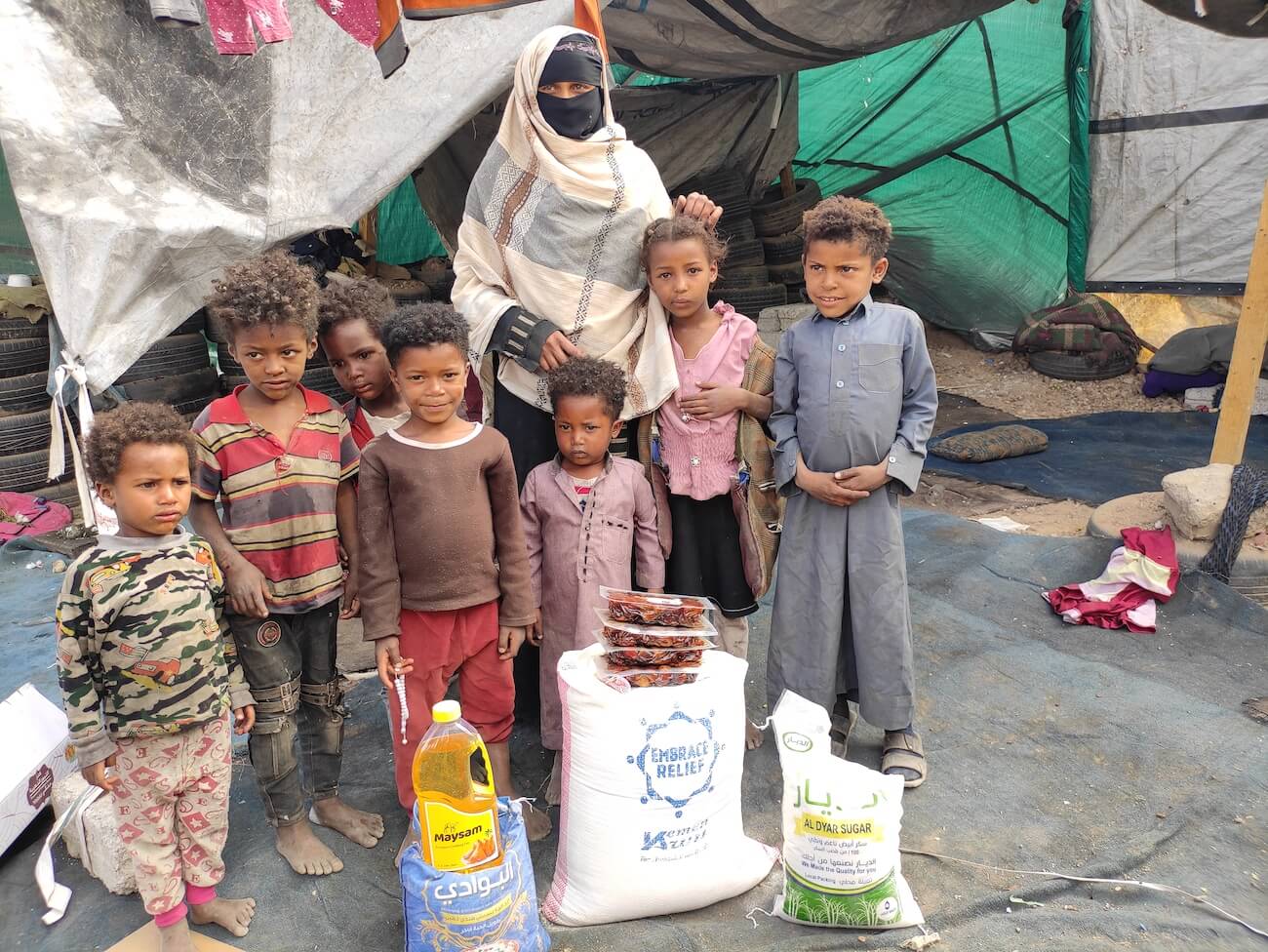
Recognizing the severe impact of malnutrition in Yemen, Embrace Relief has launched our Yemen Food Distribution program. This initiative aims to alleviate hunger and improve nutrition for Yemeni families who are struggling to survive in the face of ongoing conflict and economic instability. With a $50 donation, Embrace Relief can provide a food package filled with essential items that will last a Yemeni family for a full week. These food packages include staple items that are crucial for maintaining a balanced diet and preventing malnutrition.

The Yemen Food Distribution program is not just about providing food; it’s about giving families a chance to survive and thrive. By ensuring that families have access to nutritious food, Embrace Relief is helping to combat malnutrition and improve the overall well-being of those most affected by the crisis in Yemen.

Embrace Relief’s Yemen Food Distribution: A Lifeline for Vulnerable Families

How You Can Help: Support Embrace Relief’s Efforts

The situation in Yemen remains critical, with millions of people still facing poverty, hunger, and the threat of malnutrition. Embrace Relief’s Yemen Food Distribution program is a vital lifeline for those in need, but it cannot continue without the support of generous donors. By contributing to this program, you can help provide essential food supplies to families in Yemen, giving them the nourishment they need to survive.

Every donation makes a difference. With your support, Embrace Relief can continue to provide life-saving food packages to vulnerable families in Yemen, helping to alleviate the devastating impact of malnutrition. Together, we can make a meaningful difference in the lives of those who need it most.

DONATE NOW!

Annual Zakat Collection Trends

As the year progresses, one of the most heartening developments in the global Muslim community is the growing trend of zakat collection. This annual practice, deeply rooted in the Islamic faith, is witnessing an unprecedented surge as more people recognize the immense impact of their contributions on the lives of those in need.

Zakat, the third pillar of Islam, is not just a charitable act; it’s a profound expression of compassion and responsibility. Every year, Muslims around the world set aside a portion of their wealth to help the less fortunate, purifying their earnings and redistributing wealth to ensure that no one is left behind.

The Surge in Zakat Contributions

Recent reports and studies indicate that zakat collection is on the rise, with more Muslims embracing this vital obligation with renewed fervor. This trend is not only a reflection of increased awareness but also a response to the growing needs of vulnerable populations across the globe.

With the rise of global crises—from natural disasters to health emergencies—there is a heightened understanding of the urgent need for support. Muslims are increasingly recognizing that their zakat can be a lifeline for those facing dire circumstances. This shift is also driven by the realization that zakat is a powerful tool for addressing systemic issues like poverty, hunger, and lack of access to clean water and healthcare.

Why Give Your Zakat to Embrace Relief?

In light of these trends, it’s crucial to choose where to give your zakat thoughtfully. Embrace Relief is an organization that stands out in its commitment to making a lasting impact. By directing your zakat to Embrace Relief, you can be assured that your contributions are used effectively to support a variety of life-changing causes.

The Surge in Zakat Contributions

1. Clean Water Projects

Access to clean water is a basic human right, yet millions around the world still struggle to obtain it. Embrace Relief’s clean water initiatives focus on building wells and water purification systems in regions where water scarcity is a daily challenge. Your zakat can help bring clean, safe water to communities, significantly improving their health and quality of life.

2. Health – Cataract Surgeries

In many parts of the world, treatable conditions like cataracts leave individuals blind simply because they cannot afford surgery. Embrace Relief’s health programs provide life-changing cataract surgeries, restoring sight to those who have lost it. This is a direct way to give someone back their independence and improve their ability to support their families and contribute to their communities.

3. Hunger Relief

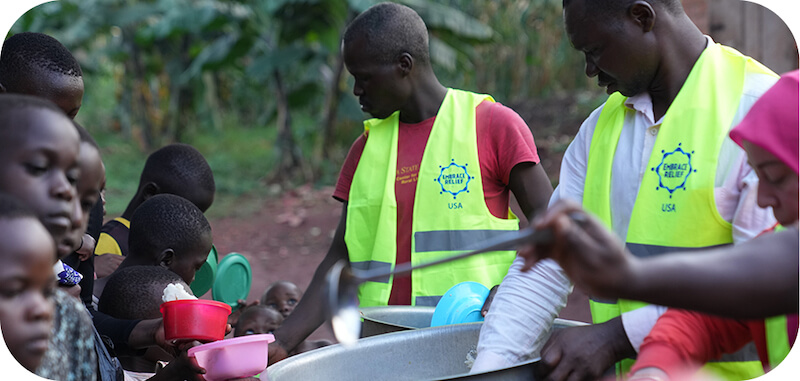
Hunger remains one of the most pressing issues globally. Embrace Relief is dedicated to combating hunger through various initiatives, including food distribution programs that reach the most vulnerable populations. Your zakat can help provide nutritious meals to those who would otherwise go hungry, particularly in regions affected by conflict and natural disasters.

4. Raise the Children

Children are the future, and they deserve every opportunity to thrive. Embrace Relief’s programs for orphan children focus on education, healthcare, and overall well-being. By supporting these initiatives with your zakat, you’re investing in the next generation, ensuring that they have the tools and resources they need to build a better life.

The Power of Your Zakat

The increasing trend in zakat collection is a testament to the generosity and compassion of the Muslim community. It’s a reminder that together, we have the power to effect significant change in the world. By choosing to give your zakat through Embrace Relief, you become a part of this global movement towards a more just and equitable world.

As you consider your zakat this year, think about the profound impact you can have. Your contribution is more than just a donation; it’s an investment in humanity, a step towards alleviating suffering, and a means of providing hope to those who need it most.

Let’s continue this positive trend by giving generously and thoughtfully. Together, we can make a difference—one zakat at a time.

Support Embrace Relief today, and let your zakat change lives.

Donate Your Zakat Online

$
Donate Now

5 Creative Fundraising Ideas

Get Creative and Make a Difference with These Fundraising Ideas

When it comes to fundraising, creativity can go a long way in making your efforts stand out and attract more support. Whether you’re raising funds for a local cause or an international humanitarian project, thinking outside the box can help you reach your goals faster and have fun in the process. In this blog, we’ll explore five creative fundraising ideas that can make a big impact. Plus, we’ll explain how you can take your efforts a step further by partnering with Embrace Relief’s Group Fundraising Program, where you can see the direct results of your work in the communities you support.

1. Host a Themed Charity Event

One of the most engaging ways to raise funds is by hosting a themed charity event. This could be anything from a costume party to a trivia night, or even a cultural festival. Charge an entry fee, sell food, and drinks, and offer raffle tickets for a chance to win prizes. The key is to create an atmosphere that encourages people to have fun while supporting a good cause. For example, you could host an international food night where attendees can sample dishes from the country you’re raising funds for.

2. Organize a Community Run or Walkathon

Physical activity fundraisers like walkathons or runs are a great way to get people involved while promoting health and wellness. Participants can raise funds by getting sponsors for each mile they walk or run. To make it even more exciting, consider adding themes, costumes, or challenges along the way. Partner with local businesses to sponsor the event, provide refreshments, or donate prizes. Not only does this bring the community together, but it also raises awareness for your cause.

Host a Themed Charity Event

3. Launch a Virtual Challenge

In the digital age, virtual challenges have become a popular way to raise funds. Whether it’s a fitness challenge, a cooking competition, or a creative arts contest, the possibilities are endless. Participants can sign up online, share their progress on social media, and invite friends and family to sponsor their efforts. You can also set up a fundraising page where participants can track donations and see how their efforts contribute to the overall goal.

4. Create and Sell Custom Merchandise

Designing and selling custom merchandise is a creative way to raise funds while spreading awareness for your cause. T-shirts, tote bags, and mugs are popular choices, but you can get as creative as you like. Collaborate with local artists or designers to create unique items that people will love to buy and show off. The proceeds from the sales can go directly toward your fundraising goal.

5. Organize a Talent Show or Concert

Bring together local talent for a night of entertainment while raising funds for your cause. A talent show or concert is a great way to showcase the skills of community members while drawing a crowd. Charge an admission fee, sell concessions, and offer opportunities for attendees to make additional donations. Consider adding a silent auction or raffle during the event to increase fundraising potential.

6. Fundraising with Embrace Relief’s Group Fundraising Program

Embrace Relief’s Group Fundraising Program offers a unique opportunity for groups to raise funds for humanitarian projects and see the impact of their work firsthand. By participating in this program, your group can choose a project, such as building a water well or supporting an orphanage, and set a fundraising goal. Once the funds are raised, members of your group have the chance to travel to the country where the project will be implemented and witness the difference they’ve made in person.

This program not only allows you to contribute to a meaningful cause but also provides an enriching experience that fosters a deeper connection to the communities you support. To start your group fundraising project, simply click here, select a cause, and begin planning your campaign. The Embrace Relief team will guide you through the process, ensuring your efforts make a lasting impact.

Get started today and make your fundraiser happen!

Fundraising doesn’t have to be boring or conventional. By incorporating creative ideas and partnering with organizations like Embrace Relief, you can maximize the impact of your efforts and create meaningful change in the world. Whether you choose to host an event, launch a virtual challenge, or design custom merchandise, every dollar raised brings you closer to making a difference. And with Embrace Relief’s Group Fundraising Program, you can take your efforts even further by seeing the direct results of your work in the communities you support. So why wait? Start your fundraising journey today and make a lasting impact!

How Do I Start A Fundraiser?

Starting a fundraiser can be an incredibly rewarding way to give back to communities in need, especially when you choose a cause close to your heart. Whether you’re raising funds for humanitarian aid, education, or disaster relief, the process can seem overwhelming at first. But with the right approach and support, you can make a significant impact. This guide will walk you through the steps to start a successful fundraiser, with a special focus on Embrace Relief’s Group Fundraising Program, which offers a unique opportunity to see your efforts in action.

Step 1: Choose Your Cause

The first step in starting a fundraiser is selecting a cause that resonates with you. This could be anything from providing clean water in Africa, supporting orphans, helping communities recover from natural disasters, or funding educational projects. The key is to choose something you’re passionate about, as this will keep you motivated throughout the fundraising process.

With Embrace Relief, you have access to a variety of causes, each with a significant impact on communities around the world. One of the most impactful ways to get involved is through their Group Fundraising Program.

Step 2: Set Your Fundraising Goal

Once you’ve chosen your cause, the next step is to set a realistic fundraising goal. Consider the scope of your project, the resources available to you, and the potential support from your network. For example, if you’re raising funds for a water well in Africa, research the costs involved and set a target that reflects the amount needed.

Embrace Relief’s Group Fundraising Program allows you to set your fundraising goals based on the project you’re passionate about. Whether it’s renovating a school, providing food packages, or supporting a medical mission, you can tailor your goals to meet the specific needs of the project.

Step 3: Create Your Fundraising Page

Your fundraising page is the heart of your campaign. It’s where people will go to learn about your cause, see your fundraising progress, and make donations. With Embrace Relief, setting up a fundraising page is easy. You’ll have access to tools that allow you to share your story, upload photos, and keep your supporters updated on your progress.

Through Embrace Relief’s platform, you can create a personalized fundraising page that reflects your mission and encourages others to get involved. Be sure to include a compelling story about why this cause matters to you and how their donations will make a difference.

Step 4: Promote Your Fundraiser

Promoting your fundraiser is essential to reaching your goal. Utilize social media, email, and word of mouth to spread the word. Share your story, provide updates, and thank your donors for their contributions. The more you promote your fundraiser, the more support you’ll receive.

Step 5: Participate in the Project

One of the unique aspects of fundraising with Embrace Relief is the opportunity to travel to the country where your project will be implemented. Through their Group Fundraising Program, you can see firsthand the impact of your donations. This experience not only allows you to witness the difference you’re making but also to connect with the communities you’re helping.

For example, groups who fundraise for a water well project might have the chance to visit the village where the well is built, meet the people who will benefit from clean water, and celebrate the success of their project. This personal connection makes your fundraising efforts even more meaningful.

Step 6: Thank Your Donors

Finally, it’s essential to thank your donors. Whether they gave $5 or $500, every contribution matters. Send personalized thank-you notes, update them on the project’s progress, and let them know how their donation is making a difference.

Start Your Fundraiser with Embrace Relief Today!

Start Your Fundraiser with Embrace Relief Today!

Starting a fundraiser is a powerful way to make a positive impact on the world. With Embrace Relief’s Group Fundraising Program, you have the opportunity to not only raise funds for a meaningful cause but also to experience the difference you’re making firsthand. Whether you’re building schools, providing food packages, or supporting medical missions, your efforts will change lives.

Ready to start your fundraiser? Learn more about our Group Fundraising Program and how you can create your own project today. Let’s work together to make the world a better place, one fundraiser at a time.

APPLY TO START YOUR FUNDRAISER TODAY!

The Top 5 Thanksgiving Traditions in the United States

Summary

  • Thanksgiving is a special time of year for people in the United States, as families and friends gather to give thanks for their blessings and good fortune.
  • For more than 400 years, many different traditions have become engrained parts of the Thanksgiving holiday, providing shared memories and experiences that bring Americans closer together.
  • Learn more about the biggest Thanksgiving traditions in the USA, including how they came to be, and how they evolved over time.
  • Then, learn more about how you can support those less fortunate during this time of giving with Embrace Relief’s Year-End Giving campaign!

Thanksgiving, a time-honored holiday in the United States, is a time for gratitude, togetherness, and tradition. Families and friends across the nation gather to celebrate this holiday, and over the years, certain traditions have become deeply established. Here are the top five Thanksgiving traditions and the stories of how they came to be.

1. The Thanksgiving Feast

The Thanksgiving feast is the centerpiece of the holiday, traditionally featuring a grand spread of turkey alongside plates full of side dishes including stuffing, cranberry sauce, mashed potatoes, and pumpkin pie. The tradition of a bountiful, shared meal of thanksgiving dates back to the early 17th century when the Pilgrims, newly arrived in Plymouth, Massachusetts, celebrated their successful harvest with a three-day feast. It was a way to give thanks for their survival and the help of the Wampanoag Native Americans. While the exact menu may have evolved over the centuries, the spirit of communal gratitude and sharing persists.

2. Parades

The Macy’s Thanksgiving Day Parade in New York City is perhaps the most famous of all Thanksgiving parades. First held in 1924, the parade features colossal balloons of beloved characters, marching bands, and celebrity performances. The idea for a parade started when employees of Macy’s wanted to celebrate the holiday in a unique way. Their vision was to bring people together, lift their spirits, and generate excitement for the upcoming holiday shopping season. Today, this tradition continues to captivate millions, both in person and through televised broadcasts, as they usher in the holiday season with a sense of wonder and awe.

3. Football

For many Americans, Thanksgiving Day means football. The tradition of football on Thanksgiving dates back to the late 19th century. The holiday quickly became associated with college football, with Yale and Princeton playing Thanksgiving games as early as 1876. By the early 20th century, the day also became the traditional time for rival high schools to play. Finally, professional football was added to the menu after the National Football League (NFL) was founded in 1920. The Detroit Lions began a tradition of playing a home game each Thanksgiving Day in 1934, which continues today. The Dallas Cowboys are also famous for their Thanksgiving games, which they have played each year since 1966.

Thanksgiving Traditions Embrace Relief

4. Turkey Pardoning

The presidential turkey pardon is a more recent tradition that has gained significant attention. Every year, the President of the United States “pardons” a turkey, sparing it from becoming Thanksgiving dinner. The origins of this tradition are somewhat debated; legend has it that Abraham Lincoln supposedly pardoned a turkey in 1863. But it wasn’t until 1989, under President George H. W. Bush that the first formal pardon was granted. The lighthearted ceremony, often accompanied by jokes and puns, highlights the presidential sense of humor while symbolizing the holiday’s message of mercy and thankfulness.

Volunteering and Giving Back:

Thanksgiving is not only a time for personal reflection but also a time to give back to those in need. Community service, volunteering, and charitable giving have become deeply ingrained in the holiday spirit. Thanksgiving is a time for sharing food with those less fortunate, which can be achieved by volunteering at local food banks, or giving to charities who provide food to vulnerable people around the world. This tradition of kindness and compassion serves as a reminder of the true meaning of Thanksgiving – to share blessings and support the community.

These traditions, deeply rooted in American culture, remind us of the significance of Thanksgiving as a time for family, gratitude, and unity. While the specifics of the celebrations may evolve over time, the core values of thankfulness and togetherness remain constant. From the historical roots of the Pilgrims’ feast to the modern-day celebrations, Thanksgiving traditions in the United States continue to be cherished and passed down from one generation to the next, keeping the spirit of the holiday alive.

Thanksgiving Traditions Embrace Relief

Donate to Embrace Relief’s Year-End Giving in the spirit of Thanksgiving!

If you’re looking to make an impact this Thanksgiving season, there’s no better way than with a gift to Embrace Relief’s “Year-End Giving” campaign!

In 2024, we are highlighting three important humanitarian campaigns where your gift can make a real difference in the lives of those in need:

  • Clean Water, where your donation will help us build water wells in Africa, providing safe, clean drinking water to thousands of people in dozens of communities;
  • Health, where your donation will help us provide hundreds of cataract surgeries to people who suffer from blindness; and
  • Raise the Children, where your donation will give an orphaned child the love and support they need to develop and grow.

No donation is too small: even a gift of $15 could give someone – a mother, a child, a family, a village – hope in their time of need.

Click here to learn more about Embrace Relief’s Year-End Giving causes, and use the donation box below to make an impact today!