



Recent

5 Delicious Labor Day Potluck Dishes

Labor Day is the perfect occasion for a potluck, and sharing delicious dishes with family and friends is a wonderful way to celebrate. Here are five crowd-pleasing recipes that are sure to be a hit at any Labor Day gathering:

1. Classic Deviled Eggs

Deviled eggs are a timeless favorite. They are simple to make and always a hit at parties. All you need are hard-boiled eggs, mayonnaise, mustard, and a dash of paprika. Customize with pickles or bacon bits for an extra twist.

2. BBQ Pulled Pork Sliders

BBQ pulled pork sliders are both delicious and easy to serve. Slow-cooked pork shoulder, smothered in BBQ sauce and served on mini buns, will satisfy everyone. Add coleslaw on top for an extra crunch.

3. Summer Pasta Salad

A refreshing summer pasta salad is perfect for a potluck. Mix cooked pasta with cherry tomatoes, cucumbers, olives, feta cheese, and a light vinaigrette dressing. It’s colorful, healthy, and tastes great chilled.

4. Fruit Skewers with Honey-Lime Dressing

Fruit skewers are a refreshing and healthy option. Skewer a mix of strawberries, pineapple, grapes, and melon, and drizzle with a honey-lime dressing for added flavor. These are not only tasty but also visually appealing.

5. Cheesy Garlic Bread

Cheesy garlic bread is always a favorite. Use a baguette, butter it generously, add minced garlic, and top with mozzarella and parmesan cheese. Bake until golden and serve hot. It’s the perfect accompaniment to any meal.

5 Delicious Labor Day Potluck Dishes

Support Embrace Relief’s Yemen Food Distribution

While we enjoy these delicious dishes, it’s important to remember those who are less fortunate. Millions of Yemenis continue to face hunger and poverty due to the ongoing conflict. Embrace Relief’s Yemen Food Distribution campaign aims to alleviate this issue by providing essential food packages to those in need.

With a $50 donation, you can provide a food package filled with essential items that will last a Yemeni family for a full week. These packages contain staple foods like rice, flour, sugar, and cooking oil, crucial for their survival.

By supporting Embrace Relief’s Yemen Food Distribution, you can make a significant impact on the lives of those suffering from food insecurity. This Labor Day, while you enjoy your potluck dishes, consider helping a family in Yemen have their next meal. Every contribution counts and brings hope to those in desperate need.

DONATE TODAY!

Impact of Zakat on Local Economies

Zakat, one of the Five Pillars of Islam, holds immense significance in the Muslim faith. It is an obligatory act of charity, where Muslims are required to give a portion of their wealth to those in need. Beyond its religious importance, Zakat plays a critical role in shaping and uplifting local economies, driving positive change, and fostering community well-being.

Economic Impact of Zakat

1. Alleviating Poverty

Zakat is a powerful tool in the fight against poverty. By redistributing wealth from the affluent to the less fortunate, Zakat provides immediate relief to those struggling to make ends meet. This financial support can cover essential needs such as food, clothing, shelter, and healthcare, lifting families out of poverty and improving their quality of life.

2. Stimulating Local Economies

When Zakat funds are injected into local communities, they stimulate economic activity. Beneficiaries use the financial aid to purchase goods and services, thereby supporting local businesses and markets. This increased demand can lead to job creation and economic growth, creating a ripple effect that benefits the entire community.

3. Promoting Education and Skills Development

A portion of Zakat funds is often allocated to educational initiatives and skills development programs. By investing in education, communities can break the cycle of poverty, equipping individuals with the knowledge and skills needed to secure better job opportunities and contribute to the local economy. Education empowers individuals to become self-sufficient, reducing their reliance on charitable aid in the long term.

How We Can Continue to Bridge the Gap in Educational Leadership

Embrace Relief’s Zakat Initiatives

Embrace Relief is dedicated to maximizing the impact of Zakat donations by supporting a variety of causes that address critical needs. When you give your Zakat through Embrace Relief, you are contributing to initiatives that make a tangible difference in the lives of vulnerable individuals and communities:

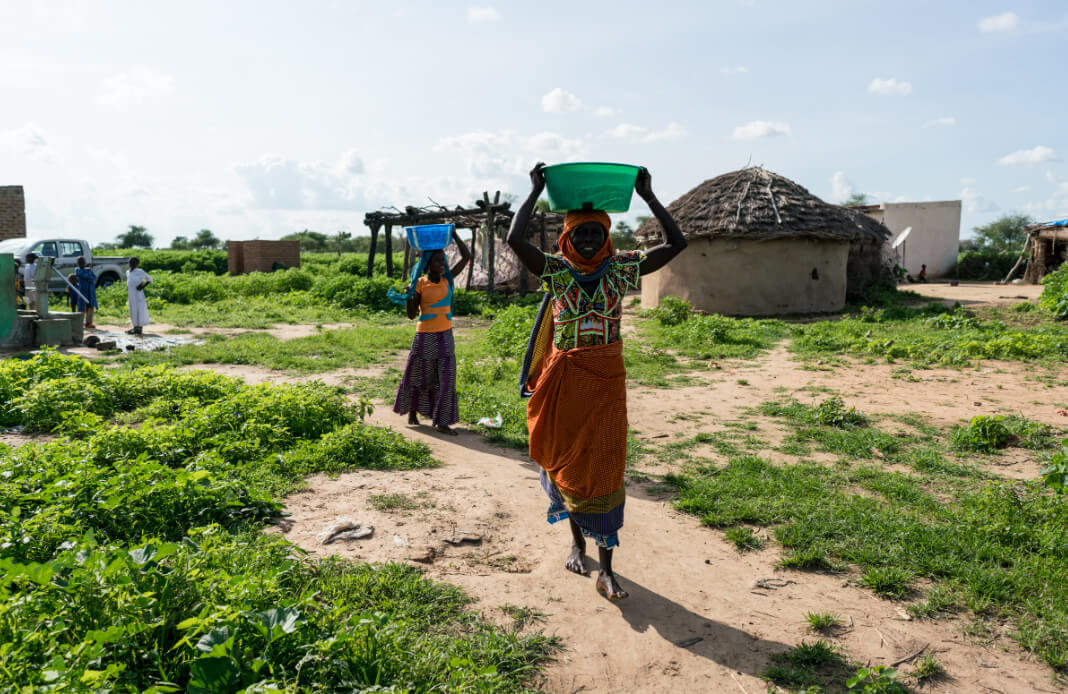
Access to clean water is a fundamental human right, yet millions of people worldwide lack this essential resource. Embrace Relief’s clean water projects aim to provide sustainable solutions by building and maintaining water wells in underserved communities. Your Zakat donations can help ensure that families have access to safe drinking water, improving their health and quality of life.

Health and Cataract

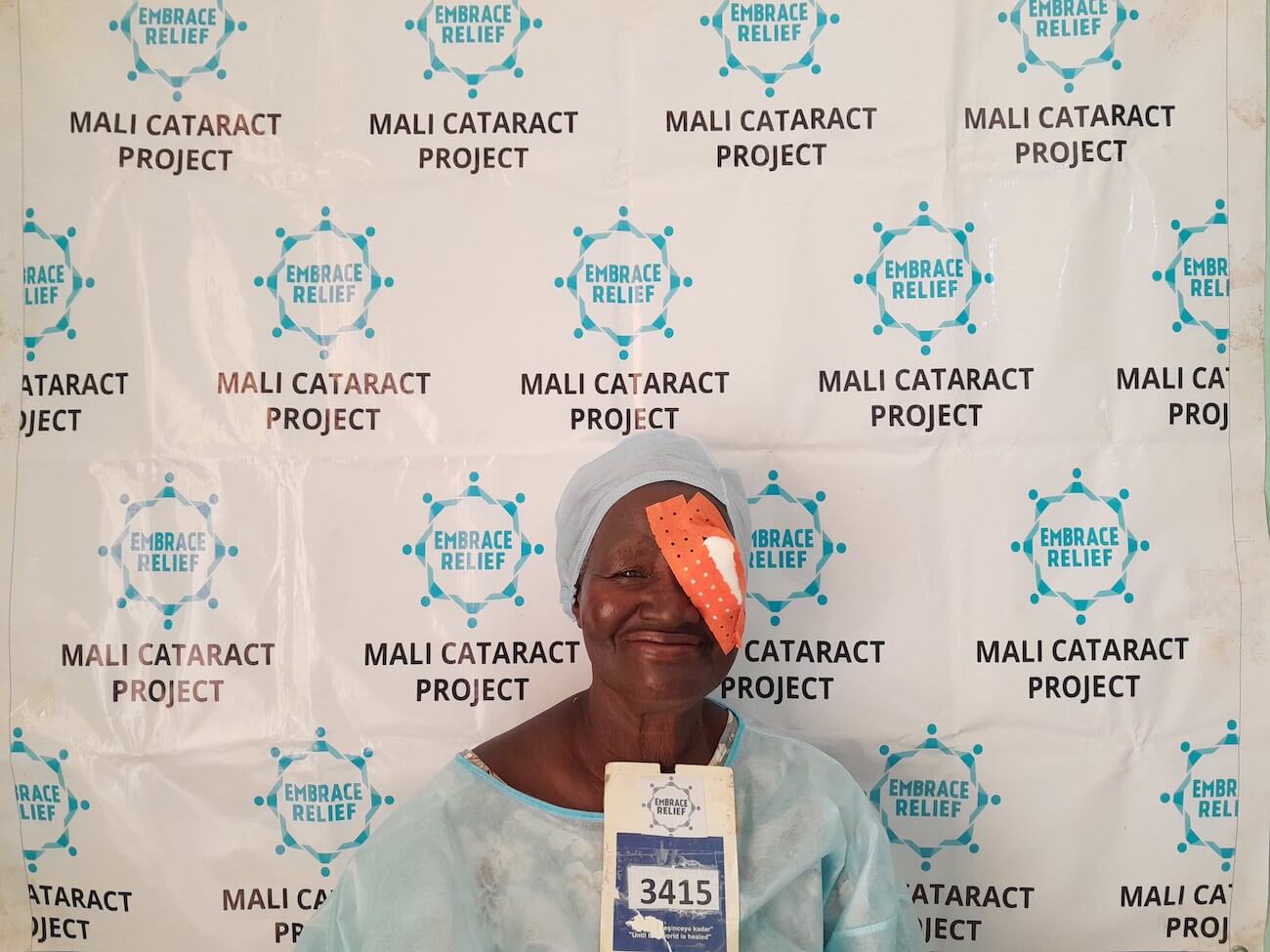
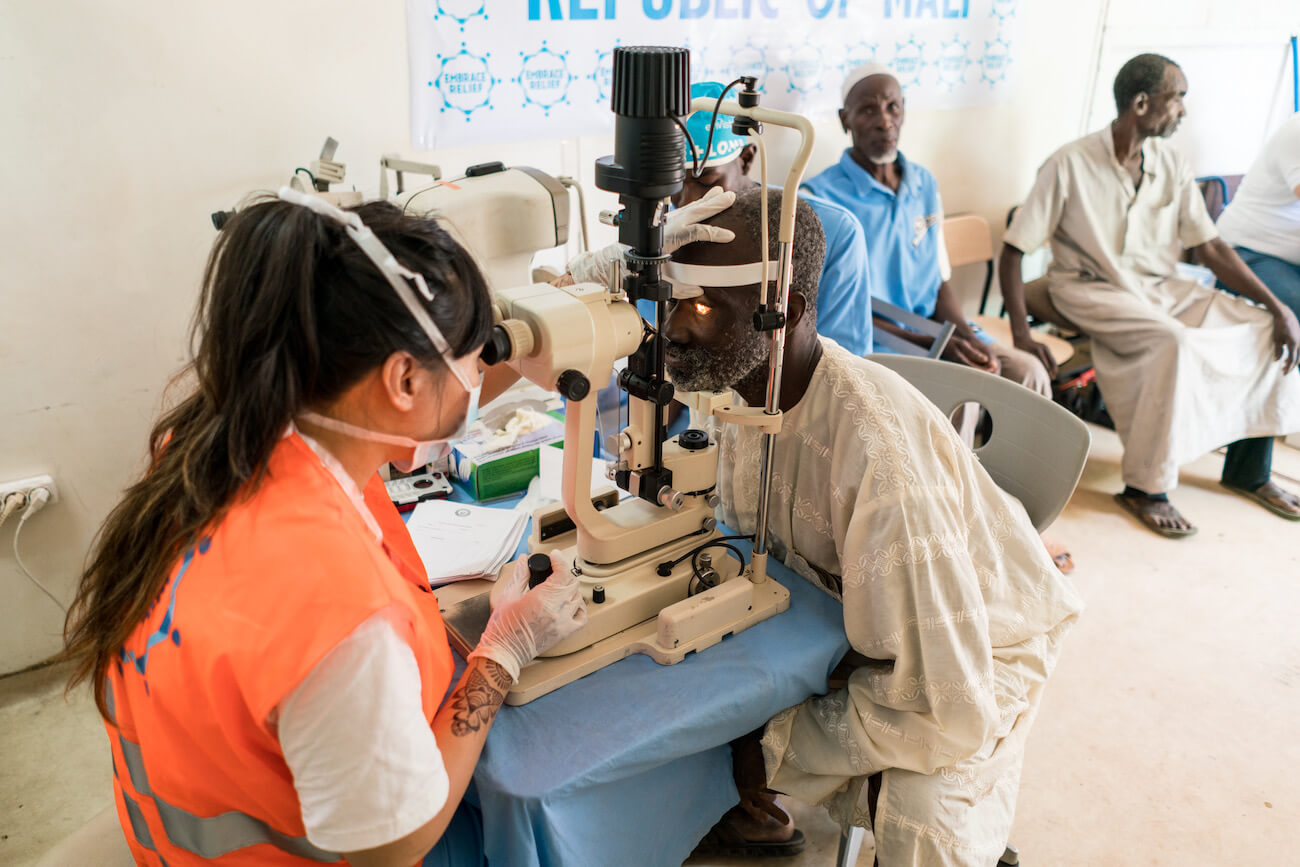
Healthcare is another vital area where Zakat can make a significant impact. Embrace Relief’s health programs focus on providing essential medical services, including cataract surgeries, to those in need. By supporting these programs, your Zakat can restore vision and transform lives, enabling individuals to regain their independence and contribute to their communities.

Raise the Children Program

Education is a key driver of economic development and social progress. Embrace Relief’s Raise the Children program provides educational support to orphaned and vulnerable children, giving them the tools they need to succeed. Your Zakat can help fund scholarships, school supplies, and other educational resources, empowering children to build a brighter future for themselves and their communities.

Making a Difference Together

The impact of Zakat on local economies is profound, providing a lifeline to those in need and fostering sustainable development. By giving your Zakat with Embrace Relief, you can support a range of initiatives that address critical needs, from clean water and healthcare to education and poverty alleviation. Together, we can create a positive and lasting impact on the lives of countless individuals and communities worldwide.

Join us in making a difference by donating your Zakat through Embrace Relief. Your generosity can change lives and build stronger, more resilient communities.

GIVE YOUR ZAKAT TODAY!

Donate Your Zakat Online

$
Donate Now

5 Labor Day Online Fundraising Ideas

Labor Day offers a great opportunity to kick off a meaningful online fundraising campaign. Here are five creative ideas to make the most of this holiday:

1. Virtual Charity Walk or Run

Organize a virtual walk or run where participants can join from anywhere. Encourage them to register, participate, and share their progress on social media using a unique hashtag.

2. Online Auction

Host an online auction where people can bid on donated items or services. Use a platform like eBay for Charity or set up a dedicated auction page on your website.

3. Live Streaming Events

Create engaging live streams such as a talent show, cooking class, or concert. Viewers can donate during the stream, and you can use platforms like YouTube or Facebook Live for this purpose.

4. Peer-to-Peer Fundraising

Encourage your supporters to create personal fundraising pages and share them with their networks. Offer incentives or rewards for those who raise the most funds.

5. Online Raffles

Organize an online raffle with exciting prizes. Promote the raffle through email and social media, and sell tickets through an online platform.

How We Can Continue to Bridge the Gap in Educational Leadership

Embrace Relief’s Group Fundraising Program

Fundraising with Embrace Relief through our Group Fundraising Program offers a unique opportunity for you to make a tangible difference. By participating, you can travel to the country where your project will be implemented and witness firsthand the impact of your donations. This immersive experience not only allows you to see the positive changes you’re making but also connects you with the communities you’re helping.

Creating Your Group Fundraising Project

Creating a group fundraising project with Embrace Relief is simple. Follow these steps to get started:

  1. Identify a Cause: Choose a cause that resonates with your group. Whether it’s providing clean water, supporting children, or distributing food, select a project that you are passionate about.
  2. Set a Goal: Determine a fundraising goal that you aim to achieve. This will help motivate your group and give you a clear target to work towards.
  3. Create a Fundraising Page: Set up a dedicated fundraising page on the Embrace Relief website. Personalize it with your group’s story, the cause you are supporting, and your fundraising goal.
  4. Promote Your Campaign: Use social media, email, and other communication channels to spread the word about your campaign. Share updates, success stories, and progress towards your goal to keep your supporters engaged.
  5. Plan a Trip: Once your fundraising goal is achieved, plan a trip to the country where your project will be implemented. Embrace Relief will assist in coordinating the trip and ensuring you have a meaningful and impactful experience.

This Labor Day, consider launching an online fundraising campaign with Embrace Relief. Not only will you be supporting important causes, but you’ll also have the opportunity to see the impact of your efforts firsthand. Join us in making a difference and start your group fundraising project today!

APPLY NOW

The Booklet Revolution: Transforming Lives One Guide at a Time

Summary

  • Explore the impactful role of booklets in personal and community transformation.
  • Learn how educational materials contribute to economic empowerment and entrepreneurial success.
  • Discover how Embrace Relief’s K.E.E.N. program uses these resources to empower women in Kenya.

Booklets are often underestimated in their potential, yet they are surprisingly powerful tools for change. In today’s world, where information is more accessible than ever, a well-designed booklet can be a gateway to new opportunities and transformative experiences. These simple resources provide clear, actionable information and can spark significant personal and communal growth.

In the digital age, the resurgence of physical booklets highlights their enduring value. Unlike fleeting online content, a well-crafted booklet offers a tangible, easily accessible guide that can educate, inspire, and empower. From instructional guides to motivational resources, booklets serve as critical tools in various fields, including education and entrepreneurship.

Many success stories illustrate how booklets have played a crucial role in personal and community development. For instance, educational booklets have been instrumental in training individuals for the United Nations and the World Health Organisation, as they are easier to distribute to vulnerable populations. These resources are often the first step toward significant changes, enabling individuals to build skills and pursue new opportunities.

In entrepreneurial ventures, booklets can be especially impactful. They offer detailed instructions and resources that help budding entrepreneurs turn their ideas into successful businesses. Whether it’s a guide on starting a small business or a manual on specific skills, booklets can provide the foundational knowledge needed for entrepreneurial success.

How the K.E.E.N. Program Uses Booklets to Empower Women in Kenya

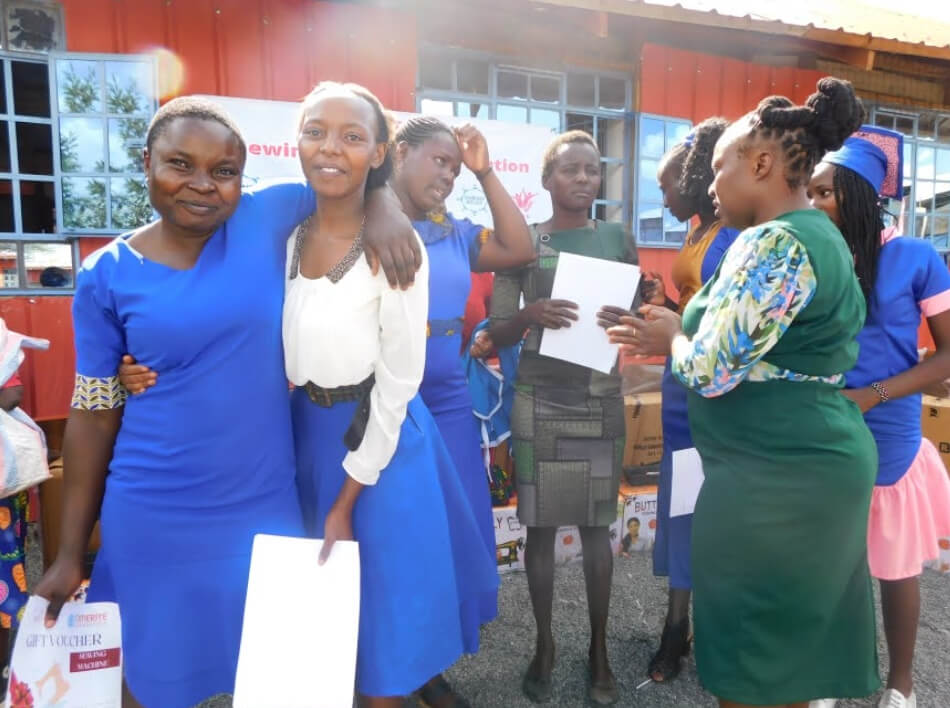
Embrace Relief’s Kenya Entrepreneurial Empowerment Network (K.E.E.N.) program exemplifies how educational materials, including booklets, can drive substantial change. The K.E.E.N. program is dedicated to empowering women in Githurai, Kenya, by providing the tools they need to become professional seamstresses in their local communities.

Program Overview:

  • Comprehensive Training: The K.E.E.N. program offers a detailed sewing training course that equips women with the skills to become successful entrepreneurs.
  • Supportive Resources: Participants receive essential tools, including sewing machines, and access to resources that help them start and manage their own businesses.
  • Community Impact: By addressing barriers such as limited access to education and childcare, K.E.E.N. fosters an inclusive environment that supports long-term success and community development.

By supporting the KEEN program, you contribute to a powerful initiative that transforms lives through education and entrepreneurship. Your support helps restart this valuable program and empowers women to achieve economic independence and contribute to their communities.

Join us in making a difference. Your donation can help provide the necessary tools and resources to women eager to improve their lives and build a brighter future. Together, we can create lasting change and support the economic empowerment of women in Kenya.

For more information on the Embrace Relief K.E.E.N. program, click here.

Donate For Women’s Empowerment

$
Donate Now

Pumpkin Spice and Women’s Empowerment: More Than a Seasonal Trend

Summary

  • Women are driving trends in seasonal products like pumpkin spice, reflecting their growing influence in the business world.
  • The rise of female entrepreneurs, particularly in small businesses, demonstrates the increasing opportunities for women to lead in industries they once couldn’t access.
  • Programs like Embrace Relief’s women’s empowerment initiatives help women to take control of their futures, offering education and entrepreneurial opportunities.

As the leaves start to change and the air becomes crisp, there’s one scent and flavor that dominates every café and store: pumpkin spice. While it may seem like a fun seasonal trend, the rise of pumpkin spice isn’t just about lattes and candles—it’s also a reflection of women’s growing influence in the marketplace and their role as leaders in entrepreneurship.

Across industries, women are using their creativity, resilience, and business acumen to shape trends, and in turn, empower themselves and others. Whether they are entrepreneurs in the food and beverage industry or executives in marketing and retail, women are playing a huge role in making pumpkin spice the cultural phenomenon it is today. And as we sip on our pumpkin spice lattes, it’s a great reminder of how women’s empowerment and business success go hand in hand, especially as the world shifts to embrace female leadership.

In recent years, female entrepreneurship has seen a significant boom. In the U.S., the number of women-owned businesses has grown by 21% from 2014 to 2019, nearly double the growth rate of businesses overall . Globally, women now own over 30% of all small businesses . This trend reflects a broader shift toward gender equality in the business world, with women making their mark in industries traditionally dominated by men. From running small bakeries and cafes to heading large corporations, women are finding their niche, particularly in seasonal product trends like pumpkin spice.

The pumpkin spice craze is largely driven by women as both consumers and business owners. Many of the companies that capitalize on this trend are small, women-owned businesses that focus on artisanal, seasonal products. This surge in female entrepreneurship not only contributes to the economy but also empowers women to create businesses that reflect their passions and strengths.

Seasonal trends like pumpkin spice represent more than just a marketing opportunity—they signify the power of women to shape culture and commerce. By participating in or even leading these trends, women are taking control of industries that influence how we experience everyday life. Whether through creating their own small businesses or taking leadership roles in larger corporations, women are redefining what it means to be an entrepreneur in today’s world.

Moreover, the flexibility that entrepreneurship offers allows many women to pursue their careers while balancing family life. This flexibility can be particularly empowering for women in developing countries, where traditional roles might limit their access to education and career opportunities.

Embrace Relief Pumpkin Spice

Embrace Relief: Empowering Women Around the World

At Embrace Relief, we recognize the importance of women’s empowerment on a global scale. Through our programs, we help women build brighter futures by giving them access to education, entrepreneurship, and leadership development.

By supporting these programs, you play a vital role in promoting gender equality and economic empowerment. Your donation will provide education, training, and resources to women eager to enhance their lives and positively impact their communities; even just $15 a month can change the life of a woman in need.

Each of our programs is designed to empower women by providing them with the skills, education, and support they need to succeed, whether in business, education, or their personal lives. By supporting Embrace Relief, you are helping women around the world achieve their dreams, lead their communities, and create a more equitable future.

For more information on Embrace Relief’s women’s empowerment programs and to make a donation, click here.

Donate For Women’s Empowerment

$
Donate Now

Types of Blindness

Summary

  • 43 million people are blind globally, with 1 million living in the U.S.
  • 89% of global blindness is concentrated in underdeveloped countries, like Mali, Burkina Faso, Uganda, Kenya, and Afghanistan.
  • Knowledge of eye health, including the types of blindness, causes, symptoms, and treatments, is paramount in maintaining your vision and overall well-being.
  • There are five primary types of blindness, each caused by a variety of factors that contribute to vision loss.
  • Sponsoring a cataract surgery in an underdeveloped country only costs 120 USD.

Many factors can contribute to blindness or visual impairment. To maintain eye health and overall well-being, it is essential to know the types, causes, symptoms, and treatments for blindness. In the U.S., there are more than 1 million people are blind. Globally, approximately 43 million people are blind, with 89% of these cases being in developing countries. Access to basic health services like full-body checkups means early intervention and lessens the likelihood of vision loss, a luxury millions of people worldwide do not have.

Types of Blindness

Complete blindness: Zero vision, including inability to see or detect light.

Partial or low blindness: Some vision, often blurry or dark.

Congenital blindness: Born with poor vision for several reasons, including inherited genetics, retinal conditions, and non-inherited birth defects.

Legal blindness: A term used in the United States to describe a person with 20/200 vision or who has severe vision loss in their field of vision or peripheral vision.

Nutritional blindness: A person may experience vision loss due to a vitamin deficiency.

Symptoms of Vision Loss

Recognizing the symptoms of vision loss is crucial, as it could prompt you to seek medical advice and receive early intervention to prevent blindness.

  • Blurry vision
  • Double vision
  • Eye pain
  • Floaters and flashes
  • Sensitivity to light
  • Sudden blackspots or loss of vision
Embrace Relief Types of Blindness

Causes and Treatments

There are many different conditions that can cause partial or complete blindness. including infections, non-infectious diseases, eye injuries or head trauma.

Infections

Non-infectious Diseases

Eye Injuries and Head Trauma

  • Chemical burns
  • Exposure to toxins
  • Fights
  • Fireworks
  • Industrial accidents, including falls
  • Motor vehicle crashes
  • Sports

Reduce Your Risk of Blindness

To reduce your risk of vision loss and blindness, it is important to maintain a healthy lifestyle, including seeing an ophthalmologist, or eye doctor, for annual check ups and eye exams. Most eye doctors utilize the Snellen Test, which entails the patient reading lines of the alphabet that become smaller as they go down the page; this test measures central vision, or what one can see in front of them. To test one’s field of vision, including peripheral, a provider may use the Visual Field Test, or Perimetry Test.

Blindness in Developing Countries

With 89% of the world’s blind population living in developing countries, there is an undeniable need for improved access to health and medical services. Embrace Relief addresses global health inequality and global health security by creating positive health outcomes and expanding access to affordable care for vulnerable communities.

We achieve this mission through the provision of free cataract surgeries, full-body health screenings, and medicine, as well as facilitating the acquisition of medical supplies and equipment. Embrace Relief’s Health-Cataract program operates in Mali, Afghanistan, Kenya, Uganda, and Burkina Faso. It aims to promote sustainable development by increasing the quality of life, educational success, workforce participation, and social development.

You can give someone the gift of sight by making a donation of any amount. Donate today – just $120 covers the cost of one cataract surgery and health/eye screenings for 15 other people!

How You Can Help: The Gift of Sight

A simple cataract surgery, which costs only $120, can transform a life. With your support, our Embrace Relief’s health clinics can provide these surgeries to those in need, giving them the gift of sight and the opportunity for a better future. Here’s how your donation can make a difference:

  • $120 Donation: Funds one complete cataract surgery, restoring sight to an individual in need.
  • $240 Donation: Supports two surgeries, doubling the impact.
  • $600 Donation: Helps five people regain their vision, enhancing their quality of life and ability to contribute to their communities.

Your donation can make a significant difference in the lives of those suffering from cataracts in Mali and Burkina Faso. For just $120, you can fund a cataract surgery and give someone the precious gift of sight.

Help us light up lives and drive away the darkness caused by cataracts. Donate now and be a part of this life-changing mission.


$

The Nisab for Zakat in 2024

Zakat, one of the Five Pillars of Islam, is an obligatory act of charity that purifies wealth and supports those in need. Determining whether one is required to pay Zakat involves understanding the concept of Nisab, the minimum amount of wealth a Muslim must possess before being liable to pay Zakat.

What is Nisab?

Nisab is the threshold amount that a Muslim’s net worth must exceed before they are required to pay Zakat. This threshold is based on the value of 87.48 grams of gold or 612.36 grams of silver. For 2024, the Nisab value for gold is approximately $5,300, while for silver, it is around $500. Muslims who possess wealth (assets minus liabilities) above this amount for a lunar year must pay Zakat, which is typically 2.5% of their total wealth.

How to Calculate Your Zakat

Calculating Zakat involves assessing all forms of wealth, including cash, savings, investments, gold, silver, and business commodities, and then deducting any liabilities such as debts. Once the net total exceeds the Nisab threshold, 2.5% of this wealth is given as Zakat.

Embrace Relief offers an easy-to-use Zakat calculator on our website, allowing you to accurately determine your Zakat obligation. This tool simplifies the process, ensuring you fulfill your religious duty correctly.

Give Your Zakat with Embrace Relief

At Embrace Relief, we provide an opportunity for you to make a significant impact with your Zakat. Your donations can support various critical causes, including:

  • Clean Water Initiatives: Providing safe and accessible drinking water to communities in need.
  • Health/Cataract: Funding cataract surgeries to restore vision for those suffering from preventable blindness.
  • Raise the Children: Supporting orphaned and vulnerable children with education, healthcare, and essential needs.
How to Calculate Your Zakat

Why Your Zakat Matters

By giving your Zakat through Embrace Relief, you ensure that your contributions are used effectively to alleviate suffering and improve lives. Our programs are designed to provide sustainable support, helping communities achieve long-term improvements in health, education, and quality of life.

Zakat is not just a duty but an opportunity to make a profound difference. Your generosity can transform lives, bringing hope and relief to those who need it most.

Join us in our mission to create a better world by giving your Zakat with Embrace Relief. Your support can change lives and bring light to the darkest situations.

Give your Zakat with Embrace Relief today!

Donate Your Zakat Online

$
Donate Now

What is the 1972 Clean Water Act and why is it important?

Summary

  • Before the passage of the Clean Water Act in 1972, the great rivers, lakes and streams of the United States were filled with pollution.
  • For more than 50 years, the Act has had an immensely positive impact on Americans’ health by making the water we drink safer.
  • Learn how you can make clean drinking water a reality for those outside America by supporting Embrace Relief’s Clean Water Initiative to build water wells in Africa.

The 1972 Clean Water Act: 50+ years of Safeguarding America’s Water Supply

The Clean Water Act of 1972 is a cornerstone environmental law in the United States that has played a critical role in protecting and restoring the nation’s water resources and safeguarding public health. Over the past 50-plus years, the Clean Water Act has spurred a dramatic reduction in the amount of harmful pollutants in the country’s water supply, creating immensely positive benefits to public health and the economy. Because of the Clean Water Act, nearly every American today can confidently drink clean, safe water from a trusted source – an everyday benefit that is easy to take for granted.

But this was not always the case. That is why it’s important to understand why the Clean Water Act came to exist, what it does, and why it remains one of the most important federal laws on the books.

At the end of this blog, we hope you will stick around to learn more about people around the world who don’t have a Clean Water Act – and who need your help to access safe, clean drinking water.

The 1972 Clean Water Act: Why does it exist

During the 1960s, a growing environmentalist movement in the U.S. began to draw attention to the state of America’s green spaces and water supply. In a time before the Clean Water Act existed, there was little to no federal oversight regarding water pollution. Yet there was widespread awareness that many of the nation’s most important water sources – great rivers, massive lakes, and abundant streams – were polluted with industrial waste and chemicals, metal and plastic garbage, human and animal waste, pesticides, and other pollutants.

Famously, in 1969, the Cuyahoga River in Ohio caught fire when debris from a nearby factory ignited, and oil pooled on top of the water helped the fire spread. Images of the burning river, became a powerful symbol of America’s need to clean up its act.

In the years following, members of Congress pushed to create legislation that would address this crisis and restore the country’s water quality. In October 1972, this effort finally succeeded with the passage of the Clean Water Act by an overwhelming majority vote by the U.S. House and Senate.

The 1972 Clean Water Act: What does it do?

The Clean Water Act introduced several key provisions that revolutionized water pollution control in the United States. The following list includes only some of the most important ones:

  • Establishment of Water Quality Standards: The Act required states to develop water quality standards for all surface waters. These standards set the acceptable levels of pollutants and other harmful substances, ensuring that water remains safe for human consumption, recreation, and wildlife.
  • National Pollutant Discharge Elimination System (NPDES): One of the most significant aspects of the Clean Water Act is the creation of the NPDES, a permitting system that regulates the discharge of pollutants into U.S. waters. This system requires industries, municipalities, and other facilities to obtain permits before releasing any pollutants, ensuring that discharges meet established water quality standards.
  • Prohibition of Point Source Pollution: The Act specifically targeted “point source” pollution, which refers to contaminants that enter water bodies from a single, identifiable source, such as a factory pipe or sewage treatment plant. By regulating these discharges, the Clean Water Act significantly reduced the levels of industrial and municipal waste entering the nation’s waters.
  • Protection of Wetlands and Aquatic Ecosystems: The Clean Water Act also provided for the protection of wetlands, which are vital to maintaining water quality, supporting biodiversity, and preventing floods. By regulating activities that could harm these ecosystems, the Act has helped preserve critical habitats across the country.

The Clean Water Act of 1972: Why is it important?

The importance of the Clean Water Act cannot be overstated. It has been instrumental in improving water quality across the United States, benefiting public health, the environment, and the economy while also building our resilience to climate change.

  • Improved Public Health: The Clean Water Act is responsible for keeping 700 billion pounds of pollutants out of America’s drinking water every year. Clean water is essential for drinking, bathing, cooking, and recreational activities, and the Act’s regulations ensure that water is safe for these uses.
  • Environmental Protection: The Clean Water Act has helped to restore and protect aquatic ecosystems that were once severely degraded by pollution. Healthier rivers, lakes, and wetlands support a diverse range of wildlife, including fish, birds, and other aquatic species. Numerous species have seen their numbers rebound in the years since the Act’s passage.
  • Economic Benefits: Clean water is vital for many industries, including agriculture, fishing, tourism, and manufacturing. By ensuring that water quality is maintained, the Clean Water Act supports these industries, which in turn supports jobs and contributes to the economy. Moreover, cleaner water bodies attract tourism and recreational activities, generating revenue for local communities.
  • Climate Change Resilience: In the face of climate change, the Clean Water Act remains a critical tool for managing water resources. As extreme weather events become more common, the Act’s provisions help ensure that water systems are resilient to floods, droughts, and other climate-related challenges.

Despite its successes, the Clean Water Act faces ongoing challenges. Changing environmental conditions, evolving industrial practices, and political debates about the scope of the Act’s protections mean that continued vigilance is necessary to uphold its standards. Despite this, the Act continues to play an essential role in safeguarding the health of the environment and the American public more than 50 years after its passage.

Make Clean Water a Reality Around The World

Many Americans living today were alive when polluted drinking water was a normal part of everyday life. Unfortunately, this is still the reality for hundreds of millions of people around the globe, especially in sub-Saharan Africa.

Clean water is necessary for any community to eliminate poverty and hunger, and to create health prosperity. And just like the U.S. Clean Water Act has transformed our lives by making clean water the standard, any one of us can make a powerful impact on entire communities in Africa by building a water well with Embrace Relief!

Embrace Relief’s Clean Water Initiative has built or reconstructed more than 950 water wells in Africa since 2013, expanding access to clean water for nearly 1 million people. We’ve seen firsthand how our wells are bringing joy and happiness to communities in Chad, Cameroon, Nigeria, Tanzania, and Kenya: by reducing the prevalence of waterborne diseases, by improving the food supply, and by ensuring that the drinking water is just as safe and reliable as it is in America.

We hope you will join Embrace Relief in making a difference by donating to our Year-End Giving Campaign, helping us to reach our goal of 30 new water wells by the end of 2024!

No donation is too small – just $35 will provide clean water to 10 people. You may also sponsor your own water well for $3,500, which comes with the option to name your well to honor family, friends, or loved ones.

So donate today using the donation box below, and help Embrace Relief spread clean water around the world!