Embrace Relief is a 501 (c) (3) non-profit organization which collaborates with volunteers to deliver humanitarian aid and disaster relief to vulnerable communities around the world.
Our teams offer relief in the form of:
Financial Support
Emotional Support
Physical Support
in order to meet the needs of people ravaged by disaster and other misfortune. The foundation collects and distributes supplies to families, individuals and institutions.
When you or your organization partner with Embrace Relief, you join our mission of alleviating suffering and promoting human development throughout the world. With our diverse array of humanitarian programs and ability to reach every corner of the globe, we can ensure your support will reach people in need.
Delivering research-based, sustainable solutions to achieve immediate and lasting improvements in situations of humanitarian emergency and improving the quality of life of individuals and communities enduring chronic hardships.
OUR VISION
Driven by a strong belief in the power of comprehensive development, Embrace Relief is committed to creating a lasting impact in the lives of individuals locally and globally. We implement research-based programs to achieve measurable, sustainable improvements in the lives of those in need. By constantly using research and closely engaging with those we serve, our innovative approach ensures we deliver the most beneficial services.
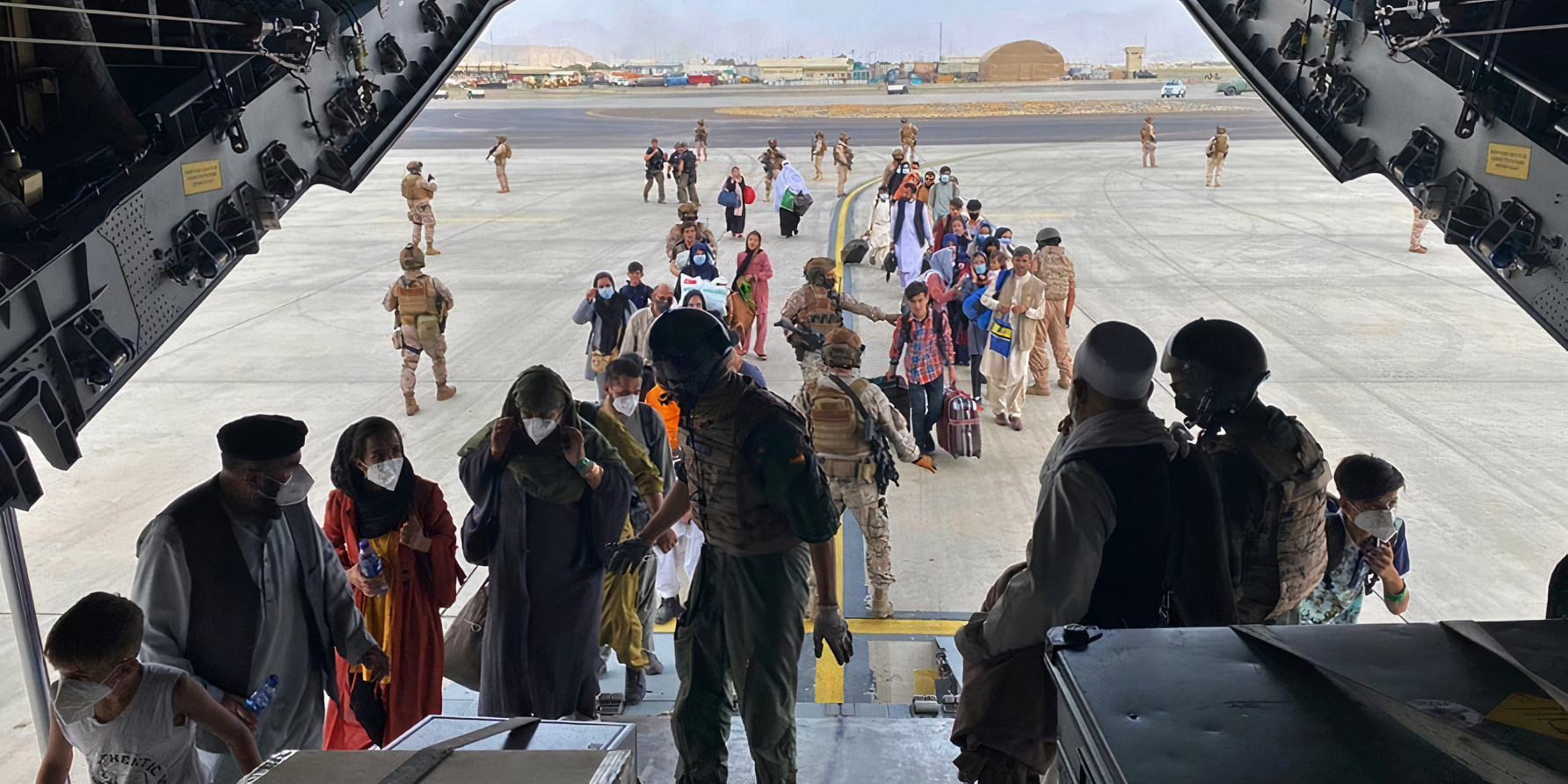
So far, over 110,000 people have been airlifted from Afghanistan since the United States made preparations to pull out of the country in July, triggering a siege of desperate evacuations. These evacuees include Americans, people of allied countries, and Afghans who worked for them and the Afghan government, and are fleeing now that the Taliban is reclaiming control of the country.
They Left Everything Behind and Have Nothing
These incredibly vulnerable people have been forced to leave everything behind in order to avoid persecution, violence, and death by Taliban forces. Afghan refugees have begun arriving in the United States as well as two dozen other countries with nothing but the clothes on their backs and possibly a backpack if they’re lucky. Some are arriving alone, others with family members. Regardless, they will all certainly face new challenges as they settle in a new country. Those arriving in the United States will be shuttled to one of four military bases in Texas, Wisconsin, Virginia, and New Jersey, among other places, for temporary shelter. After that they will have the opportunity to seek more permanent shelter, but will only be able to with the help of community efforts and charity organizations like Embrace Relief.
The Time to Act is NOW
Today, we ask that you look into your heart and open it to those seeking refuge in the United States. With a donation of $5 or $500, you will make a direct impact on the lives of people in need of help. Due to the rising threats of the emerging COVID-19 variants, we believe that hygienic supplies can protect their health, slow the spread of illness, and ease their burden of trying to find basic necessities. With your help, we will bring incoming refugees:
Disinfecting Wet Wipes
Antibacterial Hand Wipes
Baby Wipes
Travel-sized Hand Sanitizer
Additionally, our team of volunteers will spend the next several weeks assembling and distributing Personal Care Packages which will include:
50 face masks
10 packs of antibacterial hand wipes
10 travel-size hand sanitizers
2 packs of disinfecting wet wipes
2 toothbrushes
1 tube of toothpaste
1 bottle of mouthwash
Toilet paper (12 rolls)
Hand soap
Dish soap
Deodorant
Items such as these might seem simple or trivial, but they will help incoming Afghan refugees have a sense of normalcy. Therefore alleviating psychological stress so they can focus on beginning to reclaim their lives. Embrace Relief’s English Language Conversational Partnership Program provides free English courses to adults and children alike. This program is possible by the help of hundreds of English-speaking volunteers worldwide who virtually meet with the refugees to teach them English. Learning English is a difficult but necessary task that each incoming person will have to accomplish. First Bricks is a free program for refugee school-aged children to get a quality education, improve their social awareness, and hone their academic, social, problem solving, relationship and leadership skills. Our classes include academic, social, and cultural classes which holistically aid in the development of their psychological and social development. There are currently over 400 volunteer teachers and 4,000+ students enrolled in our First Bricks Program.If you are able to volunteer your time to help with services like airport pick-ups, apartment set-ups, or bringing a meal, please sign-up using the volunteer form on the link below.https://www.embracerelief.org/become-a-volunteer/Their struggles are far from over, the time to act is NOW. Donate today!
There is currently a major water crisis in Africa, particularly in the sub-Saharan region where millions of people lack access to clean water. Many reasons abound for this—such as extreme poverty, natural disasters contaminating water, lack of physical clean water reserves, etc.—but the bottom line is the same: Africa is in need of clean water, and this greatly negatively impacts the region. For example…
The Effects of Lack of Access to Clean Water
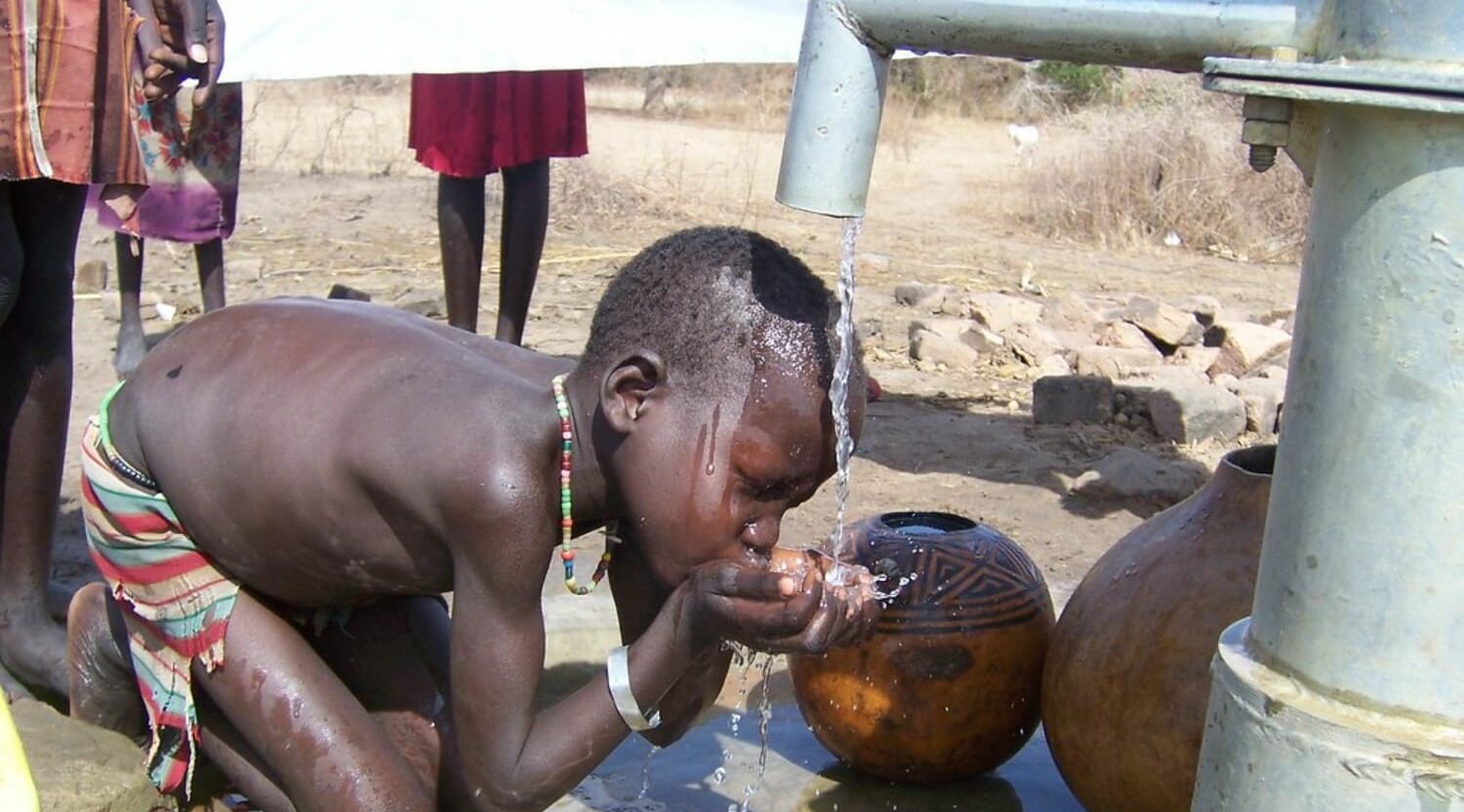
Due to lack of access to clean water, millions of people in sub-Saharan Africa spend up to six hours hours every single day collecting unsafe water from lakes, rivers, and ponds. This causes them to become infected with waterborne illnesses—such as cholera and typhoid fever—that can either result in death or make them too sick to work or pursue an education. Even just spending all that time obtaining water exposes them to highly dangerous weather conditions and steals valuable time they could be using to work or pursue an education. This in turn perpetuates extreme poverty in Africa.
This practice of collecting unsafe water affects children, too, as they also consume this water. In fact, every two minutes a child dies from a water-borne disease, diarrhea being one of the top three leading causes and is due to consuming unsanitary water.
A lack of access to safe water and sanitation significantly affects the health of women as well, as women and girls are often the ones delegated to spending the time every day carrying heavy water vessels for long distances. This in and of itself causes great physical strain that impacts their health and even their unborn child’s if they happen to be pregnant. Plus, it also steals time they could be using to work or pursue an education, further contributing to both extreme poverty and gender inequality in the region.
Lack of access to clean water also creates conflicts—sometimes even violent ones—between countries in Africa and within countries, as they fight over the fresh reserves. In addition, it creates social disparities within communities, such as social classes, gender, etc.
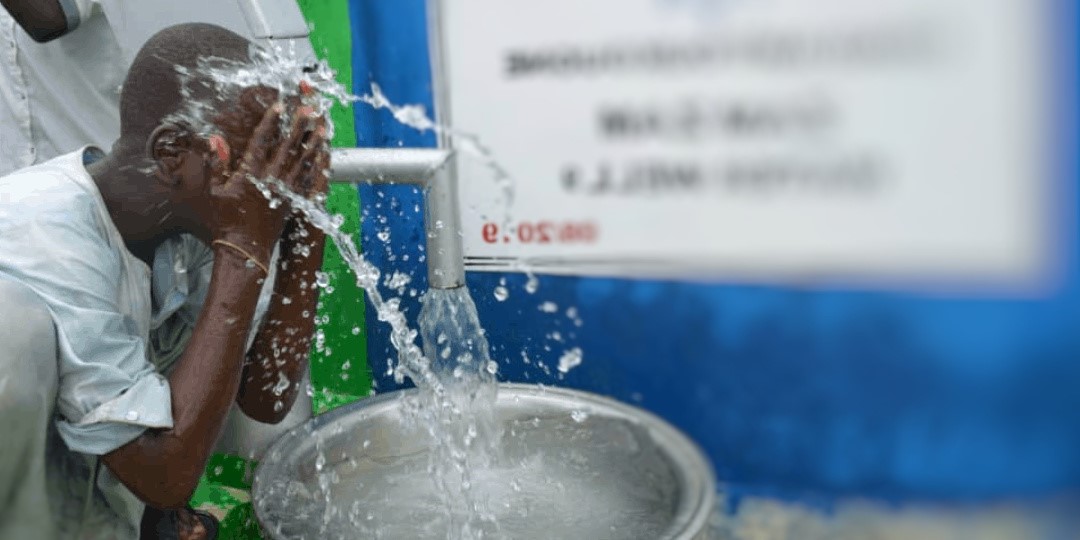
Access to clean water allows people to wash their hands with both water and soap, further combating waterborne diseases and all kinds of illnesses.
With clean water, agriculture can blossom, as people can water crops and livestock. This allows them to diversify their incomes, too.
How Embrace Relief Combats Water Pollution in Africa
Fortunately, Africa houses a substantial amount of clean water underground, possibly 20 times more than the 8,000 miles of visible water in its lakes and ponds. Therefore, Embrace Relief has decided to both build and reconstruct currently non-operational water wells.
What We Have Accomplished
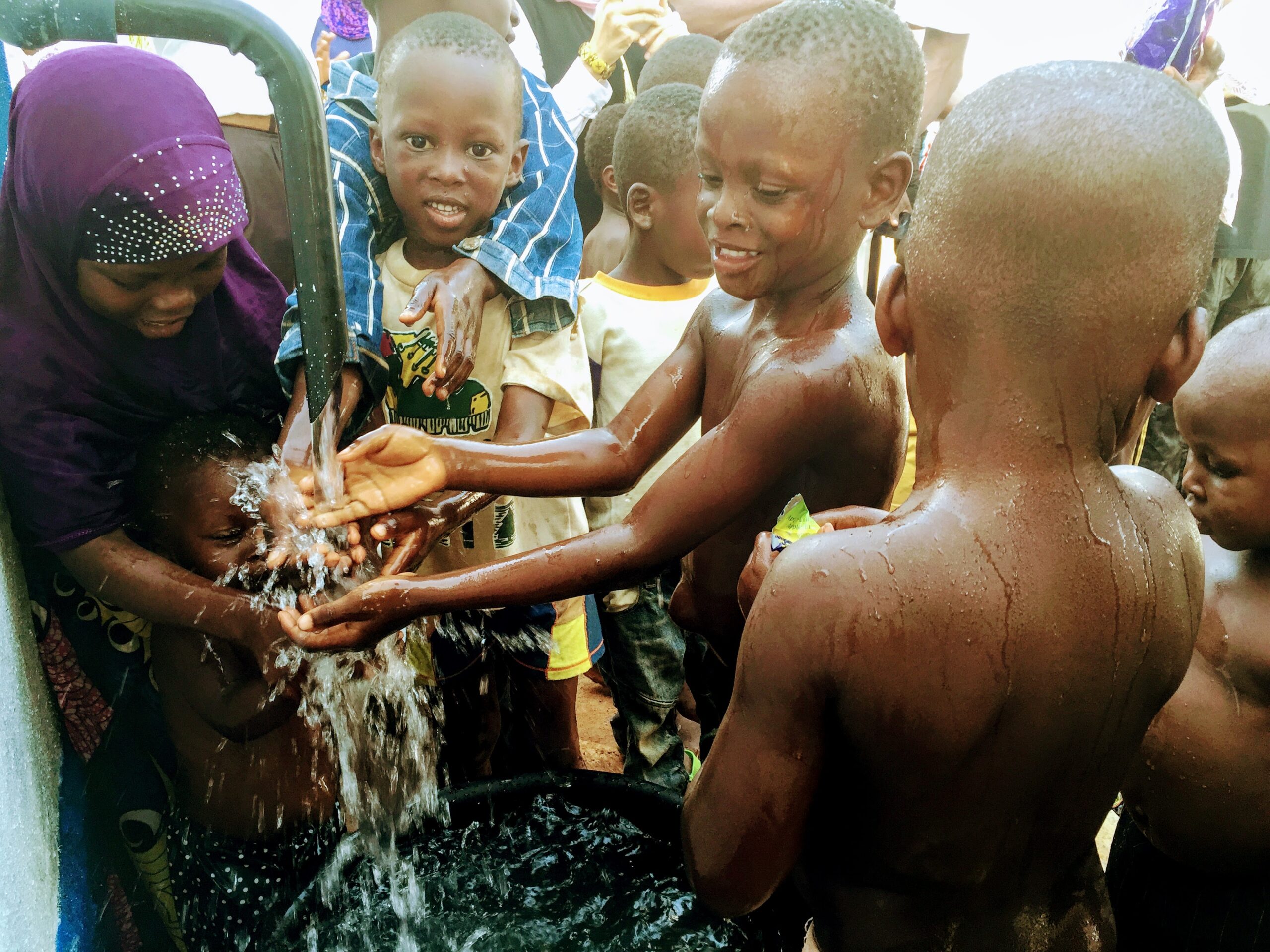
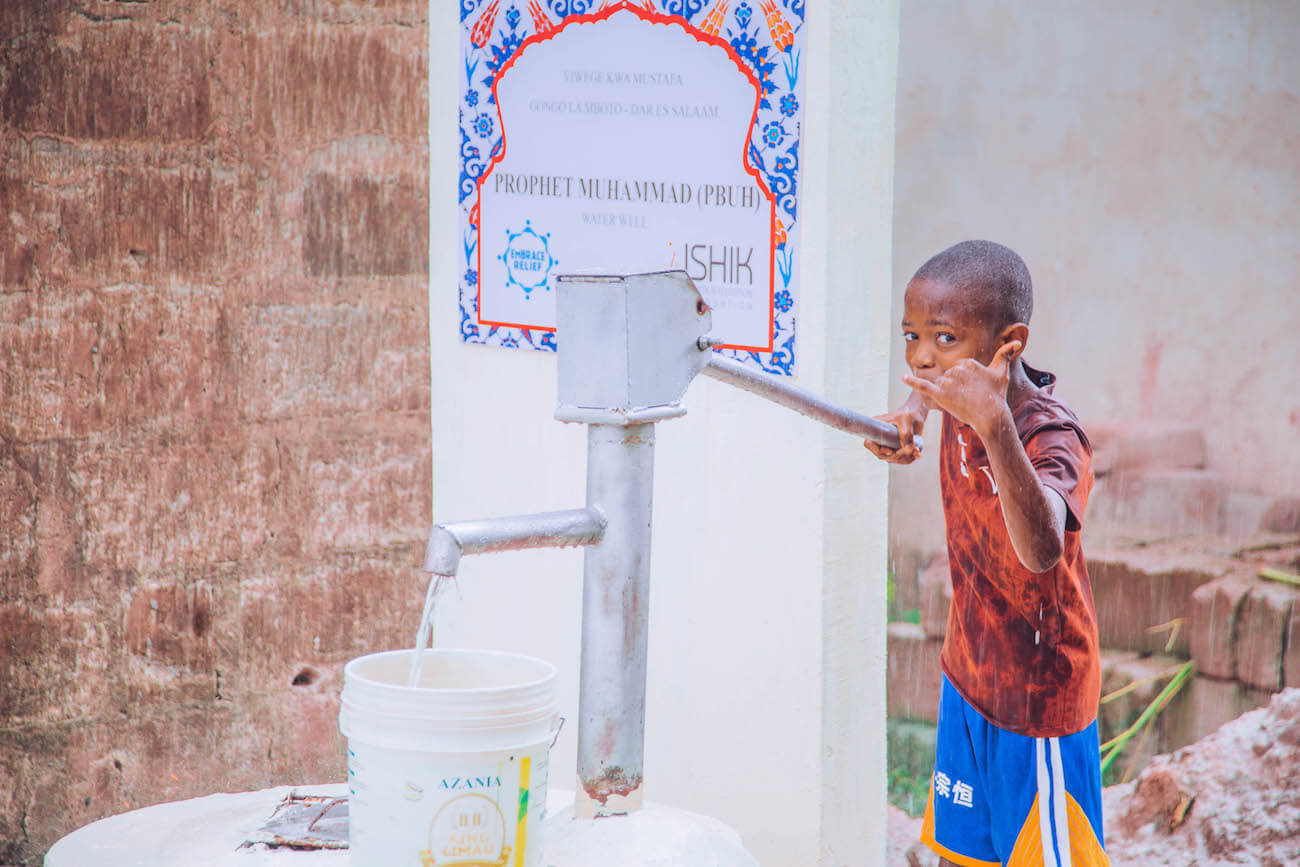
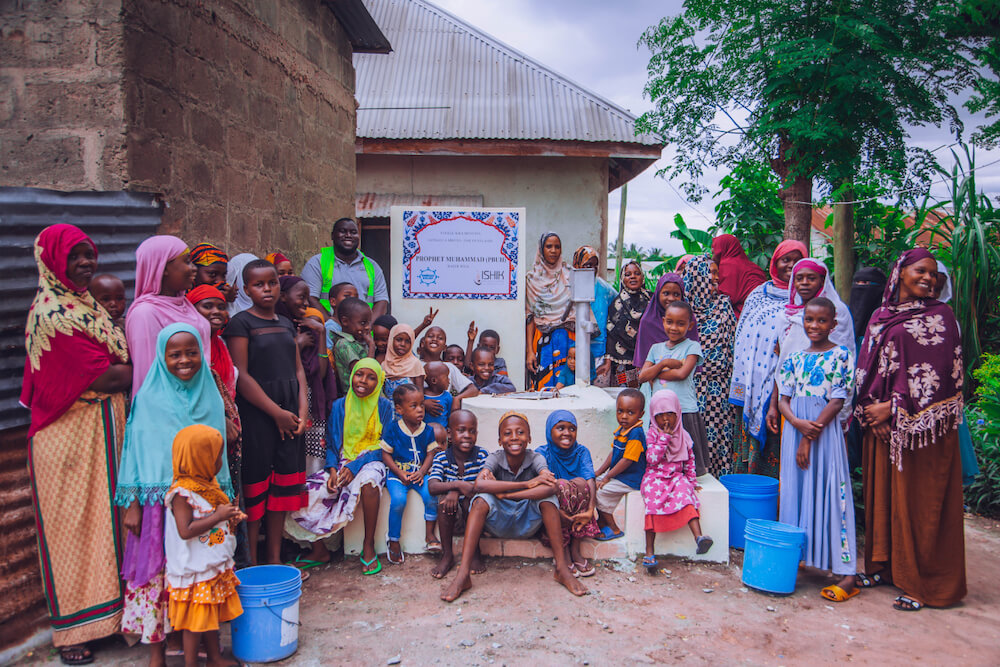
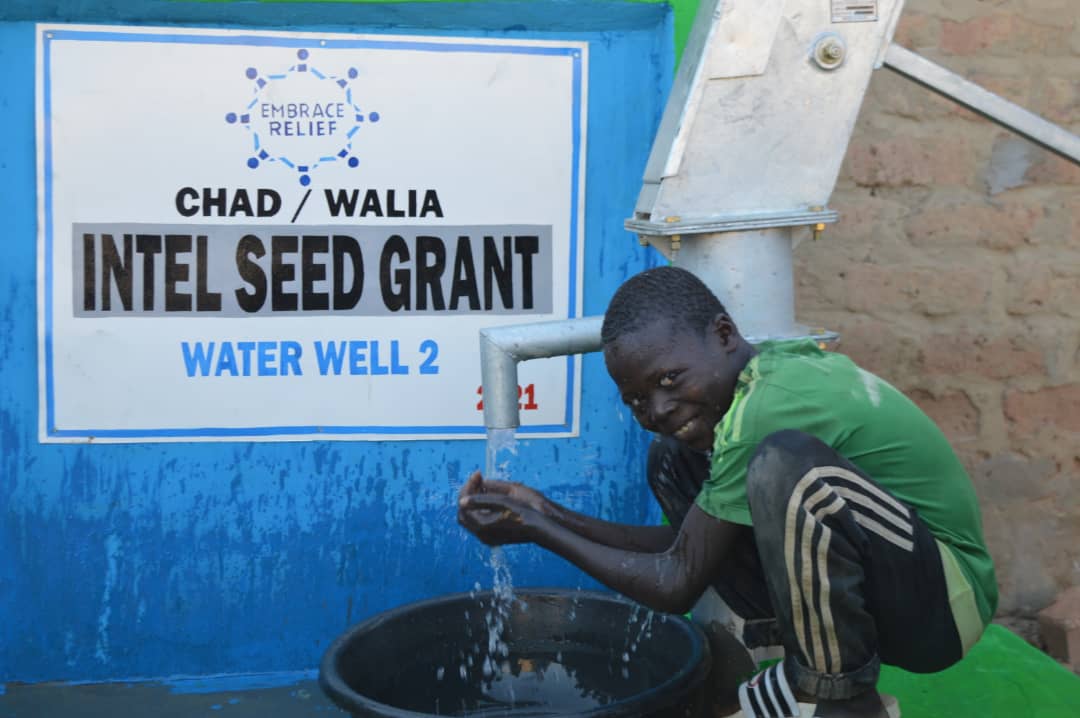
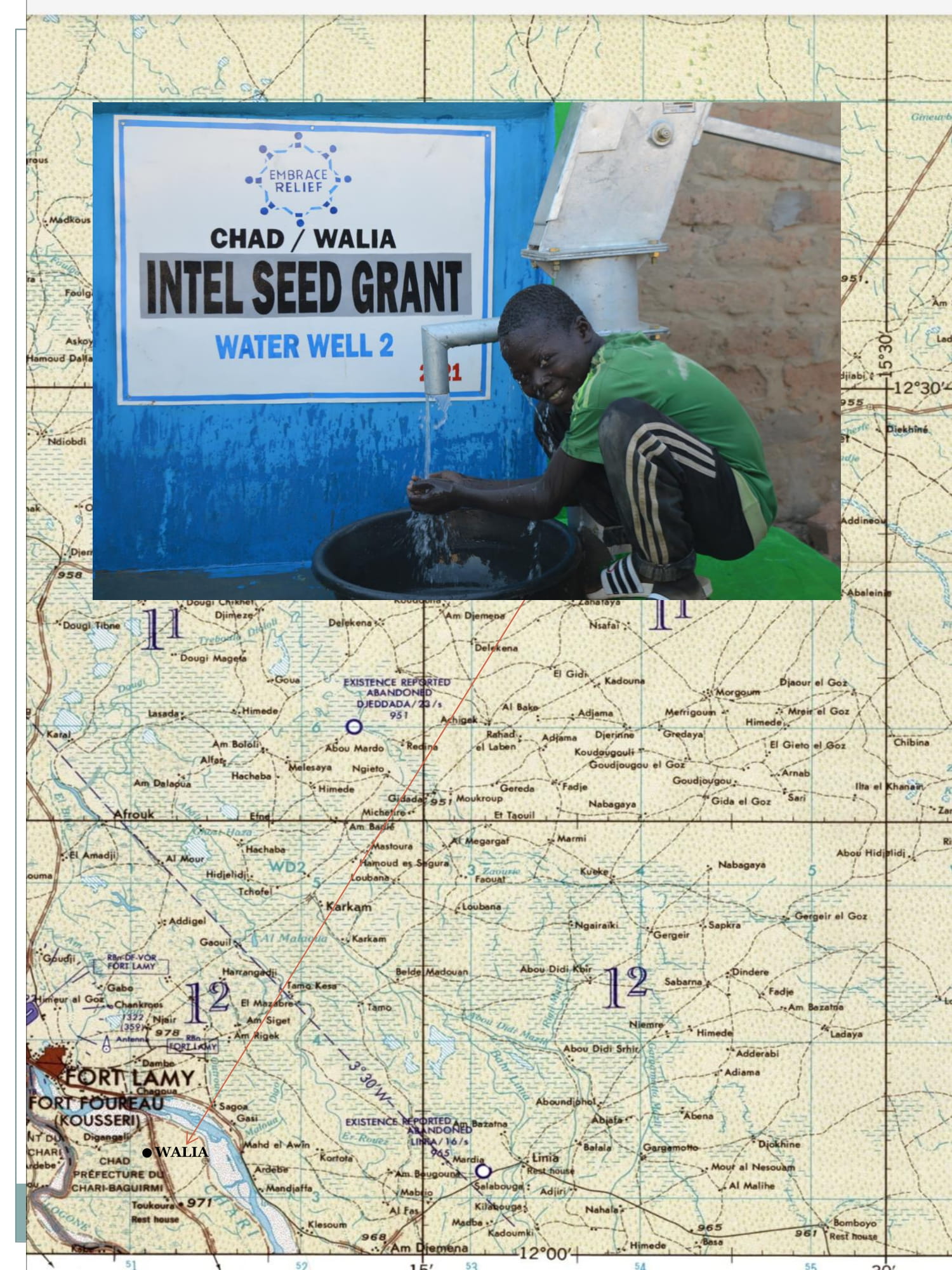
Since 2013, Embrace Relief has built 409 Africa water wells throughout sub-Saharan Africa, supplying clean water to 400,000 people on a daily basis. Our top three Clean Water Project locations so far are:
Chad Clean Water
Nigeria Clean Water
Cameroon Clean Water
We plan on building and refurbishing hundreds more wells throughout the region, too. So, please consider donating today (or starting your own Water Well for Africa project) so thousands of vulnerable people in Africa not only survive, but thrive and lift their communities out of poverty. Together, we can drastically reduce water scarcity in Africa!
Clean water is the basic necessity for human and everyone on the surface of the Earth should have it. We are glad that we started this project and hope to complete.
Investing in clean water solutions is critically important for global health, with nearly 800 million people worldwide unable to access this vital resource.
Read on to learn about some of the different ways governments and NGOs are working to expand the availability of clean water everywhere.
Then, find out how you can support Embrace Relief’s Clean Water Initiative, which is providing clean water to nearly one million people in Africa right now.
Sterilizing water is becoming more and more important throughout the world due to lack of access to clean water in certain regions, which has led to many Water Sanitize Tactics. Globally more than 785 million people do not have access to basic water services, and more than 884 million do not have safe water to drink.
Many reasons abound for this — such as extreme poverty, natural disasters contaminating water, lack of physical clean water reserves, etc.— but one thing is certain: It’s important for these areas to invest in clean water and sanitation solutions as soon as possible. By obtaining water from clean water resources and sanitizing water, we can both save and improve the quality of millions of people’s lives. There’s no single, best way to purify water, but below are a number of potential ones.
Water Sanitize Tactics
Protect Natural Springs — Natural springs can be easily contaminated so fashioning a spring box or house around them to keep out animals, leaves, and debris drastically reduces the likelihood of contamination. Spring water can then be piped to a holding tank. However, springs are open to groundwater runoff, which makes them easily contaminated, and they must be monitored and protected on a regular basis. Therefore, they aren’t among the most effective clean water and sanitation solutions.
Self-Sustaining Sterilizing Water Technology — A European-African alliance recently developed a water cleaning system for rural Africa that removes pathogens from the water; thereby, purifying chemical contaminants and acting as a water disinfectant. The technology is self-sufficient and easy to use, but is still fairly new, as only two units are currently in use: one in Mozambique and one in South Africa.
Rehabilitate Old Wells — Wells, well, sanitize well (no pun intended). However, there are many—particularly in Africa—that used to be effective, but are no longer operational due to aging and use. Therefore, rehabilitating them so they’re functional again is a viable Water Sanitize Tactic. Ways to rebuild wells include building a wall around the top with a reinforced concrete drainage apron that prevents surface water from running to the well. However, unfortunately, well water cleaning and constant maintenance is required to ensure they remain effective.
Build New Wells — Rather than rehabilitating old wells, building brand-new ones is also a viable Water Sanitize Tactic. Each well costs about $8,000 USD and can serve about 2,000 people. However, like reconstructing old wells, new ones need to be constantly maintained, as to disinfect well water and ensure it doesn’t become contaminated.
How Embrace Relief Promotes Sanitizing Water in Africa
Because building and rehabilitating water wells is a highly effective water cleaning system and Africa is one of the regions suffering from extreme water scarcity, we’ve been focusing on those two endeavors in that location. Since 2013, we’ve built 409 wells throughout sub-Saharan Africa, supplying clean water to 400,000 people on a daily basis. Plus, we monitor each well up to five years after construction to ensure they’re operating effectively. Our top three Clean Water Project locations so far are:
Chad Clean Water
Nigeria Clean Water
Cameroon Clean Water
We plan on building and refurbishing hundreds more wells throughout the region, too. So, please consider donating today (or starting your own Africa Water Well project) so thousands of vulnerable people in Africa not only survive, but thrive and lift their communities out of poverty. Together, we can drastically reduce water scarcity in Africa!
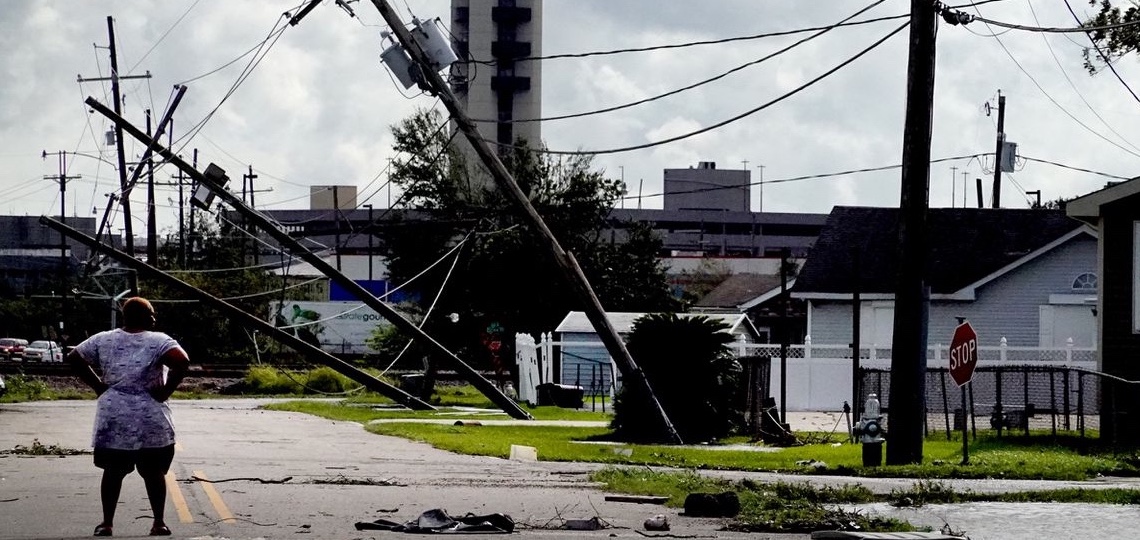
Hurricane Ida is plowing through and wreaking havoc on Louisiana after making landfall on August 29. Ida leaves nothing but a trail of destruction and devastation as the strongest recorded Category 4 hurricane to hit Louisiana.Hurricane Ida has morphed into a tropical storm, but her wrath is still strong. For scale, Hurricane Katrina was a Category 3 hurricane and hit Louisiana 16-years ago and claimed the lives of more than 1,800 people and left $100+ billion in damages.Here’s the latest updates:
Power outages throughout New Orleans
Flash flood warnings west of New Orleans. The locations affected by the flood emergency included Hammond, Ponchatoula and Livingston, as well as Interstate 55 between mile markers 23 and 38 and Interstate 12 between mile markers 20 and 52
Presidential major disaster declaration by President Biden
Millions of dollars of damage in infrastructure
A rapidly rising death toll
They urgently need your help. From the perpetual threat of COVID-19 for the past 2 years and ever-rising variant mutations, millions of people losing their jobs, being hospitalized for months, and losing friends and family, to experience a devastating natural disaster amidst this chaos is traumatizing. They are currently heartbroken and at a loss of what they are going through.This campaign is in partnership with Atlas Foundation. Donate now and extend your helping hand to the people affected by this disaster! Any amount will make a difference.
Digital illiteracy in Africa, particularly among children, is an issue that greatly negatively impacts the region, which is why Embrace Relief created the program ACT-US. ACT-US stands for Accessible Computer Technology for Underserved Students, and it’s of utmost importance because in today’s rapidly changing world, technology is becoming increasingly ubiquitous in all facets of our daily lives. However, many continue to lack access to important resources like a stable internet connection, particularly in sub-Saharan Africa. Below are some facts concerning the educational and technological difficulties sub-Saharan Africa is currently experiencing.
Sub-Saharan Digital Illiteracy Difficulties
In 2018, the secondary school enrollment rate across the globe was about 66 percent. However, in sub-Saharan Africa it was 36 percent (World Bank Data, 2018). These statistics point to a significant underinvestment in education in sub-Saharan Africa.
According to a UNESCO Global Education Monitoring Report, the cost of failing to provide basic education to 250 million children is equivalent to a loss of 129 billion USD (UNESCO GEM, 2014). This is because the more children are educated, the more job opportunities become available to them, allowing them to create better lives and improve their countries’ economies.
If this lack of investment in education continues, the economic loss will become greater as the population of school-aged children continues to rise in sub-Saharan Africa.
Only 40% of students in Uganda are literate after primary school, and less than 24% of adolescents are enrolled in secondary school.
Embrace Relief’s ACT-US Program
To combat digital illiteracy and, subsequently, lift areas of sub-Saharan Africa out of extreme poverty, Embrace Relief has partnered with the Nile Humanitarian Development Agency to create and implement the ACT-US Program. The program provides computers that allow students in Ugandan K-12 schools to learn general education subjects such as science, math, and reading, as well as life skills such as health, farming, and sanitation, among others. The computers’ operating systems are also equipped with ICT (Information and Computer Technology) skills training such as typing and coding. Plus, because the computers are equipped with Endless OS system technology, students can learn these skills without needing access to the internet.
Assessing ACT-US’s Effectiveness
To assess the impact of the ACT-US program, the Nile Humanitarian Development Agency has conducted a survey in nine of the 15 selected schools, arriving at the following results:
100% of the interviewed teachers believe the computers benefited students and improved their learning outcomes.
Specifically, computer skills, English, and finance were among the subjects where great improvement had been demonstrated by the students.
75% of the interviewed teachers felt they received adequate training for the technology and were able to effectively direct the learners during instruction.
Students expected the computers to help them with research and communication skills, and the computers were mostly used for research purposes by both students and teachers.
Throughout the administration of the computers in the Ugandan schools, over 98% of the computers remained properly functioning.
The number of students accessing the computers was almost the same in all the schools varying between 16% to 4%. Also, students in each school spent a maximum of 60 to 120 minutes per lesson. This time is averagely above the standard minutes per lesson in Uganda, therefore giving the learners more time to interact with the computers and improve their learning.
The schools believe that if administrators are committed and continue to monitor the program, ACT-US will yield a strong and lasting impact on their schools in the same way it has started to positively transform the individual learners.
Clearly, the survey proves ACT-US is a highly successful program that is greatly benefiting Ugandan schools, despite the negative impact of COVID-19 resulting in school shutdowns, among other problems. As a result, Embrace Relief intends to continue to grow and implement the program, including making improvements such as allocating more computers to schools with a higher number of students and increasing the internal capacity of the computers so more information can be stored, among other improvements.
How YOU Can Help
ACT-US is an incredibly important program because without programs like it, an estimated nine out of ten children in sub-Saharan Africa will grow to live in extreme poverty (UNICEF, 2016). Not only that, extreme poverty breeds more extreme poverty, leading into future generations, a problem only exacerbated by the fact that the population of sub-Saharan Africa is rapidly increasing. Therefore, more and more people will live drastically below the poverty line. To date Embrace Relief has delivered 324 ICT Computers serving over 7,000 underserved students in Uganda and Tanzania. However, thousands more are in need of aid. Please consider donating today to help them receive the education and digital literacy they need to create prosperous futures for themselves, their families, and their communities.
Sign up for Embrace Relief’s free email newsletter to receive updates on our programs, see our impact, and learn about upcoming events.
Like most websites Embrace Relief use cookies, and in order to continually improve our website, we collect non-personal data through cookies. By continuing to use the website you are accepting the use of these cookies. To find out more read our Cookie Policy.
 Financial
 Emotional
 Physical