


Recent

International Hunger Relief: Feed the Hungry

Unfortunately, a staggering 815 million people worldwide are currently hungry due to reasons beyond their control, prompting Embrace Relief to create its International Hunger Relief campaign. Indeed, global famine and food insecurity have plagued humans ever since their existence, causing death and varying levels of malnutrition. For example, some famous famines throughout history include the Ukraine Famine, Yemen Famine, North Korean Famine, Irish Potato Famine, among many others, leading to the creation of other world hunger relief organizations, too. So, what is food insecurity?

Food insecurity definition: The state of not having reliable access to enough affordable, nutritious food.

Famine definition: an extreme scarcity of food.

How Embrace Relief Combats World Hunger

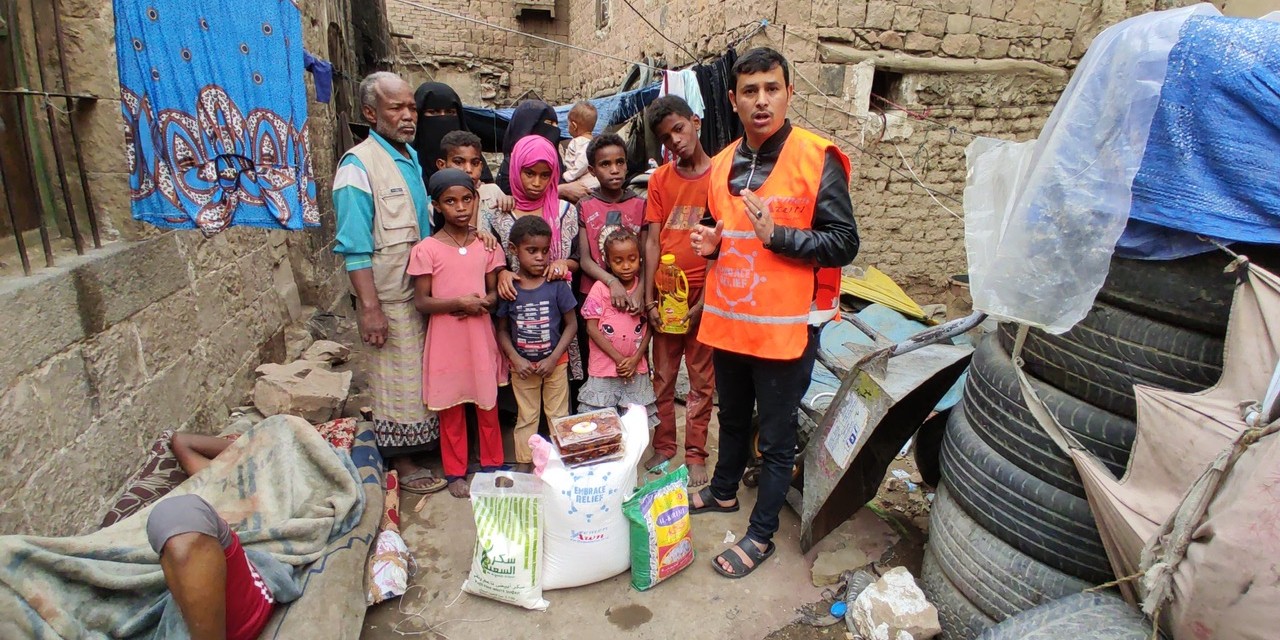
To combat this tragic issue, Embrace Relief has sent over 1.7 million lbs. of food to a total of over 1,115,000 people throughout 40 countries since 2013. In 2020 alone, we sent the following number of food packages to families in the following countries:

  • Greece food donation: 350
  • Yemen food donation: 700
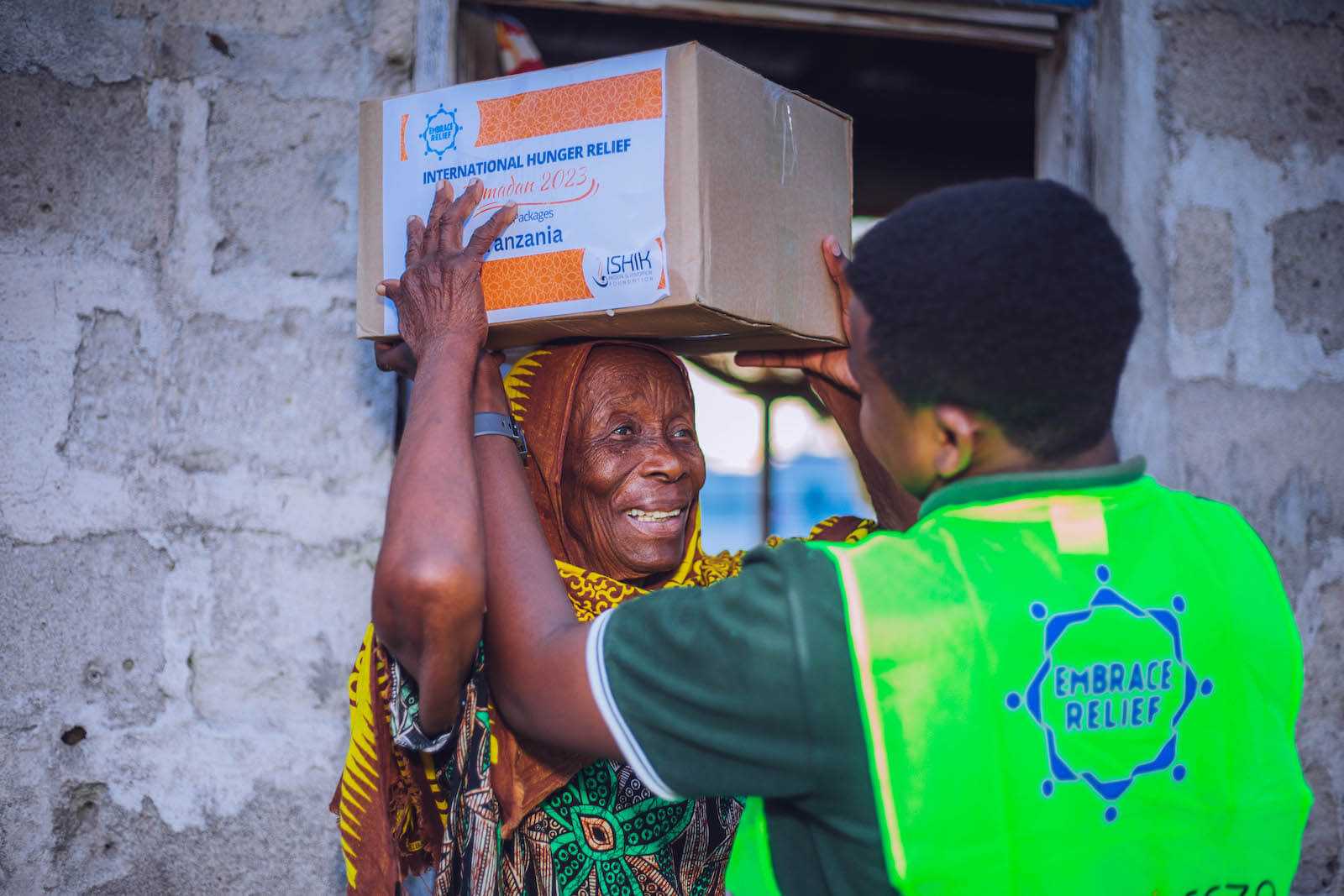
  • Tanzania food donation: 100


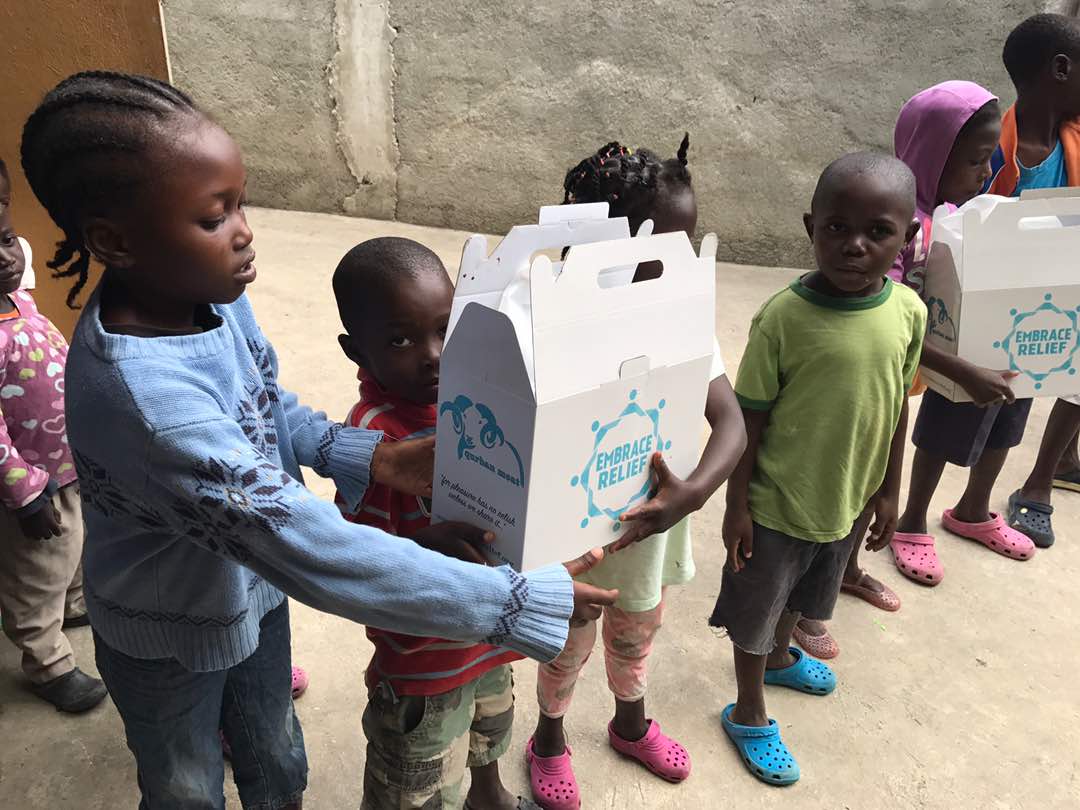
We also sent out Qurbani packages, which are food packages containing meat (sheep, cattle, or goat), both locally and internationally. They’re perfect for fighting malnutrition—especially in growing children—due to being high in protein, vitamins, and minerals. In 2020, we distributed the following number of Qurbani packages to families in the following countries:

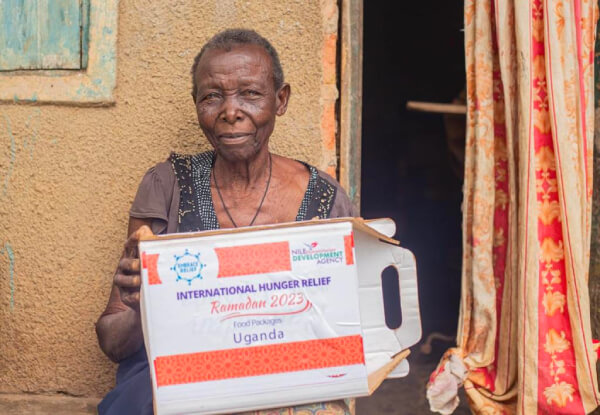
  • Uganda food donation: 4,320
  • US food donation: 3,773
  • Tanzania food donation: 2,200
  • Greece food donation: 1,300
  • Kenya food donation: 1,200
  • Nigeria food donation: 1,200
  • Mali food donation: 1,200
  • Yemen food donation: 907
  • Burkina Faso food donation: 800
  • Philippines food donation: 600

That’s a total of 17,500 families reached worldwide with our Qurbani packages alone. And we’ve steadfastly continued our successful international hunger relief campaign in 2021 by reaching a total of 30,000 malnourished people with food packages. These included people in Greece, the United States, Yemen, and sub-Saharan Africa.

Other Ways We’ve Helped Stave Off Starvation

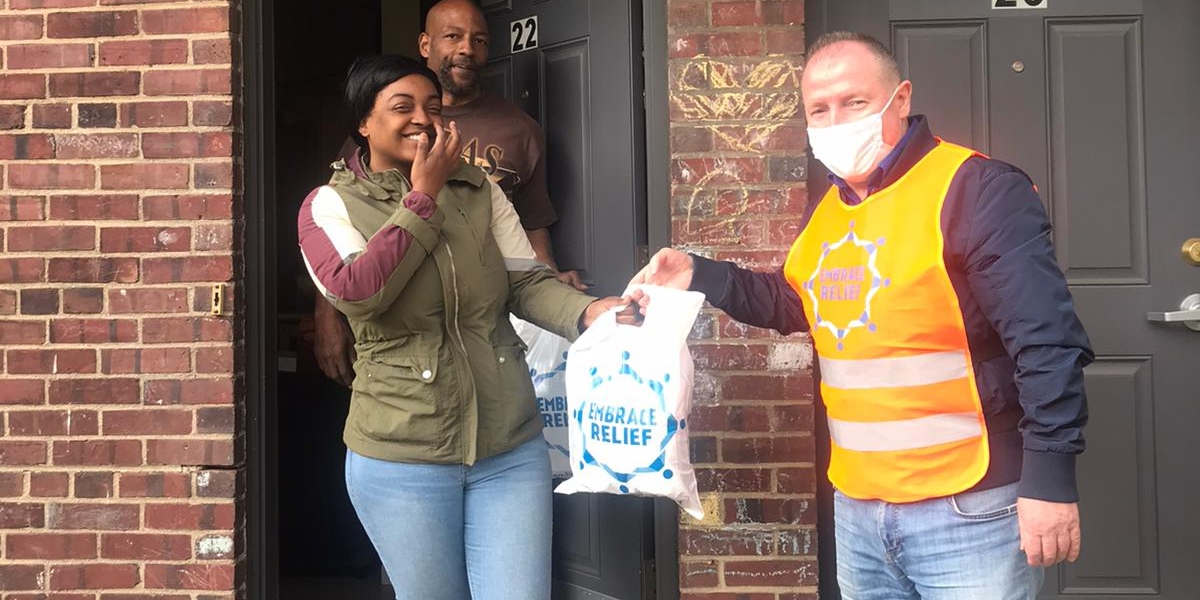
In 2021 we also held our second Harvest Trolley Mobile Market in Montclair, New Jersey. During this event families in need of food swung by a truck and snagged pasta, beans, juices, among other things for free. We were able to reach 60 hungry families (240 people) during the event. And last, but certainly not least, we were able to reach 660 people, including orphans, with food packages in Tanzania, Yemen, India, and Congo as well.

How You Can Help

We here at Embrace Relief plan on continuing to help those struggling to find their next meal for as much and as long as possible, as there are still so many more people worldwide in desperate need of hunger relief. However, we could certainly use your help! Please consider donating today to help us fight global hunger and not only provide hungry people with nourishment, but hope for a healthier, brighter future. And what’s more—there’s no need to Google “Find a Food Donation Near Me.” Simply click on our World Hunger Relief donation page and make your donation today. You and thousands of vulnerable people suffering from starvation will be forever grateful for your generosity and selflessness.

World Hunger Facts: World Food Shortage 2023

Summary

  • Many people are unaware that there’s a hunger crisis affecting nearly one-tenth of the world’s population.
  • Read on to learn some of the startling facts about global hunger, including its effects on millions of children each year.
  • Then, find out how you can support Embrace Relief’s efforts to feed as many people in need as possible through our International Hunger Relief campaigns.

Looking at today’s world hunger facts makes it clear how much of a major issue global food insecurity really is. There are many causes of world hunger, including a lack of resources, extreme inequality of income distribution in the world, and conflict within and between countries. Below are just a few of the incredibly disconcerting facts regarding food insecurity in the world today.

Worldwide Food Shortage Facts

The world produces enough food to feed everyone on the planet, yet nearly 10% of the world’s population is undernourished in 2023, according to the World Bank.

Undernourishment is defined as a state of inability to acquire enough food for at least one year. Enough food is defined as a level of food intake insufficient to meet dietary energy requirements. On average, 2,100 is a healthy amount of calories to consume per day. However, most people who are chronically hungry eat even less than 1,800. And, unfortunately, the UN World Food Programme’s live Hunger Map aggregates 700 million people worldwide who do not have enough to eat on a regular basis. Hunger can be found in every country on the planet, but developing countries and countries with high levels of poverty are most at risk.

  • 700 million+ people are living in extreme poverty. Out of the eight billion people on the planet, nearly one in 10 live in extreme poverty, defined as living on $2.15 per person per day. Extreme poverty does more than deprive people of necessary food—it also robs them of safe drinking water, sanitation, education, shelter, and other basics of life. And while the number of people living in extreme poverty is declining each year, there are still many more vulnerable people – nearly half the world’s population (47 percent) lives on $6.85 per person or less per day.
  • Small farmers, herders, and fishermen produce about 70 percent of the global food supply, yet they are especially vulnerable to food insecurity. Poverty and hunger are most acute among rural populations.
  • Conflict is a cause and consequence of hunger. Conflict is responsible for eight of the 10 world’s worst food crises, and nearly 60 percent of the world’s hungriest people live in conflict zones.
  • Undernourishment causes 45% of all children’s deaths. Each year, 3.1 million children die from hunger-related causes, which include diarrhea and malnutrition. Every 10 seconds a child dies from hunger. More than 99 million children under age 5 are undernourished and underweight. As a result of hunger, children experience poor health, low energy levels, and reductions in mental functioning due to hunger.
  • Rising global food prices will cause 1.27 million more children to be undernourished in the near future, making them one of the chief factors contributing to the rise in world hunger. These rising prices are a result of the increase in demand for food by the continually growing population and underinvestment of agriculture. Unfortunately, this demand takes away the only food source for those in need, contributing to food shortages around the world and, therefore, rampant famine in the world.
  • One-tenth (1/10) of the population of Asia is undernourished, accounting for roughly half of the world’s population of hungry people. Much of this hunger if centered in India, where approximately one in six people (1/6) live with hunger.

The Solution to World Hunger and the Cost to Solve World Hunger

All of these facts beg a series of highly important questions:

  • How do we end world hunger?
  • What is the cost to end world hunger?
  • What are some solutions to world hunger?

Unfortunately, however, the problem is far too complex — and stems from far too many factors — to offer a simple, all-encompassing answer. While the international community continues to work on solutions to this pressing issue, we can work together to alleviate suffering from the effects of world hunger in the short term. This is a role that Embrace Relief has played since 2013.

How We Limit Global Starvation: Our World Hunger Solutions and Facts

Mankind may never be able to fully solve world hunger, but since 2013 Embrace Relief has done its part to limit food shortages in the world. Our annual International Hunger Relief campaigns have reached hundreds of thousands of people, and many more have received food packages, hot meals, and meat packages at food distribution events. More than 5.5 million people in over 40 countries have benefitted from Embrace Relief’s Hunger Relief campaigns.

But we can’t do any of this without the help of generous people like you. Please consider donating to Embrace Relief today, via the donation box below, to contribute to our global efforts to end world hunger and help vulnerable people who are constantly struggling to find their next meal. Not only are you providing them the gift of nutrition, you’re giving them hope for a healthier, happier future as well. Together, let’s do everything we possibly can to stop world hunger!

Donate For Hunger Relief

$
Donate Now

Promoting World Hunger Relief: How Many Days Can You Go Without Food?

815 million people worldwide currently go to bed hungry every single night through no fault of their own and are therefore in desperate need of hunger relief. This is why we here at Embrace Relief created our world hunger relief campaign, and why many world hunger relief organizations, such as Hunger Relief International, have sprouted up in recent years. We’re all trying to fight global famine, food insecurity, and the countless needless deaths and varying stages of malnutrition caused. In fact, famine and food insecurity have scarcely been strangers to our planet, as there have been many instances of them throughout history. For example, the Ukraine Famine, Yemen Famine, North Korean Famine, Irish Potato Famine, among many others. So…

What Do Famine and Food Insecurity Mean, Exactly?

Famine definition: an extreme scarcity of food. 

Food insecurity definition: The state of not having reliable access to enough affordable, nutritious food. 

Both definitions pose the question: 

How many days can someone actually go without food, anyway? 

Well, the amount of time varies, though below are a few facts about food (and water) consumption everybody should know about. It’s important to note that not a lot of studies have been done on this topic, though, since it’s been deemed unethical in recent years.

  • According to an article in Archiv Fur Kriminologie, the body can survive for 8 to 21 days without food and water and up to two months with adequate water consumption. Water plays such a big role because the body has more reserves to replace food than fluid.
  • People who have voluntarily stopped eating to participate in hunger strikes have died after 45–61 days, suggesting a person would be unlikely to survive for three months or more.
  • There also appears to be a minimum number on the body mass index (BMI) scale necessary for survival. According to the journal Nutrition, men require a BMI of at least 13, whereas women require at least 11.
  • Obesity plays a role as well. According to an article in the British Medical Journal, when abstaining from eating during the first three days, people of normal weight will lose a higher percentage of body weight and muscle tissue faster than those who are obese.
  • According to the journal Nutrition, women’s body composition makes them able to withstand starvation longer than men. One of the reasons for this is because women have a higher percentage of body fat than men. Once the body breaks down other parts of itself to create energy in the absence of food (such as converting glycogen from liver and muscles), it will start converting amino acids out of fat stores.

Needless to say, abstaining from food is never a healthy thing, as the body will begin to break down tissue from parts of itself to create the energy it usually gleans from food. This gradually depletes the body until it eventually perishes, likely within two months max, according to experts. And even if the body is receiving food but not enough, it will experience detrimental malnutrition symptoms such as: faintness, dizziness, hypotension, weakness, nausea, vomiting, abdominal pain, organ failure, heart attack, among many others. Therefore, it’s incredibly important we fight global hunger, no matter how it arises, any way we can.

How Embrace Relief Helps

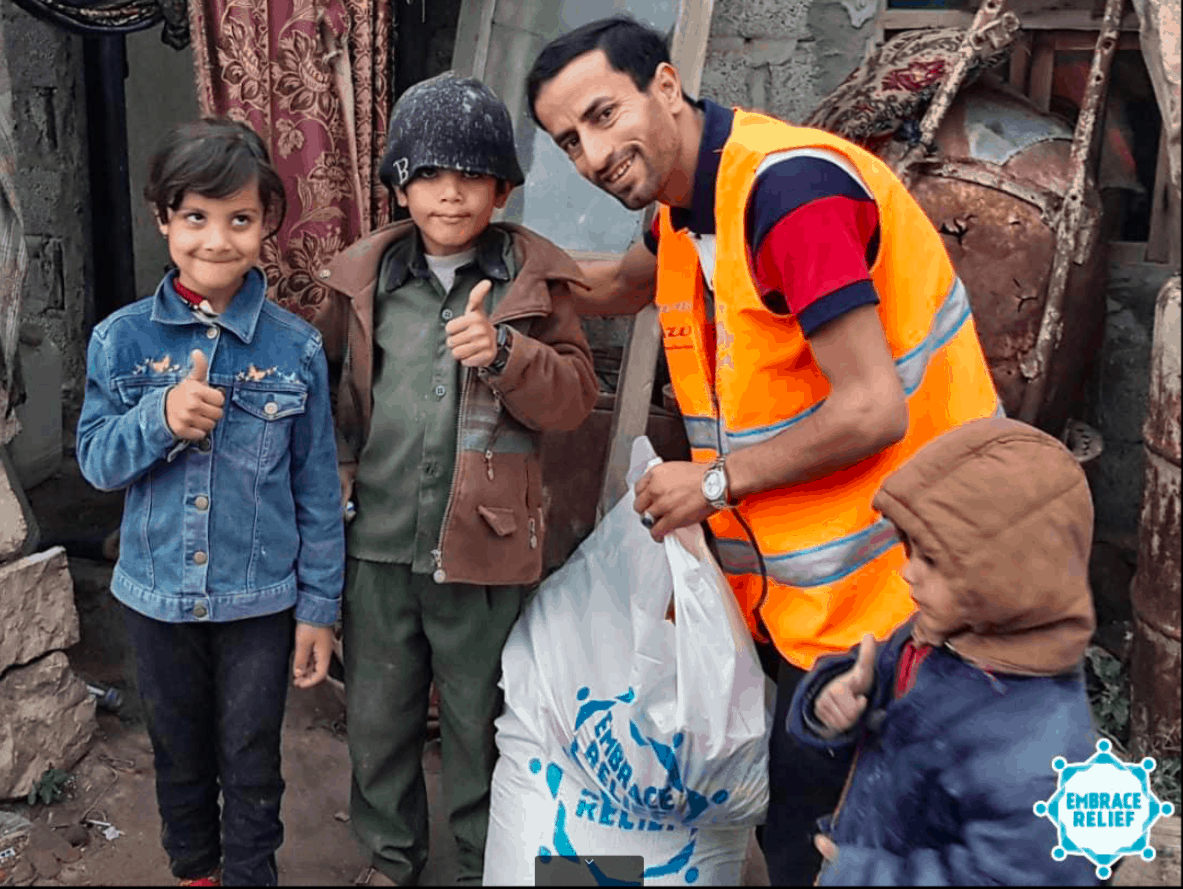
To combat global hunger and feed the hungry, Embrace Relief organizes and facilitates countless food drives and food distribution campaigns. Since 2013, we have distributed over 1.7 million pounds of food both domestically and internationally to those most in need in over 40 countries, reaching over 1,115,000 people.

Please Donate Today

Please consider donating today to help people who are constantly struggling to find their next meal through no fault of their own. And it’s so simple and easy to do so—just click our World Hunger Relief donation page and make your donation. No need to Google “Find a Food Donation Near Me”—your incredibly valuable and selfless gift to those most in need is just a click away. Not only are you providing the malnourished the gift of nutrition, you’re providing them hope for a healthier, happier future as well.

Help Provide Afghan Refugees Relief

So far, over 110,000 people have been airlifted from Afghanistan since the United States made preparations to pull out of the country in July, triggering a siege of desperate evacuations. These evacuees include Americans, people of allied countries, and Afghans who worked for them and the Afghan government, and are fleeing now that the Taliban is reclaiming control of the country. 

They Left Everything Behind and Have Nothing

These incredibly vulnerable people have been forced to leave everything behind in order to avoid persecution, violence, and death by Taliban forces. Afghan refugees have begun arriving in the United States as well as two dozen other countries with nothing but the clothes on their backs and possibly a backpack if they’re lucky.  Some are arriving alone, others with family members. Regardless, they will all certainly face new challenges as they settle in a new country. Those arriving in the United States will be shuttled to one of four military bases in Texas, Wisconsin, Virginia, and New Jersey, among other places, for temporary shelter. After that they will have the opportunity to seek more permanent shelter, but will only be able to with the help of community efforts and charity organizations like Embrace Relief.

The Time to Act is NOW

Today, we ask that you look into your heart and open it to those seeking refuge in the United States. With a donation of $5 or $500, you will make a direct impact on the lives of people in need of help.  Due to the rising threats of the emerging COVID-19 variants, we believe that hygienic supplies can protect their health, slow the spread of illness, and ease their burden of trying to find basic necessities. With your help, we will bring incoming refugees:
  • Disinfecting Wet Wipes
  • Antibacterial Hand Wipes
  • Baby Wipes
  • Travel-sized Hand Sanitizer 
Additionally, our team of volunteers will spend the next several weeks assembling and distributing Personal Care Packages which will include:
  • 50 face masks
  • 10 packs of antibacterial hand wipes
  • 10 travel-size hand sanitizers
  • 2 packs of disinfecting wet wipes
  • 2 toothbrushes
  • 1 tube of toothpaste
  • 1 bottle of mouthwash
  • Toilet paper (12 rolls)
  • Hand soap 
  • Dish soap
  • Deodorant
Items such as these might seem simple or trivial, but they will help incoming Afghan refugees have a sense of normalcy. Therefore alleviating psychological stress so they can focus on beginning to reclaim their lives.  Embrace Relief’s English Language Conversational Partnership Program provides free English courses to adults and children alike. This program is possible by the help of hundreds of English-speaking volunteers worldwide who virtually meet with the refugees to teach them English. Learning English is a difficult but necessary task that each incoming person will have to accomplish.  First Bricks is a free program for refugee school-aged children to get a quality education, improve their social awareness, and hone their academic, social, problem solving, relationship and leadership skills. Our classes include academic, social, and cultural classes which holistically aid in the development of their psychological and social development. There are currently over 400 volunteer teachers and 4,000+ students enrolled in our First Bricks Program. If you are able to volunteer your time to help with services like airport pick-ups, apartment set-ups, or bringing a meal, please sign-up using the volunteer form on the link below. https://www.embracerelief.org/become-a-volunteer/ Their struggles are far from over, the time to act is NOW. Donate today!  

Lack of Access to Clean Water Effects: The Water Crisis in Africa

There is currently a major water crisis in Africa, particularly in the sub-Saharan region where millions of people lack access to clean water. Many reasons abound for this—such as extreme poverty, natural disasters contaminating water, lack of physical clean water reserves, etc.—but the bottom line is the same: Africa is in need of clean water, and this greatly negatively impacts the region. For example…

The Effects of Lack of Access to Clean Water

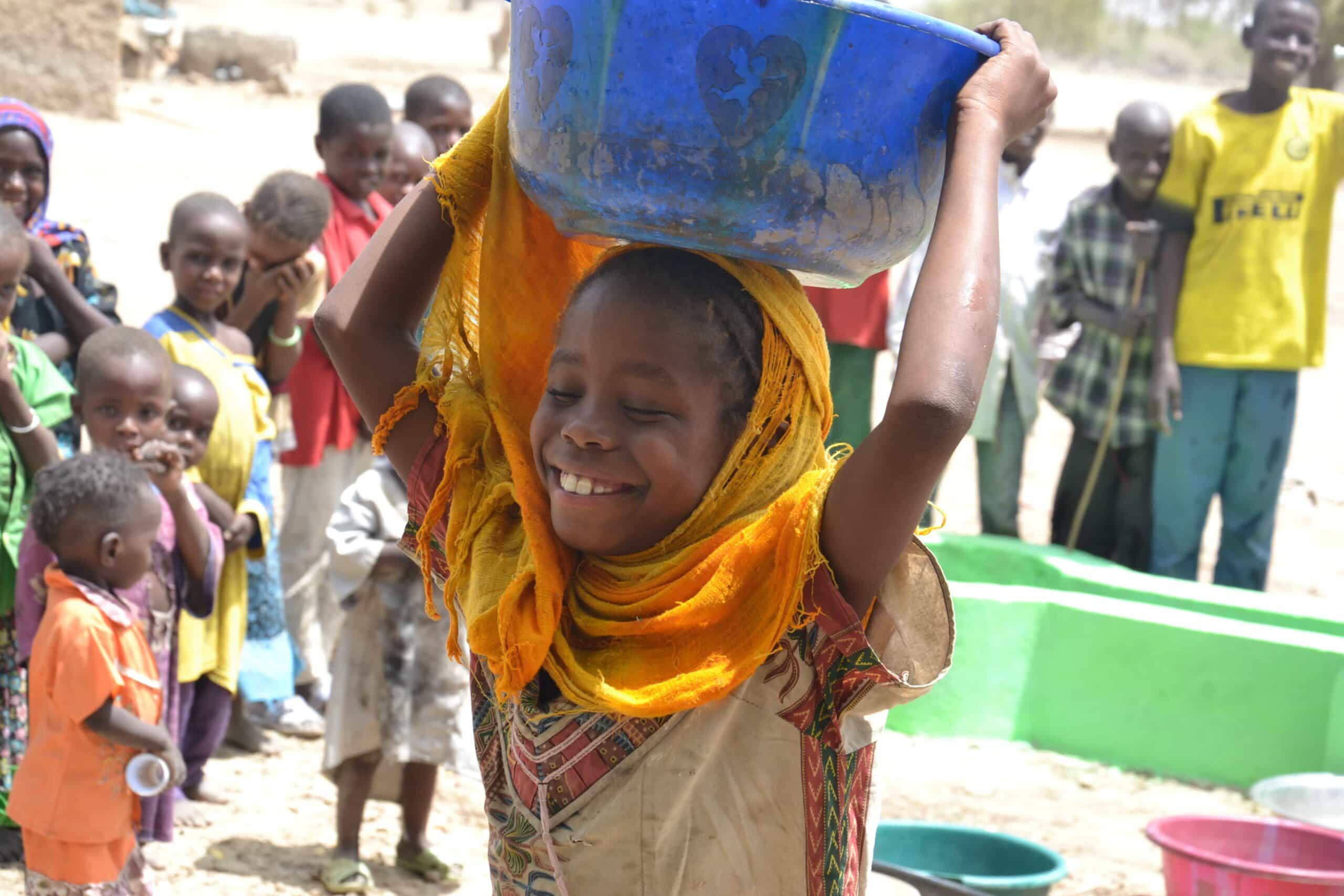
  • Due to lack of access to clean water, millions of people in sub-Saharan Africa spend up to six hours hours every single day collecting unsafe water from lakes, rivers, and ponds. This causes them to become infected with waterborne illnesses—such as cholera and typhoid fever—that can either result in death or make them too sick to work or pursue an education. Even just spending all that time obtaining water exposes them to highly dangerous weather conditions and steals valuable time they could be using to work or pursue an education. This in turn perpetuates extreme poverty in Africa.
  • This practice of collecting unsafe water affects children, too, as they also consume this water. In fact, every two minutes a child dies from a water-borne disease, diarrhea being one of the top three leading causes and is due to consuming unsanitary water.
  • A lack of access to safe water and sanitation significantly affects the health of women as well, as women and girls are often the ones delegated to spending the time every day carrying heavy water vessels for long distances. This in and of itself causes great physical strain that impacts their health and even their unborn child’s if they happen to be pregnant. Plus, it also steals time they could be using to work or pursue an education, further contributing to both extreme poverty and gender inequality in the region.
  • Lack of access to clean water also creates conflicts—sometimes even violent ones—between countries in Africa and within countries, as they fight over the fresh reserves. In addition, it creates social disparities within communities, such as social classes, gender, etc.
  • Access to clean water allows people to wash their hands with both water and soap, further combating waterborne diseases and all kinds of illnesses.
  • With clean water, agriculture can blossom, as people can water crops and livestock. This allows them to diversify their incomes, too.

How Embrace Relief Combats Water Pollution in Africa

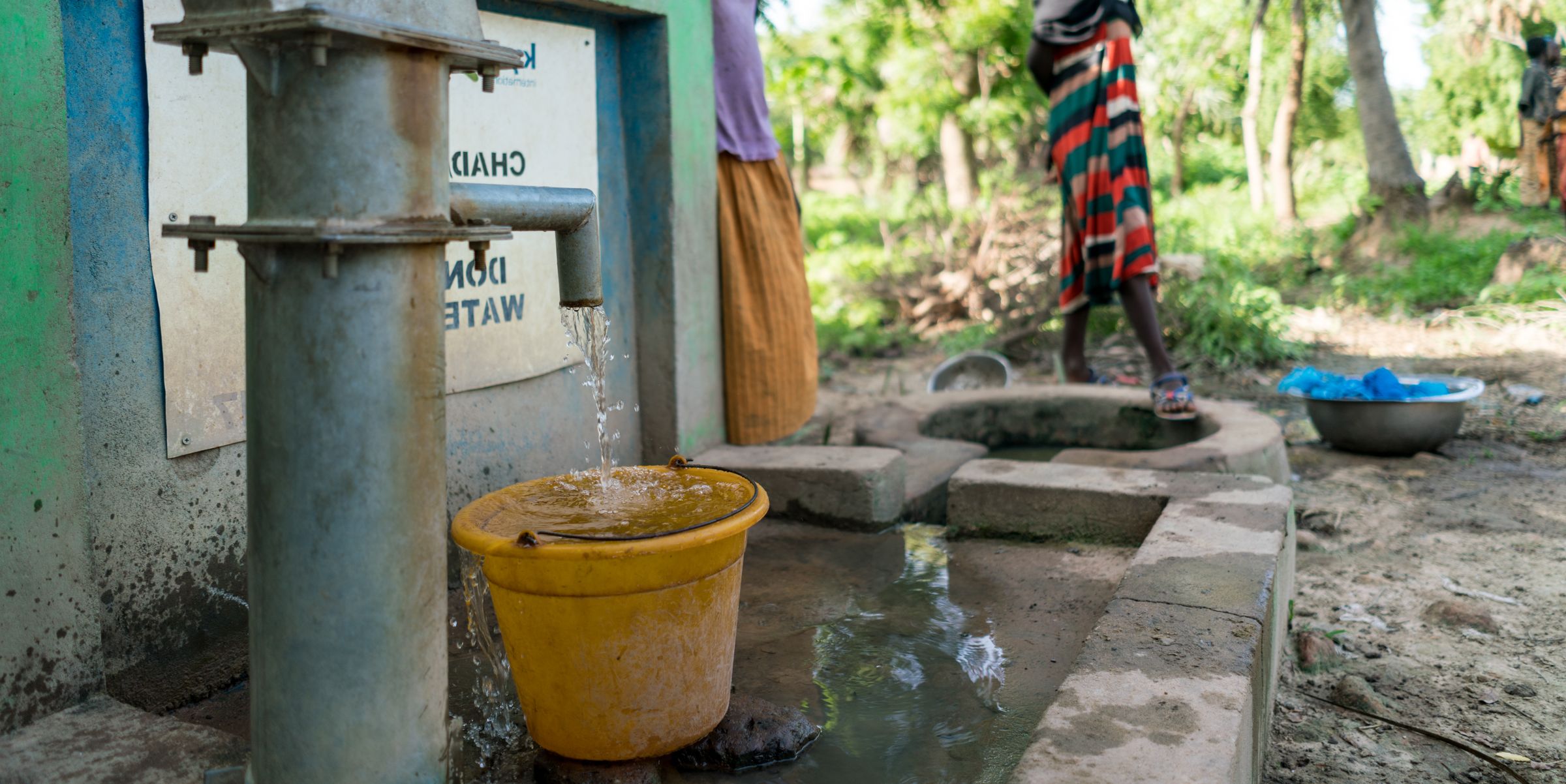
Fortunately, Africa houses a substantial amount of clean water underground, possibly 20 times more than the 8,000 miles of visible water in its lakes and ponds. Therefore, Embrace Relief has decided to both build and reconstruct currently non-operational water wells.

What We Have Accomplished

Since 2013, Embrace Relief has built 409 Africa water wells throughout sub-Saharan Africa, supplying clean water to 400,000 people on a daily basis. Our top three Clean Water Project locations so far are:

  • Chad Clean Water
  • Nigeria Clean Water
  • Cameroon Clean Water

We plan on building and refurbishing hundreds more wells throughout the region, too. So, please consider donating today (or starting your own Water Well for Africa project) so thousands of vulnerable people in Africa not only survive, but thrive and lift their communities out of poverty. Together, we can drastically reduce water scarcity in Africa!