


Recent
Fasting Facts: Benefits of Fasting During Ramadan
Every year, more than one billion Muslims around the world observe the holy month of Ramadan, one of the most important celebrations of the year. (In 2025, Ramadan will begin at sunset on February 28, and will end at sunset on March 29).
The most well-known Ramadan tradition is the daily fast: throughout the 29 or 30 days of the month, Muslims are obliged to refrain from eating or drinking anything between the hours of sunrise and sunset.
For most people, this means an extra early wake-up call each morning. During Ramadan 2025, the sun will rise in the United States between 6:30 and 7:30 AM on most days. A modest morning meal, suhur, is typically eaten prior to this time, and the energy provided from that food and drink must last the entire day. When Ramadan occurs during the spring and summer in the northern hemisphere, that means more than 12 hours without any nourishment. The iftar (“breaking the fast”) occurs after sunset and is typically a larger meal often involving a larger family or community gathering.
The purpose of the Ramadan fast is a spiritual one, designed to promote mindfulness and a devotion to one’s faith. But there are also other positive effects!
Scientists have always taken an interest in the Ramadan fast, because so many people take part, and because it happens so regularly. Many studies have looked into the effects of the month-long fast on people’s bodies and health. And though there are positives and negatives, as there are with any diet or nutrition program, the studies do generally conclude that the Ramadan fast does have some real health benefits. Here are five ways your body reacts positively:
- Better mental health. Studies show that many people fasting during Ramadan have an increased mental clarity and stronger impulse control, and they report fewer feelings of stress, anxiety and depression. Some theorize that this is due to the brain’s ability to focus more resources on other tasks rather than digestion, or that fasting produces brain proteins that boost mental function. But no matter the reason, the effect is real and can be very noticeable.
- Better habits. Abstaining from eating during the day (and other vices, like smoking) over a relatively long period of time can be a good way to change habits. The improved impulse control caused by fasting, as well as the altered daily routines required during the observance of Ramadan, can be utilized to train your body and mind to follow healthier lifestyle practices, like eating better or quitting smoking. As the weeks pass during Ramadan, your body will become more and more used to the new routines, making for an easier transition once the month ends.
- Lower cholesterol. Cardiologists who have studied Ramadan observants have found that the month-long fast results in lower cholesterol levels. Cutting down on foods high in saturated fats and cholesterol – like many kinds of cheeses, milk and other dairy products, processed meats or fast food – can have big health benefits, especially if this becomes a regular routine. Lower cholesterol significantly lowers your risk for a heart attack, heart disease, or a stroke.
- Weight loss. Many people lose weight during Ramadan simply from a reduction in the number of calories consumed per day. A daylong fast can result in your stomach shrinking in size, reducing the amount of food it takes for your body to feel full, and reducing the amount of food you can eat even after breaking the fast. Of course, this effect is temporary once Ramadan ends and people return to their previous eating habits. If weight loss is something that will benefit you, be sure to eat healthy and mindfully once your fast is over.
- Detoxification. When your body needs energy and you’ve gone almost a full day without eating, it will start burning your fat reserves, including any toxins that might be present. Fasting is also thought to stimulate a process of self-cleaning in the lining of your stomach, which removes damaged or dead particles.
One other benefit of the Ramadan fast is the sense of empathy it instills towards people who do not get to choose whether and when they will eat on a given day. This is a time of year when many people can understand firsthand the struggle and pain of an empty stomach. And unfortunately, hunger can be found in every corner of our planet.
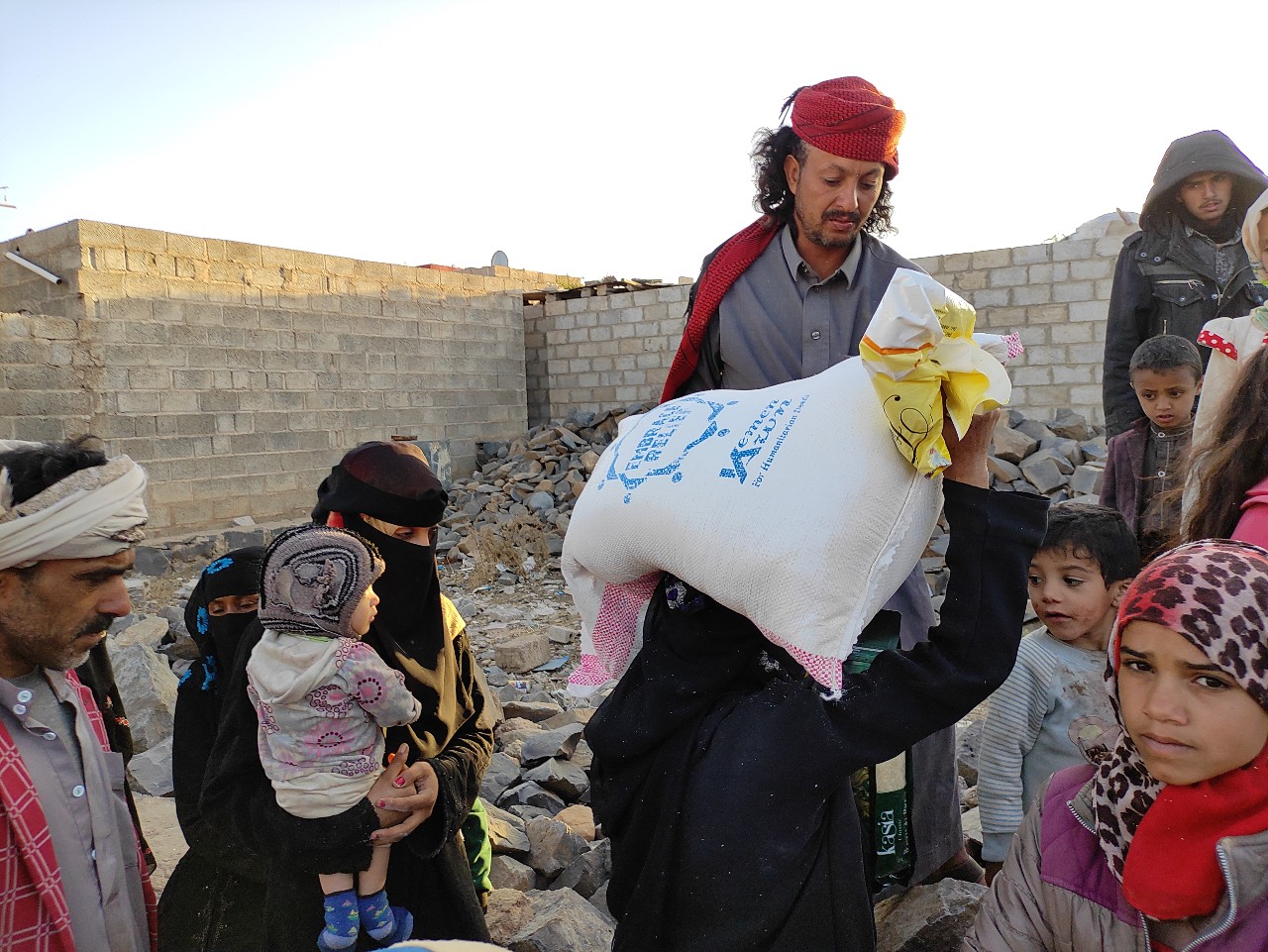
At Embrace Relief, we’ve made it a core part of our mission to deliver food to people in more than 50 countries worldwide, thanks to the support of people like you. If you have the ability, there’s never a bad time to provide a charitable donation that will make a real impact in people’s lives. But this month of reflection, empathy and charity is an especially good time to do so!
Help feed people in need with Embrace Relief
All it takes to make a powerful impact this Ramadan is a donation to Embrace Relief’s International Hunger Relief: Ramadan 2025 campaign. Every dollar you donate will help us provide nutritious food packages to those who need it most – whether they live in Tanzania, Mali, Yemen, Indonesia, Greece, the United States, or any of the other countries where Embrace Relief works to provide much-needed aid.
During last year’s International Hunger Relief: Ramadan campaign, thanks to the generosity of donors like you, Embrace Relief was able to distribute food to more than 68,000 people in 21 countries spanning 5 continents. In 2025, we want to make an even greater impact – but we need your help to do it!
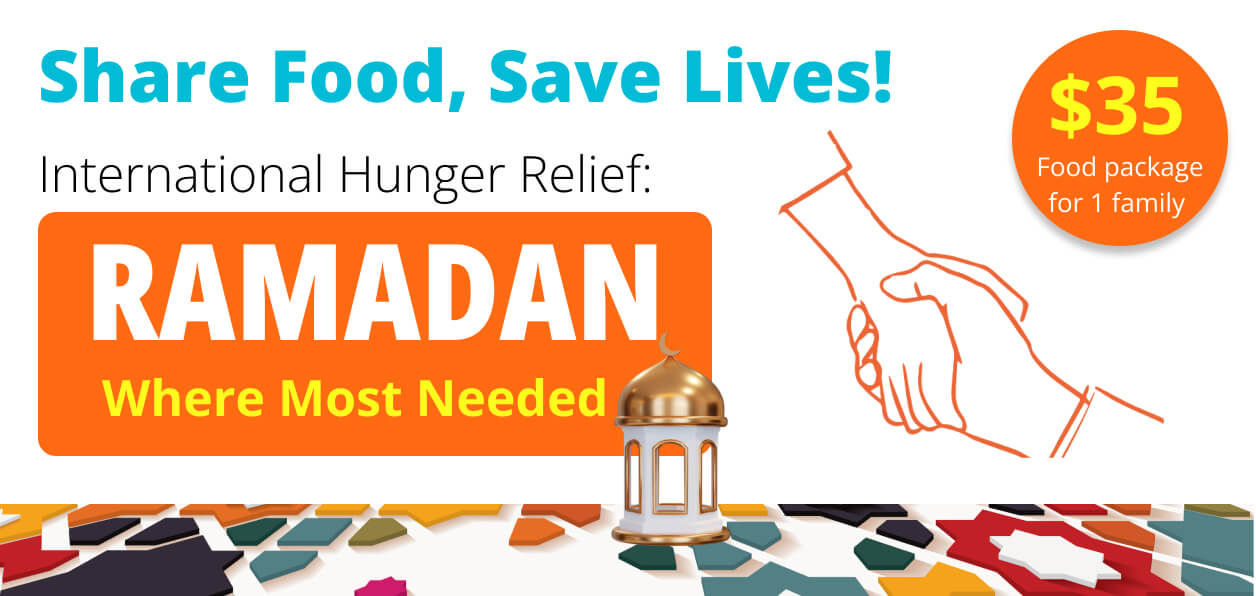
When you give to Embrace Relief this Ramadan, you will make a powerful difference in the life of a vulnerable family. Just $35 can provide a family of five with enough food for a full week, so don’t delay! Donate today by clicking here, or by using the form below and help Embrace Relief share nutritious food with our friends around the globe.
Eid al-Fitr: Celebrating the end of Ramadan
Summary
- Do you know why Muslims around the world celebrate Eid al-Fitr?
- It’s one of the biggest days of the year for more than a billion people around the world, a day of breaking the Ramadan fast, feasting, and celebrating with friends and family.
- But the end of Ramadan is also the perfect time to consider the lives of the most vulnerable people among us.
- That’s why Embrace Relief’s International Hunger Relief: Ramadan campaign is working to provide food packages and hot meals to tens of thousands of people around the world.

Eid Mubarak! The end of Ramadan 2025 will be marked by Eid al-Fitr, which is expected to take place in the United States from sunset on Saturday, March 29, until sunset on Sunday, March 30.
Concluding the month-long observance of the holy month of Ramadan, Eid al-Fitr is one of the biggest holidays on the Islamic calendar. It’s a day known for its communal prayers, gatherings, feasts, gifts, and charity.
In English, Eid al-Fitr translates to “Feast of the Breaking of the Fast,” referencing the obligatory fasting period of Ramadan in which Muslims refrain from eating or drinking between the hours of sunrise and sunset. The exact date of Eid each year will vary, because it occurs not on a specific Gregorian calendar date, but rather at the first sighting of the crescent moon that begins Shawwal, the 10th month on the Islamic calendar.
Here are five things you need to know about this important annual festival:
Eid al-Fitr is a day of giving. At the conclusion of the Ramadan fast at sunset prior to the day of Eid, Muslims are obliged to give a charitable donation, zakat al-fitr, to support the needy. This is typically not a great amount of money – roughly $7 per person – but because all Muslims who can afford to are asked to donate, it adds up. Zakat is seen by many as a way to mirror God’s love and kindness, to offer thanks to God for guiding them through the difficult fasting period, and to strengthen community ties. (Embrace Relief accepts Zakat donations and will use them to support our humanitarian relief efforts. Learn more by clicking here.)
Eid is a day of communal prayer. Traditionally, morning prayers on Eid are held in an open space, often outdoors, allowing for communities to come together and offer their devotion to God. The Eid prayers consist of two rakat (sections), both preceded by a specific number of takbir (the repetition of the phrase Allahu akbar, “God is great”). These are followed by a sermon asking for forgiveness, peace, and blessings.
Eid is a day of banquets and feasts. The end of the Ramadan fast is cause for large meal gatherings on Eid, typically beginning once the morning prayer ends. With no more restrictions on what you can eat or drink – fasting is prohibited for the three days after the beginning of Eid – many households will prepare copious amounts of food depending on their local customs and cuisine. In many locations, there is an emphasis on sweet breakfast, lunch and dessert foods, giving the holiday the nickname “Sweet Eid.”
Eid is a day for family and friends to come together. Eid is celebrated as one of the most joyous days on the calendar. In many parts of the world, families will decorate their homes and open them to their families and neighbors. In addition to the food they share, friends and families will also give each other gifts, show off new clothes and shoes, and exchange blessings.
Eid al-Fitr is the “smaller” Eid holiday. Eid al-Fitr is only one of the two major Eid holidays in the Muslim world. The other, Eid al-Adha (Feast of the Sacrifice), is considered an even more important date in Islam than Eid al-Fitr. It commemorates the story of the prophet Ibrahim (known as Abraham in the Christian and Jewish traditions) and his willingness to sacrifice his son Isaac to earn God’s favor. This year in the United States, Eid al-Adha is expected to begin with sunset on June 6, 2025.
Eid al-Fitr is of course a joyous time marked by food, fun and family. But it’s also a time to come together and share blessings with your fellow man. It’s a time for charity, empathy, and a real sense of supporting your community.
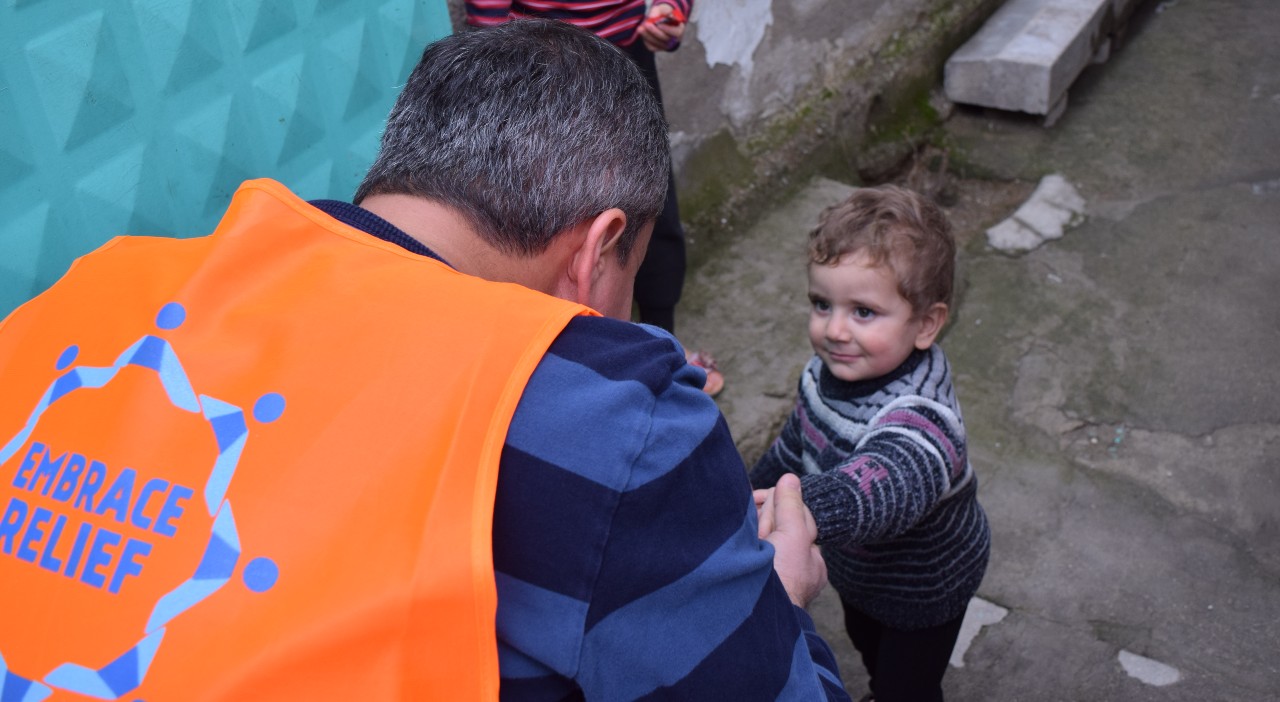
The end of the Ramadan fast is the perfect time to consider the impact you can make on people who are forced to go hungry each day. At Embrace Relief, we’ve made it a core part of our mission to deliver food to people in more than 50 countries worldwide, thanks to the support of people like you. If you have the ability, there’s never a bad time to provide a charitable donation that will make a real impact in people’s lives. But this month of reflection, empathy and charity is an especially good time to do so!
Help feed people in need with Embrace Relief
All it takes is a donation to Embrace Relief’s International Hunger Relief: Ramadan 2025 campaign! Every dollar you donate will help us provide nutritious food packages to those who need it most – whether they live in Tanzania, Mali, Yemen, Indonesia, Greece, the United States, or any of the other countries where Embrace Relief works to provide much-needed aid.
During last year’s International Hunger Relief: Ramadan campaign, thanks to the generosity of donors like you, Embrace Relief was able to distribute food to more than 68,000 people in 21 countries spanning 5 continents. In 2025, we want to make an even greater impact – but we need your help to do it!
When you give to Embrace Relief this Ramadan, you will make a powerful difference in the life of a vulnerable family. Just $35 can provide a family of five with enough food for a full week, so don’t delay! Donate today using the form below and help Embrace Relief share nutritious food with our friends around the globe.
Giving during Ramadan
Ramadan is about more than fasting from sunrise to sunset for a full month. It’s also a very important time for Muslims around the world to give to charity and help their fellow man.
Zakat, the act of charitable giving, is one of the pillars of Islamic belief. Each donation of one’s surplus food or money represents a purification of the soul. During this holy month, each gift to those in need provides an even greater spiritual reward, while also providing a Ramadan blessing to someone less fortunate.
Donating food is a particularly great way to help out during the holiday. The daylong fast that Muslims undertake throughout Ramadan is just a small reminder of the suffering that hundreds of millions of people live with during the other 11 months of the year.
Despite the progress we’ve made over the past several decades, there are still many people going to bed hungry every night all around the world. An estimated 700 million people on Earth – that’s one out of every 12 people – did not have enough food to eat during 2024.
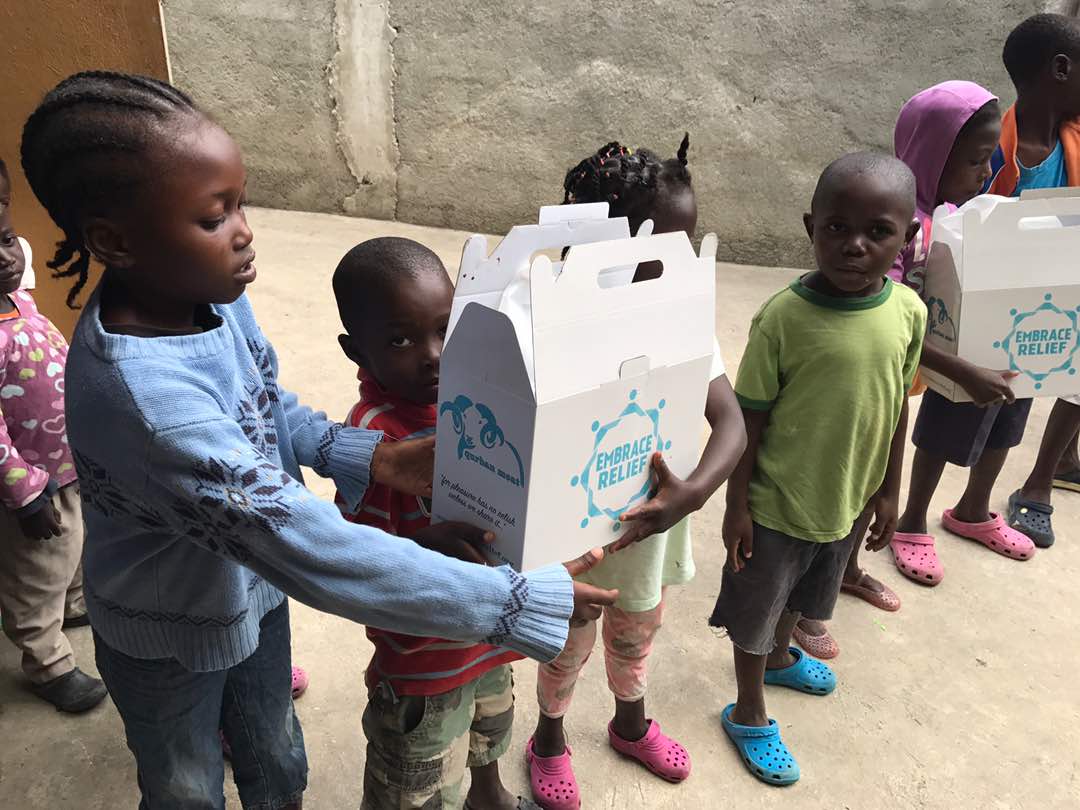
Embrace Relief has made it a core part of its mission to directly provide food to people in numerous countries where it is very badly needed, especially during Ramadan. Since 2013, we have:
- Provided food to more than 5 million people;
- Served more than 50 countries spanning five continents, including two dozen African nations, as well as Greece, Yemen, Indonesia, India, Pakistan, Colombia, Brazil, and many others.
- Aided our closest neighbors in the United States with deliveries of food packages, hot meals, and fresh produce to tens of thousands of families.
- We strive to ease hunger wherever it exists, whether in our own backyard or on the other side of the globe. But we can only help our most vulnerable friends with your support!
Help feed people in need with Embrace Relief
All it takes to make a powerful impact this Ramadan is a donation to Embrace Relief’s International Hunger Relief: Ramadan 2025 campaign. Every dollar you donate will help us provide nutritious food packages to those who need it most – whether they live in Tanzania, Mali, Yemen, Indonesia, Greece, the United States, or any of the other countries where Embrace Relief works to provide much-needed aid.
During last year’s International Hunger Relief: Ramadan campaign, thanks to the generosity of donors like you, Embrace Relief was able to distribute food to more than 68,000 people in 21 countries spanning 5 continents. In 2025, we want to make an even greater impact – but we need your help to do it!
When you give to Embrace Relief this Ramadan, you will make a powerful difference in the life of a vulnerable family. Just $35 can provide a family of five with enough food for a full week, so don’t delay! Donate today using the form below and help Embrace Relief share nutritious food with our friends around the globe.
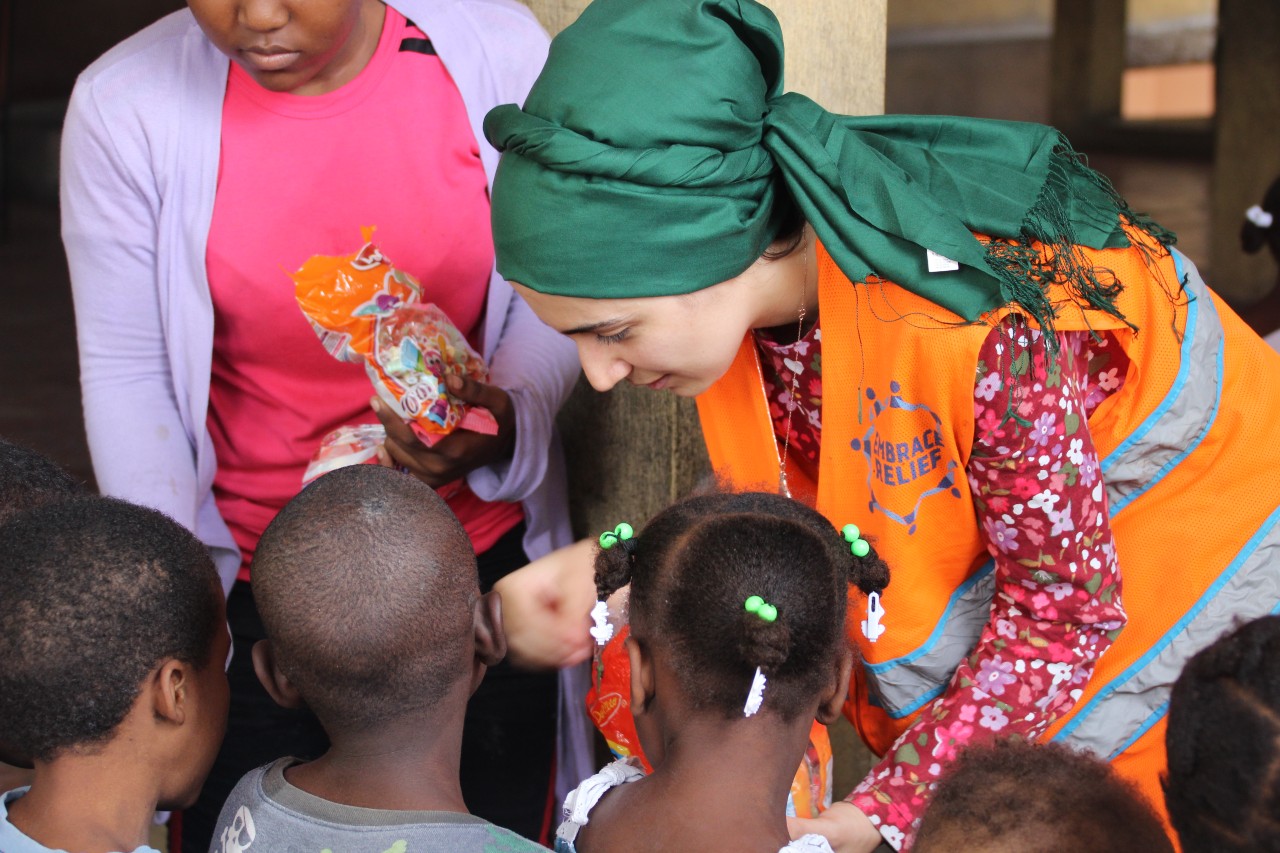
5 tips for avoiding food waste
Did you know that as much as 40 percent of the food supply in America goes to waste each year?
The U.S. Department of Agriculture estimates that more than 130 billion pounds of food is wasted in this country alone every year – an average of more than 200 pounds of food per person! It’s a staggering number, and combined with the approximately 17 percent of food going to waste in the rest of the world, it has real consequences for people everywhere:
- Wasted food goes into landfills instead of feeding hungry people. Tens of millions of people in America, and hundreds of millions of people around the world, do not have enough food to eat each year. But as we can see by the amount of food wasted, it’s not a supply problem. We have more than enough food for all people.
- But it’s not just the food that goes to waste. Producing food requires numerous resources: land, water, technology, labor, transportation, and much more. When we waste large quantities of food, we’re wasting all of those resources, too.
- Food waste also has a negative impact with regards to climate change. The production and supply chains for our food involve the release of some greenhouse gases, of course. And as the wasted food decomposes in landfills, it gives off methane, a greenhouse gas 86 times more powerful than carbon dioxide.
True, a large portion of wasted food is on the production and supply end. (Think about a refrigerator malfunction spoiling dairy products, or fruits and vegetables spoiling before they get to your grocery store.) But there are still many ways in which regular people can reduce food waste in measurable, impactful ways. So how can you do your part? Here are five simple tips:
1.Have a plan and buy what you need. Buying in bulk can be a money- and time-saver, reducing the amount of grocery store trips you’ll need to make. But it’s also often a good way to end up with wasted food. Developing a weekly meal plan, and only buying the ingredients you need to stick to it, is a good way of ensuring that all the food you buy will go to good use.
2.Don’t be afraid of “ugly” fruits and vegetables. One big source of food waste on the retail/consumer side is produce that may look visually unappealing – because of an odd shape, bruises, or other cosmetic reasons – but that are actually exactly as safe, nutritious and tasty as “normal-looking” fruit. Because of their appearance, “ugly” fruits and veggies are often dumped before they go bad. By buying “ugly” produce, you’ll get the same great taste and reduce waste.
3.Save your leftovers. Sometimes you just get full and can’t finish all the delicious food you cooked. Rather than dumping it, save it for another day! Store your leftovers in an airtight container and refrigerate or freeze as necessary. You’ve got a simple, easy-to-prepare meal for another time, or maybe an ingredient you can reuse for tomorrow’s dinner.
4.Donate what you can’t use. Local food banks are always in need of non-perishable food items (canned goods, dried fruits and vegetables, etc.). But your unspoiled perishable goods could also be acceptable, depending on the food bank and the quality of your food. Sharing your excess food with your community is doubly effective: less waste, and fewer people going hungry.
5.Compost your food waste. Sometimes food waste is just unavoidable. If you have fruits or vegetables that go bad (or used eggshells, nut shells, or coffee grounds), try composting them. Burying this organic material in your backyard provides nutrients to the soil, reduces your carbon footprint, and turns food waste into something much more productive. Just remember, you can’t compost meat, bones, fats and oils, or dairy products.
Help feed people in need with Embrace Relief
It’s important to be mindful of food waste, because so many millions of people in America and around the world don’t have the luxury to waste any food. Hunger can be found everywhere, and we all have a responsibility to reduce suffering where we can. At Embrace Relief, we’re doing our part by directly providing food to people in need.
During our International Hunger Relief Campaign: Ramadan 2021, Embrace Relief delivered food packages to more than 30,000 people across 12 countries, including more than 1,300 in Greece, more than 1,100 in Yemen, and hundreds more families in sub-Saharan Africa and South Asia. We also helped out locally, delivering food to 900 neighboring families in New Jersey.
For our International Hunger Relief Campaign 2022, we want to do so much more, and your support can make that possible. Donating any amount of money will make a difference – the amounts below represent the cost of one food package that will feed a family for one week:
- $50 for refugees in Greece
- $50 for families in the U.S.
- $65 for Yemeni families
- $25 for African children
So please, donate today. Every contribution you make helps one more family go to bed on a full stomach, and brings us one small step closer to ending world hunger.
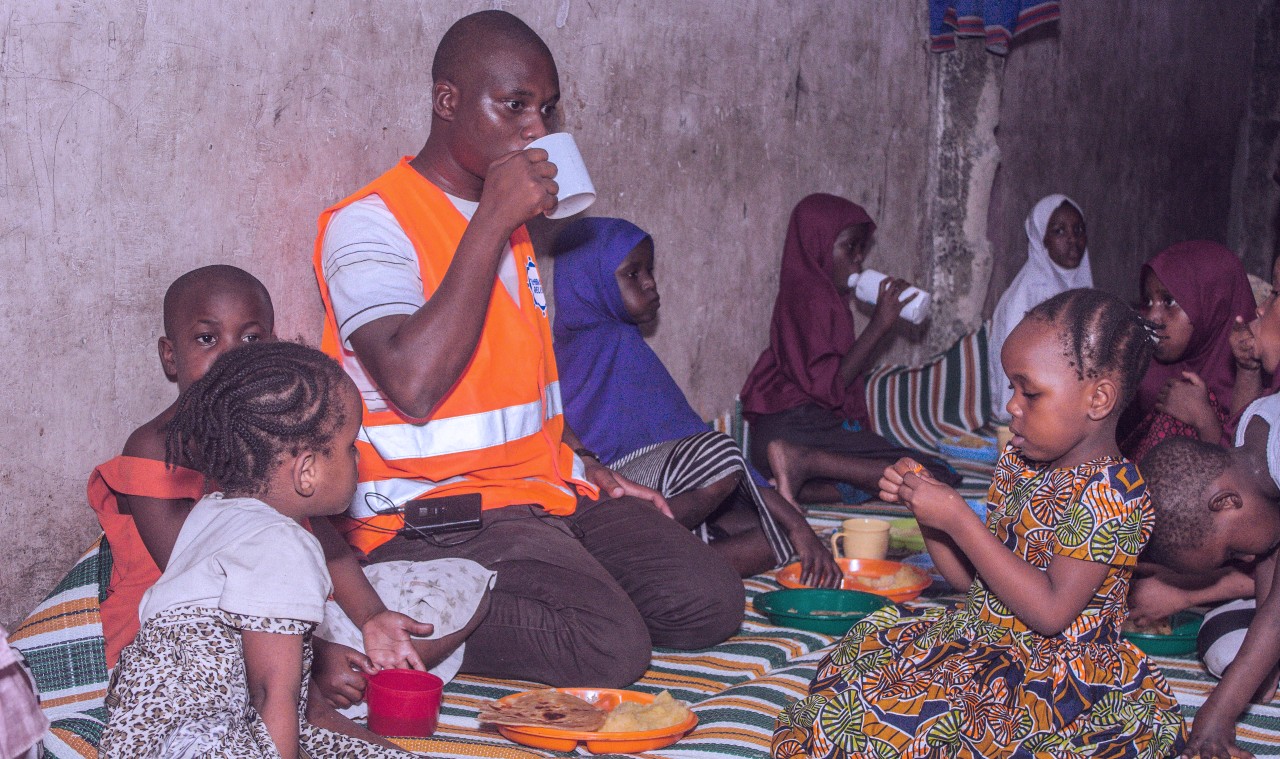
Hunger in Africa: a crisis
More than one-fourth of all people in Africa are food insecure. Hunger, even extreme hunger, in Africa has escalated in recent years after a long period of increasing food supply for the continent’s growing population.
Thanks to disruptions caused by structural poverty, conflict, climate change and the COVID-19 pandemic, hunger in Africa has reached a crisis point. An estimated 346 million Africans lived with “severe” food insecurity in 2020, by far the highest percentage of hungry people (26.6% of the total population) of any continent.
The crisis is widespread particularly in the central part of Africa, south of the Sahara Desert and north of the Congo River. More than 9 out of every 10 hungry people on the continent are located in this area.
- In Central Africa – including countries like the Democratic Republic of the Congo, Congo Republic, Burundi, Cameroon, Chad and Angola – estimates are that nearly 1 in 3 people (31%) are undernourished.
- The situation is particularly dire in countries like the Democratic Republic of the Congo, where 45 million people do not have enough food to eat in April 2022, according to the UN World Food Programme’s Hunger Map. More than half of the country’s children under the age of 5 are chronically undernourished as well.
- Heavily populated East Africa – which includes countries such as Sudan, Ethiopia, Somalia, Kenya, and Tanzania – is home to more than 129 million people who suffered undernourishment in 2020, roughly 28 percent of the population.
- According to the Hunger Map, there are currently nearly 29 million hungry people in Ethiopia alone. Approximately 36 percent of Ethiopian children are chronically undernourished.
A lack of food has devastating consequences especially for all, but especially children. One study concluded that as many as 260,000 children died of starvation in East Africa in 2021. Meanwhile, children going hungry are at severe risk for wasting (low weight for one’s height) and stunting (low height for one’s age), which can cause lifelong health issues and prevent children from reaching their physical and mental potential.
Help feed people in need with Embrace Relief
We have the ability to feed every single person on this planet, and more importantly, we all have a responsibility to ensure that we all have enough to eat. At Embrace Relief, we’ve made providing food to people in need a cornerstone of our mission. During our International Hunger Relief Campaign: Ramadan 2021, Embrace Relief delivered food packages to more than 30,000 people across 12 countries, including more than 1,300 in Greece, more than 1,100 in Yemen, and hundreds more families in sub-Saharan Africa and South Asia. We also helped out locally, delivering food to 900 neighboring families in New Jersey.
For our International Hunger Relief Campaign 2022, we want to do so much more, and your support can make that possible. Donating any amount of money will make a difference – the amounts below represent the cost of one food package that will feed a family for one week:
- $50 for refugees in Greece
- $50 for families in the U.S.
- $65 for Yemeni families
- $25 for African children
So please, donate today. Every contribution you make helps one more family go to bed on a full stomach, and brings us one small step closer to ending world hunger.
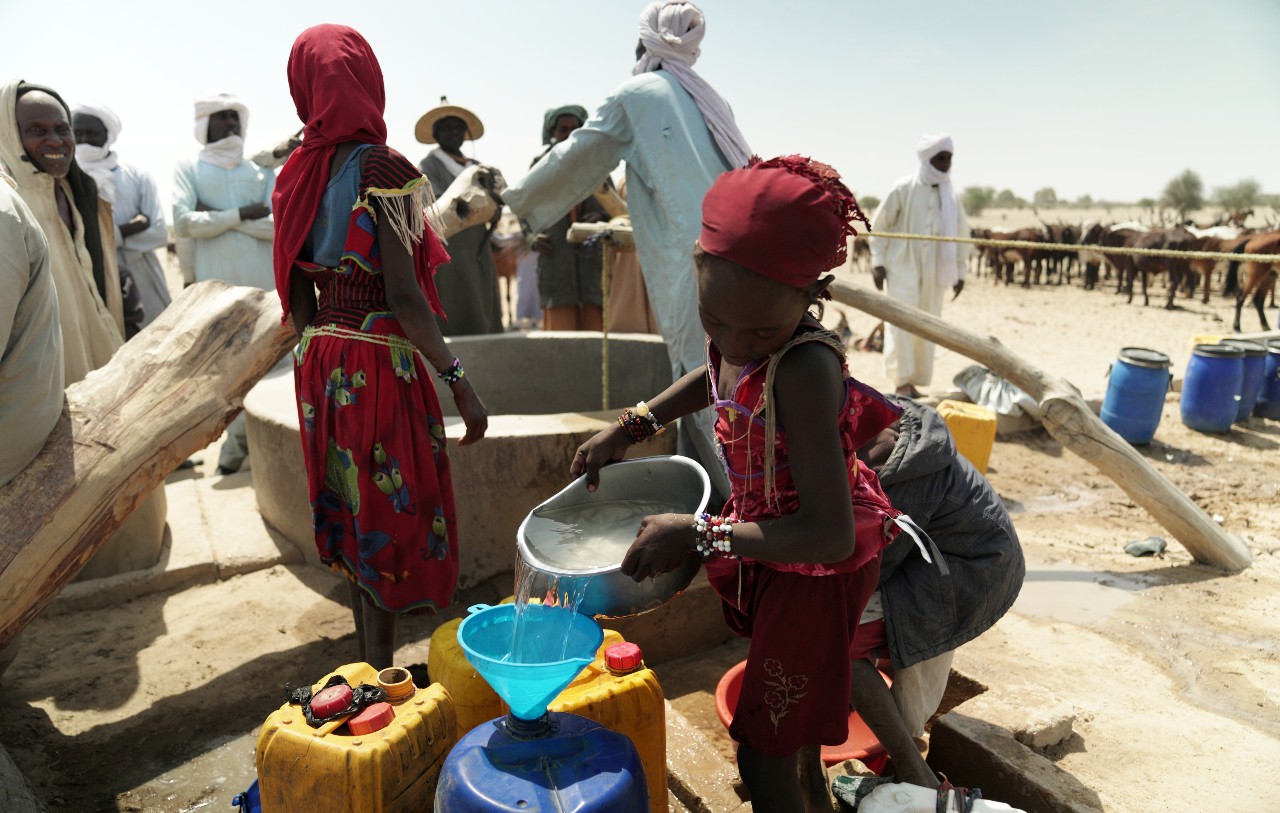
Join Embrace Relief’s 5K Walkathon and Help Build Water Wells in Africa
Hundreds of millions of people worldwide live in poverty, and suffer from terrible illness, as a direct result of lacking clean, drinkable water. But you can help them, and all it will take is a nice, hourlong walk in sight of the Statue of Liberty.
On Saturday, June 25, 2022, join Embrace Relief and support our efforts to bring clean water to millions of people in Africa by taking part in our first-ever H₂Ow Far Can You Walk: 5K Walkathon.
Our 5K Walkathon will take place at Liberty State Park in Jersey City, New Jersey. On-site registration will take place at 8 a.m. that day, with the walkathon getting underway at 9:30 a.m. To register in advance, visit Embrace Relief’s 5K Walkathon webpage. There are three tiers of registration, with each level giving additional gifts and swag to walkers:
- Tier 1 – Pillars of Hope ($15): T-shirt
- Tier 2 – Champions of Service ($25): T-shirt, bracelet, lanyard/medal, sticky wallet OR pop-socket, water bottle
- Tier 3 – Builders of the Future ($30): All items from Tier 2 PLUS a drawstring backpack, print paper certificate, and a pen/notebook OR sweat towel
Why We Walk
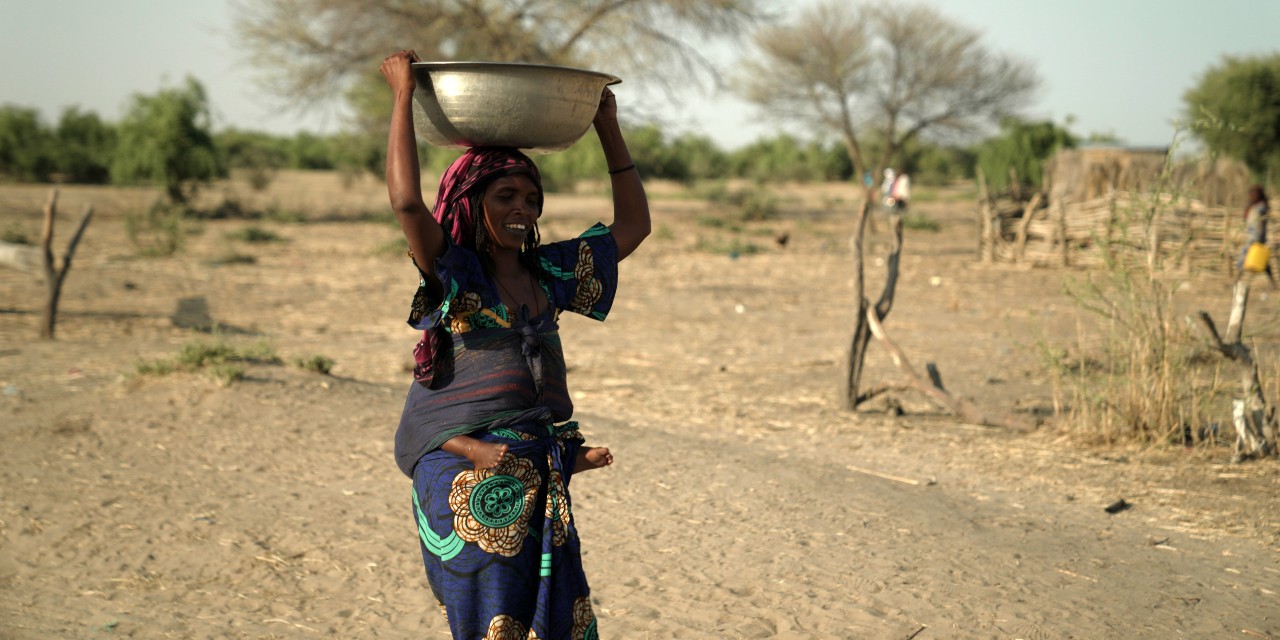
Embrace Relief’s 5K Walkathon is a fun event designed to give everyone a chance to get some exercise. But it’s also an important opportunity to understand that in many parts of the world, “walking for water” isn’t a leisure activity: it’s part of a daily routine of survival. In sub-Saharan Africa, for example, more than 400 million people live without a nearby, safe source of clean water. To reach their nearest source of life-giving water, people – usually women and young girls – must walk for miles on unpaved roads, under a hot sun, carrying up to 70 pounds of water on their shoulders, neck, and back for hours at a time. This labor-intensive, time-consuming process takes its toll.- Every hour spent traveling to and from a water source is an hour a mother can’t spend raising her children, or a girl doesn’t spend in a classroom earning an education.
- Every mile they walk carrying heavy water containers presents a risk of short- and long-term injuries to the spine and shoulders.
- And in many parts of sub-Saharan Africa, there’s no guarantee the water they’re fetching is safe to drink, given how many water sources are above-ground, unprotected, or otherwise susceptible to contamination. An estimated 2 million people die every year from diseases related to drinking contaminated water.
How Embrace Relief helps
Embrace Relief’s commitment to easing the burden on people in Africa is centered on the building of sustainable, easy-to-maintain, safe water wells. Already, we’ve built or refurbished more than 500 wells in the African nations of Chad and Cameroon, supplying safe, drinkable water to more than a half-million people for at least the next five years. Funds raised at our 5K Walkathon event will support Embrace Relief’s Fountains of Hope project, which will rebuild 250 non-operational existing water wells in different regions of africa. We look forward to seeing you on June 25! Together, we can make a huge impact by giving the gift of water, and thus the gift of a better life, to thousands of people and scores of communities. What better way to spend an early-summer afternoon?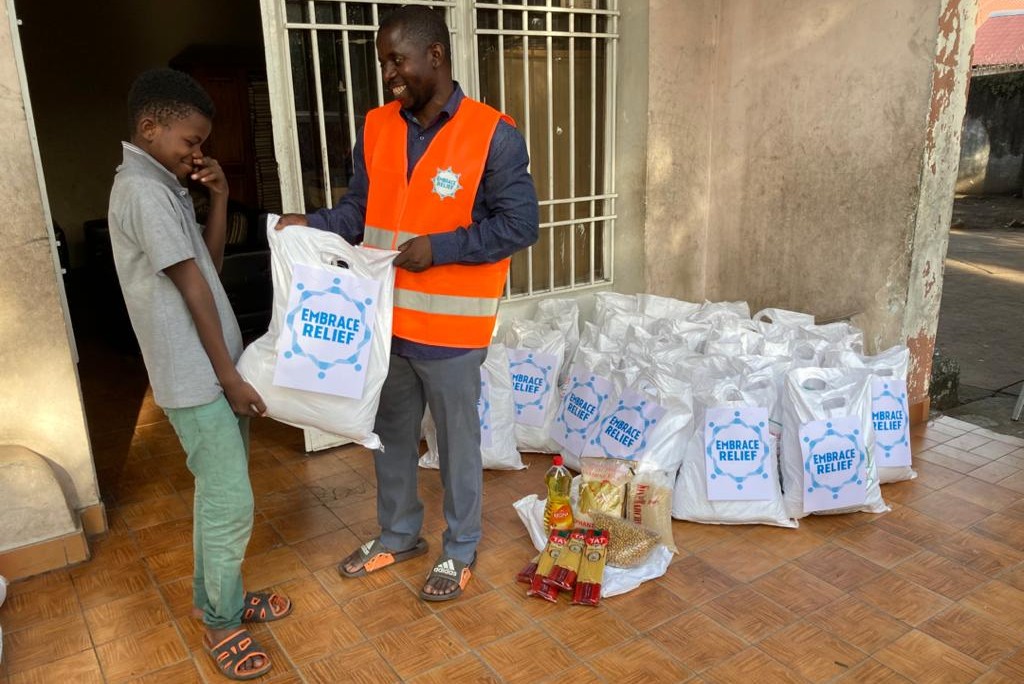
What is Ramadan: Tradition, fasting, and sharing
Ramadan 2025 will begin at sundown on Friday, February 28, and will end at sundown on Sunday, March 29.
What is Ramadan? It is the holy month, the ninth in the Muslim calendar, whose beginning is marked by the appearance of the crescent moon. Because the Muslim calendar is based on the 354-day lunary calendar, Ramadan’s start date and end date will vary each year
The observance of the holy month is one of the Five Pillars of Islam, and is a time for fasting, introspection, prayer, and faithful intention for Muslims around the world.
During Ramadan, Muslims are obliged to abstain from all of the following between sunrise and sunset:
- Eating
- Drinking
- Smoking
- Sexual relations
- Sinful speech and behavior
Traditionally, each day of Ramadan involves a pre-dawn meal, suhur, followed by the first of the required five daily prayers. After sundown comes the next meal, iftar, followed by evening prayers. No food or drink is permitted in between for anyone, with some exceptions (including pregnant and nursing women, young children and the elderly).
In addition to fasting, Muslims are asked during Ramadan to be more mindful of the teachings of Islam, both in their actions and thoughts – avoiding violence, anger, jealousy, greed, and other vices – and through devoted reading of the Quran.
By practicing these obligations throughout each day of the month, an individual cleanses one’s soul, practices discipline, self-control and spirituality, and becomes closer to God.
Another key piece of the puzzle is charitable giving. The obligations of Ramadan generate strong feelings of compassion and empathy for those less fortunate, those people who go hungry or thirsty throughout the year not by choice. Charitable giving is another of the Five Pillars of Islam, and Muslims donate more money to charity during the month of Ramadan than at any point of the year.
There is no better time of year to think about how to help others, and to take action.
Help feed people in need with Embrace Relief
All it takes to make a powerful impact this Ramadan is a donation to Embrace Relief’s International Hunger Relief: Ramadan 2025 campaign. Every dollar you donate will help us provide nutritious food packages to those who need it most – whether they live in Tanzania, Mali, Yemen, Indonesia, Greece, the United States, or any of the other countries where Embrace Relief works to provide much-needed aid.
During last year’s International Hunger Relief: Ramadan campaign, thanks to the generosity of donors like you, Embrace Relief was able to distribute food to more than 68,000 people in 21 countries spanning 5 continents. In 2025, we want to make an even greater impact – but we need your help to do it!
When you give to Embrace Relief this Ramadan, you will make a powerful difference in the life of a vulnerable family. Just $35 can provide a family of five with enough food for a full week, so don’t delay! Donate today using the form below and help Embrace Relief share nutritious food with our friends around the globe.