


Recent

The need for women’s education in Tanzania

Education is a fundamental human right, and one of the cornerstones of women’s empowerment.

No matter where you go in the world, one fact is constant: young women and girls who receive and complete their education are more successful, productive, and more in control of their lives. Educated women are more likely to enter the labor market, earning higher incomes when they do; are more likely to gain leadership positions in government and business; and have significantly more autonomy over their reproductive health.

The benefits of women’s education not only impact individuals, but society as whole: countries with high rates of educated women are healthier, more economically productive, and more prosperous.

In many parts of the world, there is still a long way to go for women seeking equality. In Tanzania, educational outcomes are relatively poor for all, even relative to other sub-Saharan African countries. But the gender gap that exists in education, as revealed in a 2018 study, has a major negative impact on Tanzanian girls and women especially:

  • About 17 percent of all primary school-aged Tanzanian children are not participating in the education system. But more girls (19 percent) than boys (15 percent) of that age are not in school.
  • This gap is more pronounced at the secondary-school level. More than half of all Tanzanians age 14-19 (56 percent) are not in school, but once again it is girls who bear a disproportionate burden: 61 percent of girls between the ages of 14-19 are not receiving an education, compared to 51 percent of boys.
  • The literacy rate for women ages 15 and up is just 73 percent, well below the corresponding rate for Tanzanian men (83 percent), and well below the global average for all people.

As a result, even when women in Tanzania are able to join the labor market, they find it difficult to ascend to leadership positions. Mohamed Kitendo, Charity Department Coordinator at Ishik and an Embrace Relief partner on the ground in Tanzania, described the state of the teaching profession in his country:

“In primary schools, the number of ladies who are teachers is higher than men,” he said. “There is a school close to us here with 19 teachers, of which only 2 are men. But the two men are the head teacher and assistant head teacher. They are the decision makers in the school. This is the challenge that women are facing.”

The need for investment in women’s education is clear: supporting women on their path to becoming leaders improves their individual odds of success, and has the potential to inspire future generations to pursue education, careers, and successful adult life of their choosing.

Embrace Relief is investing in women’s education

At Embrace Relief, this goal is foundational to our mission. That’s why we have launched our “Reach. Inspire. Support. Educate.” (R.I.S.E.) program, where we are training the next generation of teachers and administrators to be the foundation for improved education in Tanzania.

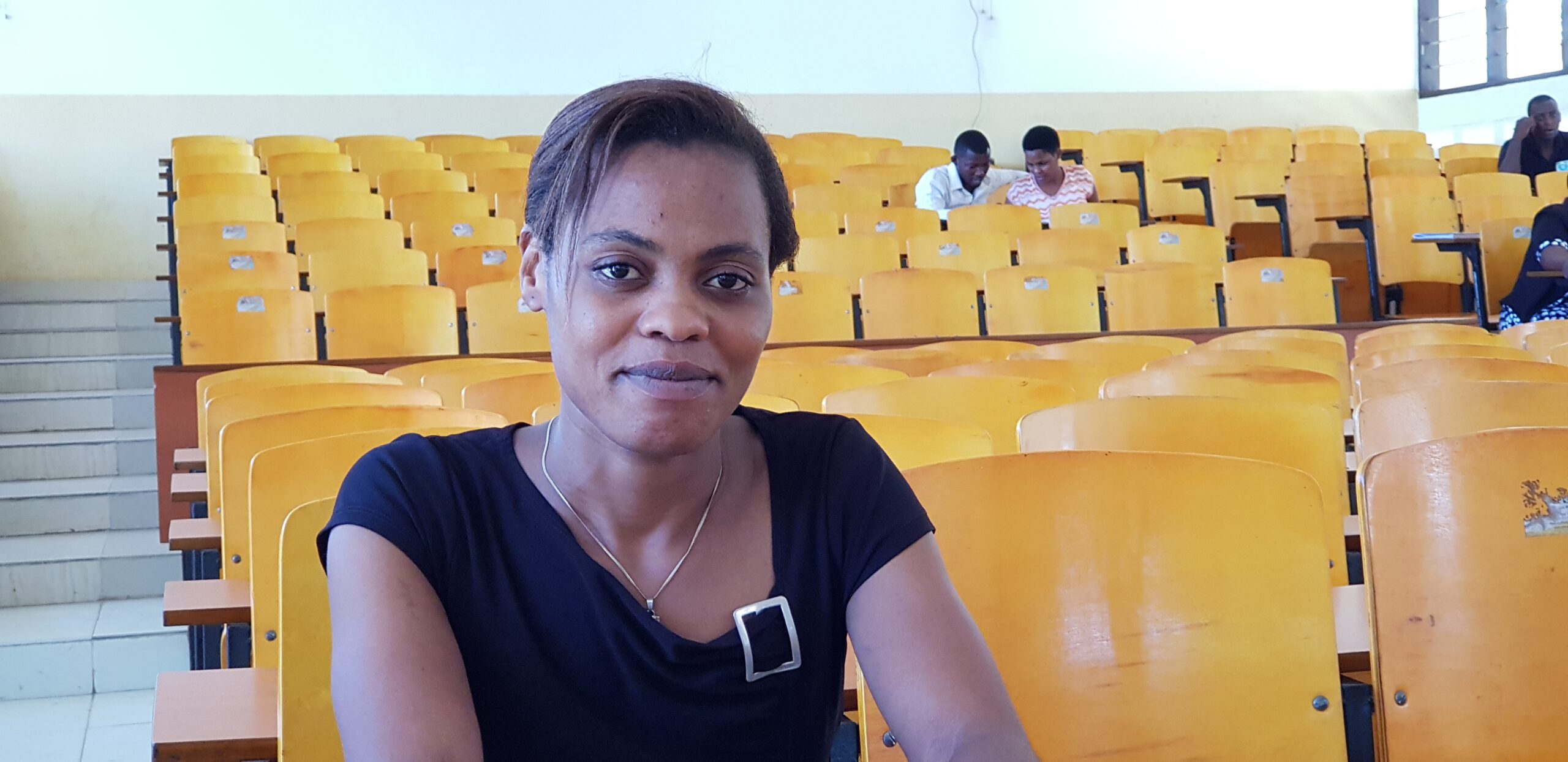
Through Embrace Relief’s R.I.S.E. program, we and our local partners are providing financial support to 24 women in Tanzania in order to help them achieve a two-year degree in Education Management and Administration (DEMA) and School Inspection (DSI). These degrees will empower the graduates with the knowledge and skills they need to break through into a male-dominated field of work, while ultimately working towards the improvement of Tanzania’s educational system for all students.

This is a life-changing opportunity for these women, and we plan to provide more assistance for even more women in the future. But we need your help.

Each donation to Embrace Relief’s R.I.S.E. program will go directly to pay for students’ tuition, health insurance, books, transportation and meals. Every $100 donated to this program can empower one more woman to unleash her potential, making her life – and the world – better for it.

How education plays a role in women’s empowerment

The fight for women’s rights and gender equality has made significant progress in many parts of the world over the past several centuries. Many millions of women have gained political rights, have been able to take on leadership roles in government and business, and have been able to enjoy the freedom and autonomy to live their lives as they see fit.

But the struggle is far from finished. 

  • Women are still under-represented in leadership roles even in countries where women’s rights are most protected. Only 23.1 percent of representatives in national parliaments worldwide are women, while women make up just 13 percent of the world’s agricultural land-holders.
  • In many other countries, discriminatory laws and social practices prevent women from achieving their potential. Nearly 40 countries around the world do not have equal inheritance rights for sons and daughters, and 19 countries allow a husband to prevent his wife from working. Meanwhile, 750 girls and women worldwide were married prior to the age of 18.
  • And physical and sexual violence against women remains frighteningly common and universal, affecting more than 25 percent of all women.

The task of empowering women and ensuring true equality requires a society-wide effort and investment. One of the most important investments we can make is providing a thorough, quality education to all girls and young women.

The United Nations estimates that 960 million adults worldwide are illiterate – and two out of every three illiterate adults are women. An estimated 129 million school-age girls are currently not attending school, with the majority being of secondary school-age. On a percentage basis, fewer girls worldwide complete each level of education, compared to boys.

The skills and knowledge provided by an education unlocks doors for women, creates a path for women who wish to be leaders and entrepreneurs, and provides important life skills to help navigate the world. Studies demonstrate that better-educated women:

  • Are better-informed about nutrition and healthcare.
  • Have fewer children, who are typically healthier.
  • Marry at a later age.
  • Are more likely to be a part of the formal labor market
  • Earn higher incomes.

By improving educational outcomes and ensuring that all girls and women have the opportunity to complete their education, we can create impacts that lift individual women, benefit women as a group, and enrich society as a whole.

Embrace Relief is investing in women’s education

At Embrace Relief, we’re committed to educating girls and women in under-served countries and providing them with the opportunity to pursue a brighter future.

That’s why we have launched our “Reach. Inspire. Support. Educate.” (R.I.S.E.) program, where we are training the next generation of teachers and administrators to be the foundation for improved education in Tanzania.

Through Embrace Relief’s R.I.S.E. program, we and our local partners are providing financial support to 24 women in Tanzania in order to help them achieve a two-year degree in Education Management and Administration (DEMA) and School Inspection (DSI). These degrees will empower the graduates with the knowledge and skills they need to break through into a male-dominated field of work, while ultimately working towards the improvement of Tanzania’s educational system for all students.

This is a life-changing opportunity for these women, and we plan to provide more assistance for even more women in the future. But we need your help.

Each donation to Embrace Relief’s R.I.S.E. program will go directly to pay for students’ tuition, health insurance, books, transportation and meals. Every $100 donated to this program can empower one more woman to unleash her potential, making her life – and the world – better for it.

Clean water: A luxury in sub-Saharan Africa

In the United States, having access to clean water is as simple as turning on the faucet. Across the country, Americans use, on average, approximately 82 gallons of water per day while at home. Water is so abundant that the average American family wastes an estimated 9,400 gallons of water per year. Water leaks from ineffective piping systems cause an additional waste of about 900 billion gallons of water nationwide each year. Even despite all of this waste, most Americans are usually within arms’ reach of clean water.

Because of this, it can be difficult to imagine what life is like for the 785 million people worldwide who do not have such access to clean water. Over half of these people are concentrated in sub-Saharan Africa, where groundwater is plentiful, but a lack of infrastructure means that safe, nearby drinking water is unavailable for most.

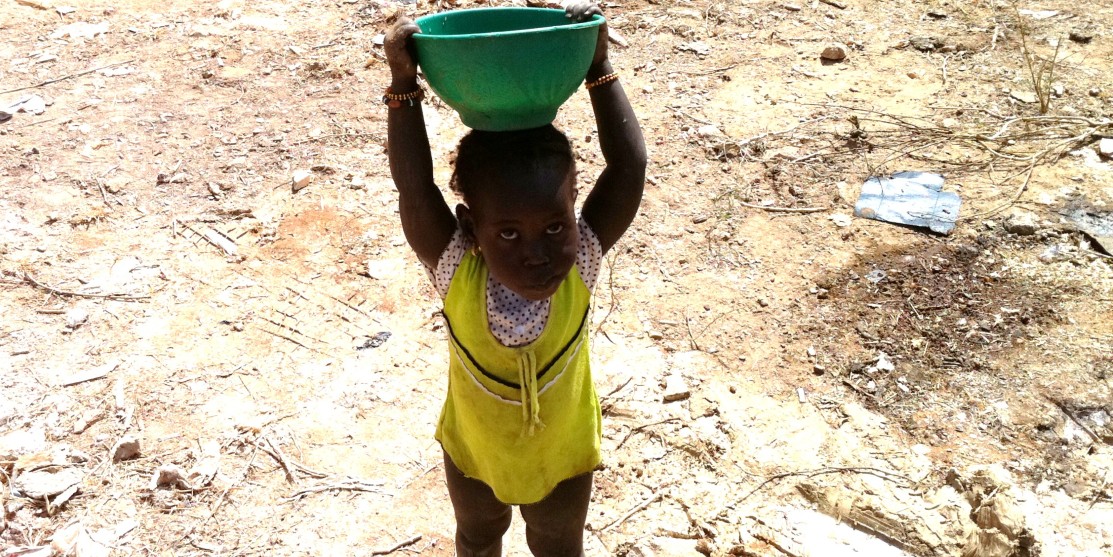
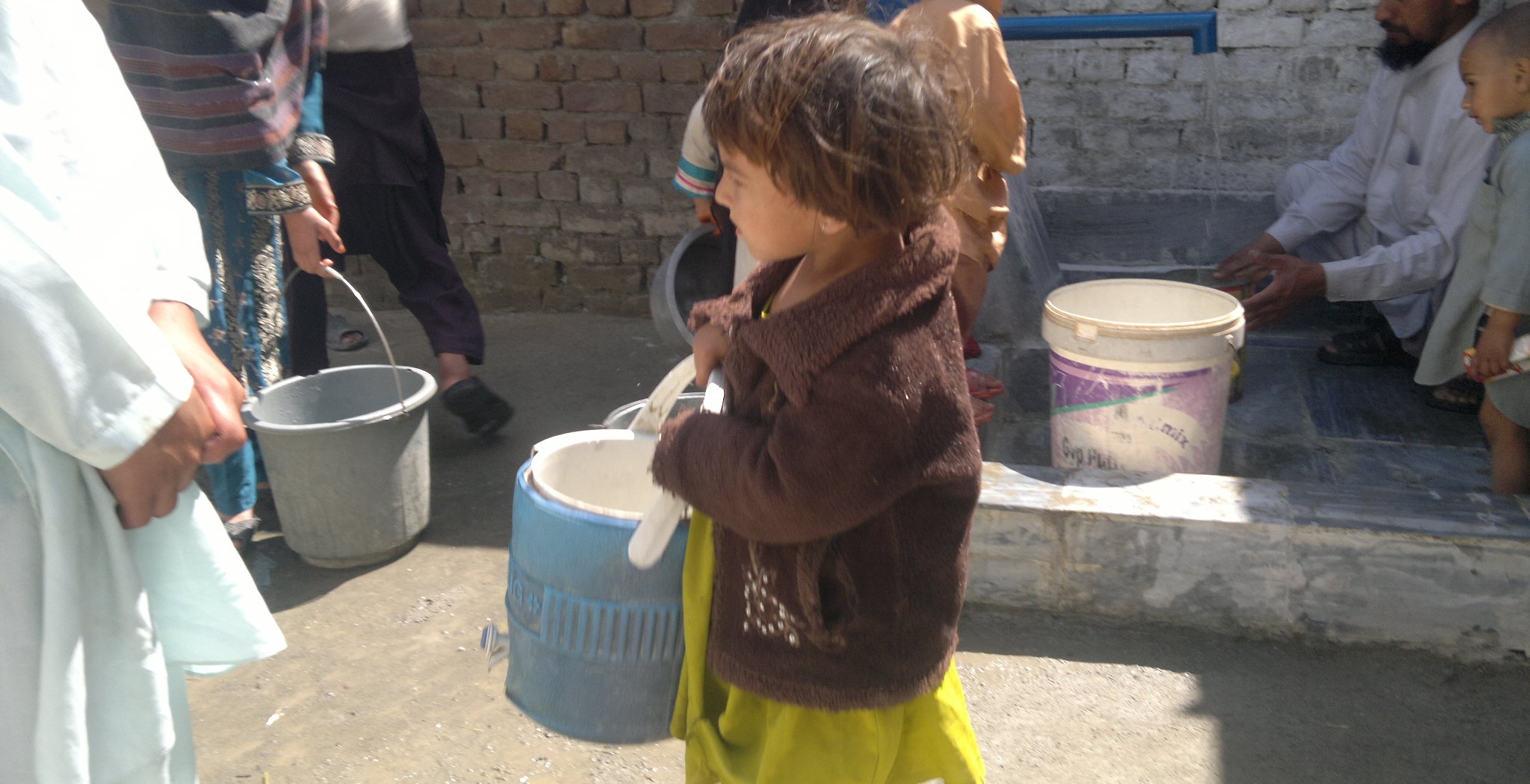
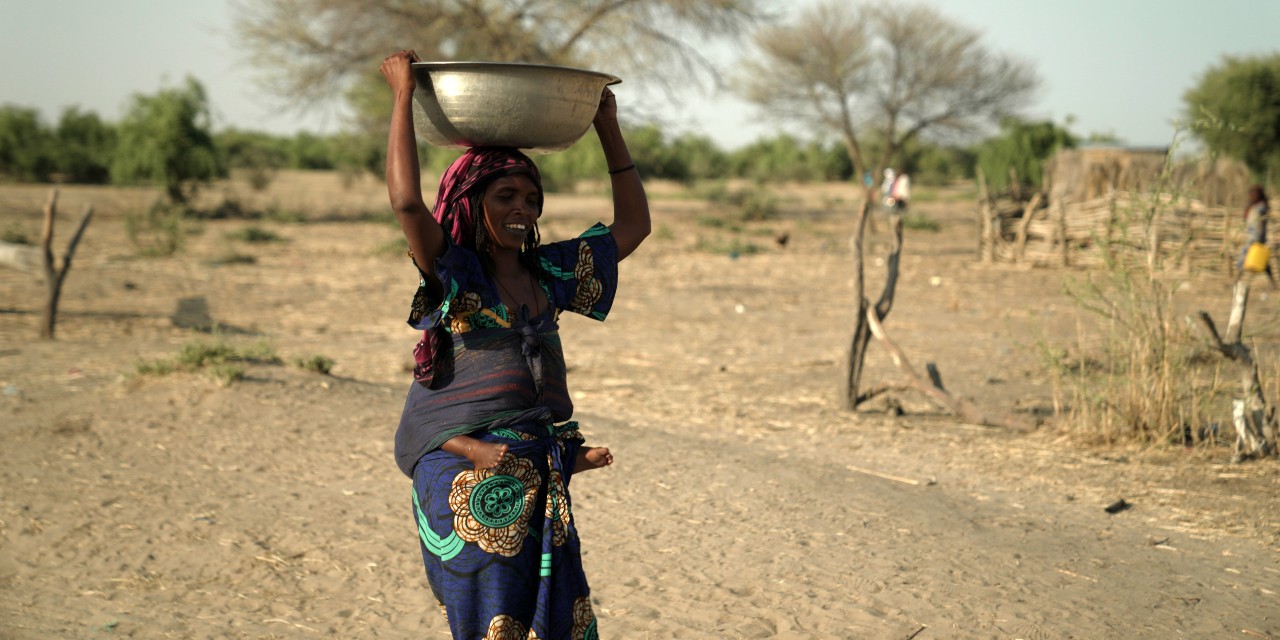
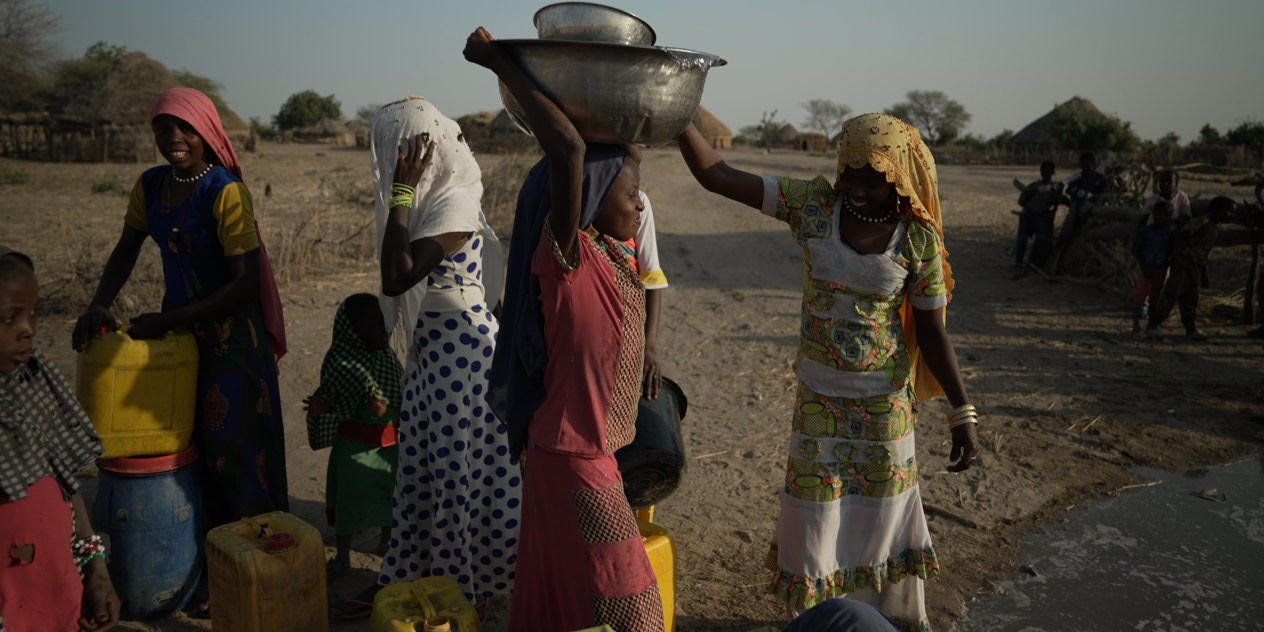
But where getting clean water in America is as simple as taking a few steps into the kitchen, in Africa collecting water is a time-consuming daily task, undertaken usually by women and children. 

  • The average water collection trip is approximately 33 minutes long in rural areas, and 25 minutes long in urban areas. 
  • But unlike in parts of the world where water is treated and filtered to protect the population, water collected in sub-Saharan Africa is often heavily polluted, containing harmful worms or bacteria, because it is located above ground in unprotected ponds, lakes, rivers or watering holes, or because it has been contaminated with sewage runoff. 
  • Drinking contaminated water leads to illnesses like typhoid fever, Guinea worm disease, dysentary, salmonella, Hepatitis A, and Hepatitis E. 
  • Water-related illnesses kill 3.4 million people each year, the vast majority of whom are young children.

While the United States can afford to waste billions of gallons of water each year, simply having clean water is a luxury in sub-Saharan Africa. Every drop counts.

Help Embrace Relief deliver clean water to people who need it

At Embrace Relief, we’re working to make clean water accessible to all, and we need your help.

Through our Clean Water Initiative, we have funded the construction of 450 new water wells, and the reconstruction of 50 pre-existing water wells, in the African nations of Cameroon, Chad and Nigeria. These wells are providing water to more than 500,000 people for at least the next five years.
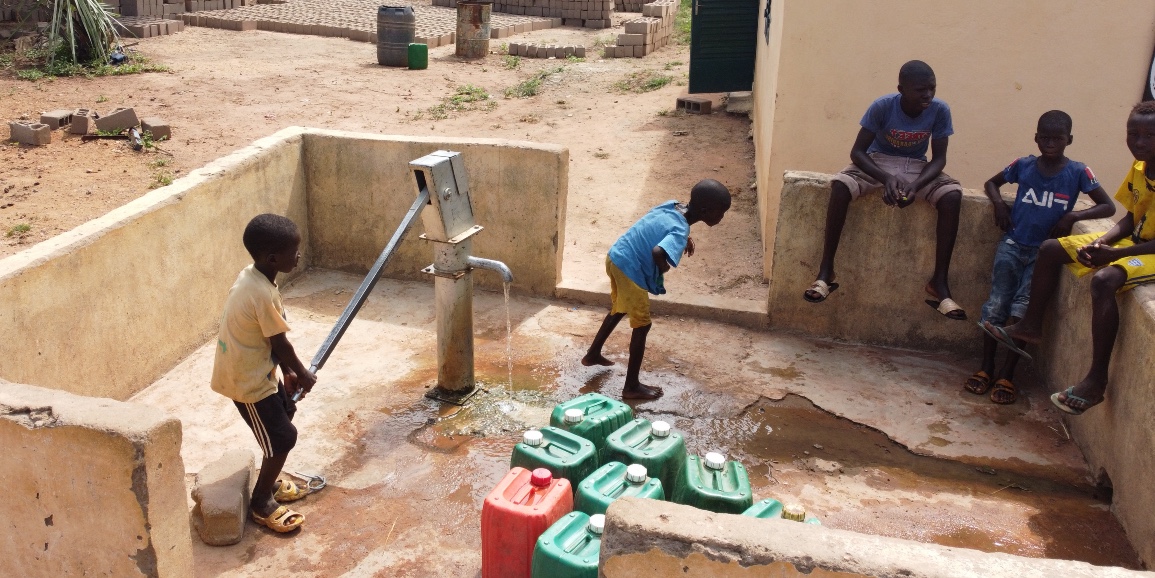
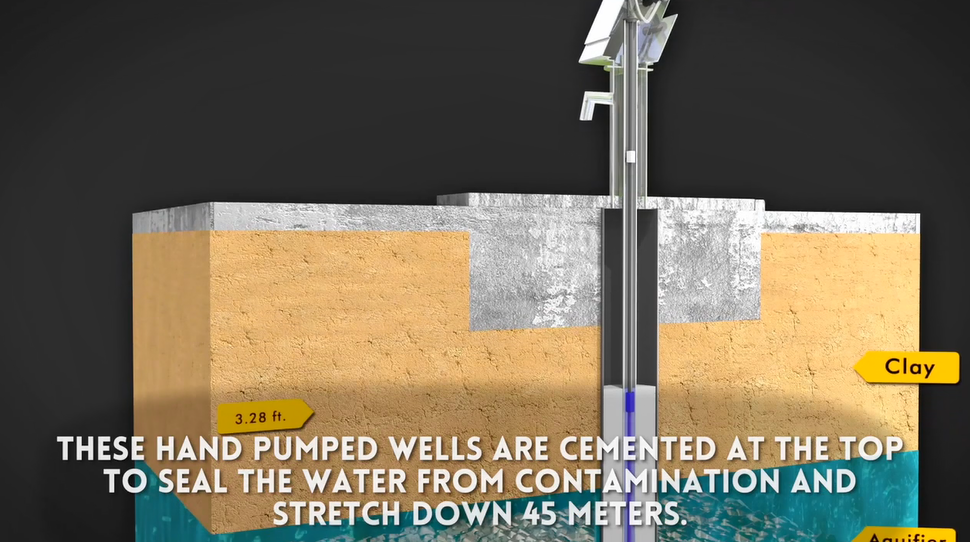
Donating to Embrace Relief’s Clean Water Fund and our “Fountains of Hope” project is the single-best way to ensure that thousands of people will get the water they need.

But there are more ways for you to help Embrace Relief fight the clean water crisis. On Saturday, June 25, we will be hosting our inaugural H2Ow Far Can You Walk: 5K Walkathon at Liberty State Park in New Jersey. This family-friendly event is open to people of all ages and abilities, and will help raise awareness and money for building and rebuilding water wells in Africa.

Every dollar donated during our 5K Walkathon will provide more than 2,000 gallons of clean, drinkable water for those in need. For more information, and to register, click here. We look forward to having some fun in the sun with you as we help improve hundreds of thousands of lives.

What is water scarcity?

Water is essential to human life. We need to drink it to keep our organs functioning. We need it to grow and cook our food. We need it to maintain proper hygiene and keep ourselves and our communities clean. This is true for all people everywhere, and it’s why water is a fundamental human right.

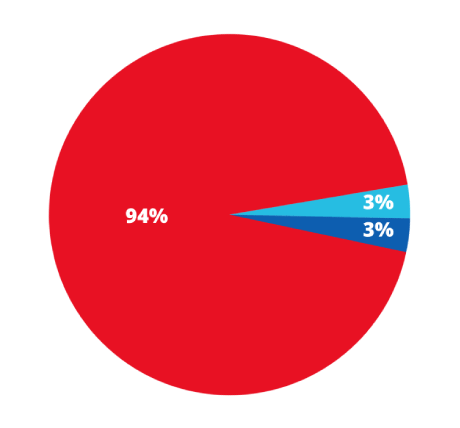
Though two-thirds of Earth’s surface is covered in water, just 3 percent of all of the existing water on the planet is the freshwater we need for drinking, growing crops, hygiene, and many other uses.

There is enough water for everyone, but because of varieties of climate and geography, as well as economic conditions and infrastructure, large areas of the world – including parts of every continent – face water scarcity issues:

  • Currently, an estimated 1.1 billion people worldwide lack reliable access to clean water. 
  • An estimated 2.7 billion people live with water scarcity for at least one month out of the year. 
  • Additionally, 2.4 billion people have inadequate access to hygiene and sanitation. 
  • But as staggering as these numbers are, they may be poised to rise significantly higher during the next several decades as climate change impacts weather patterns and water sources.

There are two main types of water scarcity

1) Scarcity in availability: In which there is a shortage in the freshwater supply (rivers, lakes, aquifers, oases, glaciers, reservoirs, ponds, streams, wetlands, etc.) due to drought, overuse, or some other physical cause; and

2) Scarcity in access: In which the clean water supply is plentiful enough, but there are either institutional failures or a lack of adequate infrastructure to extract and distribute this water equitably to all people.

In sub-Saharan Africa, where an estimated 400 million people live with water scarcity, it is this second type of scarcity that is most common. For many, the nearest water source is an unprotected lake, river or pond full of bacteria and worms; drinking this water means putting oneself at risk for deadly diseases. And for many others, the nearest water source requires a significant daily journey on foot, usually undertaken by women and young girls; this means precious hours spent collecting water rather than attending school, working, or taking care of family. 

Help Embrace Relief fight to end water scarcity

At Embrace Relief, we’re working to build up the infrastructure of sub-Saharan Africa and make clean water accessible to all, and we need your help.

Through our Clean Water Initiative, we have funded the construction of 450 new water wells, and the reconstruction of 50 pre-existing water wells, in the African nations of Cameroon, Chad and Nigeria. These wells are providing water to more than 500,000 people for at least the next five years.
Donating to Embrace Relief’s Clean Water Fund and our “Fountains of Hope” project is the single-best way to ensure that thousands of people will get the water they need.

But there are more ways for you to help Embrace Relief fight the clean water crisis. On Saturday, June 25, we will be hosting our inaugural H2Ow Far Can You Walk: 5K Walkathon at Liberty State Park in New Jersey. This family-friendly event is open to people of all ages and abilities, and will help raise awareness and money for building and rebuilding water wells in Africa.

Every dollar donated during our 5K Walkathon will provide more than 2,000 gallons of clean, drinkable water for those in need. For more information, and to register, click here. We look forward to having some fun in the sun with you as we help improve hundreds of thousands of lives.

Yemen Food Support Project

Fasting Facts: Benefits of Fasting During Ramadan

Every year, more than one billion Muslims around the world observe the holy month of Ramadan, one of the most important celebrations of the year. (In 2025, Ramadan will begin at sunset on February 28, and will end at sunset on March 29).

The most well-known Ramadan tradition is the daily fast: throughout the 29 or 30 days of the month, Muslims are obliged to refrain from eating or drinking anything between the hours of sunrise and sunset.

For most people, this means an extra early wake-up call each morning. During Ramadan 2025, the sun will rise in the United States between 6:30 and 7:30 AM on most days. A modest morning meal, suhur, is typically eaten prior to this time, and the energy provided from that food and drink must last the entire day. When Ramadan occurs during the spring and summer in the northern hemisphere, that means more than 12 hours without any nourishment. The iftar (“breaking the fast”) occurs after sunset and is typically a larger meal often involving a larger family or community gathering.

The purpose of the Ramadan fast is a spiritual one, designed to promote mindfulness and a devotion to one’s faith. But there are also other positive effects!

Scientists have always taken an interest in the Ramadan fast, because so many people take part, and because it happens so regularly. Many studies have looked into the effects of the month-long fast on people’s bodies and health. And though there are positives and negatives, as there are with any diet or nutrition program, the studies do generally conclude that the Ramadan fast does have some real health benefits. Here are five ways your body reacts positively:

  • Better mental health. Studies show that many people fasting during Ramadan have an increased mental clarity and stronger impulse control, and they report fewer feelings of stress, anxiety and depression. Some theorize that this is due to the brain’s ability to focus more resources on other tasks rather than digestion, or that fasting produces brain proteins that boost mental function. But no matter the reason, the effect is real and can be very noticeable.
  • Better habits. Abstaining from eating during the day (and other vices, like smoking) over a relatively long period of time can be a good way to change habits. The improved impulse control caused by fasting, as well as the altered daily routines required during the observance of Ramadan, can be utilized to train your body and mind to follow healthier lifestyle practices, like eating better or quitting smoking. As the weeks pass during Ramadan, your body will become more and more used to the new routines, making for an easier transition once the month ends.
  • Lower cholesterol. Cardiologists who have studied Ramadan observants have found that the month-long fast results in lower cholesterol levels. Cutting down on foods high in saturated fats and cholesterol – like many kinds of cheeses, milk and other dairy products, processed meats or fast food – can have big health benefits, especially if this becomes a regular routine. Lower cholesterol significantly lowers your risk for a heart attack, heart disease, or a stroke.
  • Weight loss. Many people lose weight during Ramadan simply from a reduction in the number of calories consumed per day. A daylong fast can result in your stomach shrinking in size, reducing the amount of food it takes for your body to feel full, and reducing the amount of food you can eat even after breaking the fast. Of course, this effect is temporary once Ramadan ends and people return to their previous eating habits. If weight loss is something that will benefit you, be sure to eat healthy and mindfully once your fast is over.
  • Detoxification. When your body needs energy and you’ve gone almost a full day without eating, it will start burning your fat reserves, including any toxins that might be present. Fasting is also thought to stimulate a process of self-cleaning in the lining of your stomach, which removes damaged or dead particles.

One other benefit of the Ramadan fast is the sense of empathy it instills towards people who do not get to choose whether and when they will eat on a given day. This is a time of year when many people can understand firsthand the struggle and pain of an empty stomach. And unfortunately, hunger can be found in every corner of our planet.

At Embrace Relief, we’ve made it a core part of our mission to deliver food to people in more than 50 countries worldwide, thanks to the support of people like you. If you have the ability, there’s never a bad time to provide a charitable donation that will make a real impact in people’s lives. But this month of reflection, empathy and charity is an especially good time to do so!

Help feed people in need with Embrace Relief

All it takes to make a powerful impact this Ramadan is a donation to Embrace Relief’s International Hunger Relief: Ramadan 2025 campaign. Every dollar you donate will help us provide nutritious food packages to those who need it most – whether they live in Tanzania, Mali, Yemen, Indonesia, Greece, the United States, or any of the other countries where Embrace Relief works to provide much-needed aid.

During last year’s International Hunger Relief: Ramadan campaign, thanks to the generosity of donors like you, Embrace Relief was able to distribute food to more than 68,000 people in 21 countries spanning 5 continents. In 2025, we want to make an even greater impact – but we need your help to do it!

When you give to Embrace Relief this Ramadan, you will make a powerful difference in the life of a vulnerable family. Just $35 can provide a family of five with enough food for a full week, so don’t delay! Donate today by clicking here, or by using the form below and help Embrace Relief share nutritious food with our friends around the globe.

Donate For International Hunger Relief Ramadan

$
Donate Now

Eid al-Fitr: Celebrating the end of Ramadan

Summary

  • Do you know why Muslims around the world celebrate Eid al-Fitr?
  • It’s one of the biggest days of the year for more than a billion people around the world, a day of breaking the Ramadan fast, feasting, and celebrating with friends and family.
  • But the end of Ramadan is also the perfect time to consider the lives of the most vulnerable people among us.
  • That’s why Embrace Relief’s International Hunger Relief: Ramadan campaign is working to provide food packages and hot meals to tens of thousands of people around the world.

Eid Mubarak! The end of Ramadan 2025 will be marked by Eid al-Fitr, which is expected to take place in the United States from sunset on Saturday, March 29, until sunset on Sunday, March 30.

Concluding the month-long observance of the holy month of Ramadan, Eid al-Fitr is one of the biggest holidays on the Islamic calendar. It’s a day known for its communal prayers, gatherings, feasts, gifts, and charity.

In English, Eid al-Fitr translates to “Feast of the Breaking of the Fast,” referencing the obligatory fasting period of Ramadan in which Muslims refrain from eating or drinking between the hours of sunrise and sunset. The exact date of Eid each year will vary, because it occurs not on a specific Gregorian calendar date, but rather at the first sighting of the crescent moon that begins Shawwal, the 10th month on the Islamic calendar.

Here are five things you need to know about this important annual festival:

Eid al-Fitr is a day of giving. At the conclusion of the Ramadan fast at sunset prior to the day of Eid, Muslims are obliged to give a charitable donation, zakat al-fitr, to support the needy. This is typically not a great amount of money – roughly $7 per person – but because all Muslims who can afford to are asked to donate, it adds up. Zakat is seen by many as a way to mirror God’s love and kindness, to offer thanks to God for guiding them through the difficult fasting period, and to strengthen community ties. (Embrace Relief accepts Zakat donations and will use them to support our humanitarian relief efforts. Learn more by clicking here.)

Eid is a day of communal prayer. Traditionally, morning prayers on Eid are held in an open space, often outdoors, allowing for communities to come together and offer their devotion to God. The Eid prayers consist of two rakat (sections), both preceded by a specific number of takbir (the repetition of the phrase Allahu akbar, “God is great”). These are followed by a sermon asking for forgiveness, peace, and blessings.

Eid is a day of banquets and feasts. The end of the Ramadan fast is cause for large meal gatherings on Eid, typically beginning once the morning prayer ends. With no more restrictions on what you can eat or drink – fasting is prohibited for the three days after the beginning of Eid – many households will prepare copious amounts of food depending on their local customs and cuisine. In many locations, there is an emphasis on sweet breakfast, lunch and dessert foods, giving the holiday the nickname “Sweet Eid.”

Eid is a day for family and friends to come together. Eid is celebrated as one of the most joyous days on the calendar. In many parts of the world, families will decorate their homes and open them to their families and neighbors. In addition to the food they share, friends and families will also give each other gifts, show off new clothes and shoes, and exchange blessings.

Eid al-Fitr is the “smaller” Eid holiday. Eid al-Fitr is only one of the two major Eid holidays in the Muslim world. The other, Eid al-Adha (Feast of the Sacrifice), is considered an even more important date in Islam than Eid al-Fitr. It commemorates the story of the prophet Ibrahim (known as Abraham in the Christian and Jewish traditions) and his willingness to sacrifice his son Isaac to earn God’s favor. This year in the United States, Eid al-Adha is expected to begin with sunset on June 6, 2025.

Eid al-Fitr is of course a joyous time marked by food, fun and family. But it’s also a time to come together and share blessings with your fellow man. It’s a time for charity, empathy, and a real sense of supporting your community.

The end of the Ramadan fast is the perfect time to consider the impact you can make on people who are forced to go hungry each day. At Embrace Relief, we’ve made it a core part of our mission to deliver food to people in more than 50 countries worldwide, thanks to the support of people like you. If you have the ability, there’s never a bad time to provide a charitable donation that will make a real impact in people’s lives. But this month of reflection, empathy and charity is an especially good time to do so!

Help feed people in need with Embrace Relief

All it takes is a donation to Embrace Relief’s International Hunger Relief: Ramadan 2025 campaign! Every dollar you donate will help us provide nutritious food packages to those who need it most – whether they live in Tanzania, Mali, Yemen, Indonesia, Greece, the United States, or any of the other countries where Embrace Relief works to provide much-needed aid.

During last year’s International Hunger Relief: Ramadan campaign, thanks to the generosity of donors like you, Embrace Relief was able to distribute food to more than 68,000 people in 21 countries spanning 5 continents. In 2025, we want to make an even greater impact – but we need your help to do it!

When you give to Embrace Relief this Ramadan, you will make a powerful difference in the life of a vulnerable family. Just $35 can provide a family of five with enough food for a full week, so don’t delay! Donate today using the form below and help Embrace Relief share nutritious food with our friends around the globe.

Donate For International Hunger Relief Ramadan

$
Donate Now

Giving during Ramadan

Ramadan is about more than fasting from sunrise to sunset for a full month. It’s also a very important time for Muslims around the world to give to charity and help their fellow man.

Zakat, the act of charitable giving, is one of the pillars of Islamic belief. Each donation of one’s surplus food or money represents a purification of the soul. During this holy month, each gift to those in need provides an even greater spiritual reward, while also providing a Ramadan blessing to someone less fortunate.

Donating food is a particularly great way to help out during the holiday. The daylong fast that Muslims undertake throughout Ramadan is just a small reminder of the suffering that hundreds of millions of people live with during the other 11 months of the year.

Despite the progress we’ve made over the past several decades, there are still many people going to bed hungry every night all around the world. An estimated 700 million people on Earth – that’s one out of every 12 people – did not have enough food to eat during 2024.

Embrace Relief has made it a core part of its mission to directly provide food to people in numerous countries where it is very badly needed, especially during Ramadan. Since 2013, we have:

  • Provided food to more than 5 million people;
  • Served more than 50 countries spanning five continents, including two dozen African nations, as well as Greece, Yemen, Indonesia, India, Pakistan, Colombia, Brazil, and many others.
  • Aided our closest neighbors in the United States with deliveries of food packages, hot meals, and fresh produce to tens of thousands of families.
  • We strive to ease hunger wherever it exists, whether in our own backyard or on the other side of the globe. But we can only help our most vulnerable friends with your support!

Help feed people in need with Embrace Relief

All it takes to make a powerful impact this Ramadan is a donation to Embrace Relief’s International Hunger Relief: Ramadan 2025 campaign. Every dollar you donate will help us provide nutritious food packages to those who need it most – whether they live in Tanzania, Mali, Yemen, Indonesia, Greece, the United States, or any of the other countries where Embrace Relief works to provide much-needed aid.

During last year’s International Hunger Relief: Ramadan campaign, thanks to the generosity of donors like you, Embrace Relief was able to distribute food to more than 68,000 people in 21 countries spanning 5 continents. In 2025, we want to make an even greater impact – but we need your help to do it!

When you give to Embrace Relief this Ramadan, you will make a powerful difference in the life of a vulnerable family. Just $35 can provide a family of five with enough food for a full week, so don’t delay! Donate today using the form below and help Embrace Relief share nutritious food with our friends around the globe.

Donate For International Hunger Relief Ramadan

$
Donate Now