


Recent

5 tips for avoiding food waste

Did you know that as much as 40 percent of the food supply in America goes to waste each year?

The U.S. Department of Agriculture estimates that more than 130 billion pounds of food is wasted in this country alone every year – an average of more than 200 pounds of food per person! It’s a staggering number, and combined with the approximately 17 percent of food going to waste in the rest of the world, it has real consequences for people everywhere:

  • Wasted food goes into landfills instead of feeding hungry people. Tens of millions of people in America, and hundreds of millions of people around the world, do not have enough food to eat each year. But as we can see by the amount of food wasted, it’s not a supply problem. We have more than enough food for all people. 
  • But it’s not just the food that goes to waste. Producing food requires numerous resources: land, water, technology, labor, transportation, and much more. When we waste large quantities of food, we’re wasting all of those resources, too.
  • Food waste also has a negative impact with regards to climate change. The production and supply chains for our food involve the release of some greenhouse gases, of course. And as the wasted food decomposes in landfills, it gives off methane, a greenhouse gas 86 times more powerful than carbon dioxide. 

True, a large portion of wasted food is on the production and supply end. (Think about a refrigerator malfunction spoiling dairy products, or fruits and vegetables spoiling before they get to your grocery store.) But there are still many ways in which regular people can reduce food waste in measurable, impactful ways. So how can you do your part? Here are five simple tips:

       1.Have a plan and buy what you need. Buying in bulk can be a money- and time-saver, reducing the amount of grocery store trips you’ll need to make. But it’s also often a good way to end up with wasted food. Developing a weekly meal plan, and only buying the ingredients you need to stick to it, is a good way of ensuring that all the food you buy will go to good use.

       2.Don’t be afraid of “ugly” fruits and vegetables. One big source of food waste on the retail/consumer side is produce that may look visually unappealing – because of an odd shape, bruises, or other cosmetic reasons – but that are actually exactly as safe, nutritious and tasty as “normal-looking” fruit. Because of their appearance, “ugly” fruits and veggies are often dumped before they go bad. By buying “ugly” produce, you’ll get the same great taste and reduce waste.

       3.Save your leftovers. Sometimes you just get full and can’t finish all the delicious food you cooked. Rather than dumping it, save it for another day! Store your leftovers in an airtight container and refrigerate or freeze as necessary. You’ve got a simple, easy-to-prepare meal for another time, or maybe an ingredient you can reuse for tomorrow’s dinner.

       4.Donate what you can’t use. Local food banks are always in need of non-perishable food items (canned goods, dried fruits and vegetables, etc.). But your unspoiled perishable goods could also be acceptable, depending on the food bank and the quality of your food. Sharing your excess food with your community is doubly effective: less waste, and fewer people going hungry.

      5.Compost your food waste. Sometimes food waste is just unavoidable. If you have fruits or vegetables that go bad (or used eggshells, nut shells, or coffee grounds), try composting them. Burying this organic material in your backyard provides nutrients to the soil, reduces your carbon footprint, and turns food waste into something much more productive. Just remember, you can’t compost meat, bones, fats and oils, or dairy products.

Help feed people in need with Embrace Relief

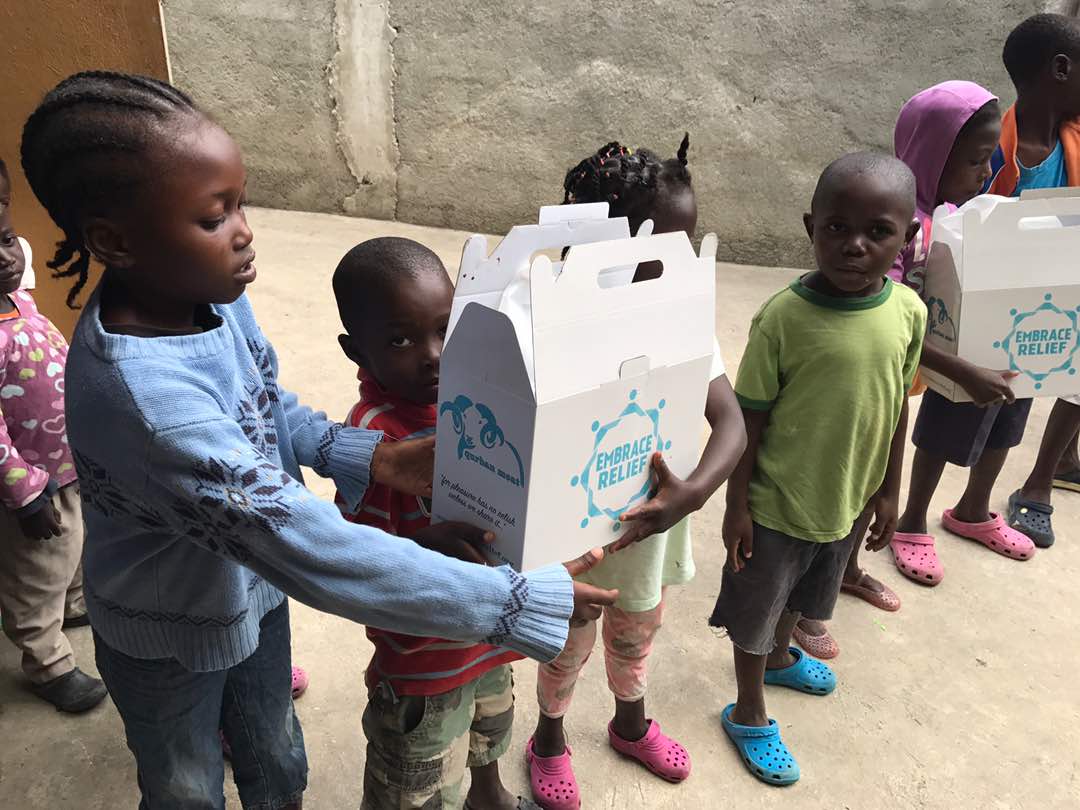
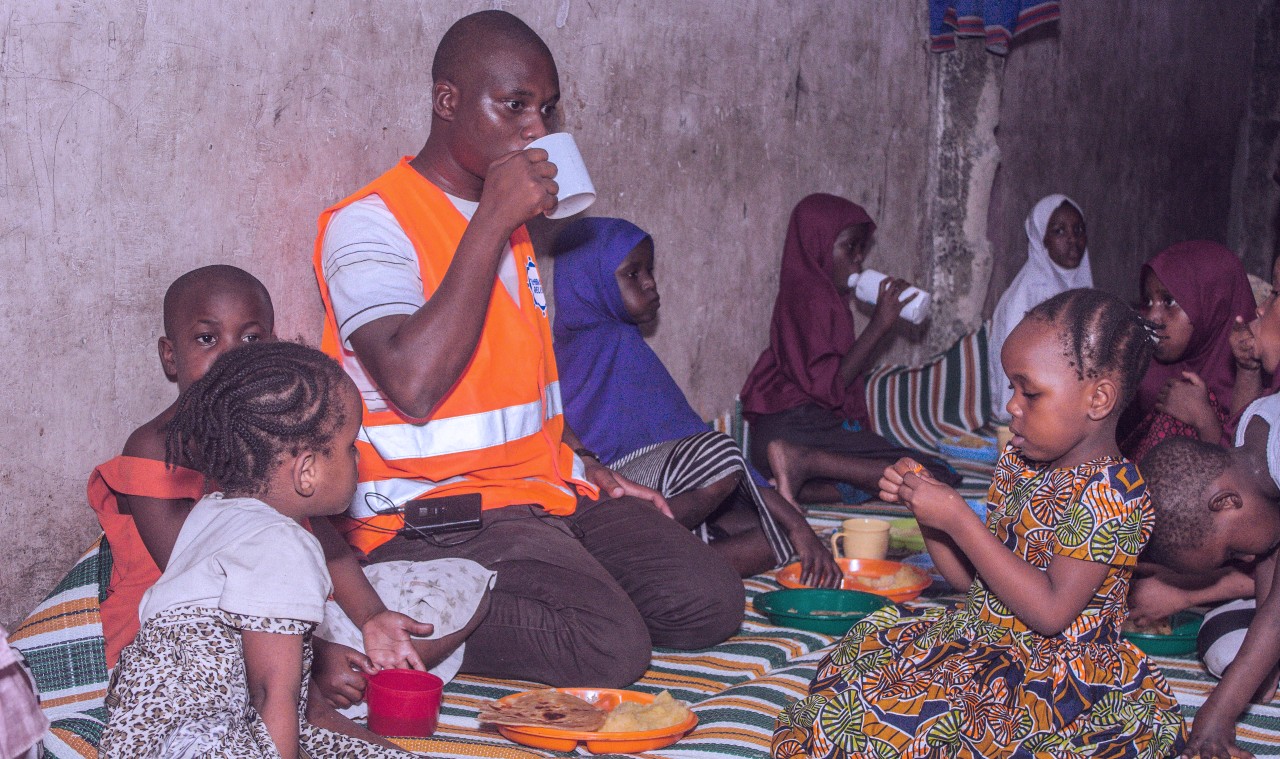
It’s important to be mindful of food waste, because so many millions of people in America and around the world don’t have the luxury to waste any food. Hunger can be found everywhere, and we all have a responsibility to reduce suffering where we can. At Embrace Relief, we’re doing our part by directly providing food to people in need.

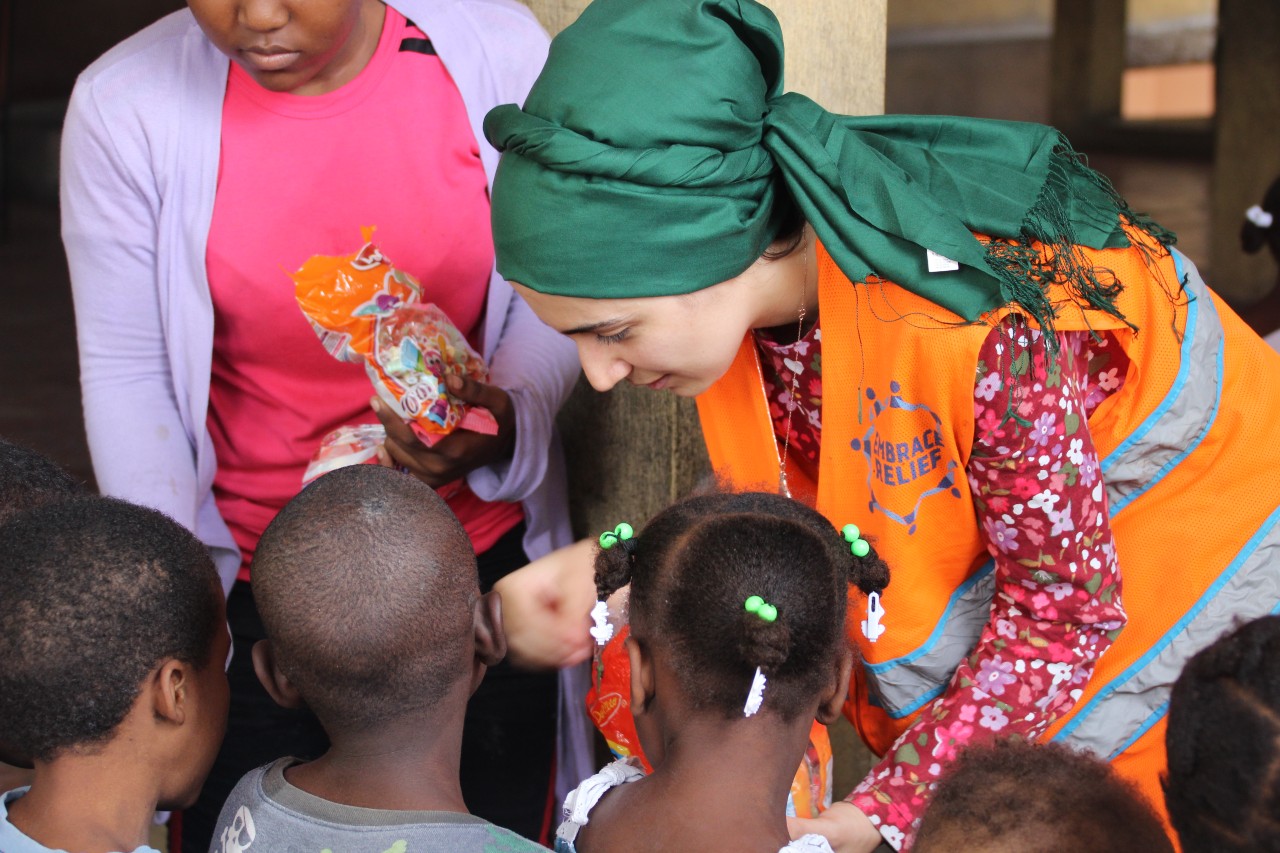
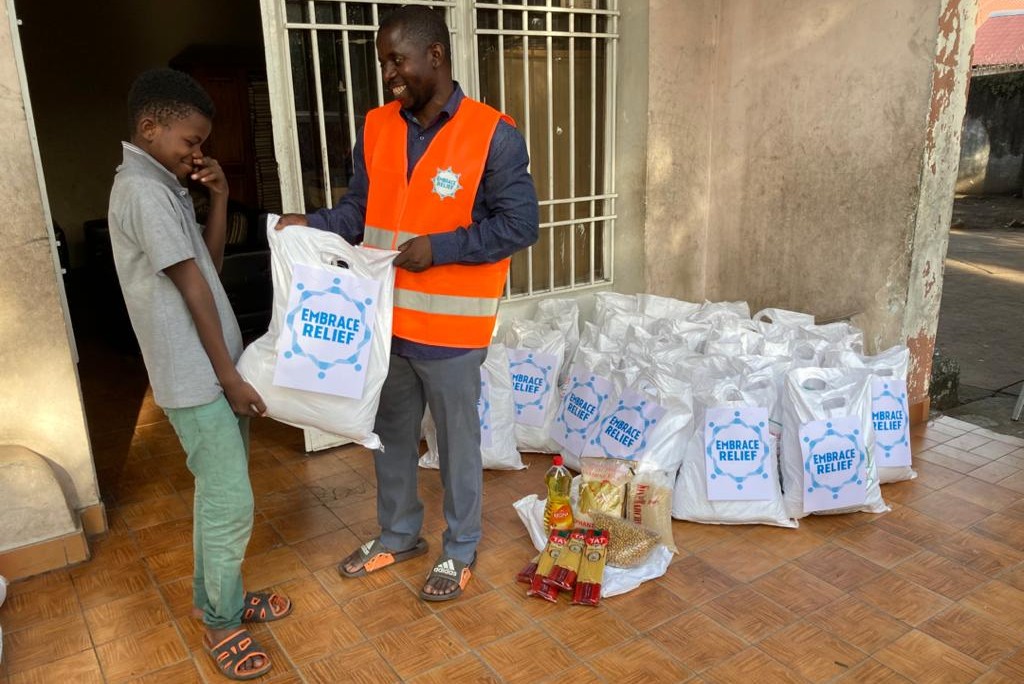
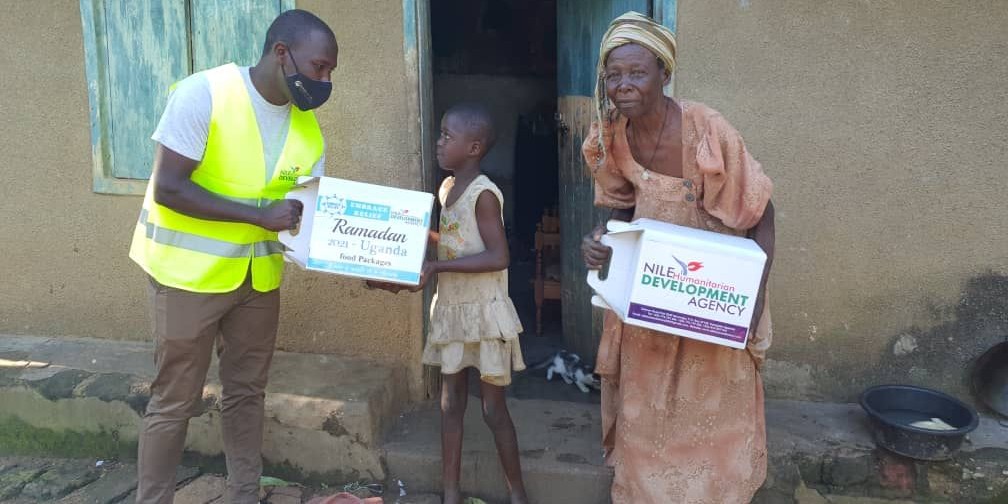
During our International Hunger Relief Campaign: Ramadan 2021, Embrace Relief delivered food packages to more than 30,000 people across 12 countries, including more than 1,300 in Greece, more than 1,100 in Yemen, and hundreds more families in sub-Saharan Africa and South Asia. We also helped out locally, delivering food to 900 neighboring families in New Jersey.

For our International Hunger Relief Campaign 2022, we want to do so much more, and your support can make that possible. Donating any amount of money will make a difference – the amounts below represent the cost of one food package that will feed a family for one week:

So please, donate today. Every contribution you make helps one more family go to bed on a full stomach, and brings us one small step closer to ending world hunger.

Hunger in Africa: a crisis

More than one-fourth of all people in Africa are food insecure. Hunger, even extreme hunger, in Africa has escalated in recent years after a long period of increasing food supply for the continent’s growing population.

Thanks to disruptions caused by structural poverty, conflict, climate change and the COVID-19 pandemic, hunger in Africa has reached a crisis point. An estimated 346 million Africans lived with “severe” food insecurity in 2020, by far the highest percentage of hungry people (26.6% of the total population) of any continent.

The crisis is widespread particularly in the central part of Africa, south of the Sahara Desert and north of the Congo River. More than 9 out of every 10 hungry people on the continent are located in this area.

  • In Central Africa – including countries like the Democratic Republic of the Congo, Congo Republic, Burundi, Cameroon, Chad and Angola – estimates are that nearly 1 in 3 people (31%) are undernourished. 
  • The situation is particularly dire in countries like the Democratic Republic of the Congo, where 45 million people do not have enough food to eat in April 2022, according to the UN World Food Programme’s Hunger Map. More than half of the country’s children under the age of 5 are chronically undernourished as well.
  • Heavily populated East Africa – which includes countries such as Sudan, Ethiopia, Somalia, Kenya, and Tanzania – is home to more than 129 million people who suffered undernourishment in 2020, roughly 28 percent of the population.
  • According to the Hunger Map, there are currently nearly 29 million hungry people in Ethiopia alone. Approximately 36 percent of Ethiopian children are chronically undernourished.

A lack of food has devastating consequences especially for all, but especially children. One study concluded that as many as 260,000 children died of starvation in East Africa in 2021. Meanwhile, children going hungry are at severe risk for wasting (low weight for one’s height) and stunting (low height for one’s age), which can cause lifelong health issues and prevent children from reaching their physical and mental potential.

Help feed people in need with Embrace Relief

We have the ability to feed every single person on this planet, and more importantly, we all have a responsibility to ensure that we all have enough to eat. At Embrace Relief, we’ve made providing food to people in need a cornerstone of our mission. During our International Hunger Relief Campaign: Ramadan 2021, Embrace Relief delivered food packages to more than 30,000 people across 12 countries, including more than 1,300 in Greece, more than 1,100 in Yemen, and hundreds more families in sub-Saharan Africa and South Asia. We also helped out locally, delivering food to 900 neighboring families in New Jersey.

For our International Hunger Relief Campaign 2022, we want to do so much more, and your support can make that possible. Donating any amount of money will make a difference – the amounts below represent the cost of one food package that will feed a family for one week:

So please, donate today. Every contribution you make helps one more family go to bed on a full stomach, and brings us one small step closer to ending world hunger.

Join Embrace Relief’s 5K Walkathon and Help Build Water Wells in Africa

Hundreds of millions of people worldwide live in poverty, and suffer from terrible illness, as a direct result of lacking clean, drinkable water. But you can help them, and all it will take is a nice, hourlong walk in sight of the Statue of Liberty.  On Saturday, June 25, 2022, join Embrace Relief and support our efforts to bring clean water to millions of people in Africa by taking part in our first-ever H₂Ow Far Can You Walk: 5K Walkathon. Our 5K Walkathon will take place at Liberty State Park in Jersey City, New Jersey. On-site registration will take place at 8 a.m. that day, with the walkathon getting underway at 9:30 a.m. To register in advance, visit Embrace Relief’s 5K Walkathon webpage. There are three tiers of registration, with each level giving additional gifts and swag to walkers:
  • Tier 1 – Pillars of Hope ($15): T-shirt
  • Tier 2 – Champions of Service ($25): T-shirt, bracelet, lanyard/medal, sticky wallet OR pop-socket, water bottle
  • Tier 3 – Builders of the Future ($30): All items from Tier 2 PLUS a drawstring backpack, print paper certificate, and a pen/notebook OR sweat towel
Additionally, we encourage you to donate to our Clean Water Initiative and Fountains of Hope project, which provide direct support for building and rebuilding water wells in Africa, a sustainable source of clean, drinkable water for thousands of people. Each $1 donated will provide 2,000 gallons of water to those in need!

Why We Walk

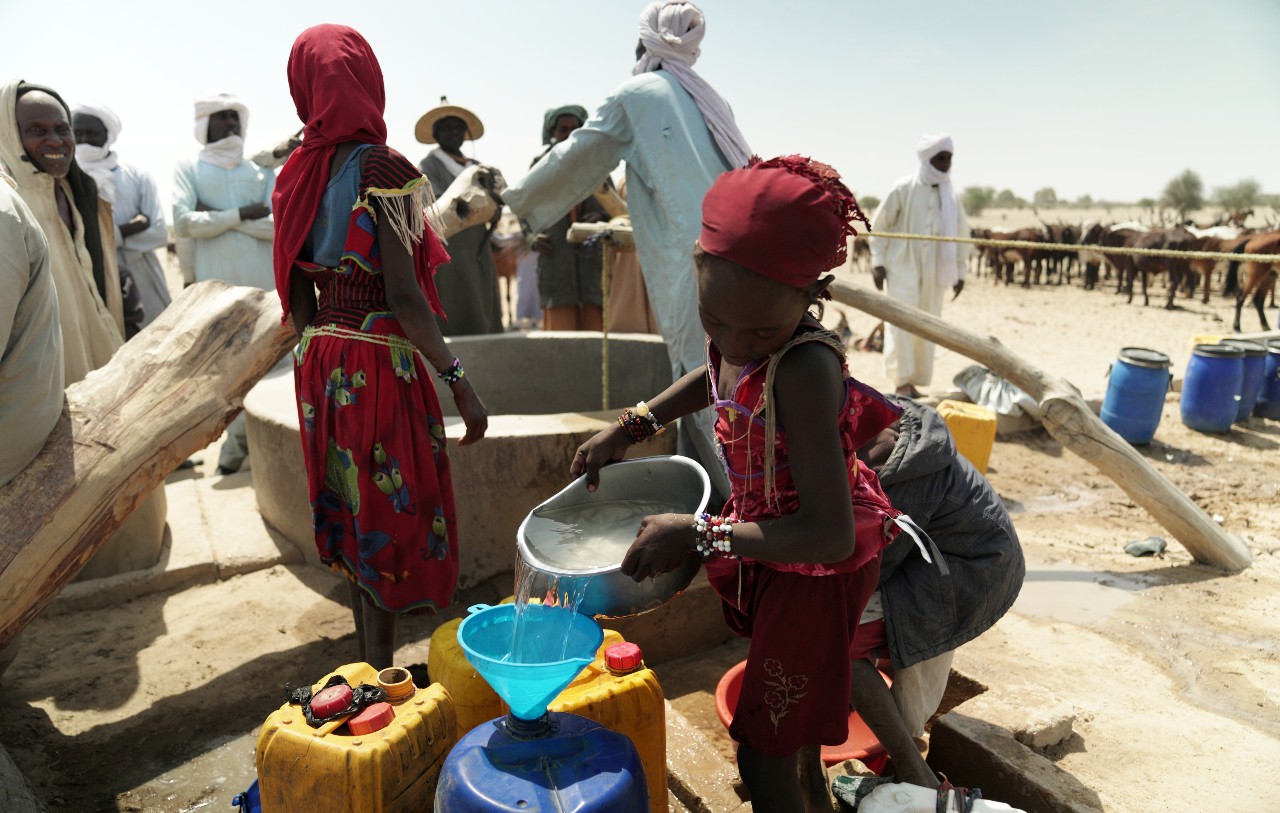
Embrace Relief’s 5K Walkathon is a fun event designed to give everyone a chance to get some exercise. But it’s also an important opportunity to understand that in many parts of the world, “walking for water” isn’t a leisure activity: it’s part of a daily routine of survival. In sub-Saharan Africa, for example, more than 400 million people live without a nearby, safe source of clean water. To reach their nearest source of life-giving water, people – usually women and young girls – must walk for miles on unpaved roads, under a hot sun, carrying up to 70 pounds of water on their shoulders, neck, and back for hours at a time. This labor-intensive, time-consuming process takes its toll.
  • Every hour spent traveling to and from a water source is an hour a mother can’t spend raising her children, or a girl doesn’t spend in a classroom earning an education. 
  • Every mile they walk carrying heavy water containers presents a risk of short- and long-term injuries to the spine and shoulders. 
  • And in many parts of sub-Saharan Africa, there’s no guarantee the water they’re fetching is safe to drink, given how many water sources are above-ground, unprotected, or otherwise susceptible to contamination. An estimated 2 million people die every year from diseases related to drinking contaminated water.
When you join us on June 25, likely a warm, beautiful afternoon in one of New Jersey’s most picturesque state parks, enjoy the views, the exercise, and the company of friends and fellow walkers. But be sure to give a thought to those people who must spend their days walking in order to keep their families alive and healthy.

How Embrace Relief helps

Embrace Relief’s commitment to easing the burden on people in Africa is centered on the building of sustainable, easy-to-maintain, safe water wells. Already, we’ve built or refurbished more than 500 wells in the African nations of Chad and Cameroon, supplying safe, drinkable water to more than a half-million people for at least the next five years. Funds raised at our 5K Walkathon event will support Embrace Relief’s Fountains of Hope project, which will rebuild 250 non-operational existing water wells in different regions of africa.  We look forward to seeing you on June 25! Together, we can make a huge impact by giving the gift of water, and thus the gift of a better life, to thousands of people and scores of communities. What better way to spend an early-summer afternoon?  

What is Ramadan: Tradition, fasting, and sharing

Ramadan 2025 will begin at sundown on Friday, February 28, and will end at sundown on Sunday, March 29.

What is Ramadan? It is the holy month, the ninth in the Muslim calendar, whose beginning is marked by the appearance of the crescent moon. Because the Muslim calendar is based on the 354-day lunary calendar, Ramadan’s start date and end date will vary each year

The observance of the holy month is one of the Five Pillars of Islam, and is a time for fasting, introspection, prayer, and faithful intention for Muslims around the world.

During Ramadan, Muslims are obliged to abstain from all of the following between sunrise and sunset:

  • Eating
  • Drinking
  • Smoking
  • Sexual relations
  • Sinful speech and behavior

Traditionally, each day of Ramadan involves a pre-dawn meal, suhur, followed by the first of the required five daily prayers. After sundown comes the next meal, iftar, followed by evening prayers. No food or drink is permitted in between for anyone, with some exceptions (including pregnant and nursing women, young children and the elderly).

In addition to fasting, Muslims are asked during Ramadan to be more mindful of the teachings of Islam, both in their actions and thoughts – avoiding violence, anger, jealousy, greed, and other vices – and through devoted reading of the Quran.

By practicing these obligations throughout each day of the month, an individual cleanses one’s soul, practices discipline, self-control and spirituality, and becomes closer to God.

Another key piece of the puzzle is charitable giving. The obligations of Ramadan generate strong feelings of compassion and empathy for those less fortunate, those people who go hungry or thirsty throughout the year not by choice. Charitable giving is another of the Five Pillars of Islam, and Muslims donate more money to charity during the month of Ramadan than at any point of the year.

There is no better time of year to think about how to help others, and to take action.

Help feed people in need with Embrace Relief

All it takes to make a powerful impact this Ramadan is a donation to Embrace Relief’s International Hunger Relief: Ramadan 2025 campaign. Every dollar you donate will help us provide nutritious food packages to those who need it most – whether they live in Tanzania, Mali, Yemen, Indonesia, Greece, the United States, or any of the other countries where Embrace Relief works to provide much-needed aid.

During last year’s International Hunger Relief: Ramadan campaign, thanks to the generosity of donors like you, Embrace Relief was able to distribute food to more than 68,000 people in 21 countries spanning 5 continents. In 2025, we want to make an even greater impact – but we need your help to do it!

When you give to Embrace Relief this Ramadan, you will make a powerful difference in the life of a vulnerable family. Just $35 can provide a family of five with enough food for a full week, so don’t delay! Donate today using the form below and help Embrace Relief share nutritious food with our friends around the globe.
Donate For International Hunger Relief Ramadan

$
Donate Now

 Hunger and food insecurity in the United States

Nearly 14 million people In the United States lived with food insecurity in 2020.

In the wealthiest country in the world, a full 10.5 percent of households – approximately 38 million people – in America were unsure of where their next meal came from at some point in 2020, because they lacked the money or resources. Many of these people were forced to alter their diets, reduce their food intake, or seek assistance from local governments and charities to survive.

Even worse, American households with children were statistically more likely to not have enough food to eat, according to the USDA:

  • An estimated 14.8 percent of households with children suffered from some level of food insecurity in 2020.
  • Food-insecure households were split just about evenly between those in which only adults were food-insecure and those in which both adults and children were hungry. There were approximately 2.9 million households in the latter category, adding up to about 6.1 million children, in 2020.
  • Rates of food insecurity were even higher among households with children under the age of 6 (15.3 percent), as well as those households headed by a single woman (27.7 percent) or single man (16.3 percent).
  • And unsurprisingly, poverty was a leading indicator of households with children dealing with food insecurity: almost one in three households with an income level 185 percent below the poverty line was food insecure in 2020.
  • After a long period of decline, hunger in the US has been increasing in recent years, and the COVID-19 pandemic made the situation worse, as millions lost their jobs and income, resulting in more people relying on government programs and local organizations

It goes without saying that food is an important part of a healthy life and a human right. When families can’t afford the proper amount of nutritious food, they suffer physically and emotionally.

There simply is no reason why anyone in the United States should ever go hungry. But until poverty and hunger are solved for good, there are neighbors who need our help right now.

Help feed people in need with Embrace Relief

That’s where the Embrace Relief Foundation comes in. While we provide food and aid to needy people all around the world, Embrace Relief has made it part of our mission to help those closest to us. During our International Hunger Relief Campaign: Ramadan 2021, Embrace Relief delivered food to 900 families in New Jersey, in addition to the food packages we sent to more than 30,000 people across 12 countries, including more than 1,300 in Greece, more than 1,100 in Yemen, and hundreds more families in sub-Saharan Africa and South Asia.

For our International Hunger Relief Campaign 2022, we want to do so much more, and your support can make that possible. Donating any amount of money will make a difference – the amounts below represent the cost of one food package that will feed a family for one week:

So please, donate today. Every contribution you make helps one more family go to bed on a full stomach, and brings us one small step closer to ending world hunger.

COVID-19’s Impact on Hunger Around the World

The COVID-19 pandemic has had a negative effect on food security around the globe.

After a long period of worldwide decline, the number of people suffering from hunger began to rise again in 2019 due primarily to conflicts, climate change, and natural disasters. Then the world was overcome by the coronavirus pandemic in February and March 2020. The economic damage caused by COVID was widespread: millions of people lost their jobs or parts of their income, supply chains were disrupted as national borders were closed, and food prices rose dramatically as demand rose, among other impacts.

In low-income countries, these factors made a dire hunger situation worse. In areas of the world like sub-Saharan Africa, people typically spend a high proportion of their income just on food. So when the price of staples like eggs, fruits, vegetables and wheat rises quickly, as has happened because of COVID, suddenly millions of people are unable to afford the life-sustaining food they need.

All of this suffering adds up quickly.

  • A July 2021 report from the United Nations indicated skyrocketing levels of global hunger during 2020, with more than 2.3 billion people – more than a one-fourth of the world’s population – not having enough food to eat year-round.
  • Additionally, estimates say that as many as 660 million people will still be hungry in 2030, the year the world was supposed to reach “Zero Hunger” according to the UN’s Sustainable Development Goals, with much of the shortfall attributable to the pandemic.
  • Increased hunger is a major issue in the United States, too: The pandemic saw the number of households with children suffering from food insecurity spike, up to 15 percent
  • The widespread closure of businesses and schools during the height of the pandemic led to unemployment, increased poverty, and no free or subsidized lunches for children in need. 
  • An estimated 38 million people in the U.S., about one in every nine Americans, was food insecure in 2020. 

Food security and COVID-19 are inextricably linked. And so while the pandemic continues, we must do all we can to get food to the people who need it.

Help feed people in need with Embrace Relief

That’s where the Embrace Relief Foundation comes in. Embrace Relief has made it part of our mission to provide food to people in need. During our International Hunger Relief Campaign: Ramadan 2021, Embrace Relief delivered food packages to more than 30,000 people across 12 countries, including more than 1,300 in Greece, more than 1,100 in Yemen, and hundreds more families in sub-Saharan Africa and South Asia. We also helped out locally, delivering food to 900 neighboring families in New Jersey.

For our International Hunger Relief Campaign 2022, we want to do so much more, and your support can make that possible. Donating any amount of money will make a difference – the amounts below represent the cost of one food package that will feed a family for one week:

So please, donate today. Every contribution you make helps one more family go to bed on a full stomach, and brings us one small step closer to ending world hunger.

Water wells in Africa: Embrace Relief’s expanded commitment

Embrace Relief has been building water wells in Africa for nearly nine years. But like any physical infrastructure, wells require maintenance and upkeep. When CEO Osman Dulgeroglu and his team recently visited the north-central African nation of Chad to assess the progress of Embrace Relief’s Clean Water Program, they came across one well, between five and six years old, whose pipes had rusted through, contaminating the water pumped out of it.

As Embrace Relief does with all of its wells that need maintenance, those pipes were replaced and the system cleaned, resuming service. But often, wells installed by other groups that fall into disrepair are simply abandoned. The physical structure remains in place, but it is useless as a source for clean water. The abundance of such wells is the driving force behind Embrace Relief’s “Fountains of Hope” initiative, which has already brought 50 wells back into service, with plans for hundreds more.

Rebuilding wells reduces the distances that villagers must travel to fetch clean water, improving the lives of those who walk hours daily for life-giving water rather than take care of their families, receive a greater education, or help their community in other ways.

“We met with some of the people who are walking three, four, five hours a day to get water,” Dulgeroglu said. “It’s not a good situation. It’s dangerous on the roads, with wild animals and other things. Carrying 10 gallons of water is incredibly heavy, and they’re doing it over long distances. And often they’re drinking contaminated rainwater. Many people are losing their lives, children aren’t getting an education, all of these things, because they don’t see any alternative. In places like that, this is where we see the need.”

Dulgeroglu’s weeklong visit to Chad was split between scoping out possible sites for refurbished wells, checking in on those already built, and learning about the impact the wells have had on their communities. The biggest change to come out of being on the ground, Dulgeroglu said, was that Embrace Relief will be taking an even more proactive role in ensuring that the water keeps flowing.

“Until now, we were assigning the responsibility of checking the water wells to the chief of the village,” he said. “We were saying, if there’s ever any problem, reach out to us, and we’ll repair it. But we’re changing our way, and taking on that responsibility ourselves. Our people will be checking and repairing annually during our five-year warranty. That means testing the water, testing whether the well is operational or not, getting photos and videos of all of our wells.”

Water wells in Africa: a ‘step-by-step’ process

Sub-Saharan Africa is home to a large number of the two billion people who live in an area of acute water scarcity. Hundreds of millions of people in this part of the world get their drinking water from unprotected and untreated sources of water, like rivers, lakes, and ponds. Millions more – typically women and young girls – must walk an average of four miles per day to fetch water, often carrying nearly 70 pounds of water at a time. These conditions feed into a cycle of lower life expectancy, disease and chronic health issues, undernutrition, a lack of education, and poverty, said Osman Dulgeroglu, CEO of the Embrace Relief Foundation.

In February 2022, Dulgeroglu was part of an Embrace Relief team that visited Chad to assess the progress made by the organization’s Clean Water Project, which has built or reconstructed 500 water wells in Chad, Cameroon and Nigeria since 2013, providing a reliable source of clean water to more than a half-million people.

On the ground, he and the team spoke to villagers and community leaders, worked with engineers, and viewed 15 sites of abandoned water wells to be fixed up under Embrace Relief’s “Fountains of Hope” initiative. Thus far, Embrace Relief has funded the reconstruction of 50 non-functional wells, with plans to refurbish hundreds more.

Water wells are a crucial tool for increasing the availability of clean water in rural areas. People living here mostly travel on foot along the dirt roads that connect to neighboring villages or market towns, and so any infrastructure will have to use the resources that are immediately available.

Not all wells look or operate exactly alike, as the surrounding geography can require different specifications. But they tend to be modest-looking and easy to use. The wells are typically built deep in the ground to filter out any contamination – 30 meters is considered a “safe” depth for a well pipe, but most Embrace Relief pipes are built 45 meters into the ground for added protection – and to ensure that it will retain water during the lengthy dry season.

In Koukaya, a village in western Chad about two hours north of N’Djamena near the Cameroonian border, their Embrace Relief-built well features a small rectangular basin where villagers can place their bowls, containers and canisters. A concrete cylinder containing a PVC pipe rises a few feet out of the ground, with a metal nozzle. The water, which has traveled through a filtration system designed to remove all soil and contaminants, is surfaced by a hand pump which adults and children alike can operate.

This simple system opens up a world of possibilities for the people of Koukaya, Dulgeroglu explained, especially because each additional well built will have a multiplier effect on a community.

“One well is not enough for everything,” he said. “There are many villages nearby who may use this well. Everyone will need water in the morning, for themselves and their animals, and that can cause long lines, which can raise tension. So it is a process. The first well gives everyone enough water to drink. A second well will let everyone grow fruits and vegetables during every season of the year. And a third well would allow the number of animals in the village to increase. It’s step by step. First you’re eliminating waterborne diseases and making a healthier community. Then you’re giving all of those hours of fetching water back to the women and children in the village. Then you’re improving the economic situation.”